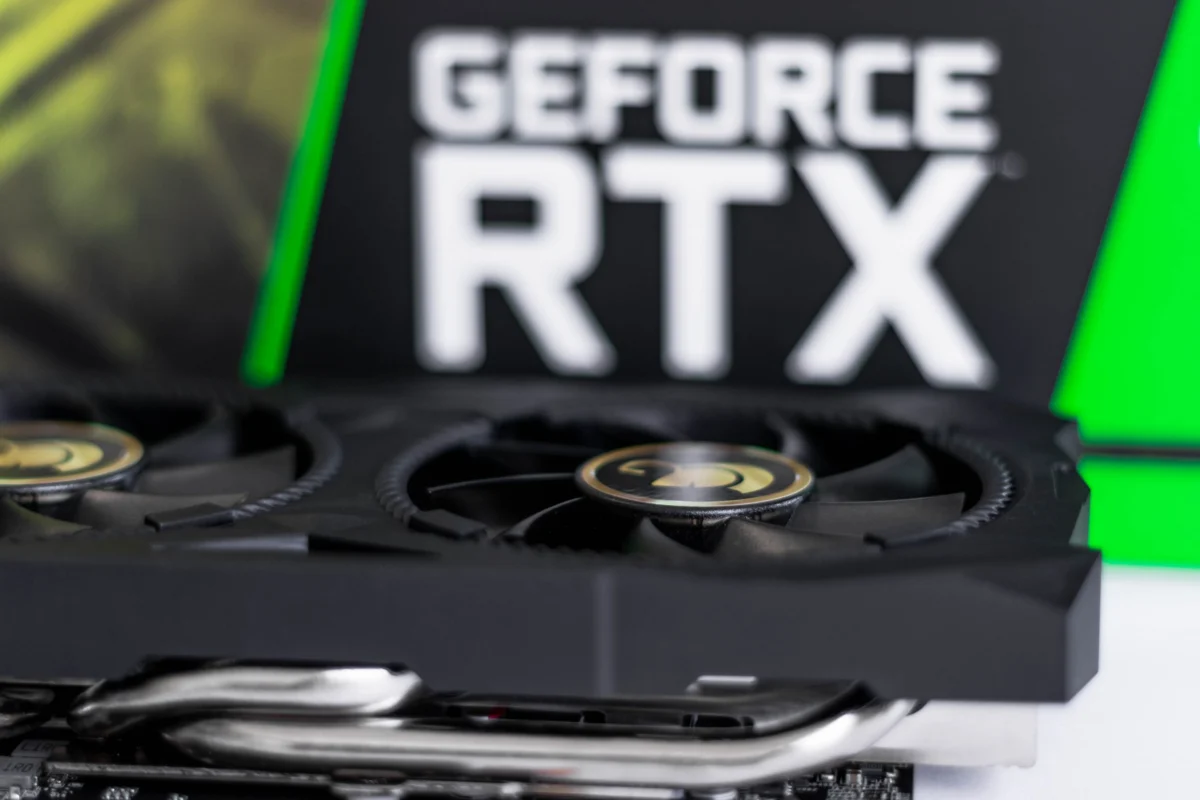
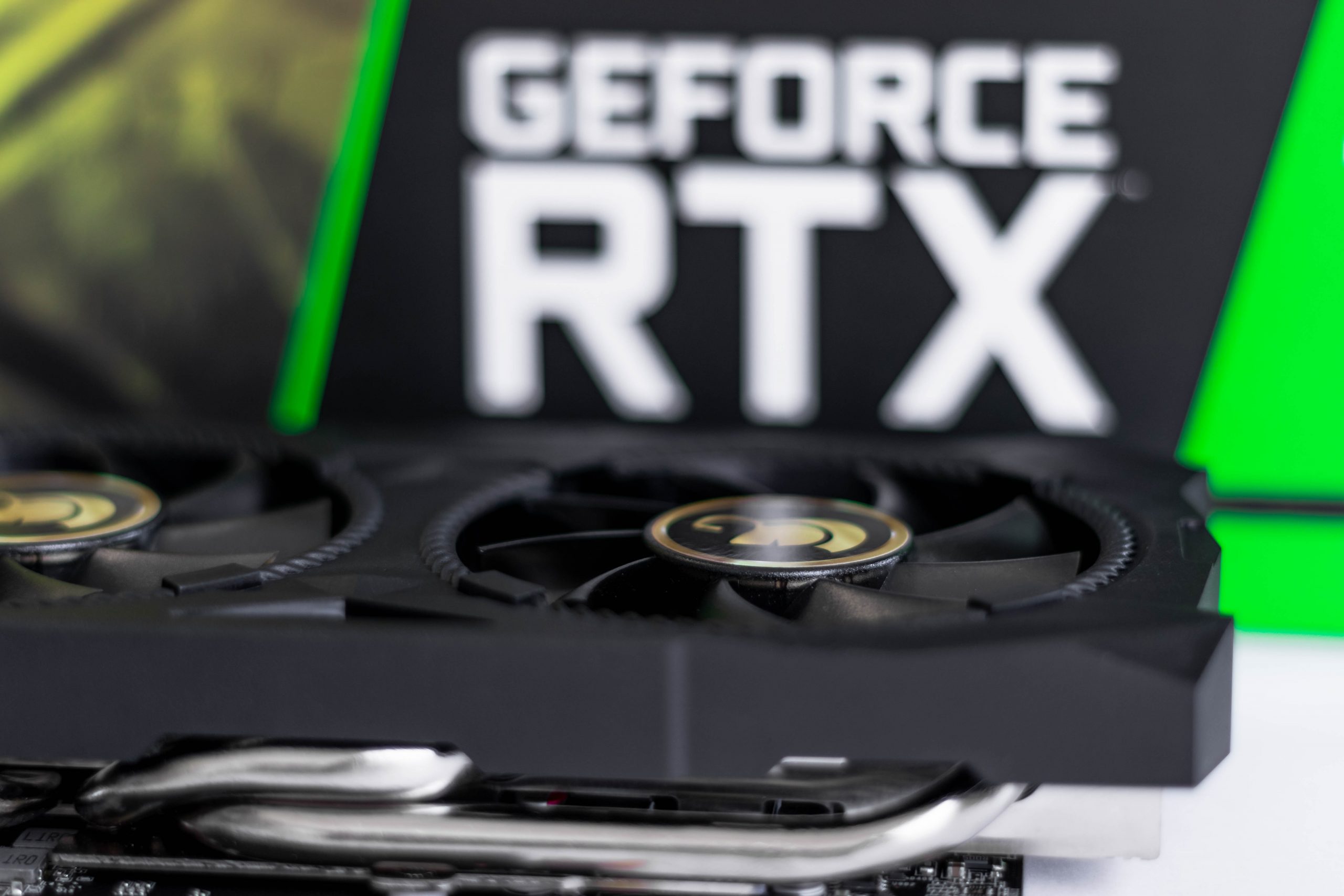
The intensifying regulatory crackdown on cryptocurrency mining within the People’s Republic of China has precipitated an unprecedented influx of used graphics processing units (GPUs) onto the secondary market. As mining operations face systemic closures and forced relocations, operators are liquidating extensive hardware inventories at steep discounts. Nvidia RTX 3060 units are now changing hands for as low as $270, signaling a dramatic shift in hardware availability and pricing structures that resonates across both the consumer electronics and digital asset sectors.
This secondary market saturation involves massive quantities of processing hardware from both Nvidia and Advanced Micro Devices (AMD). The dumped equipment spans multiple generations of architectural development, ranging from legacy configurations like the Pascal and Polaris series up to contemporary architectures including Nvidia’s Ampere and AMD’s RDNA2. For months, the global technology sector had grappled with severe supply chain constraints, inflated retail prices, and chronic inventory shortages driven largely by high-intensity industrial mining operations. The sudden liquidation in East Asia offers a stark contrast to the previous market environment, though significant hurdles remain for prospective retail purchasers seeking to capitalize on the plummeting valuations.
Chronology and Background of the Chinese Mining Ban
The current hardware liquidation is the direct result of a multi-year, escalating regulatory campaign by Chinese authorities against digital asset generation and trading. The friction between Beijing and the cryptocurrency industry solidified progressively, transforming from localized advisories into a coordinated national prohibition.
In May 2021, the Financial Stability and Development Committee of the State Council—chaired by Vice Premier Liu He—issued a stern mandate explicitly targeting Bitcoin mining and trading activities. This declaration served as a definitive turning point, moving beyond historical warnings and initiating rigorous enforcement protocols across major mining provinces, including Sichuan, Xinjiang, Inner Mongolia, and Qinghai. Local municipal governments were tasked with inspecting industrial parks, cutting off power supplies to suspected mining facilities, and enforcing strict compliance measures.
Prior to these measures, China accounted for a substantial majority of the global Bitcoin hash rate, benefiting from cheap hydroelectric and coal-fired energy sources. As compliance checks intensified through the summer of 2021, industrial-scale miners faced an untenable operational landscape. While a segment of the mining community initiated preparations to relocate operations to more hospitable jurisdictions—such as North America, Central Asia, and parts of Europe—a vast number of domestic operators chose to wind down operations permanently. Consequently, massive stockpiles of specialized mining rigs, application-specific integrated circuit (ASIC) devices, and multi-GPU mining rigs were dismantled and prepared for liquidation.
Market Mechanics: Bulk Sales and Pricing Dynamics
The sheer volume of hardware entering the secondary market has created unique economic friction. Rather than facilitating individual retail transactions, the majority of Chinese miners and liquidation brokers are enforcing strict minimum purchase thresholds. Buyers seeking to acquire discounted hardware are frequently required to purchase inventory in bulk lots ranging from 100 to 200 units, depending on the specific broker and the operational history of the equipment.
Pricing across standard consumer models reflects this oversupply. The Nvidia RTX 3060, a mainstay for both mid-tier gaming and crypto mining, has been documented on online secondary marketplaces at approximately $270 per unit. Higher-tier variants, such as the RTX 3060 Ti and the RTX 3070, are currently commanding secondary market rates of roughly $350 and $400, respectively. In addition to desktop components, liquidators have listed specialized inventory, including modified gaming laptops equipped with Nvidia RTX 3060 architecture that were repurposed for round-the-clock mining operations, priced at around $1,000 per unit.

Despite the aggressive price reductions, turnover rates on these secondary inventories remain sluggish. Market analysts attribute this friction to two primary factors: the aforementioned bulk-purchase requirements, which naturally exclude individual retail consumers and small-scale system builders, and legitimate consumer skepticism regarding the condition of the hardware. Industrial mining operations typically subject GPUs to continuous, uninterrupted usage under heavy computational loads, frequently utilizing overclocking configurations that accelerate thermal degradation and reduce the operational lifespan of the components.
Broader Economic and Technological Implications
The forced unwinding of Chinese mining infrastructure carries profound implications for the global semiconductor industry, the PC gaming community, and the broader digital asset ecosystem.
For months, retail consumers endured severe markups and persistent stock shortages, largely attributed to heightened demand from institutional and amateur miners alike. The introduction of thousands of secondhand GPUs into the global economy is accelerating a broader normalization of hardware pricing. Reports from various international markets, including Germany, indicate that regional GPU prices have experienced significant downward corrections, dropping by as much as 40% from their historic highs.
Furthermore, technological shifts within the cryptocurrency sector itself are expected to permanently alter the relationship between digital asset generation and consumer hardware. The impending transition of Ethereum—historically the dominant cryptocurrency mined via consumer-grade GPUs—from a Proof-of-Work (PoW) consensus mechanism to a Proof-of-Stake (PoS) framework (Ethereum 2.0) has rendered GPU-based mining economically precarious for many independent operators. During public industry events such as E3, technology executives, including Nvidia CEO Jensen Huang, acknowledged these market dynamics, noting that the maturation of network protocols and regulatory tightening would likely return traditional graphics hardware to its core demographic: gamers, content creators, and enterprise data processors.

Concurrently, as Beijing systematically expels private decentralized cryptocurrency networks from its domestic economy, state-backed financial institutions are aggressively accelerating the rollout and testing of the digital yuan (e-CNY). This state-issued central bank digital currency (CBDC) represents a direct state-sanctioned alternative designed to capture the transactional volume previously serviced by decentralized assets, reinforcing state control over monetary flows within the nation.
Bitcoin Market Response and Macroeconomic Range
Against the backdrop of hardware liquidations and regulatory restructuring, the broader cryptocurrency market has maintained a defensive posture. Bitcoin (BTC) has continued to trade within a tightly defined range, hovering near the $33,000 threshold. While registering modest upward adjustments of approximately 2% over 24-hour observation periods, the leading digital asset has experienced minor contractions on a weekly timeframe, failing to definitively breach the stubborn overhead resistance level established around $35,000.
Market participants and on-chain analysts remain divided on the near-term trajectory of the asset class. The persistent regulatory pressure from the world’s second-largest economy, combined with the structural redistribution of global mining hash rates toward North American and European jurisdictions, continues to create short-term market volatility. However, industry observers suggest that the forced migration and hardware liquidation phase represents a necessary maturation cycle, ultimately decentralizing the geographical distribution of the network and eliminating speculative leverage driven by artificially inflated hardware costs.