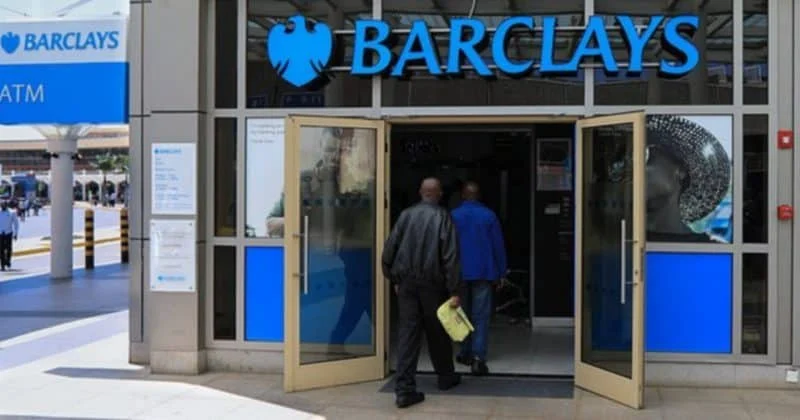
Barclays, the venerable British multinational banking giant, is actively exploring the development of its own blockchain platform designed to revolutionize payments and deposit functionalities, a significant pivot from its previously more cautious stance on distributed ledger technology (DLT). This strategic exploration, reported by Bloomberg citing individuals familiar with the matter, signals a concerted effort by the financial institution to not only keep pace with but potentially lead in the rapidly evolving digital asset landscape. The bank is reportedly in the process of evaluating potential technology providers, with the ambitious goal of selecting key partners as early as April. This initiative is expected to encompass the integration of stablecoins and the development of tokenized deposit capabilities, laying the groundwork for a more digitized and efficient financial infrastructure.
A Shift Towards Proactive Infrastructure Investment
For years, major global financial institutions have been observing the burgeoning potential of blockchain technology. While some, like JPMorgan Chase with its JPM Coin and HSBC with its various DLT pilots, have already made significant strides in deploying distributed ledger technology, Barclays appears to be accelerating its own investment in core infrastructure. This move represents a clear departure from a more reserved approach, indicating a recognition of the imperative to innovate and adapt to the competitive pressures and technological advancements shaping the future of finance. The bank’s proactive stance suggests a desire to leverage DLT to enhance operational efficiency, reduce costs, and offer more sophisticated digital financial products to its clientele.
The exploration into a proprietary blockchain platform comes on the heels of other significant digital asset-related endeavors by Barclays. In October 2025, the London-based lender participated in a notable bank-led consortium focused on investigating the feasibility of a reserve-backed digital currency operating on public blockchains. This initiative specifically targeted G7-pegged assets, with the overarching aim of significantly improving the speed and reducing the cost associated with cross-border settlement processes. Such cross-border payments often suffer from inefficiencies, involving multiple intermediaries, lengthy processing times, and substantial fees, making them a prime candidate for DLT-driven innovation.
Strategic Investment in Ubyx Signals Deeper Commitment
Further underscoring its commitment to the digital asset space, Barclays announced a strategic investment last month in Ubyx, a United States-based company specializing in global clearing systems for tokenized deposits and regulated stablecoins. This collaboration is poised to be instrumental in fostering interoperability within the digital finance ecosystem. The focus will be on enabling banks and other regulated financial institutions to seamlessly offer digital wallets that can operate alongside traditional bank accounts. This integration is crucial for providing customers with a unified and convenient experience, bridging the gap between legacy financial systems and the emerging world of digital assets.
Ryan Hayward, Head of Digital Assets and Strategic Investments at Barclays, articulated the significance of this strategic direction in a statement released in January. He emphasized, "Interoperability is essential to unlock the full potential of digital assets. As the landscape of tokens, blockchains and wallets evolves, specialist technology will play a pivotal role in delivering connectivity and infrastructure to enable regulated financial institutions to interact seamlessly." This quote highlights Barclays’ understanding that the future of digital assets hinges on the ability of disparate systems to communicate and transact efficiently, a challenge that Ubyx’s technology aims to address. The investment in Ubyx, therefore, represents a tangible step towards building the necessary infrastructure for this interconnected future.
The Growing Momentum of Stablecoins and Tokenized Deposits
Barclays’ blockchain initiative is not an isolated event but rather a reflection of a broader, accelerating trend among global banks to embrace blockchain technology. While many of these explorations are still in their nascent stages, the pace of development has markedly quickened, largely driven by the exponential growth in stablecoin transaction volumes. Stablecoins, which are cryptocurrencies designed to maintain a stable value, often pegged to a fiat currency like the US dollar, have emerged as a critical component of the digital asset economy.
The potential of stablecoins in global payments is immense. Projections suggest that these digital currencies could facilitate transactions exceeding $50 trillion annually by the year 2030. This remarkable forecast is a testament to their growing adoption by individuals, businesses, and increasingly, by financial institutions seeking more efficient and cost-effective payment rails. The ability to conduct near-instantaneous transactions with reduced fees, particularly for cross-border payments, makes stablecoins an attractive alternative to traditional payment methods.
Regulatory Tailwinds Accelerating Institutional Interest
The increased interest from major financial institutions in digital assets and blockchain technology is also being significantly influenced by evolving regulatory landscapes. The recent enactment of legislation such as the US GENIUS Act, which establishes a foundational framework for dollar-backed tokens, has acted as a catalyst. Such regulatory clarity provides a much-needed sense of security and predictability, encouraging major financial players to revisit and refine their digital asset strategies. As regulators grapple with the complexities of digital currencies, the establishment of clear guidelines is crucial for fostering institutional confidence and enabling responsible innovation.
A Chronology of Barclays’ Digital Asset Engagements
To understand the current trajectory of Barclays’ blockchain exploration, it is helpful to consider a brief chronology of its recent activities in the digital asset space:
- Early 2023 – Mid 2024 (Ongoing Exploration): Barclays initiates internal discussions and feasibility studies regarding the potential for a proprietary blockchain platform for payments and deposits. This phase likely involves research into various DLT solutions and potential vendor capabilities.
- October 2025: Barclays joins a bank-led consortium to investigate the use of reserve-backed digital currencies on public blockchains, with a focus on G7-pegged assets for enhanced cross-border settlements. This collaboration signifies a move towards exploring public and permissioned blockchain models in partnership with industry peers.
- January 2026: Ryan Hayward, Head of Digital Assets and Strategic Investments at Barclays, issues a statement emphasizing the critical role of interoperability in the digital asset landscape, signaling the bank’s strategic focus on connectivity.
- February 2026 (Reported): Bloomberg reports that Barclays is actively exploring building its own blockchain platform for payments and deposits, evaluating technology providers with a target of selecting partners by April.
- February 2026 (Reported): Barclays announces a strategic investment in Ubyx, a US-based company developing a global clearing system for tokenized deposits and regulated stablecoins, further solidifying its commitment to building the necessary infrastructure.
This timeline illustrates a progressive and strategic engagement with DLT, moving from exploratory phases to concrete investments and platform development considerations.
Supporting Data and Market Trends
The global market for digital assets and blockchain technology is experiencing robust growth, providing a fertile ground for initiatives like Barclays’.
- Stablecoin Market Capitalization: The total market capitalization of stablecoins has surged dramatically in recent years. As of early 2026, figures indicate a market value in the hundreds of billions of dollars, with significant growth projected. For instance, Tether (USDT) and USD Coin (USDC), two of the largest stablecoins, routinely facilitate billions of dollars in daily transactions.
- Cross-Border Payments Market: The global cross-border payments market is valued in the trillions of dollars annually. Inefficiencies in this market represent a significant opportunity for cost savings and efficiency gains through DLT solutions. Estimates suggest that blockchain-based solutions could reduce transaction costs by up to 50% for certain types of cross-border payments.
- Tokenization of Assets: The broader trend of asset tokenization, which involves representing real-world assets on a blockchain, is also gaining traction. This includes tokenizing everything from real estate to securities, with the potential to create new markets and investment opportunities. The global tokenization market is projected to reach trillions of dollars in the coming decade.
- Institutional Adoption of Blockchain: A survey of financial institutions conducted in late 2025 revealed that a significant majority were either actively exploring or had already implemented blockchain solutions for various use cases, including payments, trade finance, and identity management.
Broader Impact and Implications
Barclays’ foray into building its own blockchain platform for payments and deposits has several significant implications for the financial industry and its customers:
- Enhanced Payment Efficiency: A successful implementation could lead to faster, cheaper, and more transparent payment and deposit transactions for Barclays’ customers, both retail and institutional. This could be particularly impactful for businesses engaged in international trade and for individuals sending remittances.
- Competitive Landscape: This move intensifies competition among major banks to offer cutting-edge digital financial services. It pressures other institutions to accelerate their own DLT development or risk falling behind in terms of technological innovation and customer offerings.
- Ecosystem Development: By investing in companies like Ubyx and exploring interoperability, Barclays is contributing to the development of a more connected and integrated digital asset ecosystem. This could pave the way for a future where digital assets and traditional finance coexist and complement each other seamlessly.
- Regulatory Dialogue: As major financial institutions like Barclays become more deeply involved in DLT, their experiences and insights will likely inform ongoing regulatory discussions. This can help shape future policies and frameworks that support responsible innovation while mitigating potential risks.
- Customer Access to Digital Assets: The integration of stablecoins and tokenized deposits could offer customers a more direct and regulated pathway to engage with digital assets, potentially democratizing access to new financial products and services.
While the precise architecture and scope of Barclays’ planned blockchain platform remain under wraps, the bank’s active exploration and strategic investments underscore a clear commitment to leveraging distributed ledger technology. This initiative, alongside similar efforts by its global peers, signifies a pivotal moment in the evolution of financial services, suggesting that the future of payments and deposits may indeed be built on the foundation of blockchain. The coming months, with the anticipated selection of technology partners, will be crucial in revealing the concrete steps Barclays will take to realize this ambitious vision.