The digital asset ecosystem continues to evolve past pure speculation, shifting its focus toward multi-chain integration, real-world utility, and advanced blockchain gaming. As the non-fungible token (NFT) market matures through 2024, collectors, investors, and developers are increasingly turning their attention toward upcoming NFT projects, innovative mints, and cross-chain platforms operating across Ethereum, Solana, Cardano, and the Bitcoin blockchain via Ordinals.
Understanding this dynamic landscape requires a comprehensive examination of prevailing market trends, prominent ecosystem developments, prominent blue-chip collections, and the methodologies used by analysts to track emerging digital assets.
Macro Trends Reshaping the 2024 NFT Ecosystem
The broader non-fungible token market has transitioned away from the speculative frenzy of 2021 toward utility-driven ecosystems. Analysts attribute this shift to a convergence of decentralized finance (DeFi), gaming infrastructure, metaverse integration, and tokenized real-world assets.

A primary driver in this evolution is the convergence of NFTs and DeFi, often referred to as NFTfi. Rather than serving merely as static profile pictures (PFPs), high-value digital assets are increasingly utilized as collateral for cryptocurrency-backed loans. According to data from major lending protocols, blue-chip collections like CryptoPunks have surpassed significant liquidity milestones, registering over $100 million in total loan volume on platforms such as NFTfi. This integration allows long-term holders to unlock liquidity without sacrificing ownership of their assets, bridging the gap between illiquid digital collectibles and liquid capital markets.
Concurrently, the integration of NFTs into GameFi—the fusion of gaming and decentralized finance—has reached a critical inflection point. Blockchain-enabled gaming projects are moving past simplistic "play-to-earn" models toward AAA-quality open-world experiences. In these virtual economies, in-game items, land parcels, and unique characters are tokenized as NFTs, granting players absolute ownership, provable scarcity, and cross-platform portability.

Prominent and Upcoming NFT Projects to Watch
The 2024 market features a mix of established legacy collections adapting to new multi-chain realities and innovative upcoming mints expanding the boundaries of digital ownership.
Pudgy Penguins and Lil Pudgys
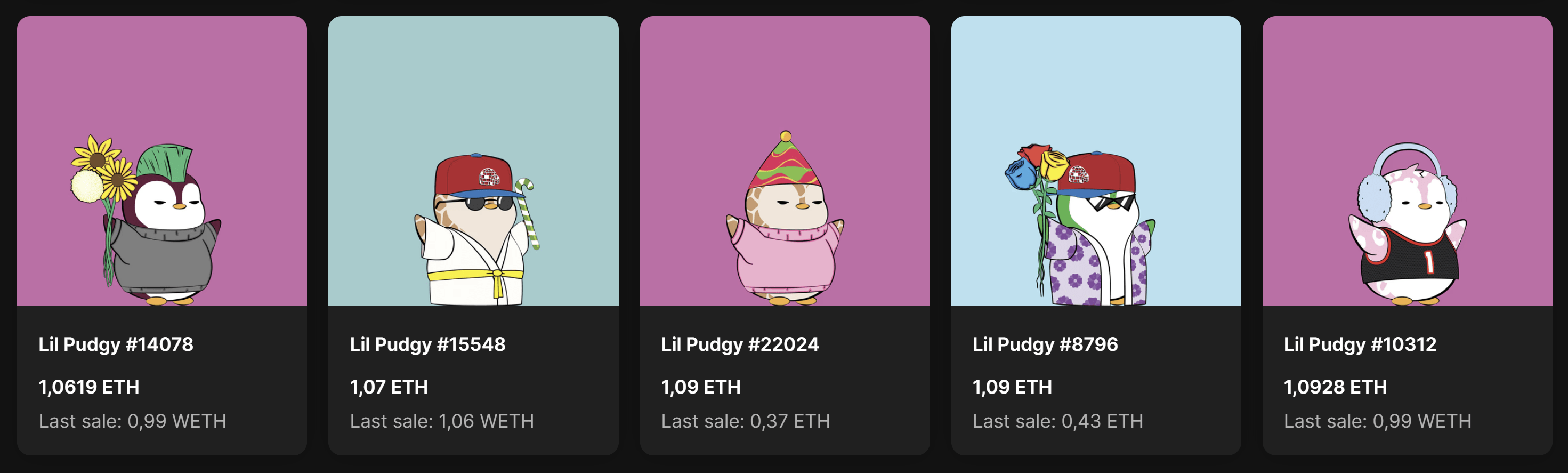
Originally launched on the Ethereum blockchain in July 2021, Pudgy Penguins has evolved from a standard 8,888-piece generative art collection into a recognized mainstream Web3 brand. Following its acquisition by entrepreneur Luca Netz in 2022, the project expanded its footprint beyond the digital realm through the launch of Pudgy Toys, securing distribution partnerships with major global retailers including Walmart and Amazon. The ecosystem’s expansion, including the companion collection Lil Pudgys, demonstrates how community-driven lore and physical-digital integration can sustain project valuation across varying market cycles.
Azuki and the Anime-Inspired Metaverse
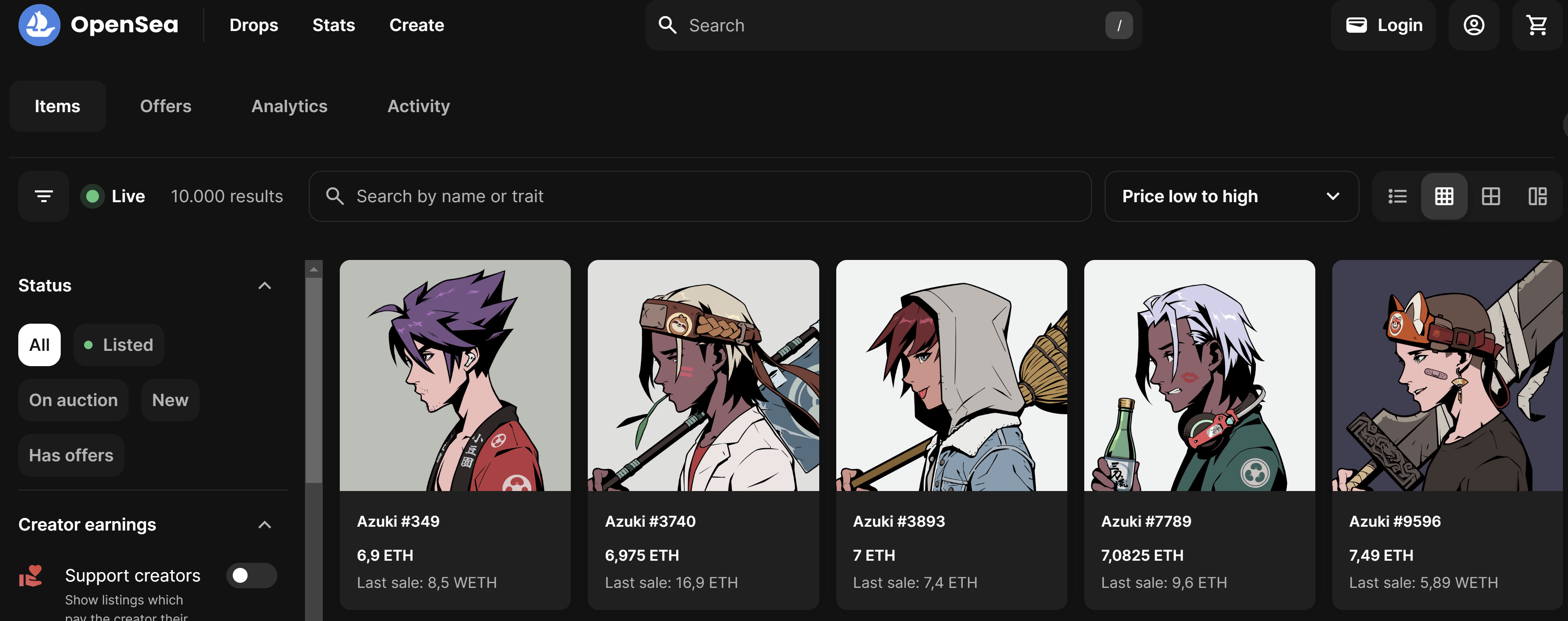
Developed by Chiru Labs, Azuki remains a cornerstone of anime-themed digital collectibles. Launched in January 2022, the 10,000-piece avatar collection quickly captured market share through high-grade artistic direction and an ambitious roadmap centered around decentralized community ownership. Subsequent ecosystem expansions, such as "Azuki Beanz" and the virtual immersive world Hilumia, highlight the project’s strategy to build a sprawling metaverse brand that bridges Web3 innovation with traditional entertainment branding.
Skyborne Legacy and Blockchain Gaming Integration
Representing the intersection of narrative-driven gaming and blockchain infrastructure, Skyborne Legacy—developed by Revolving Games—is rolling out an ambitious multi-platform trilogy. Utilizing the Polygon PoS protocol, the franchise incorporates NFT rewards through prologue experiences like Skyborne Genesis. By integrating "Immortal" NFTs and Nexian Gems, the project aims to establish early access mechanisms and utility-driven gameplay that reward dedicated community participation across web browsers, mobile devices, and PC MMORPG environments.
Bitcoin Ordinals: OrdiRocks and Bitcoin Punks
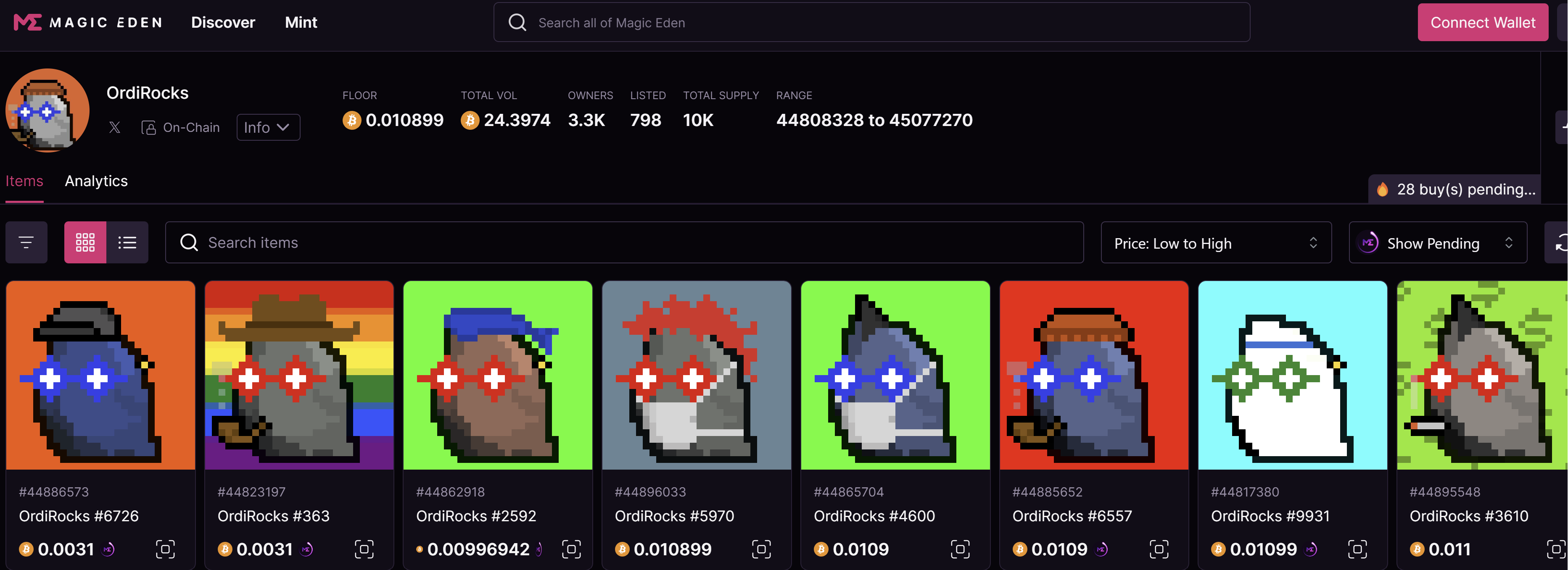
The introduction of the Bitcoin Ordinals protocol has fundamentally altered the paradigm of digital asset inscription. Unlike traditional Ethereum-based NFTs that frequently point to off-chain metadata, Ordinals encode raw file data—text, images, or code—directly onto individual Satoshis via Bitcoin’s Taproot upgrade. Collections such as OrdiRocks and Bitcoin Punks leverage this native capability to establish immutable digital artifacts directly on the world’s most secure blockchain network, drawing considerable trading volume and expanding the scope of Bitcoin beyond a mere store of value.
Emerging Blockchain Platforms: The Rise of Cardano NFTs
While Ethereum and Solana have historically dominated transaction volume, alternative layer-1 blockchains have carved out significant market share. The Cardano blockchain, utilizing a peer-reviewed Ouroboros proof-of-stake consensus mechanism, has emerged as a vibrant hub for digital collectibles.
Data aggregated by analytics platforms such as DappRadar highlights several Cardano-native collections driving substantial engagement:
- The Ape Society: Leading the Cardano ecosystem, this collection of digital ape portraits has experienced significant growth in both average trading price and secondary market volume, demonstrating sustained collector interest in Cardano’s smart contract capabilities.
- Toolheads: Characterized by steady user interaction and strong average pricing metrics, Toolheads reflects robust, foundational community demand within the Cardano NFT sector.
- Jellycubes – BIG: Featuring vibrant, cubic artistic designs, this collection maintains consistent active trader participation, underscoring the diversity of aesthetic preferences driving alternative blockchain networks.
The Evolution of Blockchain Gaming in 2024
The gaming sector represents one of the most substantial growth vectors for non-fungible tokens. Major titles launching or expanding through 2024 are redefining player engagement through true digital property rights.
- Illuvium: Marking a milestone for blockchain gaming, Illuvium launched on the Epic Games Store, introducing a AAA-quality open-world RPG built on Ethereum. Players explore alien landscapes and capture deity-like creatures tokenized as NFTs, enabling secure trading and competitive battling within a mainstream gaming storefront.
- BlockLords: Scheduled for broader releases through late 2024, this medieval grand strategy game incorporates NFT-based ownership for characters, lands, and feudal titles, enabling intricate economic and political gameplay mechanics.
- Guild of Guardians: Designed for mobile platforms, this squad-based action RPG implements a sustainable free-to-play model alongside blockchain integration, allowing players to craft and trade digital assets while lowering the barrier to entry for mobile-first gamers.
Methodologies for Discovering New NFT Projects
For collectors and investors seeking to evaluate upcoming mints and early-stage initiatives, industry experts recommend a disciplined, multi-faceted research approach:
- Community and Social Intelligence: Immersing oneself in platform ecosystems via X (formerly Twitter), Discord, and specialized forums allows participants to gauge project sentiment, developer transparency, and roadmap feasibility long before a public mint occurs.
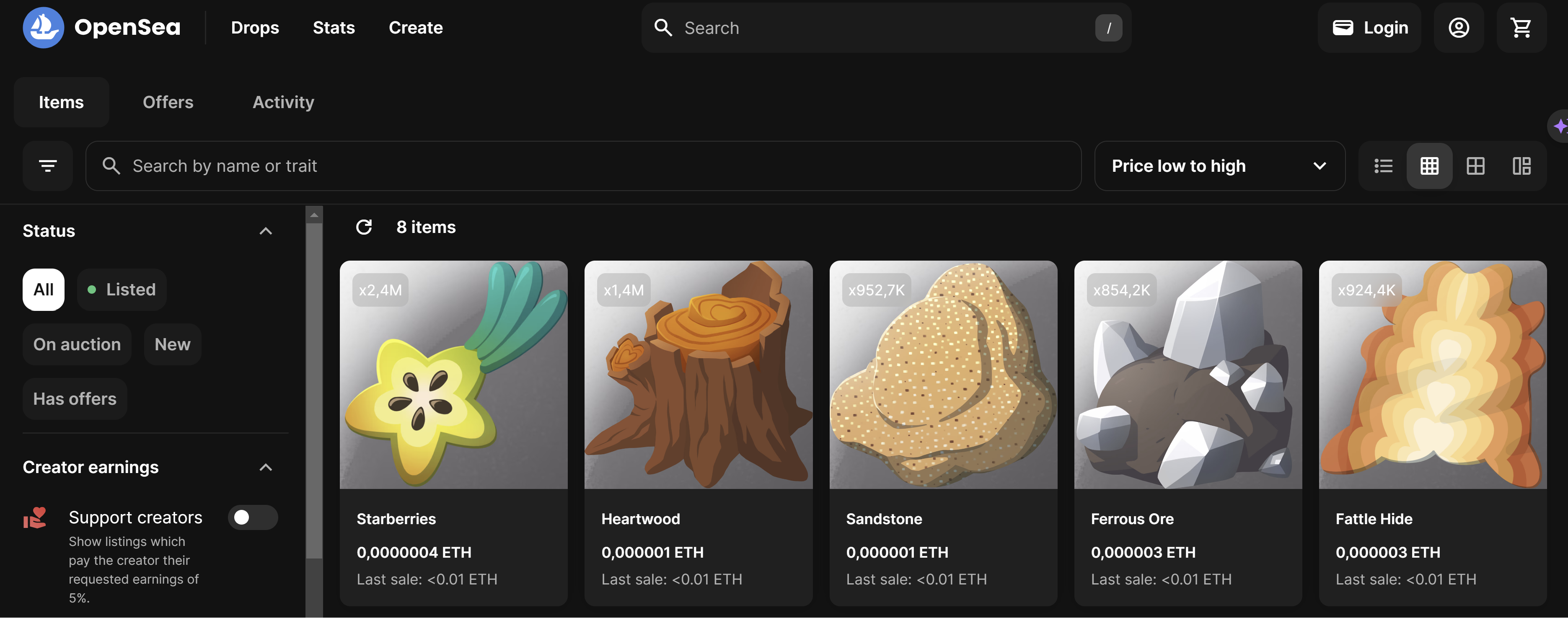
- Marketplace Analytics: Utilizing aggregator dashboards on platforms like OpenSea provides real-time visibility into trending collections, trading volume velocity, and secondary market liquidity metrics.
- Blockchain Data Tracking: Employing enterprise-grade analytics tools such as DappRadar enables users to monitor smart contract deployments, active wallet addresses, and cross-chain capital flows with granular precision.
- Curated Launchpads and Calendars: Monitoring verified mint calendars helps participants track scheduled drops, whitelist allocations, and primary sale events safely, mitigating the risk of interacting with malicious or fraudulent smart contracts.
Future Implications and Outlook
The trajectory of the non-fungible token sector points toward deeper convergence with institutional art markets, intellectual property licensing, and cross-chain interoperability. As regulatory frameworks crystallize across major global jurisdictions, institutional confidence in digital asset infrastructure is expected to strengthen.
Furthermore, advancements in generative artificial intelligence (AI), fractionalized ownership models, and eco-friendly consensus mechanisms are poised to address historical criticisms regarding energy consumption and market volatility. By shifting the core value proposition from short-term financial speculation to long-term utility, community governance, and immersive digital experiences, upcoming NFT projects are securing a permanent role in the architecture of the modern internet.