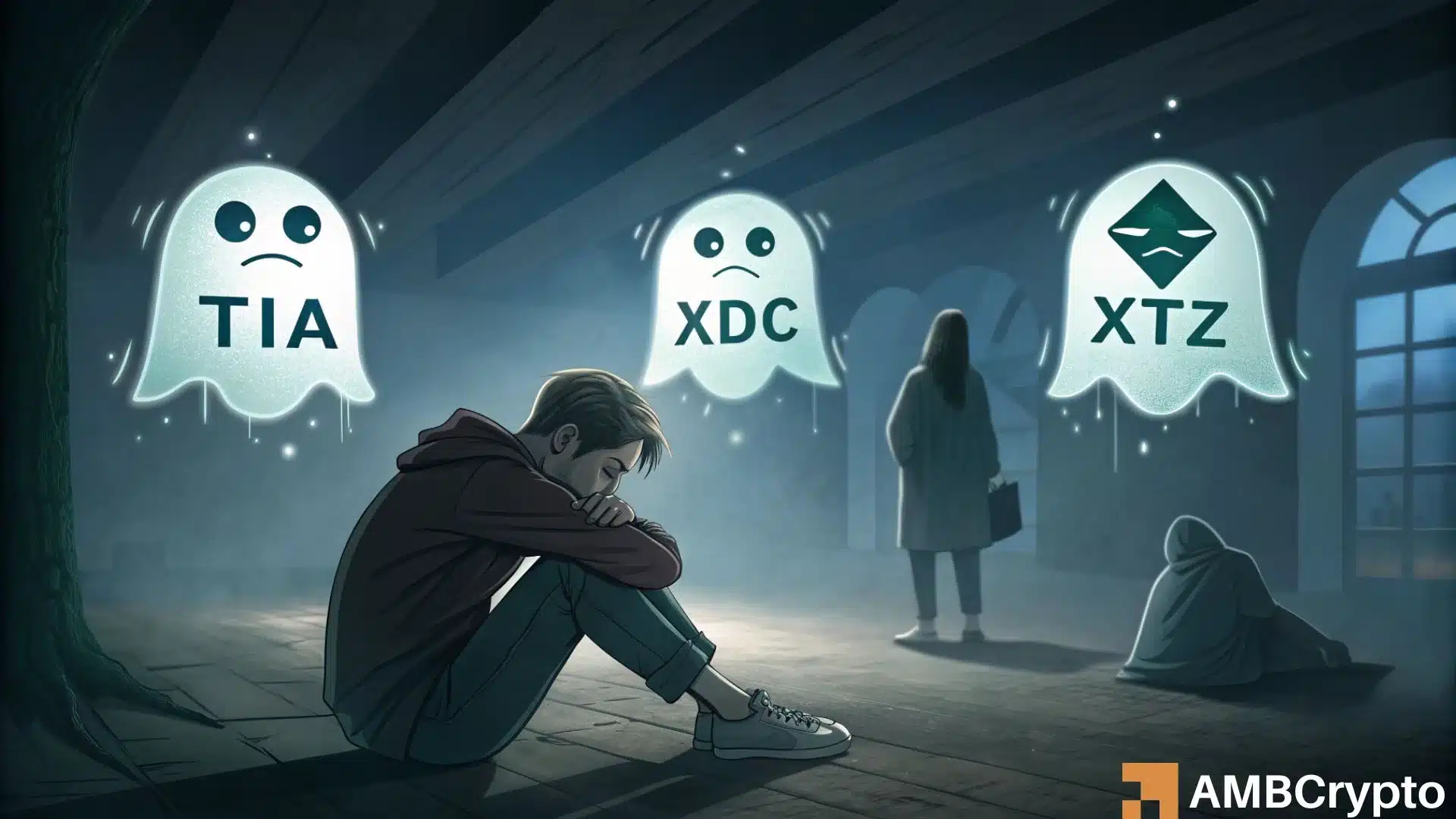
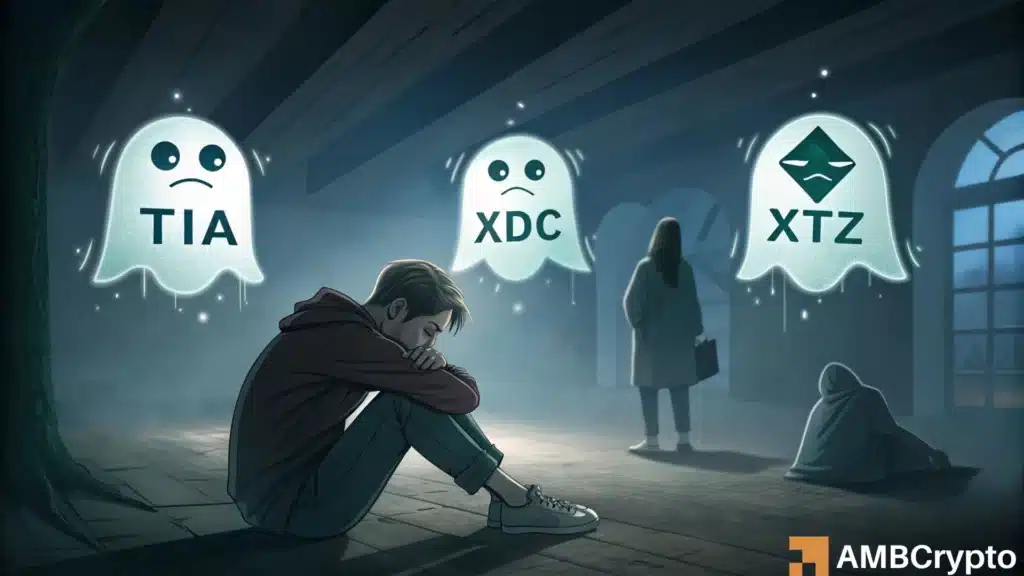
The rapid proliferation of blockchain infrastructure has reached a fever pitch, creating a fragmented landscape where the sheer volume of available networks often obscures the underlying reality of their usage. Data from DefiLlama currently tracks upwards of 500 distinct blockchain ecosystems, a figure that reflects both the democratization of layer-one and layer-two development and the increasing saturation of the digital asset market. While platforms like Alchemy identify approximately 64 chains that have managed to secure a notable foothold in terms of market capitalization, a widening chasm has emerged between these valuations and the actual, daily utility of these networks. This phenomenon, often described as the rise of "ghost chains," challenges the traditional investor thesis that high market capitalization serves as an accurate proxy for network health and adoption.
The Divergence of Valuation and Utility
For much of the crypto industry’s history, market capitalization—calculated by multiplying the circulating supply of a native token by its current price—has been the primary metric for assessing the success of a blockchain. However, recent performance trends suggest that this metric is increasingly decoupled from on-chain activity. Several projects that once commanded multi-billion dollar valuations have seen their active user bases erode, yet they retain significant residual market caps, often buoyed by speculative interest rather than protocol utility or decentralized application (dApp) growth.
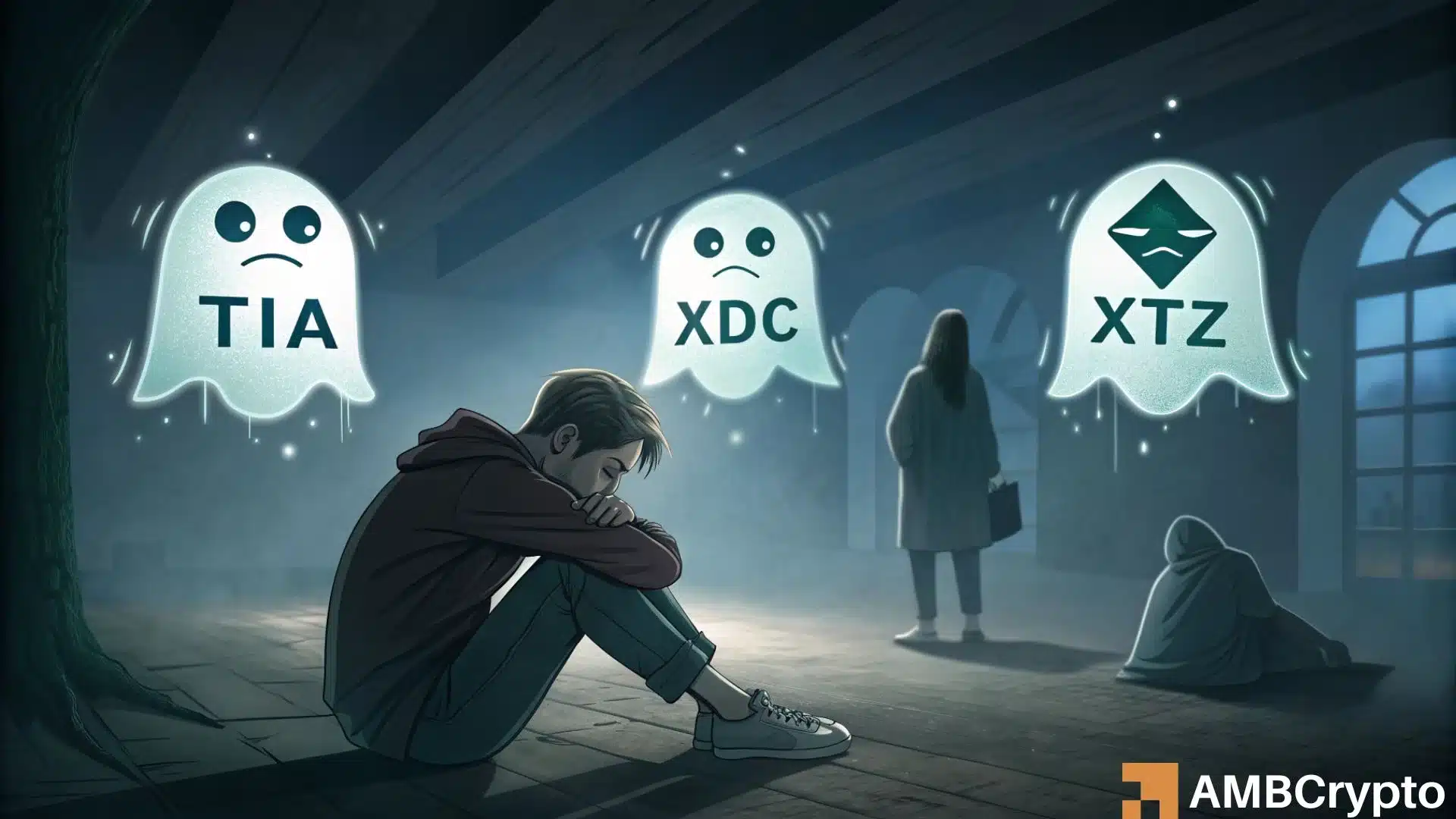
This decoupling creates a dangerous trap for market participants who conflate price stability with network adoption. When a blockchain experiences a sustained contraction in active addresses, it signals a potential decline in the network effect—the very mechanism that gives a blockchain its intrinsic value. Without a robust ecosystem of developers, liquidity providers, and end-users, these networks face a stagnation that eventually manifests as downward pressure on their native tokens.
A Chronology of Declining Engagement: Case Studies in Stagnation
The trend of diminishing user participation is not uniform, but it is observable across several prominent networks. A retrospective look at the performance of the XDC Network, Celestia, and Tezos reveals a recurring pattern: initial hype followed by a slow, systematic withdrawal of network participants.
XDC Network: The Shift from Utility to Volatility
The XDC Network (XDC) serves as a stark example of this divergence. At its peak, the project was positioned as a bridge between traditional finance and blockchain, attracting significant institutional interest. According to data from Token Terminal, the network saw its daily active addresses reach highs of approximately 288,000 in 2021. However, the subsequent years witnessed a profound contraction. By the current reporting period, daily active addresses had plummeted to roughly 16,000—a decline of more than 94% from the network’s zenith. This erosion of user base is mirrored in its market capitalization, which has retreated from the $2 billion threshold to approximately $644 million. The decline in transaction volume and user interaction has directly impacted the XDC token, which has recorded an annualized decline of 62.5%, illustrating that market sentiment eventually follows the reality of on-chain utility.
Celestia: The Struggle for Sustained Adoption
Celestia (TIA), a modular data availability network, has faced a different but equally challenging trajectory. After a period of intense interest in 2023 and early 2024, the network’s adoption metrics underwent a precipitous drop. Peak activity in 2024 saw active addresses hover around 36,000; however, current data indicates a collapse to approximately 1,200 active addresses. This 96.9% decline in user activity suggests a failure to retain the momentum generated during its launch phase. The impact on the TIA token has been severe, with its price falling 98.2% from its all-time high, currently struggling at the $0.35 level. The Celestia case demonstrates that even highly sophisticated technological architecture cannot survive without a consistent, growing user base to validate its utility.
Tezos: Revenue and Fee Contraction
Tezos (XTZ), one of the industry’s longest-standing networks, is also grappling with the realities of a shrinking ecosystem. Despite maintaining a market capitalization exceeding $400 million, the network has seen its core revenue metrics deteriorate. Artemis data indicates that fees and revenue on the Tezos chain have declined by 68% over the past year. In the world of decentralized finance, fees are a direct reflection of network demand—the more people use the network for smart contracts, minting, or transfers, the higher the fee revenue. A 68% drop in this metric is a clear indicator of reduced network participation. As with its counterparts, the XTZ token has suffered, falling 95% from its historical peak and sustaining a 47% decline over the last twelve months.
Factors Driving the Ghost Chain Phenomenon
The migration of users away from these established chains is driven by a confluence of factors, the most prominent being the "Flight to Quality." As the blockchain ecosystem matures, users and developers are gravitating toward networks that offer the most liquidity, the lowest transaction costs, and the most robust security models.

- Competitive Saturation: The rise of high-performance Layer-2 solutions on Ethereum, combined with the growth of alternative Layer-1 networks like Solana, has effectively cannibalized the market share of older or less agile chains.
- Incentive Exhaustion: Many of these networks relied heavily on liquidity mining programs and token grants to attract initial users. Once those incentives were exhausted, the mercenary capital moved to more lucrative opportunities, leaving behind a hollowed-out network with few organic users.
- Technological Obsolescence: The speed at which blockchain technology evolves is unforgiving. Networks that fail to upgrade their throughput, developer experience, or interoperability features quickly find themselves sidelined by newer, more efficient protocols.
Implications for the Digital Asset Market
The sustained decline in user base for projects like XDC, TIA, and XTZ serves as a warning for the broader market. It suggests that a high market capitalization can, in some cases, act as a "lagging indicator." While the price of a token might hold steady due to exchange listings, historical reputation, or speculative trading, the internal health of the network—measured by daily active addresses, transaction volume, and fee generation—tells a different story.
Investors and market analysts are increasingly looking toward "Value-Based Investing" in the blockchain space. This involves shifting focus away from speculative price action and toward metrics that define the real-world usage of the chain. Protocols that cannot demonstrate a clear path to network growth are finding it increasingly difficult to attract the institutional partnerships necessary for long-term survival.
Future Outlook: Can Ghost Chains Recover?
While the current data paints a pessimistic picture for these specific networks, it is not an irreversible condition. A rebound is theoretically possible if these networks can pivot their strategy to solve for their current deficiencies. For example, a resurgence in demand could be triggered by:

- Targeted Ecosystem Grants: Re-engaging developers to build "killer apps" that solve specific, real-world problems.
- Strategic Integrations: Partnering with traditional entities to bring real-world assets (RWA) or corporate infrastructure onto the chain.
- Technical Upgrades: Implementing major protocol improvements that drastically lower costs or enhance speed, thereby re-attracting the developer community.
However, the historical precedent is challenging. Once a network enters a "ghost chain" cycle, the cost of customer acquisition becomes exponentially higher. As the blockchain sector continues to consolidate, only those networks that can bridge the gap between their valuation and their actual, daily utility will emerge as the survivors of the next market cycle. The current data makes one thing clear: in the long term, the market will inevitably penalize networks that fail to foster genuine, organic user participation.