The cryptocurrency landscape is once again at a critical juncture, grappling with the perpetual tension between innovation and regulation. While the promise of decentralized finance and digital ownership continues to captivate investors and developers, the increasing scrutiny from global regulatory bodies is forcing a re-evaluation of core tenets, particularly the allure of anonymity offered by privacy coins. Recent legislative developments, coupled with a renewed focus on combating illicit financial activities, are casting a long shadow over assets designed for clandestine transactions, potentially reshaping their future in the digital economy.
The recent legislative push, particularly in the United States, signifies a significant pivot in how digital assets are perceived and managed. The implementation of stricter rules for cryptocurrencies, spearheaded by figures such as former President Donald Trump and his appointed crypto czar, David Sacks, signals a more assertive approach from the U.S. administration. This regulatory tightening comes at a particularly sensitive time for privacy coins, which have historically thrived on their ability to obscure transaction details. The implications of these new regulations are far-reaching, impacting not only the technical architecture of these coins but also their market viability and accessibility.
The impact of regulation on the crypto market is a complex, often contradictory phenomenon. On one hand, clearer and more robust regulatory frameworks can instill confidence in institutional investors, thereby attracting substantial capital and fostering market growth. This influx of "smart money" can lend legitimacy to the digital asset space. However, the flip side of this regulatory coin is the increased burden of compliance. For businesses and individuals operating within the crypto ecosystem, adhering to new rules can translate into higher operational costs, technical challenges, and a more intricate legal landscape.
This dichotomy was starkly illustrated by the recent legislative action concerning stablecoins. A proposed bill, aimed at bolstering financial system stability, introduced stringent regulations that led to significant market volatility. The potential ramifications for the global banking system, as perceived by market participants, created a ripple effect of concern. Even prominent figures within the industry, such as the CEO of Circle, a major stablecoin issuer, expressed discontent with the policy’s potential repercussions, highlighting the delicate balance regulators must strike.
Now, the same wave of regulatory uncertainty, often termed "FUD" (Fear, Uncertainty, and Doubt), is beginning to engulf privacy coins. The U.S. administration’s initiative to establish more rigorous rules for digital assets, with David Sacks playing a key role in shaping crypto policy, is directly impacting assets that are fundamentally designed around privacy and anonymity. The timing of these stricter regulations is particularly challenging, occurring at a moment when the market is already navigating the fallout from previous regulatory actions.

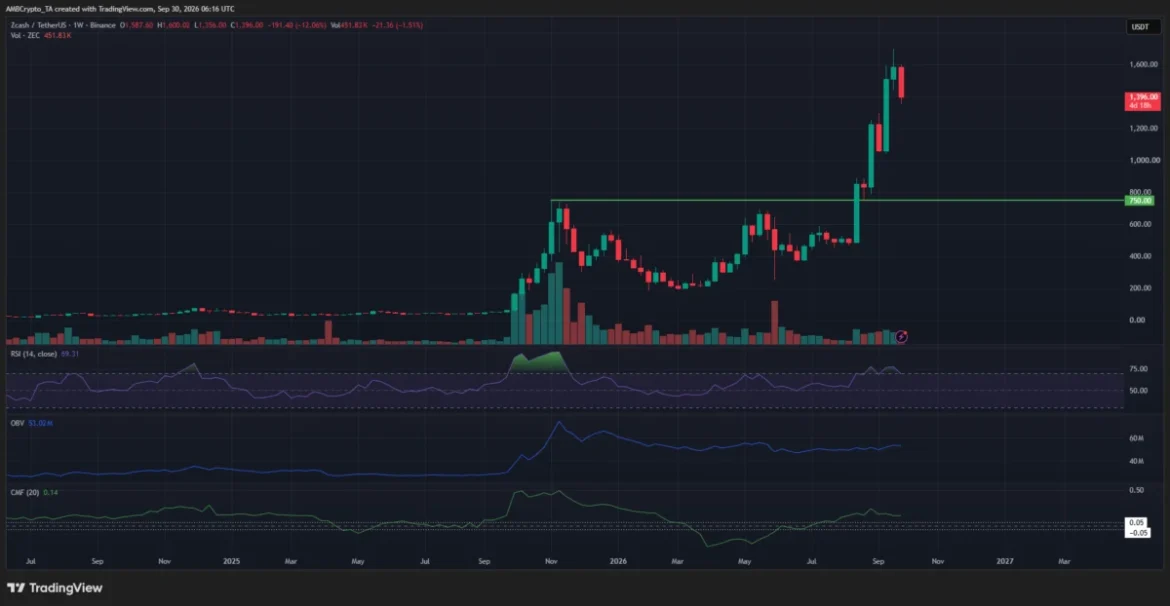
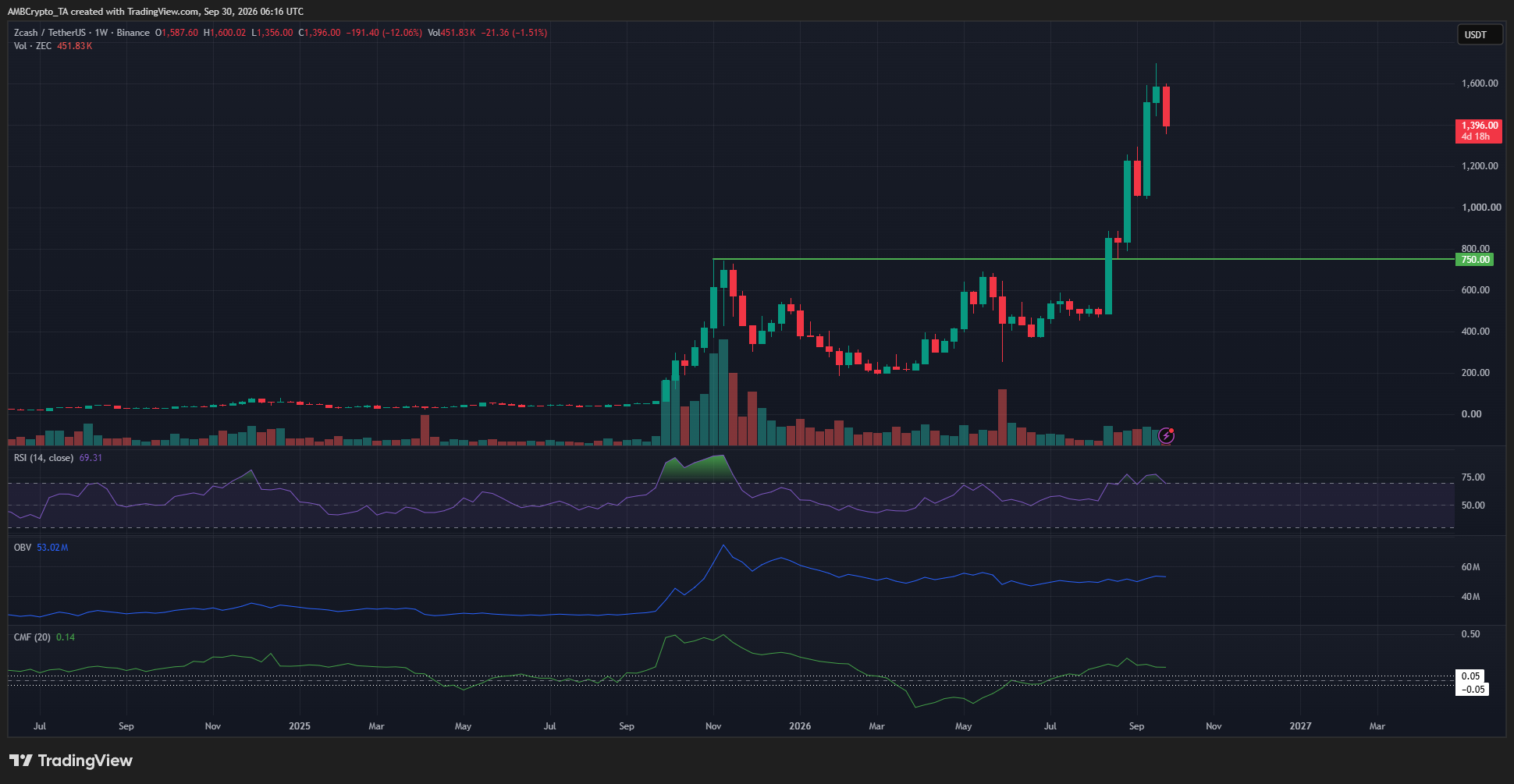
For context, the 2025 cryptocurrency cycle witnessed a remarkable resurgence for privacy-focused assets. Zcash (ZEC), a prominent privacy coin, experienced an astonishing rally of approximately 800%. This surge underscored the strong investor appetite for digital currencies that offered enhanced security and discretion, as individuals sought to protect their financial privacy in an increasingly digitized world. The ability to conduct transactions without revealing personal information or transaction details was a primary driver of this demand.
However, the landscape has dramatically shifted. In a move that reflects the growing regulatory pressure, cryptocurrency exchanges are beginning to delist privacy coins. Notably, exchanges in India have started removing Zcash and other privacy-centric assets from their platforms. This exodus raises a critical question: what has fundamentally changed to prompt such decisive action? The answer lies in the escalating regulatory environment and the associated compliance requirements.
The enforcement of Anti-Money Laundering (AML) and Know Your Customer (KYC) regulations, which are integral to preventing illicit financial activities, poses a direct challenge to the core functionality of privacy coins. These coins, by their very nature, are designed to obscure transaction details, making them difficult to trace by traditional financial oversight mechanisms. As regulatory bodies prioritize financial integrity and the prevention of money laundering and terrorist financing, assets that inherently resist transparency face increasing headwinds.
The consequences for privacy coins have been swift and significant. Zcash (ZEC) has already seen a substantial price decline, reportedly dropping by 45%. This downturn is a clear indicator that the market is reacting to the perceived risks associated with these assets in a tightening regulatory climate. The question on many investors’ minds is whether these regulatory pressures will escalate to a point where they effectively amount to a complete prohibition or "ban" on privacy coins.
The Erosion of Anonymity: Privacy Coins Under Regulatory Fire
The defining characteristic of privacy coins is their ability to offer anonymous transactions. This feature is not merely a technical novelty; it represents a fundamental appeal to a segment of the market that values financial privacy. In an era of increasing data collection and surveillance, the prospect of conducting digital transactions with a high degree of privacy is a powerful draw. Privacy coins promise a sanctuary for financial discretion, allowing users to transact without leaving an easily traceable digital footprint.
However, this core attribute is now directly confronting the evolving regulatory landscape. Under the latest U.S. policy framework, the Financial Crimes Enforcement Network (FinCEN), a bureau within the Department of the Treasury responsible for combating money laundering and terrorist financing, is intensifying its oversight of digital assets. The mandate is clear: to enforce compliance and safeguard the integrity of the financial system. This proactive stance means that assets that have historically operated outside the purview of traditional financial regulations are now squarely in the regulatory spotlight.

The implementation of AML and KYC rules is a critical component of this crackdown. These regulations are designed to identify and verify the identities of individuals and entities involved in financial transactions, thereby deterring illicit activities. For privacy coins, the requirement to adhere to these stringent standards presents an existential challenge. If privacy coins are compelled to implement mechanisms that allow for the identification of their users or the traceability of their transactions, their primary selling point – anonymity – is fundamentally compromised. This creates a paradox: to remain compliant, they must abandon the very feature that makes them attractive to their core user base.
The impact of this regulatory pressure is evident in market performance. The double-digit drops observed across major privacy coins on weekly charts are not isolated incidents but rather a direct consequence of the evolving regulatory environment. Monero (XMR), which has historically held the position of the largest privacy coin by market capitalization, has experienced a significant market value erosion, losing over $1 billion in a single week. This sharp decline has pushed its valuation back to levels not seen since the fourth quarter of the previous year, signaling a palpable loss of investor confidence.
From a technical and market perspective, investors are clearly exhibiting a high degree of apprehension. The uncertainty surrounding the future of privacy coins, coupled with the potential for further regulatory action, is prompting a sell-off as market participants de-risk their portfolios.
On the regulatory front, the concerted effort by the Trump administration and crypto czar David Sacks to impose AML and KYC rules on digital assets is gaining momentum. The prospect of federal enforcement of these regulations raises serious questions about the long-term viability of privacy coins in their current form. The possibility of a comprehensive "ban" on these assets, or at least severe restrictions on their use and accessibility, no longer seems like a distant theoretical concern but a tangible and imminent threat.
A Timeline of Regulatory Evolution and Market Reaction
The current regulatory climate surrounding privacy coins is not an overnight development. It represents an evolution in how governments and financial authorities perceive and address the risks associated with cryptocurrencies.
Early Days (Pre-2020s): In the nascent stages of cryptocurrency, the primary focus for regulators was on understanding the technology and its potential for innovation. Privacy coins, while existing, were often niche assets with limited market impact. Regulatory approaches were generally more permissive, with less emphasis on specific asset classes like privacy coins.

Growing Awareness and Initial Scrutiny (Early to Mid-2020s): As the cryptocurrency market grew in size and influence, so did concerns about illicit activities, including money laundering, sanctions evasion, and terrorist financing. Regulatory bodies began to pay closer attention to cryptocurrencies, with a particular focus on exchanges and the flow of funds. Initial regulatory actions often targeted exchanges for compliance failures rather than specific coin types. However, the inherent privacy features of coins like Monero and Zcash began to attract the attention of law enforcement agencies and financial intelligence units.
The Stablecoin Precedent (Recent Past): The recent legislative action concerning stablecoins served as a significant indicator of the direction regulatory policy is heading. The swift market reaction to the proposed bill and the vocal concerns from industry leaders demonstrated the potent influence of regulatory developments. This event likely emboldened regulators to address other perceived risks within the crypto ecosystem, including those posed by privacy coins.
The Trump Administration’s Regulatory Push (Present): The current administration’s focus on establishing stricter rules for digital assets, with David Sacks as a key advisor, marks a more aggressive phase of regulatory intervention. The emphasis on AML/KYC compliance is a direct challenge to the fundamental design of privacy coins. This has led to immediate market consequences, including price drops and exchange delistings.
Potential Future Scenarios (Outlook):
- Increased Delistings: As regulatory pressure mounts, more exchanges may choose to delist privacy coins to avoid compliance risks and potential penalties.
- Technological Adaptation: Developers of privacy coins might explore ways to incorporate optional compliance features or create new privacy-preserving technologies that are more amenable to regulatory oversight.
- Geographic Divergence: Regulatory approaches could vary significantly by jurisdiction. Some countries might adopt a more stringent stance, while others might maintain a more permissive approach, leading to a fragmented global market for privacy coins.
- Focus on Enforcement: Law enforcement agencies may increase their efforts to trace transactions on privacy coins, potentially leveraging new technological tools and international cooperation.
Supporting Data and Market Analysis
The recent market performance of leading privacy coins provides a stark quantitative illustration of the challenges they face.
- Monero (XMR): As previously noted, Monero has experienced a significant market capitalization decline, losing over $1 billion in value within a week. This represents a substantial portion of its total market cap and indicates a loss of investor confidence. Before this downturn, Monero had seen substantial gains in the preceding cycle, highlighting the volatility and sensitivity of these assets to market and regulatory shifts.
- Zcash (ZEC): Zcash has reportedly seen a 45% decrease in its price. This is a significant correction that brings its valuation down considerably, underscoring the broad impact of regulatory FUD across the privacy coin sector. The 800% rally observed in the 2025 cycle now appears to be under significant threat.
- Other Privacy Coins: While specific figures for smaller privacy coins are less readily available, the overall trend suggests widespread negative pressure. Coins like Dash, which incorporates privacy features, and other less prominent privacy-focused tokens are likely experiencing similar downward pressure as the market consolidates around perceived safer assets.
The technical analysis of charts for these coins reveals a pattern of sharp declines following announcements or perceived escalations of regulatory scrutiny. Trading volumes often spike during these periods, indicating increased selling pressure as investors react to the uncertainty.

Broader Impact and Implications
The regulatory crackdown on privacy coins has implications that extend beyond the immediate market performance of these assets.
- Impact on Financial Innovation: The drive for anonymity is a significant aspect of digital finance innovation. If privacy coins are effectively stifled, it could lead to a chilling effect on innovation in areas related to user privacy and data security within the broader blockchain space.
- Shift in Investor Sentiment: The current regulatory climate may push investors towards cryptocurrencies perceived as more compliant and less risky. This could lead to a further concentration of capital in established digital assets that have already navigated regulatory hurdles.
- Debate on Privacy vs. Security: The situation reignites the ongoing debate between the fundamental right to privacy and the societal need for security and the prevention of illicit activities. Regulators argue that absolute anonymity in financial transactions poses an unacceptable risk, while proponents of privacy coins emphasize the importance of financial freedom and protection against surveillance.
- Challenges for Developing Nations: In regions where access to traditional financial services is limited, cryptocurrencies, including privacy coins, can offer alternative means of financial inclusion. However, stringent regulations could limit these opportunities, potentially exacerbating existing inequalities.
- The Future of Decentralization: The increasing influence of centralized regulatory bodies on decentralized technologies raises questions about the true nature of decentralization in the cryptocurrency space. If core functionalities of decentralized assets can be dictated by external authorities, the long-term implications for the movement’s foundational principles are significant.
Final Thoughts
The cryptocurrency industry stands at a crossroads, facing the inevitable integration of digital assets into the global financial system. The current regulatory storm targeting privacy coins is not merely a market correction; it is a fundamental redefinition of what is acceptable and permissible in the digital economy. While the allure of anonymity remains a powerful driver for a segment of the market, the increasing demand for transparency and security from regulators is creating an environment where such features are under immense pressure.
The actions taken by the U.S. administration and the subsequent market reactions underscore a global trend towards greater oversight. Whether privacy coins can adapt to these new realities, perhaps by incorporating optional compliance features or finding new technological pathways to preserve privacy while meeting regulatory demands, remains to be seen. However, the current trajectory suggests a challenging period ahead, one that will likely reshape the landscape of digital privacy and financial freedom for years to come. The ultimate outcome will depend on the delicate balance between the inherent desire for privacy and the undeniable imperative for financial integrity and security.