The financial world is bracing for what promises to be a watershed moment in market history as SpaceX, the aerospace giant led by Elon Musk, prepares for its highly anticipated Initial Public Offering (IPO) on June 12. With a valuation target of $1.75 trillion, the company is set to debut on the Nasdaq exchange, aiming to raise $75 billion—a figure that would shatter the previous record set by Saudi Aramco. As institutional and retail investors reallocate capital to participate in this historic listing, the cryptocurrency sector, and Bitcoin in particular, finds itself at a critical juncture. Given that SpaceX holds approximately 18,700 BTC on its corporate balance sheet, the IPO is not merely a stock market event but a significant development for the broader digital asset ecosystem.
The Anatomy of the SpaceX IPO
The scale of the SpaceX offering is unprecedented. By issuing 555,555,555 shares at a price of $135 each, the company is positioning itself to become a cornerstone of the global equity markets. Market analysts have noted that the decision to disclose the share price well in advance of the listing date—a move that diverges from standard Wall Street protocols—has acted as a catalyst for heightened market engagement. Typically, companies maintain silence regarding exact pricing until the eve of the debut to mitigate volatility; however, SpaceX’s transparent approach has effectively built a surge of anticipation that has dominated financial news cycles for weeks.
The $75 billion capital raise is strategically designed to accelerate the company’s ambitious roadmap, which includes the scaling of the Starship program and the expansion of the Starlink satellite internet network. As the company transitions from a private entity to a publicly traded corporation, the regulatory scrutiny will increase, but so too will its access to institutional liquidity. For investors, this represents a rare opportunity to gain exposure to the aerospace and telecommunications sectors via a single, dominant player.
Chronology of the Market Pivot
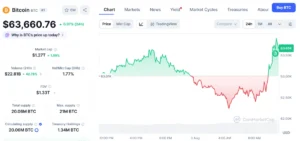
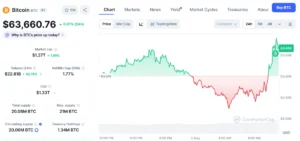
The lead-up to the June 12 listing has been marked by observable shifts in capital flow. Over the past several weeks, the broader cryptocurrency market has experienced a period of stagnation, with Bitcoin price action cooling off significantly. Market data indicates that this trend began to accelerate following the official announcement of the IPO pricing structure.
The correlation between the SpaceX IPO news cycle and recent crypto outflows is striking. On June 2, the Bitcoin Exchange-Traded Fund (ETF) market recorded its largest single-day net outflow, exceeding $500 million. Analysts suggest that this liquidity pull is indicative of a broader "risk-on" rotation. Investors, eager to secure positions in the upcoming SpaceX offering, have been liquidating more volatile assets, including Bitcoin, to bolster their cash reserves. This behavior is a common feature in financial markets when a high-profile "anchor" asset enters the public arena, forcing investors to weigh the long-term utility of crypto against the immediate growth potential of a trillion-dollar aerospace giant.
The Institutional Nexus: SpaceX and Bitcoin
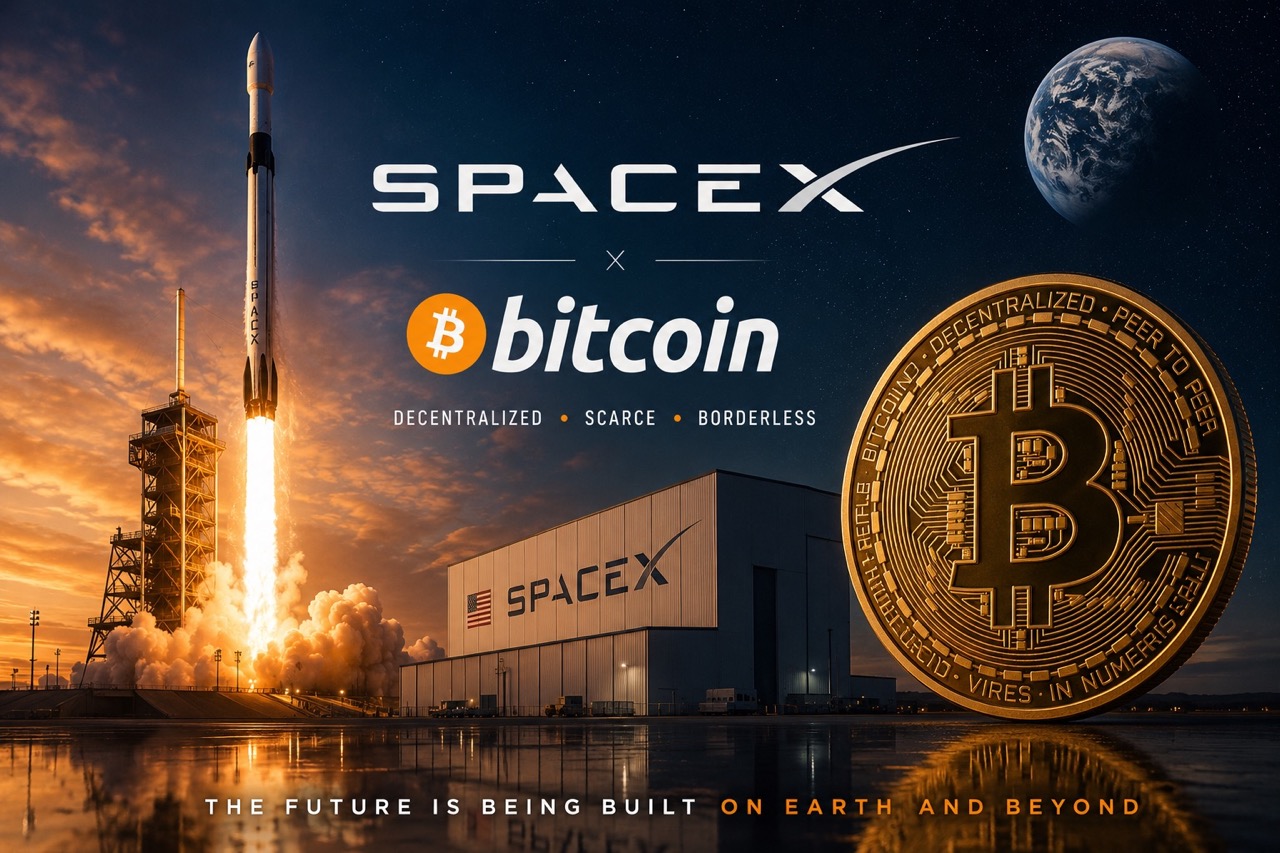
A unique aspect of this IPO is the direct intersection between corporate equity and digital assets. Unlike many traditional firms that remain skeptical of decentralized finance, SpaceX has maintained a consistent holding of 18,700 BTC, currently valued at approximately $1.3 billion. This places SpaceX among the largest corporate holders of Bitcoin globally, a status previously associated almost exclusively with firms like MicroStrategy.
The presence of Elon Musk at the helm of this enterprise adds a layer of complexity to the narrative. Musk has long been a polarizing yet influential figure in the crypto space, frequently moving markets with his public commentary on Bitcoin and Dogecoin. With SpaceX now entering the public domain, the company’s treasury management strategy will be subject to quarterly earnings reports and greater shareholder oversight. Investors will be closely watching whether the company maintains, expands, or divests its BTC holdings. Any signal from the company regarding its digital asset treasury will likely send ripples through the Bitcoin price charts, as the market looks to SpaceX as a bellwether for corporate Bitcoin adoption.
Bridging the Gap Between Crypto and Equity Markets
The impact of the SpaceX IPO extends beyond simple capital rotation; it is fundamentally altering the infrastructure of investment. In a sign of the times, crypto-native platforms such as Coinbase and Kraken have launched pre-IPO perpetual futures, allowing crypto holders to gain synthetic exposure to the SpaceX stock without having to off-ramp into traditional fiat banking systems.
This development is significant because it highlights a growing trend: the convergence of the crypto and stock markets. Platforms like Binance have already begun facilitating direct exposure to traditional equities for crypto users, effectively breaking down the silos that once separated these asset classes. By integrating SpaceX stock into the crypto trading landscape, these exchanges are effectively signaling that the future of finance is hybrid. While traditional regulators may remain wary, the market demand for such products suggests that investors are increasingly comfortable managing a portfolio that balances legacy equity with digital assets.

Broader Market Implications
The transition of SpaceX into a public company creates a "multiplier effect" for market volatility. On one hand, the influx of $75 billion in capital into a single equity will likely drain liquidity from other sectors in the short term. This explains the recent pressure on Bitcoin and the broader altcoin market. However, from a long-term perspective, the inclusion of a company as forward-thinking as SpaceX in the Nasdaq index could validate the technology-driven investment thesis that has historically supported Bitcoin.
Furthermore, if the SpaceX IPO performs as projected, it could trigger a "wealth effect," where early investors see significant gains, eventually rotating that profit back into the crypto market once the initial volatility of the IPO subsides. This cyclical behavior has been seen in previous major tech listings, where early gains from a high-profile IPO eventually find their way into more speculative asset classes as investors look for higher yield.
Economic Context and Risk Assessment
While the hype surrounding the IPO is intense, analysts advise caution. The valuation of $1.75 trillion implies a significant premium on the company’s future earnings. The aerospace industry is notoriously capital-intensive and subject to regulatory, environmental, and technological risks. Investors are warned that a "buy the rumor, sell the news" scenario could unfold if the IPO price is perceived to be overvalued, which could lead to a rapid market correction.
For the crypto sector, the primary risk remains the loss of market share. If the SpaceX IPO captures the imagination of the retail public to the extent that it becomes the primary vehicle for growth in the tech sector, Bitcoin may struggle to reclaim its momentum in the short term. Conversely, if the stock shows high volatility, investors might return to the relative stability and decentralized nature of Bitcoin sooner than expected.
Conclusion
The SpaceX IPO represents a pivotal moment in the current financial cycle. It is a test of investor appetite for high-valuation tech assets and a litmus test for the resilience of the cryptocurrency market in the face of intense competition for capital. Whether this event marks a temporary setback for Bitcoin or the beginning of a new era of corporate-crypto synergy remains to be seen. What is certain is that the market is watching closely. As June 12 approaches, the intersection of space exploration, corporate finance, and digital assets is set to provide one of the most compelling case studies in modern market history, serving as a reminder that in the interconnected world of finance, every major move in the legacy sector inevitably reverberates through the digital frontier.