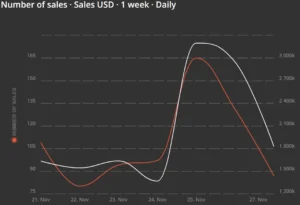
The long-standing and often volatile rivalry between former UFC champions Conor McGregor and Khabib Nurmagomedov has reignited, this time shifting from the Octagon to the volatile world of digital assets. The latest dispute centers on the launch of a series of non-fungible tokens (NFTs) inspired by the "papakha"—the traditional wool hat that became synonymous with Nurmagomedov’s image throughout his undefeated professional career. The controversy erupted after social media reports suggested the collection generated approximately $4.4 million in sales, shortly followed by the deletion of promotional materials from Nurmagomedov’s official channels.
The accusations leveled by McGregor represent a significant escalation in their personal conflict, moving beyond athletic competition into the realm of financial ethics and integrity. As the cryptocurrency and digital collectibles market faces increased regulatory scrutiny, the public clash between two of the world’s most prominent combat sports figures highlights the ongoing tensions regarding celebrity-endorsed digital assets.
The Genesis of the Conflict: From Octagon to Blockchain
The roots of the current feud trace back to the intense personal animosity that culminated in their 2018 UFC 229 bout. However, the current digital skirmish is rooted in the intersection of celebrity branding and the decentralized finance (DeFi) sector. Nurmagomedov, who retired from professional mixed martial arts in 2020 with an unblemished 29-0 record, has sought to leverage his cultural heritage and global brand in various post-fighting ventures.
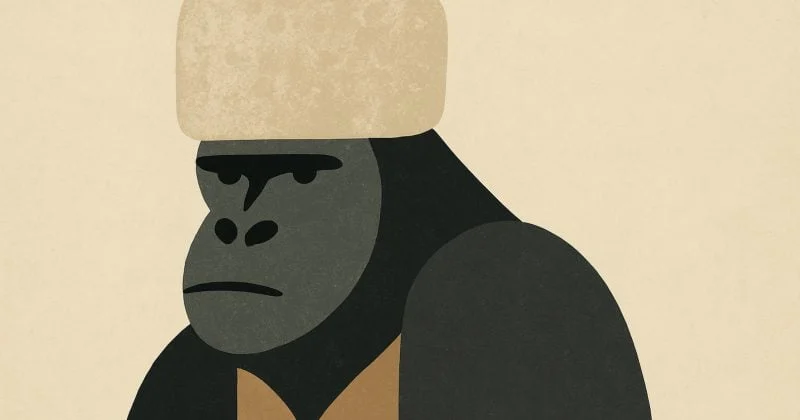
The papakha-themed NFT collection was marketed as a digital tribute to Dagestani culture, utilizing the iconic imagery of the shepherd’s hat that Nurmagomedov famously donned during walkouts and post-fight celebrations. By tokenizing this symbol, the project aimed to capitalize on the athlete’s massive, loyal fanbase. However, the subsequent deletion of social media posts associated with the launch—conducted after the reported $4.4 million in proceeds were secured—triggered immediate alarm among investors and critics alike.
McGregor’s Allegations and Public Accusation
Conor McGregor, never one to shy away from confrontational rhetoric, took to the social media platform X (formerly Twitter) to launch a blistering critique of his former rival. McGregor’s central argument is that the deletion of promotional content constitutes a "rug pull" or a "scam," suggesting that Nurmagomedov leveraged his late father’s legacy to deceive his supporters.
"There is just no way good guy Khabib used his late father’s name, as well as Dagestan’s culture, to scam his fans and fire sell a bunch of digital NFTs online and then delete all of the content after they were sold, leaving his fans robbed of their money?" McGregor wrote.
By framing the action as a "stain" on the legacy of Abdulmanap Nurmagomedov—Khabib’s father and trainer who passed away in 2020—McGregor targeted the former champion’s most sensitive personal connection. The rhetoric used by the Irishman suggests a calculated attempt to undermine the moral high ground that Nurmagomedov has historically occupied in their rivalry.
Nurmagomedov’s Rebuttal and the Defense of Digital Assets
Nurmagomedov did not remain silent, responding to the allegations by labeling McGregor an "absolute liar." The former champion’s camp has maintained that the NFTs were intended as legitimate digital collectibles rather than a speculative financial scheme. According to representatives for the project, the tokens were designed to serve as "digital gifts" intended to commemorate the values and traditions of Dagestan, offering holders potential access to future community-exclusive content or utility within a broader ecosystem.
Nurmagomedov’s defense suggests that the deletion of posts was not an attempt to conceal evidence of wrongdoing, but rather a standard phase-out of a limited-time marketing campaign. He characterized McGregor’s intervention as a desperate attempt to stay relevant years after their high-profile clash, suggesting that the "Notorious" one’s criticism is motivated more by lingering resentment than by any genuine concern for consumer protection.
A Chronology of the Dispute
The timeline of the controversy provides insight into the rapid escalation of the situation:
- Launch Phase: The papakha-inspired NFT collection is released to the public, heavily marketed through Nurmagomedov’s social media channels, emphasizing cultural pride and historical significance.
- Sales Window: Reports emerge via blockchain analytics and social media tracking that the collection generated approximately $4.4 million in primary sales.
- The Purge: Shortly after the funding goal is reached, the promotional content is scrubbed from Nurmagomedov’s official profiles, triggering speculation among fans and NFT analysts.
- McGregor’s Intervention: Conor McGregor publicly labels the venture a "scam" and accuses the former champion of exploiting his father’s name for profit.
- Official Denial: Nurmagomedov responds, dismissing the claims as defamatory and asserting the legitimacy of the digital asset project.
Contextualizing Celebrity NFT Ventures
The friction surrounding this project is not an isolated incident in the world of professional sports. Over the past four years, numerous high-profile athletes have entered the Web3 space, often with mixed results. The volatility of the NFT market has led to significant financial losses for many retail investors, resulting in a wave of class-action lawsuits targeting celebrity endorsers who failed to disclose the risks associated with such ventures.
Conor McGregor himself is no stranger to the complexities of the crypto market. He previously entered into a partnership with Real World Gaming DAO to launch the "REAL" meme token. The project was intended to blend the viral nature of meme coins with the practical utility of decentralized autonomous organizations. However, the project failed to meet its presale financial targets, leading the team to initiate a full refund process for all bidders. This experience gives McGregor a unique, albeit complicated, perspective on the risks and pitfalls inherent in digital asset launches.
Fact-Based Analysis of the Implications
The public spat highlights several critical issues currently facing the intersection of sports marketing and digital finance:
- Transparency Requirements: The swift deletion of promotional content is a common point of contention in digital asset regulation. When promotional material is removed after a sale, it complicates the ability of regulators or users to verify the initial marketing promises made to buyers.
- Reputational Risk: For a figure like Nurmagomedov, whose brand is built on a foundation of discipline, family, and religious adherence, accusations of "scamming" fans present a significant reputational threat. Even if the project is technically legitimate, the optics of deleting content after a multimillion-dollar windfall can prove damaging to long-term commercial credibility.
- The "Celebrity Halo" Effect: Fans often view digital collectibles through the lens of their loyalty to the athlete, rather than as a financial product. This creates an asymmetric information environment where buyers may overlook standard investment risks due to their emotional connection to the promoter.
Broader Impact on the MMA Community
The fallout of this controversy extends beyond the two athletes, signaling a growing fatigue within the MMA community regarding crypto-promotions. Many fans have expressed frustration that icons of the sport are utilizing their platforms to push volatile digital assets, particularly those that lack clear, long-term utility.
The incident is also likely to influence how future UFC fighters and retired champions approach digital entrepreneurship. As regulatory bodies like the Securities and Exchange Commission (SEC) in the United States and similar agencies in Europe tighten oversight on "influencer-led" crypto projects, athletes may find themselves under increased pressure to provide full financial disclosures and transparency regarding their involvement in such ventures.
Conclusion: A Legacy Defined by More Than Results
The feud between Conor McGregor and Khabib Nurmagomedov continues to be one of the most compelling narratives in modern sports, serving as a reflection of their clashing personalities and divergent paths in retirement. Whether the papakha NFT collection ultimately proves to be a well-intentioned, albeit poorly managed, project or a genuine attempt to capitalize on fan loyalty remains a point of intense debate.
For now, the situation serves as a cautionary tale for both the public and the athletes involved. In the digital age, a brand is not merely built on the outcomes of athletic competition, but on the transparency and ethics displayed in every commercial endeavor. As the dust settles on this latest confrontation, the fans are left to decide whether these digital assets are lasting symbols of a champion’s legacy or merely another instance of the high-stakes, high-risk financial games that have come to define the modern influencer economy. Both McGregor and Nurmagomedov remain figures of immense global influence; how they navigate these accusations will undoubtedly shape the public perception of their post-fighting careers for years to come.