The native ecosystem token of the rapidly expanding non-custodial cryptocurrency application Best Wallet, known as BEST, officially made its debut on prominent centralized digital asset exchanges KuCoin and MEXC. This milestone follows what market analysts categorize as one of the most successful presale events for a cryptocurrency wallet utility token within the sector. Capitalizing on the momentum of this exchange listing, the project’s development team announced the rollout of its inaugural utility enhancement framework, designated as the Early Access Perks program, designed to incentivize early-stage supporters and long-term ecosystem participants.
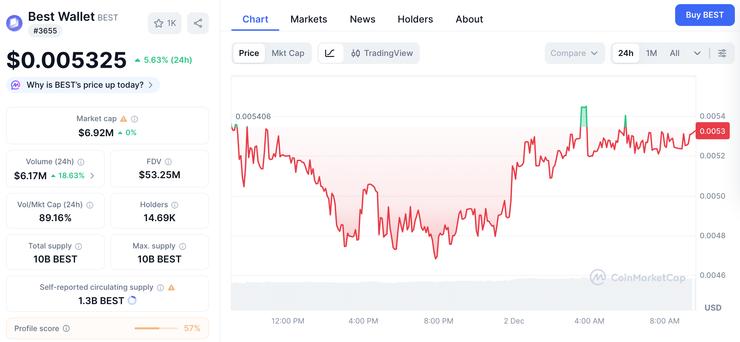
Market response to the dual exchange listing and utility announcement has been positive. Following a minor post-listing price correction typical of newly distributed assets, the valuation of the BEST token rebounded upward by over 5% within a 24-hour trading window. At the time of reporting, the token maintains a trading price of approximately $0.0053, supported by growing transaction volumes and sustained retail investor interest across both supported platforms and the native application interface.
Introduction to the Early Access Perks Program
The formal introduction of the Early Access Perks program represents a strategic shift for Best Wallet from a pre-launch fundraising model to a fully operational, utility-driven ecosystem. According to an official statement published across the project’s verified social media channels, including its X (formerly Twitter) profile, the program specifically targets holders who demonstrate long-term commitment to the platform—colloquially referred to within the community as "diamond hands."
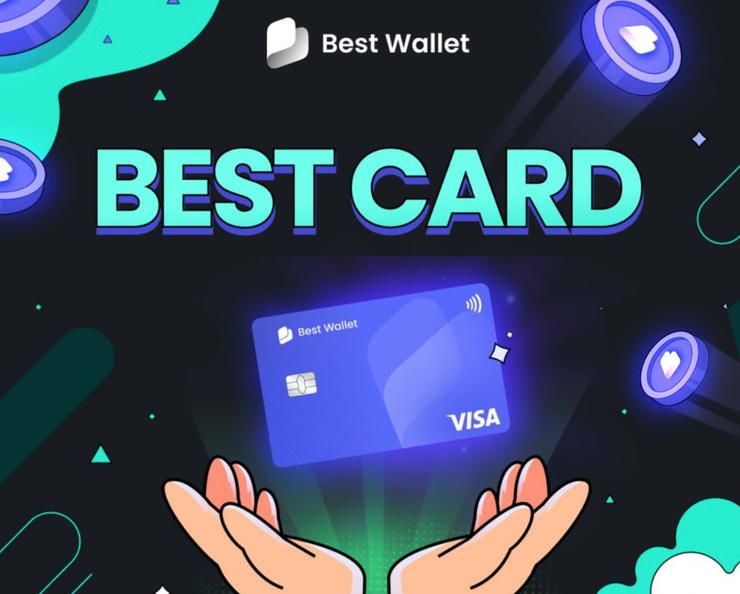
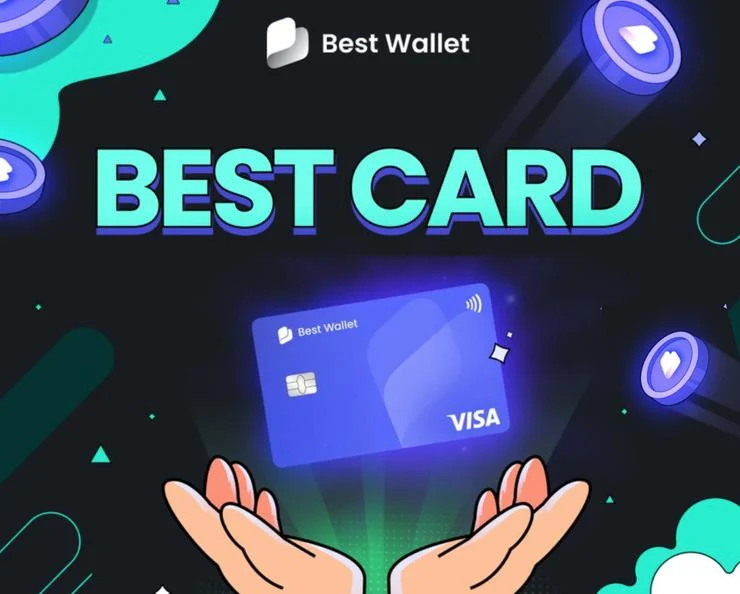
Holders who retain their BEST tokens in anticipation of the upcoming rollout of the proprietary Best Wallet debit card, termed the Best Card, unlock a tiered structure of exclusive financial and functional advantages. This initiative is structured to reward early adopters before mainstream market integration occurs.
The foundational benefit delivered through the program is priority access to the Best Card issuance queue. This mechanism enables approved users to activate and utilize the payment card immediately upon launch, facilitating seamless cryptocurrency expenditures at global point-of-sale terminals without the requirement for manual asset conversions or transaction delays. Furthermore, the platform has guaranteed a whitelist slot for physical card distribution, ensuring that early supporters secure hard copies of the payment card without incurring standard issuance fees.
The third major component of the initial perk rollout centers on elevated cashback tiers. By aligning token retention and staking duration with card usage, participants receive scaled rewards that outpace standard baseline distributions, thereby incentivizing structural liquidity retention within the network.
Integration of Cryptocurrencies into Daily Commerce
The development of the Best Card underscores a broader industry trend toward bridging decentralized finance (DeFi) with traditional retail payment rails. As an increasing number of global merchants and payment processors adopt digital currencies as a recognized medium of exchange, non-custodial wallet providers are aggressively developing hardware and software bridges to facilitate frictionless spending.

By eliminating intermediate conversion steps, initiatives like the Best Card mitigate traditional friction points associated with retail crypto adoption, such as high network fees and settlement latency. Analysts note that tying these payment mechanisms directly to native governance and utility tokens creates a closed-loop economic model where holding the asset yields tangible, real-world purchasing power.
Market Performance and Valuation Analysis
Following its initial deployment on KuCoin and MEXC, the BEST token experienced standard initial market volatility before establishing a stable price floor. Data aggregators such as CoinMarketCap indicate that the token appreciated by approximately 5.63% over a 24-hour observation period, trading near the $0.0053 mark.
This price recovery reflects growing confidence among retail and institutional market participants who view the transition from a speculative presale asset to a functional ecosystem token as a critical value driver. Beyond the promotional benefits highlighted for the upcoming card launch, holding BEST unlocks a comprehensive suite of advanced functionalities within the Best Wallet application.
Users maintaining qualifying balances of the token gain access to enhanced portfolio management tools, multichain transaction capabilities, decentralized exchange (DEX) aggregators, cross-chain bridging infrastructure, and upcoming proprietary DeFi yield-generation instruments. This multi-layered utility model provides fundamental economic backing that distinguishes the asset from purely speculative tokens lacking functional integration.
Ecosystem Expansion and Technical Infrastructure
Best Wallet has established itself as a prominent multi-chain, non-custodial wallet solution within the Web3 sector. The platform currently extends native support to over 60 distinct blockchain networks, allowing users to manage, store, and trade thousands of digital assets through a unified interface. A core pillar of the platform’s user acquisition strategy is its commitment to accessibility, offering frictionless onboarding processes that do not mandate mandatory Know Your Customer (KYC) procedures for basic wallet creation.
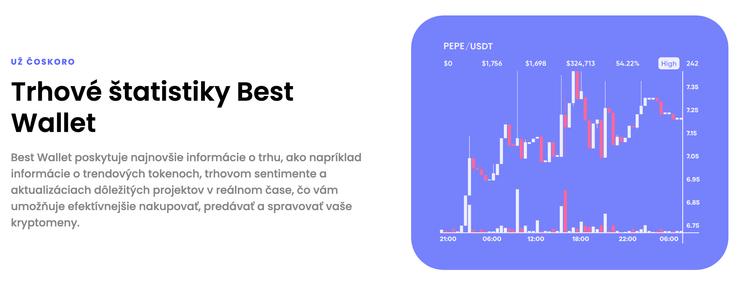
Looking forward, the project’s roadmap details an aggressive expansion schedule designed to integrate sophisticated financial tools into a streamlined mobile environment. Planned developments include advanced technical analysis suites, an integrated decentralized exchange aggregator, a dedicated non-fungible token (NFT) gallery, comprehensive market statistics dashboards, and advanced conditional trading orders. Additionally, developers are actively engineering desktop browser extensions to complement the existing mobile architecture.
Security remains a foundational focus for the platform. Private keys are stored locally on the user’s device, fortified by advanced cryptographic protocols. Notably, Best Wallet integrated Fireblocks’ Multi-Party Computation (MPC-CMP) technology, bolstered by comprehensive institutional-grade insurance coverage for digital assets held within supported structures. This infrastructure is supplemented by client-side security measures, including biometric authentication, two-factor authentication (2FA), customizable PIN codes, and standard 12-to-24-word recovery seed phrases designed to protect against device loss or hardware failure.
To facilitate user capital inflows, the application supports 14 distinct fiat-to-crypto payment methods, ranging from traditional debit cards and bank transfers to prominent electronic wallets and financial technology gateways such as PayPal, Google Pay, Apple Pay, and Revolut. Through integration with the Onramper aggregation engine, the application dynamically scans global liquidity providers to secure optimal exchange rates for users purchasing cryptocurrencies directly within the interface.
Strategic Implications of Major Exchange Listings
The successful listing of the BEST token on centralized exchanges like MEXC and KuCoin marks a critical inflection point for the project, signaling its graduation to broader secondary market liquidity. However, project executives frame these initial listings as merely the opening phase of a wider market penetration strategy.
Given the accelerating expansion of the platform’s user base and the systematic rollout of its core utility products—most notably the Best Card and advanced DeFi toolkits—market observers anticipate potential secondary listings on additional Tier-1 cryptocurrency exchanges in the near future.
The current valuation of the BEST token presents an accessible entry point for market participants seeking exposure to the ecosystem prior to the deployment of its primary commercial applications. As the digital asset landscape continues to mature, projects that successfully unify self-custodial security, advanced trading infrastructure, and real-world payment utility are positioned to capture significant market share within the competitive Web3 application sector.