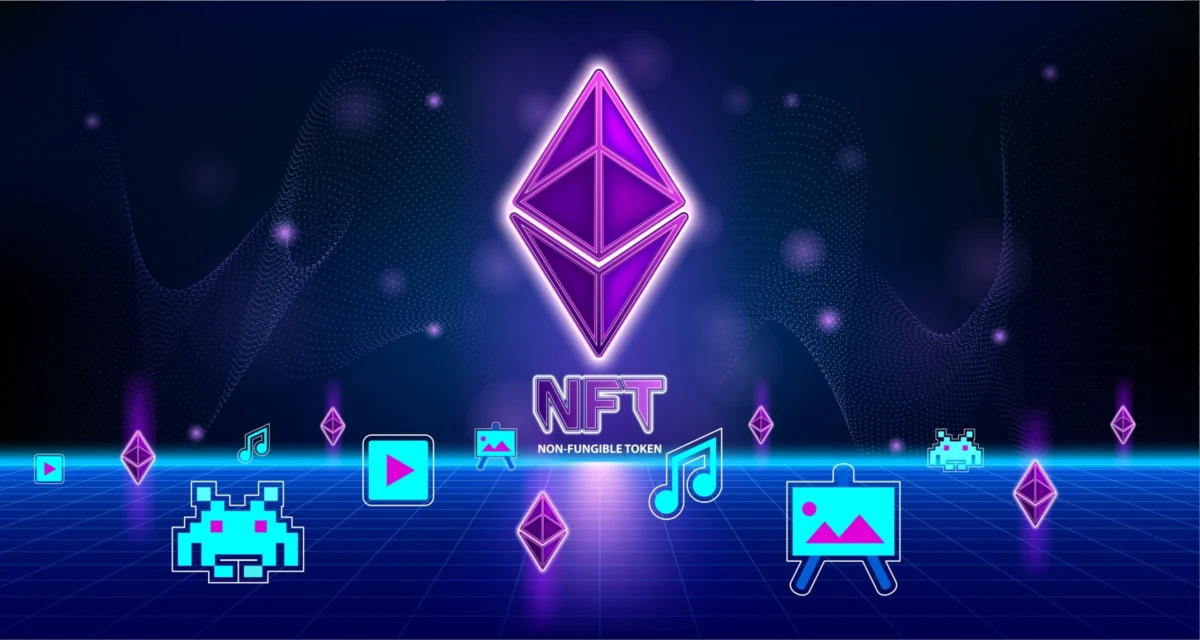
The digital asset landscape has undergone profound transformations over the past several years, with Non-Fungible Tokens (NFTs) emerging as one of the most polarizing innovations of the blockchain era. Initially heralded as a revolutionary method for verifying digital ownership and empowering artists, NFTs quickly captured global attention, trading for millions of dollars and driving mainstream speculation. However, the subsequent market correction left countless investors holding illiquid, unsellable assets and facing severe regulatory and technical hurdles. This reality has forced a critical reassessment across financial, legal, and artistic communities, raising the pressing question: Why are NFTs bad, and what went wrong in the evolution of this technology?
To understand the current skepticism surrounding NFTs, it is necessary to examine their underlying mechanics and the rapid trajectory of the market. NFTs are cryptographic tokens deployed on decentralized ledgers, most notably Ethereum, that certify the authenticity and uniqueness of a digital item. Unlike fungible cryptocurrencies such as Bitcoin or Ethereum, which can be exchanged on a one-to-one basis, each NFT is structurally distinct. Proponents argued that this technology finally solved the internet’s age-old problem of infinite replicability, giving creators a verifiable tool to monetize digital art, music, collectables, and virtual real estate.
Yet, the meteoric rise of the NFT market between 2020 and 2022 was swiftly followed by a dramatic downturn, revealing deep-seated structural vulnerabilities. Market data indicates that a vast majority of once-hyped collections have lost nearly all of their trading volume, rendering many digital assets completely illiquid. This phenomenon has exposed investors to significant financial losses and sparked intense debates regarding market manipulation, wash trading, and the creation of speculative bubbles.

Technical challenges further compound the issues facing digital asset holders. While proponents emphasize the immutability of blockchain technology, the reality of digital storage is often more fragile. Many NFTs do not actually store the underlying artwork or media on the blockchain itself; instead, they contain a hyperlink pointing to an external server or decentralized storage protocol like IPFS. If the hosting server goes offline, fails to renew its domain, or if the project creators abandon the infrastructure, the token simply points to a broken link. This dependency on centralized off-chain components directly contradicts the decentralized ethos of blockchain technology and threatens the long-term longevity of digital collections.
Beyond technical vulnerabilities, the legal ambiguity surrounding NFTs has created a minefield for creators, buyers, and regulatory bodies alike. One of the most common misconceptions among everyday consumers is the conflation of token ownership with copyright ownership. When a buyer purchases an NFT, they generally acquire ownership of the cryptographic token itself, but they rarely receive the legal copyright to reproduce, distribute, or commercially exploit the underlying digital art. This disconnect frequently leads to intellectual property disputes and leaves buyers uncertain of their actual legal entitlements.
International regulatory frameworks have also struggled to keep pace with the rapid proliferation of digital assets. Financial watchdogs worldwide are increasingly scrutinizing NFTs to determine whether certain tokens should be classified as securities or commodities. In prominent enforcement actions, regulatory agencies such as the U.S. Securities and Exchange Commission (SEC) have charged issuers with conducting unregistered offerings of crypto-asset securities. Such legal maneuvers subject issuers to stringent regulatory requirements, registration obligations, and anti-money laundering compliances, creating an environment of heightened regulatory uncertainty. Furthermore, the decentralized and borderless nature of NFT marketplaces often leaves defrauded consumers with limited legal recourse, as traditional consumer protection mechanisms do not easily apply to cross-border blockchain transactions.
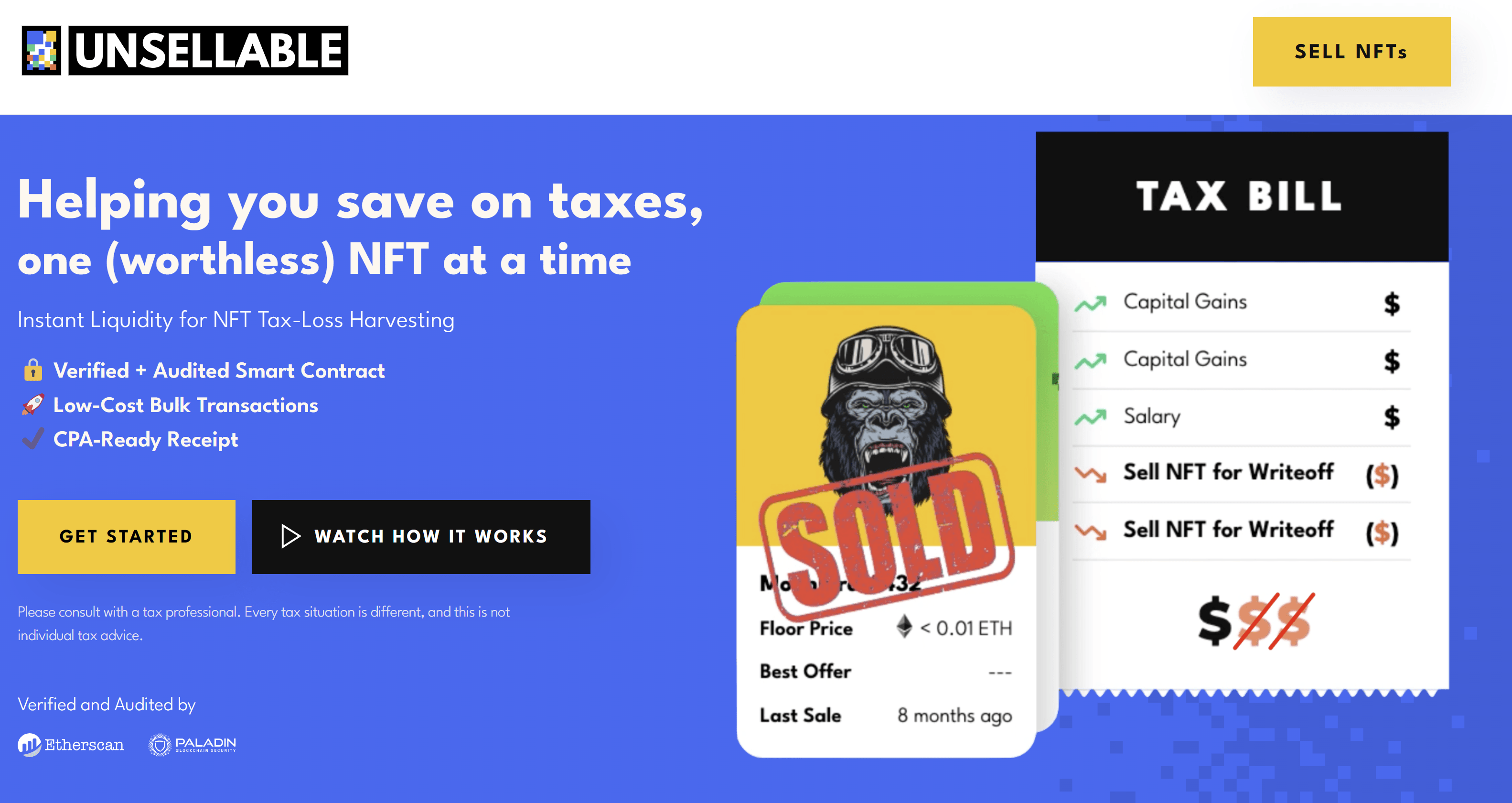
The economic fallout of the market crash has given rise to novel market phenomena, including the emergence of platforms designed explicitly to purchase worthless digital assets. Services specializing in tax-loss harvesting allow disillusioned investors to offload unsellable NFTs for nominal fees, enabling them to offset capital gains taxes by claiming capital losses. This niche industry highlights the stark divergence between early speculative valuations and the enduring utility of many digital collections.
Despite these mounting criticisms, industry experts and technologists maintain that NFTs represent a foundational technology whose utility extends far beyond speculative art markets. Supporters argue that the underlying infrastructure—smart contracts and cryptographic verification—holds genuine potential for supply chain management, ticketing, real estate deeds, and identity verification. The technology itself is fundamentally neutral; the negative perceptions stem largely from speculative excess, market saturation, and a widespread lack of consumer awareness regarding the inherent risks.
As the digital asset ecosystem matures, the future of NFTs will likely depend on the establishment of clearer legal frameworks, enhanced technical standards, and more robust consumer protection protocols. Regulatory bodies continue to draft comprehensive guidelines to bring transparency to the sector, while legal precedents established in ongoing court cases will shape the boundaries of digital property rights for years to come. Whether NFTs can shed their controversial reputation and transition into sustainable, utility-driven applications remains one of the defining questions of the modern digital economy.