The Biden administration is currently drafting a comprehensive executive order aimed at establishing a unified federal framework for the oversight of the cryptocurrency sector, according to reports citing anonymous sources familiar with the internal deliberations. This move represents a significant escalation in the government’s efforts to bring order to the rapidly expanding digital asset landscape, which has seen its market capitalization fluctuate significantly while gaining increased integration with traditional financial systems.
The proposed directive is intended to bridge the regulatory gaps currently hindering a coherent government response to blockchain technology and virtual assets. By mandating a coordinated approach across multiple agencies, the White House seeks to move beyond the fragmented and sometimes overlapping enforcement actions that have characterized the American regulatory environment in recent years.
A Coordinated Regulatory Strategy
The scope of the proposed executive order is expansive, involving key federal entities such as the Department of the Treasury, the Department of Commerce, the National Science Foundation, and various national security agencies. The primary objective is to require these agencies to conduct exhaustive studies of the cryptocurrency ecosystem, analyze potential systemic risks, and provide actionable recommendations to the White House.
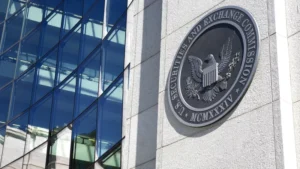
Historically, cryptocurrency regulation in the United States has been decentralized. The Securities and Exchange Commission (SEC), the Commodity Futures Trading Commission (CFTC), the Federal Reserve, and the Department of Justice have often operated under disparate mandates. For example, the SEC has focused heavily on whether specific digital tokens constitute unregistered securities, while the Treasury Department’s Financial Crimes Enforcement Network (FinCEN) has prioritized anti-money laundering (AML) and counter-terrorist financing (CTF) compliance. The executive order is designed to harmonize these efforts, ensuring that innovation in blockchain technology is balanced against the imperative of consumer protection and financial stability.
Chronology of Regulatory Escalation
The push for a formalized federal strategy follows a series of intensified regulatory activities throughout 2021. The following timeline illustrates the accelerating interest in crypto oversight:
- Early 2021: The proliferation of decentralized finance (DeFi) protocols and the rapid growth of stablecoins draw the attention of federal regulators.
- August 2021: SEC Chairman Gary Gensler delivers a major speech at the Aspen Security Forum, labeling the crypto market the "Wild West" and calling for increased legislative support to protect investors.
- October 6, 2021: The U.S. Department of Justice announces the launch of a new National Cryptocurrency Enforcement Team (NCET), tasked with identifying and prosecuting criminal actors who abuse cryptocurrency for illicit activities.
- October 8, 2021: Bloomberg reports on the drafting of the executive order, signaling that the White House is shifting from passive observation to active administrative management.
- Late 2021 – Present: Ongoing discussions between the Treasury, the Federal Reserve, and Congress regarding the potential introduction of a Central Bank Digital Currency (CBDC) and the necessity of stablecoin regulation.
Institutional Perspectives and Official Responses
The regulatory landscape remains complex, with various stakeholders emphasizing different priorities. Federal Reserve Chair Jerome Powell has consistently advocated for a robust regulatory framework, particularly concerning stablecoins. In testimony before Congress, Powell highlighted that stablecoins function similarly to money market funds or bank deposits, necessitating a level of oversight that ensures they are backed by high-quality, liquid assets to prevent "runs" that could jeopardize the broader financial system.
Conversely, SEC Chair Gary Gensler has maintained a firm stance that many crypto assets fall under the purview of existing securities laws. However, Gensler has also been careful to clarify the limitations of his agency’s authority. In recent public statements, he acknowledged that a comprehensive ban on cryptocurrencies is beyond the SEC’s scope and would essentially be a prerogative for Congress. This distinction underscores the importance of the executive order: it acts as a bridge toward formal legislation, which is ultimately required to provide the legal certainty that the industry has long requested.

The Role of a "Crypto Czar"
A notable component of the White House’s internal deliberations is the potential appointment of a "crypto czar." This position would serve as a central coordinator for policy, bridging the divide between different departments and acting as the primary liaison between the administration and the private sector.
The search for this role has been complicated by conflicts of interest. Reports suggest that individuals with the necessary technical expertise in blockchain often possess significant holdings in digital assets, which can lead to recusal requirements. For instance, while White House official Tim Wu has extensive knowledge of technology and competition policy, his personal cryptocurrency investments have effectively precluded him from leading this initiative. Current efforts are reportedly being spearheaded by officials including Deputy National Security Advisor Daleep Singh and representatives from the Treasury Department.
Implications for the Digital Asset Market
The implications of a formalized executive order are far-reaching. For the cryptocurrency industry, the primary hope is that a unified approach will provide a "regulatory sandbox" or at least a clearer roadmap for compliance. Currently, firms operating in the U.S. often face a patchwork of state-level regulations and federal guidance that can make scaling difficult.
From an economic perspective, the administration’s strategy is likely to focus on three pillars:
- Consumer and Investor Protection: Reducing the risk of fraud, market manipulation, and catastrophic financial loss.
- National Security: Strengthening oversight to prevent the use of crypto in ransomware attacks, money laundering, and the evasion of international sanctions.
- Financial Innovation: Ensuring that the United States remains competitive in the global digital economy while maintaining the integrity of the U.S. dollar as the world’s primary reserve currency.
The market has historically responded to regulatory uncertainty with volatility. However, many industry analysts suggest that "regulatory clarity" is a net positive for institutional adoption. As major financial institutions move deeper into custody services and tokenization, having a stable legal environment—even one that imposes strict compliance requirements—is often viewed as a prerequisite for mainstream institutional entry.
Looking Ahead
While the White House has yet to issue an official statement regarding the specifics of the draft, the mere existence of such an initiative confirms that the federal government views digital assets as a permanent fixture of the financial system. The forthcoming strategy, whenever it is formally announced, will likely set the tone for American policy for the remainder of the decade.
By moving toward a whole-of-government approach, the Biden administration is signaling that it intends to treat cryptocurrency not as a peripheral technology, but as a critical infrastructure that requires careful, deliberate, and coordinated management. Whether this results in a more restrictive environment or a clearer path for innovation remains a point of intense speculation among industry participants and policymakers alike.
As the government continues to weigh its options, the industry waits for a definitive signal on whether the regulatory focus will shift toward fostering growth or tightening control. For now, the administration’s efforts remain a work in progress, subject to the complex bureaucratic processes of the federal government and the ongoing, rapid evolution of the crypto market itself. The eventual issuance of this order will mark a defining moment in the history of financial regulation in the United States, cementing the role of digital assets within the modern fiscal and monetary architecture.