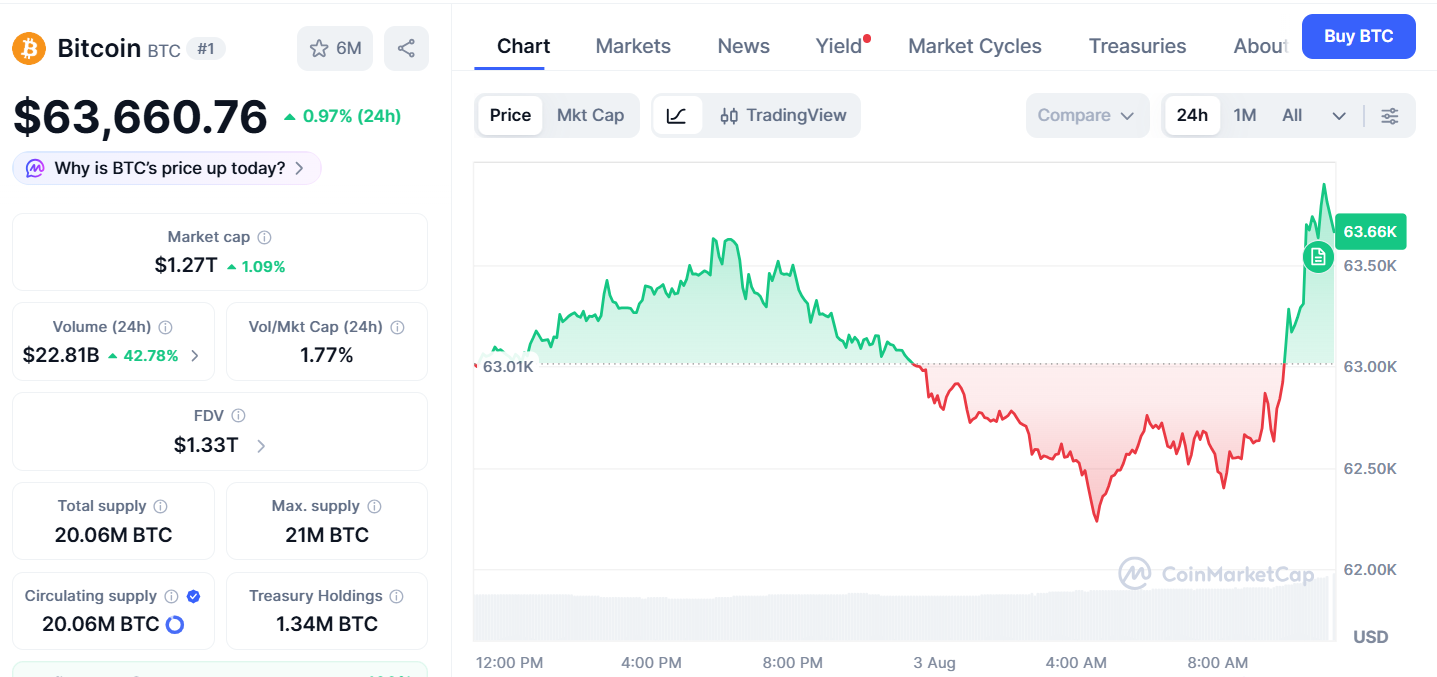
One of the most significant derivatives events in the cryptocurrency calendar has successfully concluded, as approximately $15.6 billion in Bitcoin options reached settlement on September 25. Despite widespread concerns regarding potential volatility spikes and forced market liquidation, the Bitcoin spot market remained remarkably resilient, holding steady in the mid-$83,000 range. The expiry of such a substantial volume of open interest marks a critical transition for market participants, signaling the removal of a massive layer of hedging exposure that had dominated trading strategies throughout the preceding quarter.
The settlement process, primarily managed through major derivatives exchanges like Deribit, involved a total of 182,000 BTC in open interest. Market analysts had closely monitored the distribution of these contracts, noting a clear bullish sentiment as calls—options giving the holder the right to buy at a specific price—significantly outnumbered puts. Specifically, 106,200 BTC of call open interest stood against approximately 75,900 BTC of puts. The fact that the market absorbed this event without a significant "de-leveraging" event or a sharp downward correction suggests a high degree of maturity and liquidity within the Bitcoin ecosystem.
The Mechanics of Quarterly Expiry and Hedging Dynamics
To understand the magnitude of this event, one must look at the role of options dealers and institutional market makers. When an options book reaches such a significant size, dealers are forced to engage in dynamic hedging to remain market-neutral. As the price of Bitcoin fluctuates, these dealers must adjust their holdings in the spot or futures markets to offset the risks associated with the options they have written.
In the lead-up to the September 25 expiry, the concentrated hedging activity created a "delta-hedging" environment. As expiry draws near, these hedges are gradually unwound, which can theoretically cause rapid price fluctuations. However, because the market was well-prepared and liquidity was distributed across various strike prices, the "unwinding" process occurred with minimal friction. The $15.6 billion figure represents the notional value of these contracts, rather than an immediate cash outflow or direct sale of 182,000 BTC. Consequently, the settlement serves more as a clearing of the slate, allowing the market to reset its positioning based on current macro-economic factors rather than being tethered to expiration-driven price targets.
Chronology of the September Market Shift
The days leading up to the expiry were characterized by a period of consolidation. Bitcoin had previously reached an intraday high near $87,000 earlier in the week, marking a robust rally that brought renewed interest from both retail and institutional investors. Following this peak, the asset entered a cooling-off phase, drifting back toward the $83,000 support level.
Throughout the week of September 22, the crypto derivatives markets were hyper-focused on the "Max Pain" theory—a concept suggesting that the price of an underlying asset will gravitate toward the strike price where the highest number of options expire worthless, thereby inflicting the most financial pain on the greatest number of traders. While this theory often drives short-term speculation, the actual price action demonstrated that macro-market forces and spot demand were far more influential than the gravitational pull of any single strike price. By the morning of September 26, the market had successfully transitioned into the post-expiry phase, with trading volumes stabilizing and open interest figures resetting for the next quarter.
Divergence in the Altcoin Sector
While Bitcoin experienced a period of relative stagnation as traders managed their derivatives exposure, the broader cryptocurrency market displayed a notable divergence. Large-cap altcoins, specifically XRP and Solana (SOL), showed significant strength during the same period. XRP saw a seven-day gain of approximately 15%, while Solana recorded an increase of roughly 9%.
This decoupling is a significant indicator of market health. In past cycles, a Bitcoin-led derivative expiry often triggered a "flight to safety," where capital would flee the crypto sector entirely. However, the recent price action suggests that capital remained within the ecosystem, rotating into altcoins as Bitcoin consolidated its gains. This rotation pattern implies that investors remain bullish on the crypto asset class as a whole and are not currently exiting risk positions, despite the massive expiry event. The performance of these assets indicates that the liquidity removed from the Bitcoin derivatives market did not evaporate but was instead reallocated, underscoring a robust appetite for risk among market participants.
The Role of Institutional ETF Flows
A critical factor that differentiated this expiry from those seen in previous years is the influence of spot Bitcoin ETFs. With the mainstreaming of Bitcoin through exchange-traded funds, the correlation between derivative expiries and spot market volatility has evolved. ETF providers act as significant holders of the underlying asset, and their inflows and outflows provide a buffer that was absent in earlier market cycles.
Institutional demand remains the primary engine driving the current price floor. Unlike speculative traders who rely heavily on options to leverage their positions, institutional players are primarily focused on long-term holding and systematic accumulation. This shift in the investor base has effectively diluted the impact of short-term derivatives expiries. While individual retail traders may still be subject to the volatility of quarterly settlements, the institutional demand for spot Bitcoin has created a "floor" that prevents the kind of catastrophic liquidations that were once common during such events.
Implications for the Next Market Phase
With the September quarterly book now cleared, the focus of the market has shifted toward the fourth quarter. The primary question facing investors is whether the rally can be sustained without the synthetic support or constraints previously provided by the massive options positions.
The removal of this large block of open interest means that Bitcoin’s price discovery will now be more heavily influenced by fundamental catalysts. These include:
- Macro-Economic Indicators: Decisions by global central banks regarding interest rates and inflation remain the primary driver for risk assets.
- ETF Accumulation Rates: The sustained pace of inflows into Bitcoin spot ETFs remains the most reliable indicator of institutional sentiment.
- Regulatory Developments: Any clarity or shifting stance from major regulatory bodies regarding crypto-asset classification will continue to influence sentiment.
Market analysts suggest that the "noise" created by derivatives expiry has been successfully filtered out. Without the pressure of managing deep-in-the-money or out-of-the-money options hedges, the market can now focus on technical levels and fundamental support. If Bitcoin can maintain its current range above $83,000, it provides a stable foundation for the next potential breakout. Conversely, should the asset fall below this support, the lack of derivatives-driven hedging might lead to a more volatile price discovery process.
Final Analysis: A Sign of Market Maturity
The successful conclusion of this $15.6 billion expiry is, in many ways, a testament to the maturation of the digital asset market. Five years ago, an event of this magnitude would likely have triggered significant panic, high volatility, and perhaps even exchange-wide outages. Today, the market handles these massive settlements with relative ease, thanks to increased liquidity, a more diversified investor base, and a better understanding of derivatives mechanics among market participants.
The lack of a "blow-up" in the spot market confirms that the crypto market has achieved a level of sophistication that allows it to absorb systemic shocks. While the "Max Pain" of the options market remains a relevant metric for short-term traders, it is no longer the sole determinant of Bitcoin’s trajectory. As we move into the final months of the year, the stability shown during this settlement period serves as a bullish signal for those watching the asset’s long-term growth. The market has proven it can handle the weight of billions in derivatives without losing its footing, setting the stage for a potentially volatile but fundamentally supported period of price discovery.
Looking forward, participants should monitor the open interest levels for the next expiry cycle. If historical patterns hold, the market will likely see a slow buildup of new positions, but for now, the primary takeaway remains that the "September event" has passed with the asset class standing firm at historically significant price levels. The transition from a derivatives-driven market to one increasingly dictated by institutional spot demand is not just a trend; it is the new structural reality of the Bitcoin market.