The Biden administration is currently developing a comprehensive executive order aimed at establishing a unified federal framework for the oversight of the cryptocurrency industry. According to reports from multiple sources familiar with the administration’s internal discussions, the directive is intended to synchronize the fragmented regulatory efforts currently being pursued by various government bodies. As digital assets move from the periphery of the financial system into the mainstream, the White House seeks to harmonize policy across departments, including the Treasury, the Commerce Department, the National Science Foundation, and various national security agencies.
The move represents a significant escalation in the government’s efforts to address the rapid maturation of blockchain technology and the associated risks—and opportunities—presented by digital assets. While a draft of the order has reportedly circulated among senior officials, the administration has not yet finalized the document. There remains a possibility that President Biden may opt for a non-formal policy directive to achieve similar objectives, reflecting the delicate balance the administration must strike between fostering innovation and mitigating systemic risks.
The Evolution of Regulatory Scrutiny: A Chronology
The push for a coherent cryptocurrency policy did not occur in a vacuum. It follows a period of rapid, albeit siloed, regulatory activity across Washington.
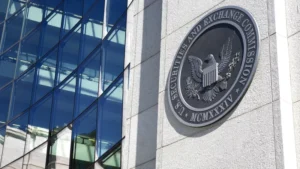
In the first half of 2021, the market capitalization of the cryptocurrency sector surged, often exceeding $2 trillion, which drew the attention of federal authorities concerned about consumer protection, illicit finance, and market stability. In mid-2021, the Securities and Exchange Commission (SEC), led by Chair Gary Gensler, began signaling a more aggressive stance, characterizing many digital tokens as unregistered securities.
By October 2021, the regulatory temperature reached a new high. On October 6, the U.S. Department of Justice (DOJ) announced the launch of a dedicated National Cryptocurrency Enforcement Team, tasked with tackling complex investigations into the criminal use of digital currencies. This announcement was closely followed by the reports on October 8 regarding the White House’s proposed executive order, signaling that the executive branch was moving to consolidate these disparate threads into a single, cohesive national strategy.
Institutional Objectives and Interagency Coordination
The primary objective of the proposed executive order is to clarify the jurisdictional boundaries of existing regulatory bodies. Currently, the landscape is defined by "regulation by enforcement," where agencies like the Commodity Futures Trading Commission (CFTC) and the SEC often overlap in their oversight of crypto exchanges and tokens.
Under the potential directive, the White House would task federal agencies with conducting a granular study of the ecosystem. This research would cover three primary pillars: financial stability, national security, and economic competitiveness. By mandating that agencies such as the Treasury and the National Science Foundation provide specific recommendations, the administration aims to move away from reactive policy and toward a proactive, long-term regulatory architecture.
A central component of this strategy involves the potential appointment of a "crypto czar." This individual would act as a central point of contact and coordinator for the administration’s digital asset policy. Currently, the White House lacks a dedicated high-level official with the specialized expertise required to navigate the complexities of decentralized finance (DeFi), stablecoins, and blockchain infrastructure. While individuals such as Deputy National Security Advisor Daleep Singh are currently spearheading the oversight initiative, the administration is reportedly searching for a permanent candidate to oversee the implementation of the strategy.
The Role of Stablecoins and Market Infrastructure
A significant driver for this executive action is the rapid growth of stablecoins—digital assets pegged to fiat currencies. Federal Reserve Chair Jerome Powell has been vocal about the need for a formal regulatory framework for stablecoins, warning that they could pose risks to the broader financial system if left unchecked.

Stablecoins currently serve as the "liquidity layer" for the crypto market, facilitating the movement of capital between traditional banking systems and decentralized platforms. Because these assets are frequently backed by commercial paper and other short-term debt instruments, regulators are concerned that a run on a major stablecoin issuer could have a contagion effect on the traditional economy. The executive order is expected to mandate a rigorous assessment of these instruments to ensure they adhere to transparency and reserve requirements comparable to traditional money market funds.
The Legislative and Judicial Landscape
While the executive branch prepares its directive, the ultimate authority to regulate the sector lies with Congress. SEC Chair Gary Gensler has repeatedly emphasized that while his agency will use its existing authority to pursue bad actors and enforce compliance, it is the prerogative of the legislative branch to provide a clear, comprehensive legal framework for the industry.
Gensler’s stance has been clear: the SEC possesses sufficient tools to regulate most cryptocurrencies as securities, but the agency is not attempting to ban the sector. Instead, he argues that bringing crypto exchanges into the "regulatory perimeter" is essential for investor protection. This perspective is shared by many in the Treasury Department, who argue that the lack of clear rules creates an uneven playing field that hampers institutional adoption.
Implications for Innovation and National Security
The proposed oversight is not solely about restriction; it is also framed within the context of global economic competition. The Biden administration is increasingly viewing the development of Central Bank Digital Currencies (CBDCs) and private sector blockchain innovation as matters of national security. As nations like China push forward with their own digital yuan initiatives, U.S. policymakers are concerned that falling behind in the development of "digital dollar" infrastructure could undermine the international dominance of the U.S. dollar.
The inclusion of the Commerce Department in the proposed order suggests that the White House is looking at how blockchain technology can be leveraged to maintain the United States’ competitive edge in global finance. By creating a predictable regulatory environment, the administration hopes to prevent the "brain drain" of talent and capital to more crypto-friendly jurisdictions overseas.
Market Reaction and Future Outlook
At the time of this reporting, the White House has remained tight-lipped, offering no formal confirmation of the specific language or timeline of the order. Market participants have largely reacted with cautious optimism. For years, the industry has called for "regulatory clarity" over the threat of punitive enforcement. While an executive order does not carry the same weight as legislation passed by Congress, it serves as a powerful signal of the administration’s priorities and forces federal agencies to align their disparate efforts.
Analysts suggest that the ultimate impact of such an order will depend on the degree of interagency cooperation it achieves. If the directive successfully mandates a streamlined process for licensing and compliance, it could pave the way for increased institutional participation in the crypto markets. Conversely, if the order results in a heavy-handed, multi-agency crackdown, it could stifle the very innovation the administration claims to be monitoring.
As the White House moves closer to a final decision, the industry remains in a period of transition. The shift from an era of regulatory ambiguity to one of structured federal oversight is likely to define the next decade of the American digital economy. The focus for the remainder of the fiscal year will be on whether the administration can bridge the gap between the cautious, protective instincts of the financial regulators and the ambitious, innovation-focused goals of the technology and commerce sectors.
Regardless of the specific language in the forthcoming order, the message from the executive branch is clear: the era of the "Wild West" for cryptocurrency in the United States is drawing to a close, and a new, more formalized chapter of digital asset governance is about to begin. The coordination of federal agencies, the potential appointment of a dedicated oversight official, and the prioritization of stablecoin regulation represent the initial steps in a long-term project to integrate digital assets into the formal architecture of the American financial system.