For over a decade, Bitcoin has served as the undisputed standard for digital value, operating as a decentralized store of wealth rooted in fixed supply and cryptographic scarcity. However, as 2026 unfolds, a significant shift in market behavior is challenging this long-held paradigm. Investors and decentralized finance (DeFi) participants are increasingly turning their attention toward fractionalized non-fungible tokens (NFTs), a specialized asset class that bridges the gap between the rigid, fungible nature of Bitcoin and the illiquid, high-barrier nature of traditional digital collectibles.
The rise of fractionalization represents more than a mere trend; it is a fundamental restructuring of how digital ownership is conceptualized. By breaking down high-value assets into smaller, tradable ERC-20 tokens, the ecosystem has unlocked a level of liquidity and accessibility previously thought impossible for the NFT sector. While the debate over whether these assets can truly rival the "digital gold" status of Bitcoin continues, the mere existence of this competition highlights a transformative period in the evolution of blockchain-based financial instruments.
The Evolution of Digital Scarcity: From Whole to Part
To understand the current shift, one must analyze the limitations of the previous generation of NFTs. Historically, NFTs functioned as "all-or-nothing" assets. Owning a piece of iconic digital art, such as a CryptoPunk or a Bored Ape, required significant capital, effectively locking out the average retail investor. This lack of divisibility meant that NFTs were often illiquid; an owner might wait months to find a buyer at the right price, creating a "locked value" scenario that contrasts sharply with the ease of trading Bitcoin.
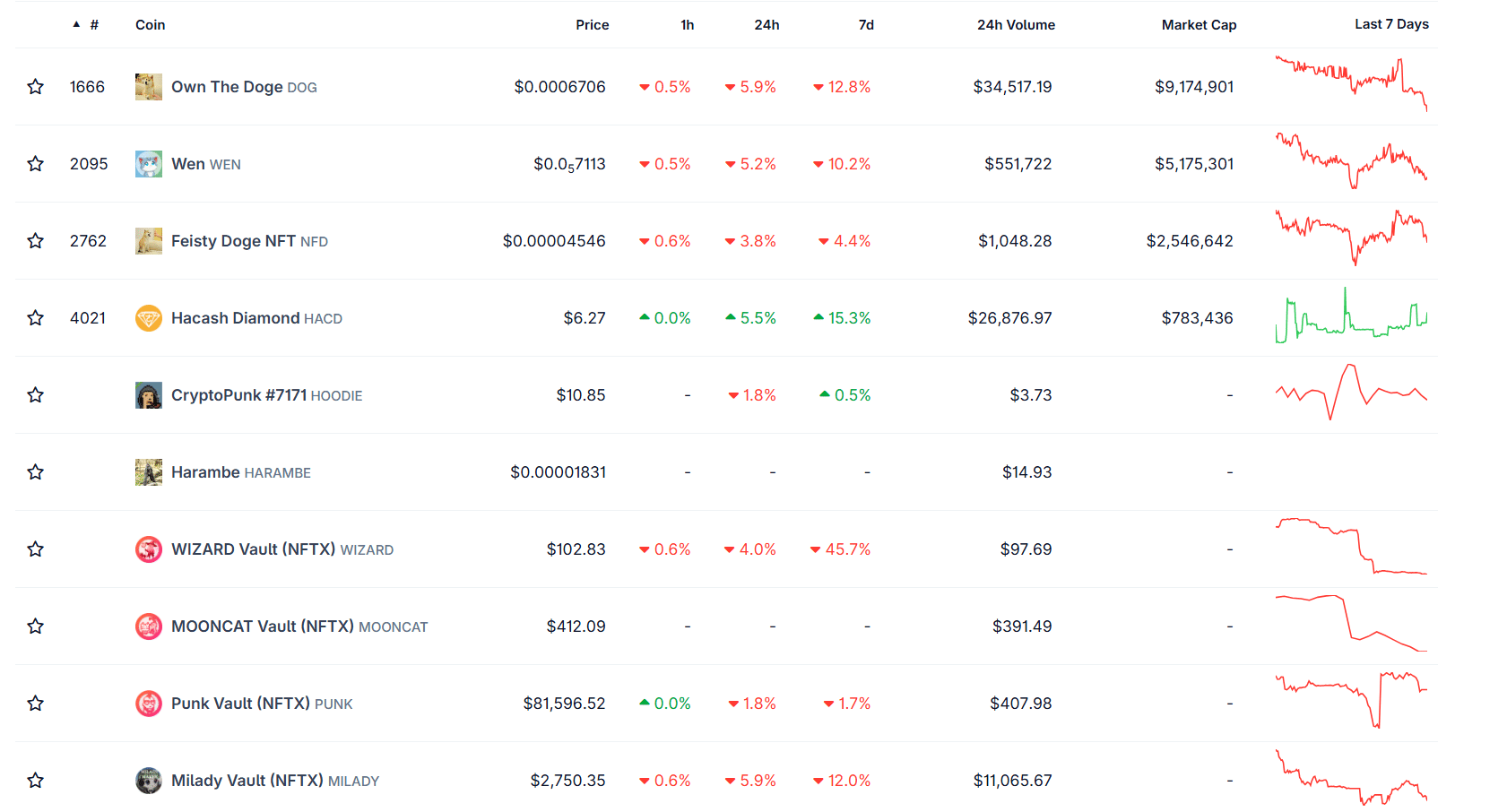
Fractionalized NFTs solve this by utilizing smart contracts to hold an NFT in a secure vault while issuing proportional "vault tokens" that represent ownership. These tokens are fungible and tradable on decentralized exchanges, allowing an investor to own 0.01% of a high-value asset for as little as $10. This transition from singular, static ownership to liquid, modular ownership has effectively democratized access to the blue-chip NFT market, mirroring the way fractional shares revolutionized traditional stock markets.
Chronology and Market Maturation
The trajectory of fractionalization began in the early 2020s as a niche experiment, but it accelerated rapidly during the market recovery of 2025.
- 2021–2022: The early experimentation phase, characterized by platforms like Fractional.art, where the technology was first tested with high-value digital art.
- 2023–2024: A period of stagnation and "crypto winter" where the primary focus shifted toward utility and infrastructure rather than speculative valuation.
- 2025: The "Year of Integration." Fractionalization protocols began integrating with broader DeFi platforms, allowing users to stake their fractional tokens, use them as collateral for loans, and participate in governance protocols. The market was valued at approximately $3.8 billion by the end of this year.
- 2026: The current expansion phase. Analysts now project the sector will reach $9.2 billion by 2033, growing at a compound annual growth rate (CAGR) of 17.8%. This growth is no longer driven by pure speculation but by the utility of fractionalized assets in lending and borrowing protocols.
Data-Driven Insights and Market Sentiment
Data from market intelligence firms, including HTF Market Intelligence, indicates that trading volume for fractionalized vault tokens has remained remarkably resilient even during periods when the broader NFT market experiences a decline in interest. This resilience is attributed to the "DeFi-fication" of these assets.
Unlike Bitcoin, which serves primarily as a passive store of value, fractionalized NFTs are active components of the DeFi ecosystem. A user who owns a fraction of an NFT can deposit that token into a liquidity pool to earn yields, use it as collateral to borrow stablecoins, or vote in a DAO (Decentralized Autonomous Organization) that governs the underlying asset. This utility creates a continuous demand that is independent of the aesthetic value of the underlying NFT, providing a floor for its price that Bitcoin, in its current iteration, lacks.
Implications for Institutional and Retail Investors
The shift toward fractionalization carries profound implications for the future of digital asset portfolios. For institutional investors, the ability to gain exposure to high-value digital collectibles without the risk of extreme illiquidity is a significant milestone. It allows for the creation of diversified portfolios of digital assets that can be balanced and rebalanced with the same ease as a portfolio of stocks or bonds.

From a regulatory perspective, the transition to fungible, fractionalized tokens also invites scrutiny. Because these tokens resemble traditional financial securities more closely than standard NFTs, they are increasingly being viewed through the lens of existing financial regulations. Market participants are watching closely to see how regulators in jurisdictions like the United States and the European Union will classify these assets, as this will determine the long-term viability of these platforms as mainstream financial instruments.
Broader Impact on the Crypto Economy
The rise of fractionalized assets is forcing a re-evaluation of the "store of value" narrative. While Bitcoin remains the primary hedge against traditional fiat inflation, fractionalized NFTs are emerging as a hedge against the volatility of the crypto market itself. By providing exposure to real-world assets (RWAs)—such as music rights, real estate, and intellectual property represented on-chain—these tokens offer a form of diversification that is uncorrelated with the performance of Bitcoin.
Industry leaders have noted that the success of these assets depends on the robustness of the underlying vaults. "The security of the smart contract is the primary concern for any investor entering this space," says a lead developer from a prominent fractionalization protocol. "If the community trusts the code, the value of the underlying asset is effectively ‘unlocked’ for the global market."
Future Outlook and Challenges
As the sector moves toward its 2033 projected valuation, several hurdles remain. The first is interoperability; while vault tokens are currently native to specific chains (predominantly Ethereum), cross-chain liquidity will be essential for the next phase of growth. The second is valuation transparency. Unlike Bitcoin, which has a clear, market-driven price, determining the "fair value" of an NFT is subjective. The reliance on decentralized oracles and appraisal protocols to set the price for a fractionalized NFT is a point of contention that will require further technological maturity.
Despite these challenges, the trajectory is clear: the digital asset landscape is becoming more complex and more modular. The ability to own a slice of the digital future, rather than just the currency that facilitates it, is attracting a new generation of investors who demand utility alongside wealth preservation.
In conclusion, while Bitcoin continues to define the boundaries of digital scarcity, fractionalized NFTs are redefining the possibilities of digital ownership. By introducing liquidity, utility, and accessibility to a previously static asset class, fractionalization has secured its place as a critical component of the 2026 digital economy. Whether it will ever truly "replace" Bitcoin is secondary to the reality that it has already successfully expanded the definition of what a store of value can be in the age of decentralized finance. As the market continues to mature, the focus will likely shift from the debate over "better or worse" to how these two distinct asset classes can coexist to provide a comprehensive and robust financial ecosystem for the future.