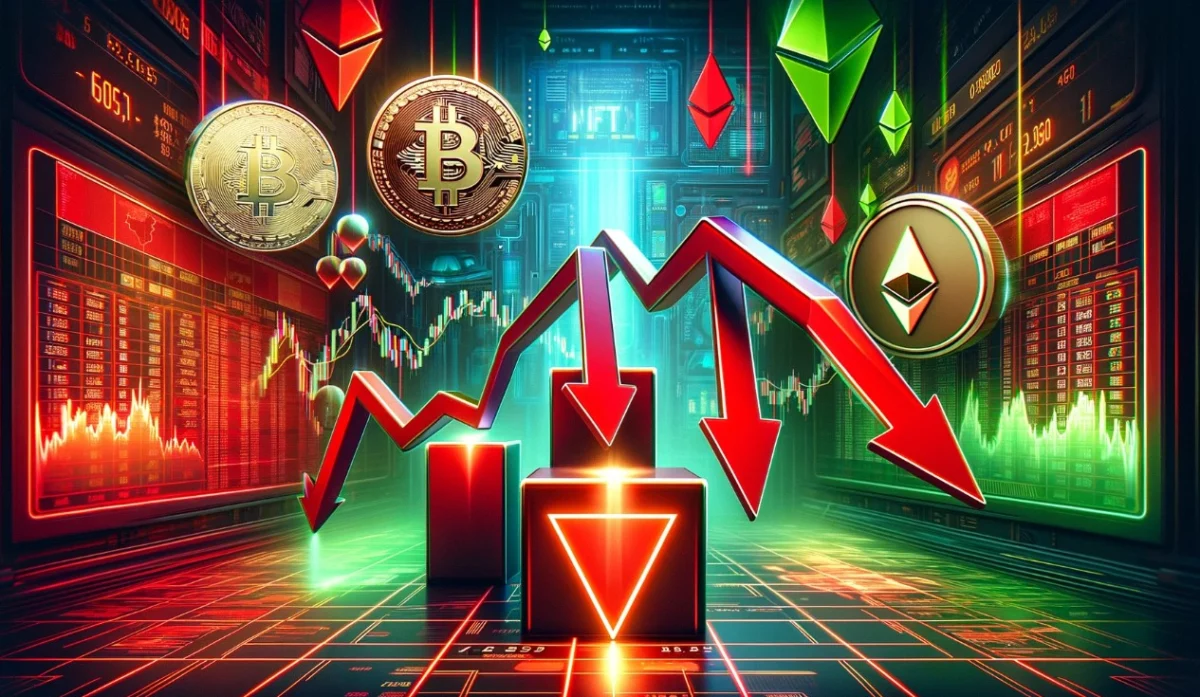
The non-fungible token (NFT) ecosystem is experiencing a severe downturn, characterized by plunging trading volumes, plummeting floor prices, and a palpable evaporation of mainstream interest. While the broader cryptocurrency market has revelled in intense optimism driven by the surging prices of major assets like Bitcoin (BTC) and Ethereum (ETH), digital collectibles and art recorded on-chain have lost considerable appeal. Recent metrics underscore a profound cooling period for a sector that, just a few short years ago, captured global headlines and cultural fascination with multi-million-dollar digital art sales and celebrity endorsements.
According to comprehensive data from market researchers and intelligence platforms, public interest—measured by search engine queries and trading activity—has retreated to levels not seen since before the explosive mainstream bull run of 2021. This stark reversal has forced artists, collectors, and marketplace operators to navigate a painful market correction, questioning the long-term viability of speculative digital assets amid shifting macroeconomic and crypto-native liquidity trends.
A Retrospective Look at the Rise and Fall of Digital Collectibles
To understand the current malaise in the NFT market, one must examine its meteoric rise and subsequent volatility. The concept of non-fungible tokens gained massive traction in early 2021, transforming digital files—ranging from pixelated avatars to generative artwork and digital real estate—into unique, verifiable commodities on distributed ledgers. This speculative frenzy peaked in January 2022, a watershed month that recorded an astonishing $17.2 billion in total NFT sales across various marketplaces.
During this zenith, cultural institutions, legacy auction houses, and global brands rushed to establish a presence in the space. Celebrities endorsed digital monkey avatars, and digital artists achieved contemporary art status overnight. However, the subsequent tightening of global monetary policy, rising interest rates, and systemic shocks within the cryptocurrency industry—such as the collapse of major centralized lending platforms and exchanges—triggered a broad risk-off sentiment. Unlike fungible cryptocurrencies that serve as medium-of-exchange or store-of-value assets, illiquid digital collectibles bore the brunt of the capital flight. What began as a temporary cooling-off period gradually evolved into a prolonged structural correction, as speculative fervor dried up and buyers grew increasingly discerning.
Current Market Metrics and Staggering Price Declines
The quantitative reality of the current NFT slump is captured by data analytics firms such as DappRadar and NFT Price Floor. During the first five months of the year, cumulative NFT sales experienced a contraction of more than six percent, falling to approximately $8.5 billion compared to the same timeframe in the preceding year. This figure represents a fraction of the historical volumes witnessed during the market’s peak.
Blue-chip collections—long considered the gold standard of the digital art and collectibles ecosystem—have suffered devastating losses. Year-to-date figures compiled by NFT Price Floor indicate that valuations for many premier collections have plummeted by 40% to 50%. CryptoPunks, a pioneering profile-picture collection minted on the Ethereum blockchain, is currently trading near valuations last observed in 2021, marking a 29% decline from its local lows of the previous year. Similarly, other foundational projects such as the Bored Ape Yacht Club (BAYC) and generative art initiatives like Chromie Squiggle have seen their Ethereum-denominated floor prices slashed by half relative to their lowest points last year.
Even prominent digital artists who commanded staggering sums during the bull market have felt the squeeze. While select works by renowned creators like XCOPY have occasionally demonstrated relative resilience or modest positive returns over short 90-day windows, the macro trend remains overwhelmingly downward. Collectors who bought near the top are now facing severe unrealized losses or are forced to liquidate assets at steep discounts just to maintain liquidity.
The Catalyst: Capital Rotation Toward Ethereum ETFs
Market analysts attribute the latest leg down in NFT valuations not only to organic fatigue but also to significant regulatory and financial developments within the wider digital asset landscape. Specifically, market sentiment deteriorated sharply in the spring when the United States Securities and Exchange Commission (SEC) signaled a shift toward approving spot exchange-traded funds (ETFs) tied directly to Ethereum.

This regulatory milestone triggered a massive wave of capital rotation. Institutional and retail investors alike began divesting from riskier, highly illiquid alternative assets—including NFTs—to position themselves for the influx of institutional capital anticipated by the introduction of ETH-backed investment vehicles. Nicolas Lallement, co-founder of NFT data tracker NFT Price Floor, notes that capital rotation is an inherent characteristic of cryptocurrency market cycles. As liquidity concentrates in major native tokens like Ethereum, secondary and tertiary asset classes frequently experience liquidity drains, resulting in sharp price drops across the board.
The broader market correlation has further compounded these pressures. For instance, following a sharp downward trend mirroring Bitcoin’s correction, Ethereum recently experienced a steep 5% drop over a 24-hour period and an 8% decline over seven days, trading near the $3,480 mark. When native layer-1 tokens face downward price discovery, the perceived wealth effect diminishes, dampening the speculative appetite required to sustain high valuations for digital collectibles.
Market Resiliency and Divergent Platform Performance
Despite the overarching gloom, pockets of resilience and strategic adaptation remain visible within the ecosystem. Certain marketplaces have managed to buck broader industry trends by capturing market share through innovative incentive structures, multi-chain support, and enhanced user experiences.
Sara Gherghelas, an analyst at DappRadar, highlights the performance of Magic Eden as a prime example. The multi-chain NFT marketplace successfully expanded its footprint, recording impressive trading volumes earlier in the year—particularly in April—by capitalizing on community loyalty and aggressive reward programs. However, even these resilient platforms have not been entirely immune to the broader macroeconomic headwinds, with trading activity eventually moderating as the summer progressed.
Furthermore, industry participants are adapting by pivoting toward utility-driven applications, such as real-world asset tokenization, gaming infrastructure, and decentralized identity solutions, moving away from purely speculative profile-picture mints. This structural evolution suggests that while the speculative bubble has burst, the underlying blockchain technology powering non-fungible tokens continues to mature.
Broader Implications and Future Outlook for Digital Assets
The ongoing correction in the non-fungible token market carries significant implications for the broader Web3 economy. It signals a maturation phase where hype-driven speculation is giving way to fundamental utility, rigorous economic design, and sustainable business models.
For creators, developers, and investors, the current environment necessitates a shift in strategy. The era of effortless profits driven by community euphoria and viral marketing has temporarily receded. In its place, market participants are demanding tangible value propositions, long-term utility, and integration with broader decentralized finance (DeFi) ecosystems.
As regulatory clarity slowly improves and traditional financial institutions continue to build out digital asset infrastructure, the relationship between mainstream cryptocurrencies and niche sectors like NFTs will likely continue to evolve. Whether digital collectibles can recapture their former cultural prominence remains an open question, but the current market correction serves as a definitive reminder of the cyclical and high-risk nature of emerging technology markets.