The Biden administration is currently evaluating a comprehensive strategy to exert federal oversight over the burgeoning cryptocurrency sector, according to multiple reports originating from inside the White House. As the digital asset market reaches a total capitalization that frequently eclipses $2 trillion, the U.S. government is moving toward a more centralized, interagency approach to manage the risks and opportunities presented by decentralized finance, blockchain technology, and stablecoins. Sources familiar with the internal deliberations indicate that the administration is drafting an executive order designed to synchronize the regulatory efforts of various federal agencies, signaling a shift from fragmented oversight to a cohesive national policy.
The Scope of Federal Oversight
The proposed executive order aims to mandate a thorough assessment of the crypto ecosystem by a diverse coalition of government bodies. Agencies slated for involvement include the Treasury Department, the Department of Commerce, the National Science Foundation, and various national security apparatuses. The core objective of this directive is to establish a unified framework that clarifies the jurisdictional responsibilities of these agencies.
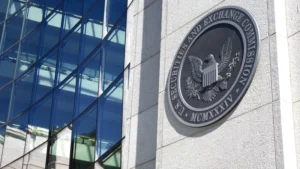
For years, the U.S. regulatory landscape for digital assets has been described as a "patchwork," with the Securities and Exchange Commission (SEC), the Commodity Futures Trading Commission (CFTC), and the Department of the Treasury often operating with overlapping or ill-defined mandates. By requiring these agencies to conduct formal studies and provide policy recommendations, the White House intends to mitigate systemic risks—such as money laundering, illicit financing, and market manipulation—while fostering technological innovation that aligns with national economic interests.
Chronology of Regulatory Escalation
The momentum toward a formal executive order follows a year of intensified scrutiny from U.S. financial regulators. The trajectory of this oversight can be traced through several key developments:
- Early 2021: As Bitcoin and Ethereum prices surged to record highs, interest from retail and institutional investors spiked, placing pressure on the SEC to provide clearer guidance on what constitutes a security in the digital space.
- Mid-2021: Federal Reserve Chair Jerome Powell began publicly emphasizing the need for a regulatory framework specifically targeting stablecoins, citing their potential to disrupt the traditional banking sector and influence monetary policy.
- October 2021: The Department of Justice launched a specialized National Cryptocurrency Enforcement Team (NCET), marking a significant escalation in the government’s ability to track and prosecute criminal actors utilizing digital assets for ransomware or money laundering.
- Late 2021: Reports emerged that the White House was actively debating the appointment of a "crypto czar" to serve as a central liaison between the executive branch and the rapidly expanding industry.
The Role of Regulatory Agencies
The regulatory environment remains complex, as different agencies view digital assets through distinct lenses. SEC Chair Gary Gensler has been a vocal advocate for bringing crypto exchanges under the same rigorous compliance standards as traditional stock exchanges. Gensler’s public position is that a vast majority of digital tokens qualify as unregistered securities. However, he has consistently maintained that a total ban on cryptocurrencies is beyond the SEC’s authority, noting that such a drastic move would require explicit legislative action from Congress.
Simultaneously, the Treasury Department has focused on the anti-money laundering (AML) and know-your-customer (KYC) implications of crypto transactions. The rise of decentralized finance (DeFi) platforms has challenged existing reporting requirements, leading officials to seek new methods for monitoring high-volume transactions that circumvent traditional financial intermediaries.
The "Crypto Czar" Proposal and Personnel Challenges
A notable aspect of the administration’s strategy is the potential creation of a White House-level "crypto czar." This position would theoretically provide a single point of contact for industry stakeholders and internal government teams. The administration has reportedly vetted several candidates for this role, though internal conflicts of interest have hindered the selection process.

For instance, Tim Wu, a prominent member of the White House’s National Economic Council with a focus on technology and competition policy, was initially seen as a candidate for high-level oversight. However, his significant personal holdings in various cryptocurrencies rendered him ineligible for a role that would involve direct regulatory influence over those specific assets. Consequently, the administration has relied on officials such as Deputy National Security Advisor Daleep Singh to lead the ongoing policy development.
Market Implications and Economic Context
The potential for a federal executive order has triggered mixed reactions within the financial industry. On one hand, institutional investors have long advocated for "regulatory clarity." The absence of clear rules has been cited as a primary deterrent for traditional pension funds and asset managers looking to gain exposure to crypto-assets. A formal executive order, even if it introduces stricter compliance costs, could provide the legal certainty required to integrate digital assets into mainstream investment portfolios.
On the other hand, privacy advocates and proponents of decentralized technology fear that a heavy-handed federal mandate could stifle innovation. There is significant concern that an overly restrictive regulatory environment could push technological development to offshore jurisdictions, causing the United States to lose its competitive edge in the global blockchain race.
Supporting Data and Industry Growth
The urgency behind these regulatory efforts is underscored by the explosive growth of the sector. Between 2020 and 2021, the market capitalization of the cryptocurrency industry grew by several hundred percent. This rapid expansion has made digital assets a significant component of the global financial architecture. Stablecoins, in particular, have grown into a multi-billion-dollar industry, with assets like Tether and USD Coin serving as the primary liquidity providers for the entire crypto market.
Federal agencies are particularly concerned with the "run risk" associated with these assets. If a major stablecoin were to collapse, it could potentially trigger a liquidity crisis in broader markets, necessitating a response similar to the bank bailouts seen during the 2008 financial crisis. By bringing these entities under a formal oversight regime, the administration hopes to create a "safety net" that prevents such a contagion.
Future Outlook and Legislative Interaction
While the draft executive order represents a major step for the executive branch, it is not a final law. The White House continues to circulate drafts among departments, and there remains a possibility that the administration may opt for a less formal policy directive or a series of coordinated agency actions rather than a singular executive decree.
Furthermore, any long-term stability in the crypto market will likely require congressional cooperation. Legislative efforts, such as those aimed at updating tax reporting requirements for crypto brokers, are already moving through the halls of Capitol Hill. The administration’s executive order is expected to serve as a bridge, setting the tone for how the federal government will treat digital assets until comprehensive legislation can be passed by lawmakers.
As the White House prepares to announce its formal strategy, the industry remains in a state of cautious anticipation. The move signifies that cryptocurrency has graduated from a niche technological experiment to a systemic component of the American financial system that can no longer be addressed through sporadic guidance. Whether the upcoming order acts as a catalyst for institutional adoption or a hurdle for decentralized innovation remains the central question facing both the Biden administration and the digital asset sector. As of the current reporting, no official White House statement has confirmed a specific date for the announcement, though sources suggest a formal unveiling is expected in the near future.