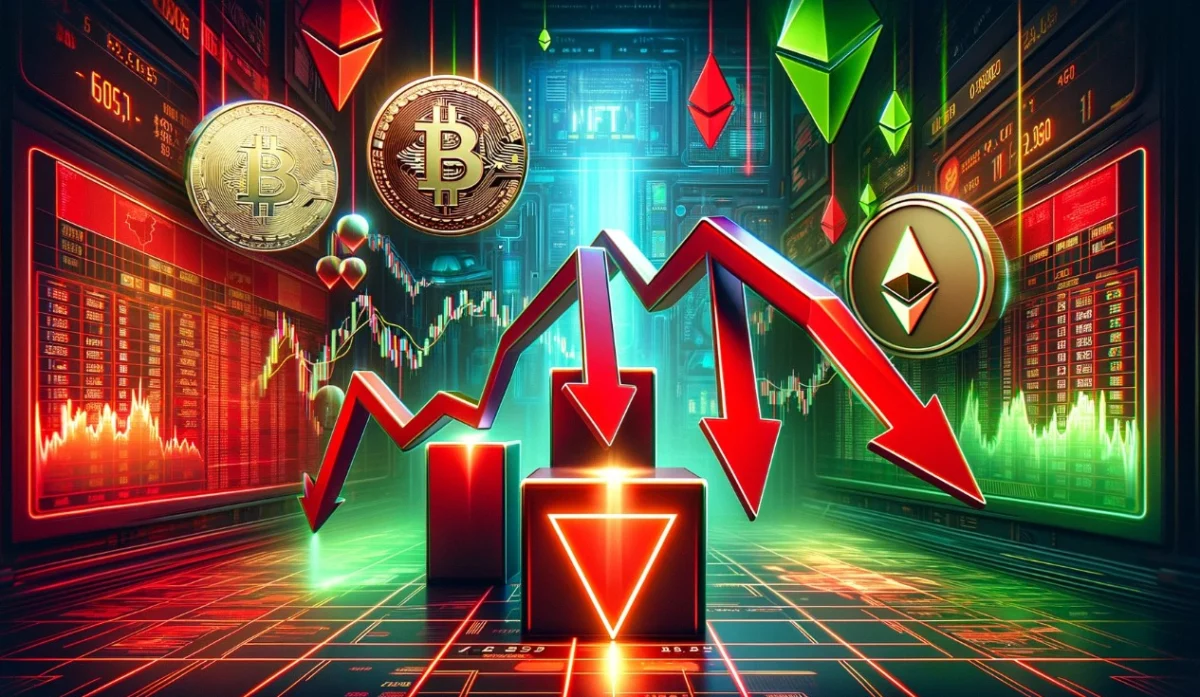
The broader cryptocurrency market has experienced a dramatic resurgence fueled by monumental price surges in benchmark assets such as Bitcoin and Ethereum. However, this rising tide has starkly contrasted with the performance of the non-fungible token (NFT) sector, which continues to suffer from a prolonged contraction in popularity, liquidity, and asset valuations. Once heralded as the vanguard of digital ownership, NFTs are presently confronting deep-seated apathy from retail and institutional participants alike.
According to data compiled by Google Trends, global search interest for the term “NFT” has plummeted to its lowest level since 2021. This milestone year marked the cultural zenith of non-fungible tokens, when mainstream adoption propelled digital art, virtual real estate, and cryptographic collectibles into the global spotlight. Today, that enthusiasm has markedly cooled, replaced by macroeconomic pressures, shifting investor sentiment, and a systemic rotation of capital back into foundational layer-1 protocols.
The contraction of the NFT market is not merely a psychological phenomenon; it is vividly reflected in quantitative metrics tracked across major blockchain data aggregators. DappRadar, a prominent decentralized application research firm, reported that total NFT sales volume dropped by more than six percent during the first five months of the year, settling at approximately $8.5 billion compared to the corresponding period in the previous year. This performance stands in sharp relief against the historic highs of January 2022, a month in which the nascent industry recorded a staggering $17.2 billion in aggregate sales volume.
Chronology of the Downward Trend
The trajectory of the NFT market over the past three years can be categorized into distinct phases of meteoric rise, speculative frenzy, and eventual capitulation.
During the latter half of 2020 and throughout 2021, the NFT ecosystem experienced exponential expansion. Artists, musicians, and speculative traders flocked to Ethereum-based marketplaces like OpenSea, driving multi-million-dollar sales for generative art projects and profile picture (PFP) collections. This speculative fervor peaked at the beginning of 2022, supported by ultra-loose monetary policies and widespread retail participation in digital asset markets.
By mid-2022, however, the macroeconomic landscape shifted drastically. As central banks worldwide began aggressive monetary tightening cycles to combat inflation, risk-off sentiment swept through global financial markets, disproportionately impacting high-beta asset classes like cryptocurrencies and digital collectibles. Liquidity dried up, and trading volumes began a steady descent.
The most recent leg down in NFT sentiment materialized earlier this year, catalyzed by regulatory developments surrounding Ethereum. Specifically, market sentiment deteriorated significantly when the United States Securities and Exchange Commission (SEC) moved closer to approving spot exchange-traded funds (ETFs) tied directly to Ethereum. This anticipated regulatory green light triggered a massive capital reallocation strategy among sophisticated investors. Capital began flowing rapidly out of speculative digital art portfolios and into liquid, yield-bearing, or institutional-grade assets like Ether (ETH).
Capital Rotation and Blue-Chip Collateral Deprecation
The phenomenon of capital rotation is a defining characteristic of cyclical asset markets. Nicolas Lallement, co-founder of NFT data tracker NFT Price Floor, notes that liquidity within the crypto ecosystem is highly fluid. When institutional catalysts emerge—such as the prospect of spot Ethereum ETFs—market participants routinely divest from illiquid alternative assets to capture upside in high-cap liquid tokens. Consequently, Ethereum successfully absorbed substantial market capital, leaving peripheral sectors like NFTs starved of the liquidity required to sustain their valuations.
This liquidity drain has translated into catastrophic price drops for historically dominant blue-chip NFT collections. Data from NFT Price Floor indicates that floor prices for many elite collections have plunged between 40% and 50% year-to-date.

CryptoPunks, one of the earliest and most historically significant generative art collections minted on the Ethereum network, has seen its valuation erode significantly. The collection is currently trading at levels comparable to 2021, marking a 29% decline from its local lows recorded in the preceding year.
Other foundational projects have faced an even harsher reality. Collections such as the Bored Ape Yacht Club (BAYC) and Chromie Squiggle have experienced floor price depreciations on the Ethereum network that slash their values to approximately half of what they were during the lowest points of the previous year.
Daniel Maegaard, a prominent digital art collector, observed that the broader market has remained largely stagnant or defensive following the speculative mania of 2021. In response to these shifting market dynamics, Maegaard and several other prominent collectors have actively liquidated portions of their portfolios, parting ways with blue-chip assets authored by esteemed digital artists including XCOPY, Hackatao, and Coldie.
While isolated collections—notably select works by XCOPY—have managed to eke out marginal positive returns over distinct ninety-day windows, industry analysts emphasize that these isolated gains are exceptions rather than indicators of a broader market recovery. The overarching trend continues to be defined by a persistent and orderly market correction.
Resilience and Divergence in Marketplace Infrastructure
Despite the severe contraction in asset valuations and trading volumes, certain segments of the NFT infrastructure landscape have demonstrated notable resilience. Chief among them is Magic Eden, a multi-chain NFT marketplace that has successfully expanded its market share amid a declining macro environment.
According to Sara Gherghelas, an analyst at DappRadar, Magic Eden managed to capture heightened user engagement and record trading volumes during strategic operational periods earlier in the year, particularly around April. This growth was largely driven by cross-chain expansion initiatives and targeted reward programs designed to incentivize trader activity. However, even resilient platforms have not been entirely immune to broader headwinds; subsequent weeks have witnessed a generalized cooling of trading activity across Magic Eden and its primary competitors alike.
Broader Market Implications and Macro Pressures
The struggles of the NFT sector coincide with heightened volatility across the wider cryptocurrency market. At the time of reporting, Ethereum was trading at approximately $3,480, tracking a broader market correction led by Bitcoin. ETH experienced a sharp five percent contraction over a twenty-four-hour period and an extension of losses exceeding eight percent across a seven-day window.
This macro-level price suppression underscores the interconnected nature of digital asset sub-sectors. When primary liquid assets like Bitcoin and Ethereum face downward pressure, the resulting contraction in trader confidence cascades downward into riskier, less liquid assets. For non-fungible tokens, which lack the immediate utility and deep liquidity pools of fungible cryptocurrencies, this dynamic has amplified the severity of the current downturn.
Looking forward, financial analysts and blockchain researchers suggest that the NFT market is undergoing a necessary maturation phase. The era of unchecked speculative excess, driven largely by novelty and celebrity endorsements, has given way to a more pragmatic evaluation of utility, provenance, and long-term digital ownership. While the recovery of asset valuations remains tied to macroeconomic liquidity cycles and renewed institutional interest, the fundamental architecture of digital collectibles continues to adapt to a leaner, more disciplined market environment.