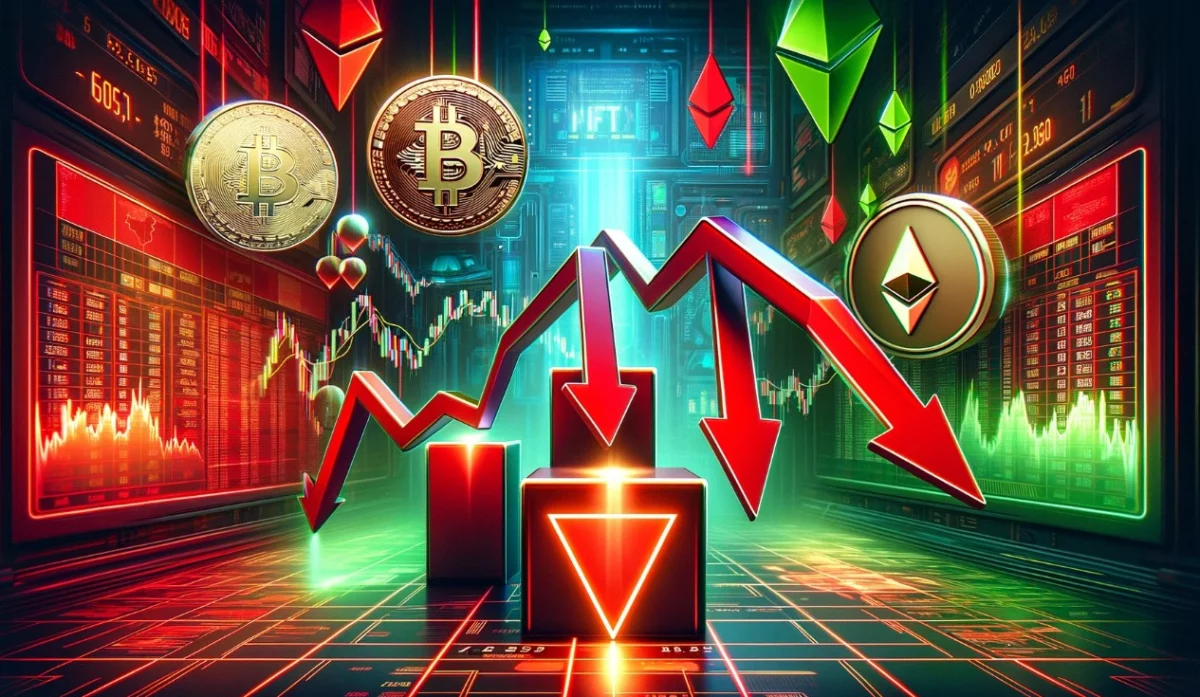
The global non-fungible token (NFT) ecosystem is experiencing a severe downturn, characterized by plunging trading volumes, plummeting floor prices, and a palpable loss of mainstream consumer interest. While the broader cryptocurrency market has revelled in renewed optimism, fueled largely by the stellar price performances and institutional adoption of market heavyweights such as Bitcoin (BTC) and Ethereum (ETH), digital collectibles and blockchain-based artwork have been left behind. Once celebrated as a revolutionary asset class that bridged the gap between fine art, gaming, and decentralized finance, the NFT sector is now grappling with an extended market correction that challenges its long-term viability in its current form.
Recent metrics paint a sobering picture of an industry struggling to retain relevance. Google search queries for the term "NFT" have plummeted to levels not witnessed since early 2021, a period just before these digital tokens captured the global imagination and propelled decentralized marketplaces into the mainstream consciousness. This staggering drop in public curiosity is not merely a psychological phenomenon; it is mirrored directly in the financial performance of blockchain networks and secondary marketplaces worldwide.
The Chronology of Euphoria and Retracement
To understand the current state of the NFT marketplace, one must look back at the meteoric rise and subsequent stabilization of the sector. The timeline of digital collectibles is marked by extreme volatility, beginning with speculative frenzy and evolving into systemic adjustments.
In January 2022, the NFT market reached an unprecedented zenith, recording an astonishing $17.2 billion in monthly sales volume. Celebrities, institutional investors, and retail traders alike rushed to acquire digital avatars, virtual real estate, and algorithmic art pieces. However, this peak proved unsustainable. As broader macroeconomic conditions tightened, characterized by rising interest rates and waning global liquidity, speculative capital began fleeing high-risk digital assets.
Throughout 2023 and into the first half of 2024, the market continued to cool. According to comprehensive data from blockchain research firm DappRadar, total NFT sales plummeted by more than six percent during the first five months of the year, dipping to approximately $8.5 billion compared to the corresponding period in the previous year. This ongoing contraction underscores a fundamental shift in investor behavior, moving away from speculative digital trinkets and back toward foundational Layer-1 assets and regulated financial instruments.
Capital Rotation and the Influence of Ethereum ETFs
A critical catalyst for the recent acceleration of the NFT market slump occurred as regulatory bodies, most notably the United States Securities and Exchange Commission (SEC), began paving the way for the approval of spot Ethereum exchange-traded funds (ETFs). This regulatory milestone triggered a massive wave of capital rotation across the digital asset landscape.
As institutional and retail investors anticipated the introduction of Ethereum-backed investment vehicles, liquidity was aggressively redirected away from speculative sectors like NFTs and poured directly into ETH and related financial products. Nicolas Lallement, co-founder of the prominent NFT data tracker NFT Price Floor, notes that capital rotation is an intrinsic characteristic of cryptocurrency markets. When major assets like Ethereum capture the primary focus of market capital, secondary and tertiary ecosystems—including digital art and collectibles—frequently experience severe liquidity drains, resulting in cascading price drops.
This capital flight has devastated the floor prices of historically dominant NFT collections. Industry reports indicate that valuations for many premier blue-chip projects have cratered by 40 to 50 percent year-to-date. CryptoPunks, a pioneering collection minted on the Ethereum blockchain, is currently trading at valuation levels reminiscent of 2021, reflecting a steep 29 percent decline from its cyclical lows of the previous year.
Similarly, other foundational collections such as the Bored Ape Yacht Club (BAYC) and Chromie Squiggle have seen their Ethereum-denominated floor prices slashed to approximately half of their lowest values recorded during the previous year’s market troughs. Prominent digital art collector Daniel Maegaard noted that the vast majority of NFT portfolios continue to languish or drift downward, a stark contrast to the euphoric speculation that defined the asset class three years ago. In response to these shifting market dynamics, several prominent collectors have actively divested portions of their blue-chip portfolios, including works by celebrated digital creators such as XCOPY, Hackatao, and Coldie.

Platform Resilience Amid Industry-Wide Contraction
Despite the overarching bearish sentiment and widespread contraction in trading volume, select infrastructure providers and marketplaces have demonstrated remarkable resilience by capturing shifting market share. While traditional industry titans have witnessed steady declines in activity, alternative marketplaces like Magic Eden have managed to sustain user engagement through multi-chain integrations and rewards programs.
Sara Gherghelas, an expert analyst at DappRadar, observed that platforms capable of adapting to cross-chain functionalities have weathered the storm more effectively than their single-chain predecessors. Although Magic Eden enjoyed record-breaking transaction volumes earlier in the year—particularly during periods of heightened activity on alternative blockchains—subsequent months have nonetheless reflected the broader industry-wide cooling trend.
Macroeconomic Pressures and Broader Market Implications
The current plight of the non-fungible token sector cannot be viewed in isolation. It unfolds against a backdrop of wider macroeconomic tightening and acute volatility within the primary cryptocurrency markets. At the time of reporting, Ethereum was changing hands at approximately $3,480, tracking downward alongside Bitcoin. ETH suffered a sharp five percent correction within a 24-hour window, compounding an eight percent decline over a seven-day period.
This broader market correction highlights the interconnected nature of the digital asset economy. When macroeconomic pressures induce risk-off behavior among traders, liquidity evaporates from speculative niches long before it abandons foundational cryptocurrencies. For NFTs, this dynamic exposes an underlying vulnerability: the reliance on perpetual speculative momentum to sustain elevated valuations.
Fact-Based Analysis of Future Industry Prospects
As the NFT market navigates this protracted correction, industry experts and analysts are divided on what the future holds for digital ownership and blockchain-based provenance. While the era of indiscriminate speculation, multi-million-dollar cartoon avatar sales, and unregulated hype appears to have reached its twilight, the underlying technology continues to mature.
Financial analysts emphasize that the current downturn is a necessary cleansing mechanism. By purging unsustainable speculative excess, the market is forcing builders, creators, and platform developers to pivot toward genuine utility. Future growth within the sector is increasingly expected to stem from practical applications outside of speculative art, such as tokenized real-world assets (RWAs), verifiable supply chain tracking, decentralized digital identity, and gaming infrastructure where in-game assets provide tangible utility to players.
Furthermore, the structural shift toward multi-chain ecosystems suggests that future liquidity will not be concentrated solely on Ethereum. As alternative layer-1 and layer-2 scaling solutions mature, they offer lower transaction fees and faster settlement times, which could democratize participation in digital asset ownership once market sentiment eventually recovers.
In conclusion, the non-fungible token market is enduring a profound and sobering realignment. Characterized by plunging sales volumes, diminished public interest, and a decisive rotation of capital toward regulated financial products like Ethereum ETFs, the sector is being forced to redefine its value proposition. While individual collections and resilient marketplaces continue to carve out pockets of activity, the overarching trend points to a sustained market correction. Whether the industry can successfully transition from a speculative fad into a mature, utility-driven pillar of the digital economy remains one of the most compelling narratives in the ongoing evolution of blockchain technology.