For over a decade, Bitcoin has maintained its position as the preeminent "store of value" within the digital asset ecosystem. Built on the bedrock of cryptographic scarcity, decentralization, and a fixed supply cap, it has been widely regarded as the "digital gold" of the 21st century. However, as 2026 unfolds, a sophisticated shift in investor sentiment is challenging this singular dominance. The emergence of fractionalized Non-Fungible Tokens (NFTs) as a viable asset class is forcing a re-evaluation of what constitutes a "store of value" in the modern financial landscape, moving beyond mere scarcity toward the integration of liquidity, utility, and fractional ownership.
The Evolution of Digital Scarcity
The transition from traditional, monolithic NFTs to fractionalized versions represents a significant maturation of the Web3 market. Originally, NFTs were defined by their indivisibility; an asset was either owned entirely by one party or not at all. This created a high barrier to entry, effectively locking blue-chip assets—such as rare CryptoPunks or high-value virtual land—behind massive capital requirements.
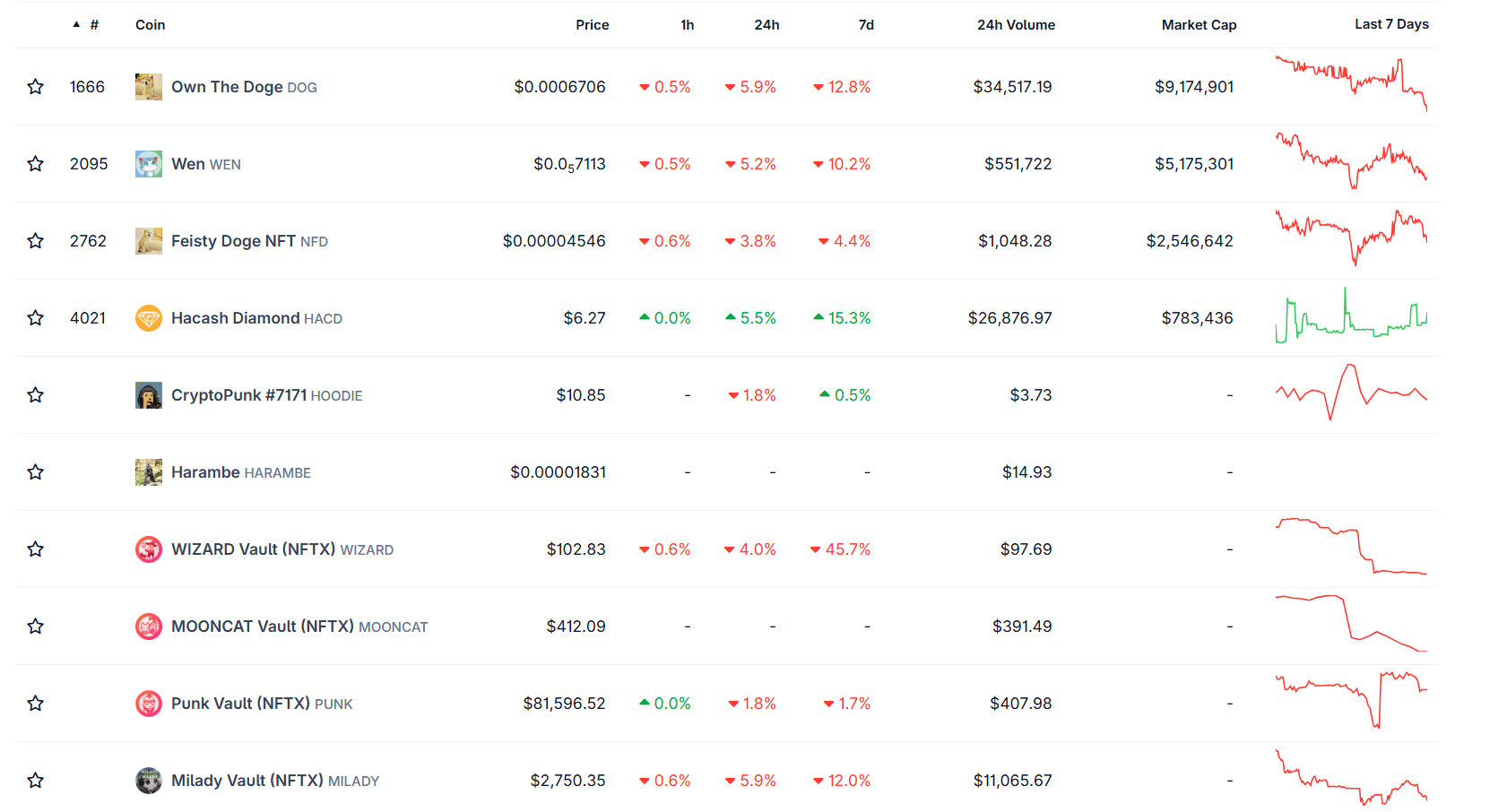
Fractionalization changes this paradigm by utilizing smart contracts to lock a high-value NFT into a vault, which then mints a specific quantity of fungible ERC-20 tokens representing proportional ownership of that underlying asset. This process effectively bridges the gap between the unique, non-fungible nature of art or real-world assets and the liquidity of standard cryptocurrencies.
A Chronology of the Fractionalization Movement
The concept of fractionalizing digital assets did not emerge overnight. Its trajectory has been marked by several key phases of adoption:
- 2021–2022: The Experimental Phase. Early protocols began testing the viability of splitting NFTs. While the technology was nascent, it faced significant regulatory uncertainty and a lack of standardized secondary markets.
- 2023–2024: Infrastructure Development. As the broader NFT market faced cooling interest, developers shifted focus toward "utility-first" assets. Infrastructure for decentralized exchanges began supporting vault tokens, allowing for smoother price discovery.
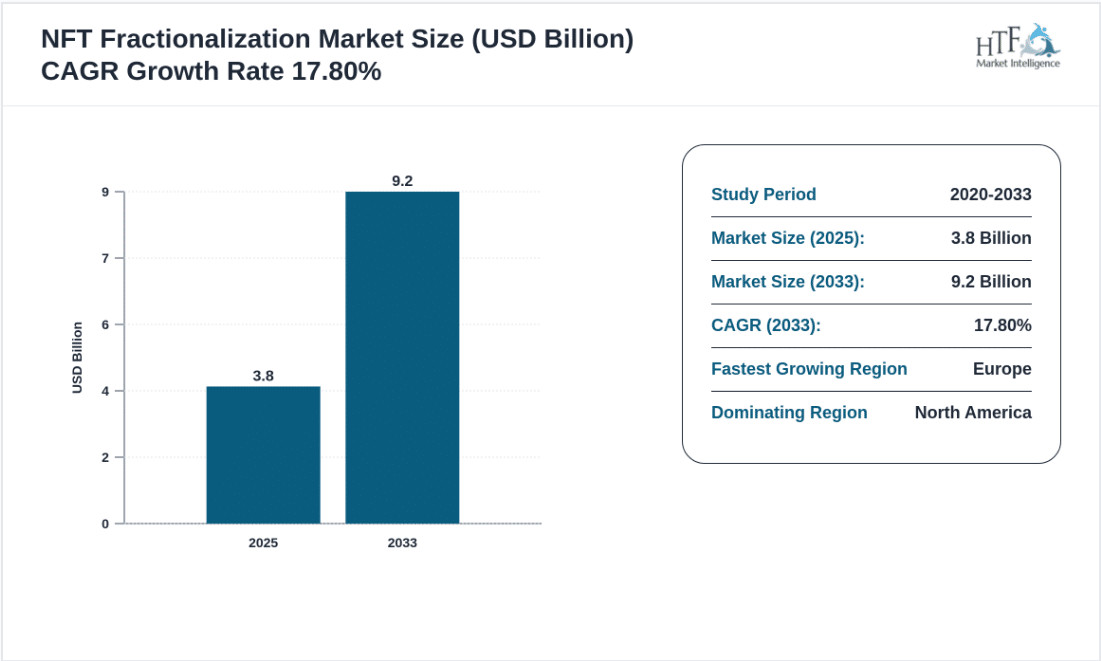
- 2025: The Market Inflection Point. Industry data suggests that the valuation of the fractionalized NFT market reached approximately $3.8 billion. This was driven by increased institutional interest and the integration of these tokens into broader decentralized finance (DeFi) ecosystems.
- 2026: The Paradigm Shift. Entering 2026, the narrative has shifted from mere "collecting" to "asset management." Fractionalized NFTs are increasingly viewed as yield-bearing assets, capable of being staked, used as collateral, or integrated into complex financial instruments.
Supporting Market Data and Projections
The economic argument for fractionalized NFTs is backed by robust growth projections. According to recent market intelligence reports, the sector is currently on an upward trajectory with a compound annual growth rate (CAGR) of 17.8%. Projections estimate that by 2033, the market will balloon to $9.2 billion.

Unlike the volatile, often speculative nature of the broader NFT market, fractionalized assets have shown a resilience tied to their underlying value. For instance, while volume for standalone NFTs may experience seasonal lulls, the trading activity for vault tokens remains consistently higher due to their fungibility. This liquidity allows investors to enter and exit positions with significantly less slippage, a critical requirement for any asset seeking "store of value" status.
Bridging the Gap: Access and Liquidity
The primary appeal of fractionalized NFTs is the democratization of high-end asset classes. By allowing retail investors to acquire fractional ownership of an asset for as little as $10, platforms have opened up markets previously reserved for the ultra-wealthy.
From an economic perspective, this is a revolutionary shift in market depth. When an asset is illiquid, its price is often arbitrary and prone to extreme volatility. By fractionalizing it, the market forces a continuous price discovery mechanism based on supply and demand. As more users participate in the trading of these fractions, the "fair market value" of the underlying NFT becomes more transparent and less subject to the whims of a single buyer.

The DeFi Integration: Beyond Traditional Ownership
What truly distinguishes fractionalized NFTs from Bitcoin in the current 2026 market is their inherent utility. Bitcoin is a passive asset; it is held, transferred, or used as collateral, but it does not produce inherent cash flow. In contrast, fractionalized NFTs are increasingly being integrated into the DeFi stack.
Owners of fractionalized tokens can often:
- Stake their tokens to earn governance rights or rewards within a specific DAO (Decentralized Autonomous Organization).
- Provide liquidity to decentralized exchanges, earning fees from trading volume.
- Utilize the tokens as collateral for lending protocols, allowing them to leverage their position without liquidating the underlying asset.
This transformation from a static "collectible" to a "productive asset" aligns more closely with the goals of institutional investors who prioritize yield generation alongside capital preservation.
Implications for the Digital Asset Landscape
The rise of this asset class suggests a broader shift in investor behavior. While Bitcoin remains the primary hedge against traditional fiat currency devaluation, fractionalized NFTs are filling a different void: the need for diversified, accessible, and productive digital exposure.
Market analysts note that the risks associated with fractionalized NFTs are distinct from those associated with Bitcoin. While Bitcoin faces systemic and regulatory risks, fractionalized NFTs carry smart contract risk and reliance on the underlying asset’s curator. However, for a generation of investors accustomed to the digital-native economy, these risks are increasingly being mitigated through more rigorous auditing and transparent vault protocols.
Responses and Future Outlook
While institutional "Bitcoin maximalists" maintain that no asset can replicate the security and historical performance of Bitcoin, the growing adoption of fractionalized protocols cannot be ignored. Financial analysts have observed that major digital asset managers are now quietly building infrastructure to support the "fractionalization" of Real World Assets (RWAs). This includes not only digital art but also fractionalized rights to music, intellectual property, and even commercial real estate.
If this trend continues, the definition of a "store of value" will necessarily expand. By 2030, we may no longer look at digital assets as a monolithic group, but rather as a spectrum: where Bitcoin represents the base layer of digital money, and fractionalized NFTs represent the diverse, high-utility layer of digital property.
In conclusion, while it may be premature to declare fractionalized NFTs "better" than Bitcoin, they are undeniably providing a superior mechanism for the ownership and trade of unique assets in the modern digital economy. As the technology continues to stabilize and integrate with the global financial system, the conversation around what we value—and how we store that value—will continue to evolve, signaling a departure from the one-size-fits-all approach of the previous decade. Whether through the lens of democratization, liquidity, or yield, the fractionalized NFT movement has firmly established itself as a cornerstone of the 2026 digital financial architecture.