
The burgeoning VESA Podcast has officially launched, with its inaugural episode featuring a comprehensive discussion with David Orban, a distinguished investor, entrepreneur, author, and global technology thought leader. The conversation, recorded remotely from Orban’s home in Northern Italy, delves into a wide array of topics, from the profound impact of silent retreats and the future of human-machine integration to the evolution of religion and the democratizing potential of entrepreneurship. This debut episode marks a significant step in VESA’s initiative to foster deeper connections and intellectual discourse within the technology and creative communities.
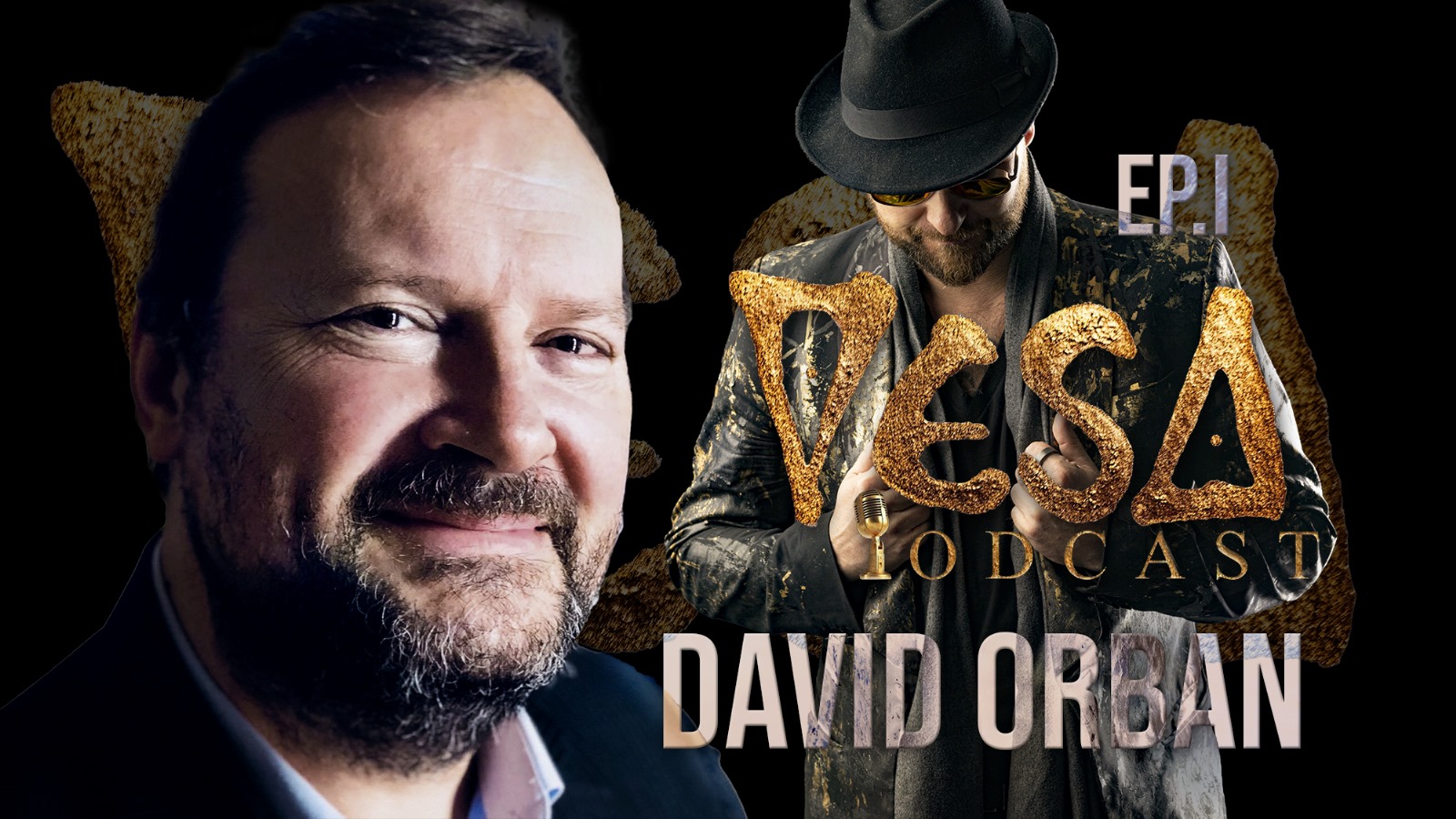
The VESA Podcast, building on a previous iteration that hosted notable figures like Charlie Lee in 2017, has been reimagined to offer a more dynamic and contemporary platform for engaging with influential personalities. The rebrand signifies a renewed commitment to connecting with individuals at the forefront of innovation and thought leadership. The initial recording of this episode, while initially a 360p Zoom file, was artfully upscaled to 4K using artificial intelligence, ensuring a visually crisp presentation despite minor limitations in the original capture.
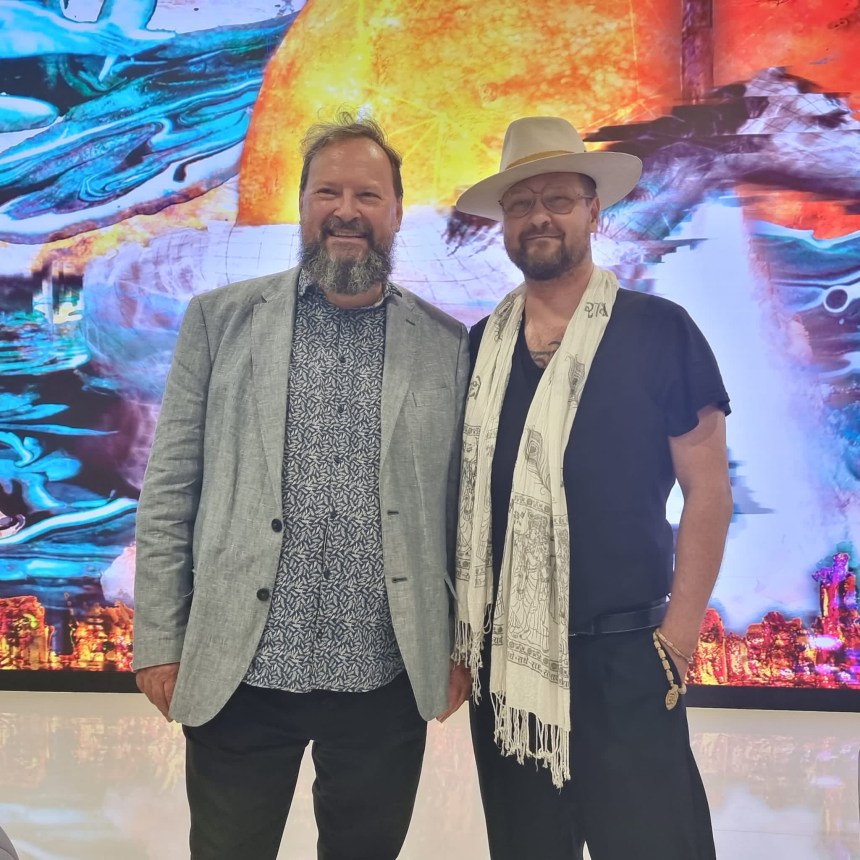
David Orban, whose career spans over two decades of founding and growing technology companies, brings a wealth of experience and a unique perspective to the discussion. His initial encounter with VESA took place in Dubai during an exhibition at the Dubai Mall, where their conversation quickly evolved beyond superficial exchanges to encompass profound explorations of the rapidly changing technology landscape, the intricacies of entrepreneurship, the ethical considerations surrounding Artificial Intelligence, and speculative visions for the future of the digital ecosystem. This podcast episode serves as an interpretative summary of that initial dialogue and its subsequent expansion.

The Power of Inner Science and Digital Disconnection
The conversation commenced with VESA probing Orban’s thoughts on "inner science," specifically referencing his completion of a Vipassana silent retreat. For a prominent technologist, a complete withdrawal from electronics, literature, and even direct human interaction might seem counterintuitive. However, Orban lauded the retreat as a profoundly impactful and positive experience. He described the immense discipline required to immerse oneself in a world devoid of digital distractions, books, or newspapers, emphasizing that this self-administered discipline was undertaken with a clear understanding of its inherent benefits. While the recommendation following such retreats is to meditate one to two hours daily, Orban candidly admitted he has not yet fully integrated this practice into his routine.
This introspection into mindful disconnection starkly contrasts with the subsequent discussion on the relentless march toward total electronic and machine integration. Orban posed a critical question: "How far down the pike are we? Will we even realize, when the chip is installed, or has it indeed already been installed years ago due to our association with technology?" His response offered a framework for understanding our experiences through an objective-subjective axis, further modulated by considerations of time and place. He articulated that technology is deeply intertwined with these temporal and geographical elements, actively socializing us and shaping our behaviors and skill acquisition. Orban stressed the necessity of modulating this influence to maintain a balanced perspective.
The Evolution of Religion: An "MMA of Religion"?
VESA then introduced a nascent concept he has been developing: the potential evolution of religion in what might be considered a post-Christian era. Orban suggested the emergence of an "MMA of religion," a blend of traditions drawn from diverse faiths. He articulated a vision of individuals capable of connecting disparate dots across various fields and drawing authority from multiple sources, advocating for a degree of "immodest but humble" intellectual exploration.
"Many are uncomfortable in accepting revealed religions as the answer to essential questions," Orban stated, "but as I saw after the collapse of the Berlin wall, people have a need for religious experiences and I respect that, so I feel an evolution to bridge that gap might very well be underway." He drew a parallel between the current spiritual landscape and the traditional church paradigm, suggesting that in many ways, a regression of 200 years might be necessary to understand contemporary religious frameworks.

VESA further elaborated on this by highlighting the rise of simulation theory as a modern quasi-religious belief surfacing from different fields. He posited that this perspective, when combined with the rapid advancement of AI, could potentially lead to a "pathologically Godless society, lacking spiritual nourishment and transcendence." He observed the perplexing dichotomy of our era: possessing the most advanced non-biological technology while simultaneously experiencing a profound desire to reassert human centrality.
The Simulation Hypothesis and Shifting Societal Labels
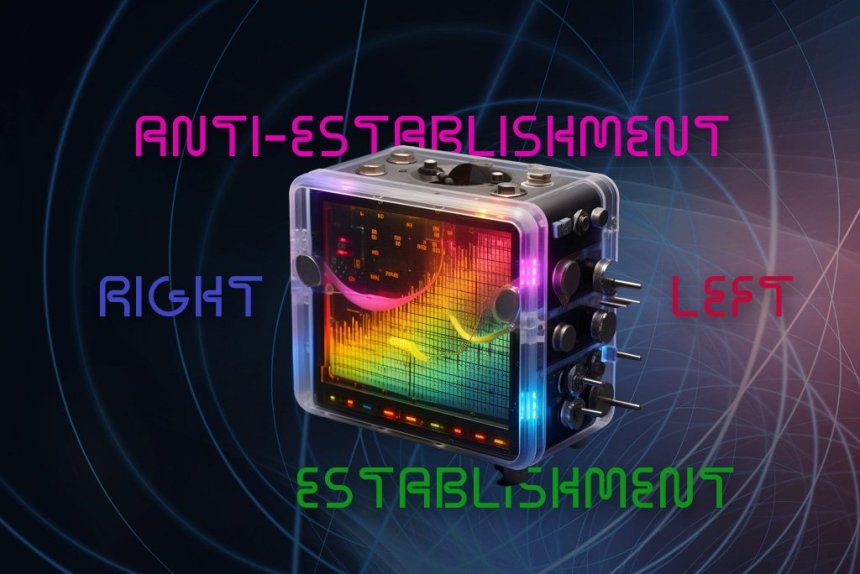
The discussion then pivoted to the pervasive question of whether we are living in a simulation, a concept that has gained considerable traction in contemporary discourse, particularly within technological and philosophical circles. Orban’s insights, informed by his "AI Series Juxtaposers," explored the fluidity of societal labels. He presented the idea that in the current polarized political climate, the distinction between "establishment" and "anti-establishment" is becoming increasingly blurred. Labels can rapidly shift, he explained, citing the example of Russell Brand, who is now perceived as right-wing primarily due to his vocal anti-establishment stance.

This axiom forms the core of the "Juxtaposers" series, which features polarizing figures like Andrew Tate, Ben Shapiro, and Alexandria Ocasio-Cortez. Orban used a provocative analogy to illustrate his point: "If you think about it, the Amish are more anti-establishment than most, it’s just a low dopamine ride," he quipped, drawing a parallel between Andrew Tate and an Amish apple picker to highlight the unexpected convergence of seemingly disparate ideologies and lifestyles when viewed through an anti-establishment lens.
AI’s Impact on Art and the Democratization of Creativity
Transitioning to the realm of creative expression, VESA shared his mixed reactions to a video featuring Sam Altman and Android Jones discussing AI. He noted the stark contrast between Jones’s very name and his fervent opposition to AI, highlighting a potential tension between technological advancement and artistic integrity. Orban countered this by emphasizing the historical role of guilds in controlling artistic trades and contrasting it with the current opportunity to "open the arts for everyone."
"The current situation is a dam about to burst," Orban declared. "The label ‘artist’ is open to everyone, and we will devise new metrics of value as a result." He provided a concrete example of commissioning an AI-generated rap song as a soundtrack for his painting process, an unprecedented level of personalized artistic creation previously unimaginable even for royalty. This illustrates a paradigm shift where AI is not merely a tool for production but a catalyst for democratizing creative expression and generating novel forms of value.
Actioneer: Empowering the Modern Entrepreneurial Artist
The conversation concluded with an exploration of Orban’s company, Actioneer. VESA expressed his understanding that while many individuals, including artists, may possess exceptional craft and observational skills, they may hesitate to assume traditional CEO or COO roles. He inquired about how Actioneer can support artists and others in similar positions.
"The world is so complex that we need all the help we can get," Orban stated. "AI can help us decode our questions better than ever before, as we look into a paradigm where the old system of educating, gaining a job, working, and dying is being challenged." He identified startup founders as the vanguard of this transformation and highlighted Actioneer’s role in supporting the entrepreneurial spirit. Historically, such support was exclusive to a select few through incubators and mentorships. Actioneer aims to democratize this assistance, making it "very abundant."
Orban projected a future where tools like Actioneer will be as ubiquitous as internet access, becoming integral to modern life. VESA summarized the necessity of such tools by asserting that "if you don’t become an entrepreneur as an artist, you won’t be an artist for long." This sentiment underscores the evolving demands on creators in the digital age, necessitating not only artistic talent but also entrepreneurial acumen.

David Orban’s insights on the VESA Podcast offer a forward-looking perspective on the intricate interplay between technology, spirituality, and the future of human endeavor. The episode is available for listening on both Spotify and YouTube, inviting a broader audience to engage with these critical discussions.
Sources and Further Information:
- Listen on Spotify: https://open.spotify.com/show/0QKjBhNdCbqnjW1dXY05LJ
- Listen on YouTube: https://www.youtube.com/watch?v=kpdndQGUjxs
- David Orban’s Website: https://davidorban.com/
- David Orban’s Socials: https://davidorban.com/follow/
- VESA’s Links: http://linktr.ee/ArtByVesa
- Juxtaposers Series: https://www.artforcrypto.com/juxtaposers
- Actioneer: https://actioneer.ai/