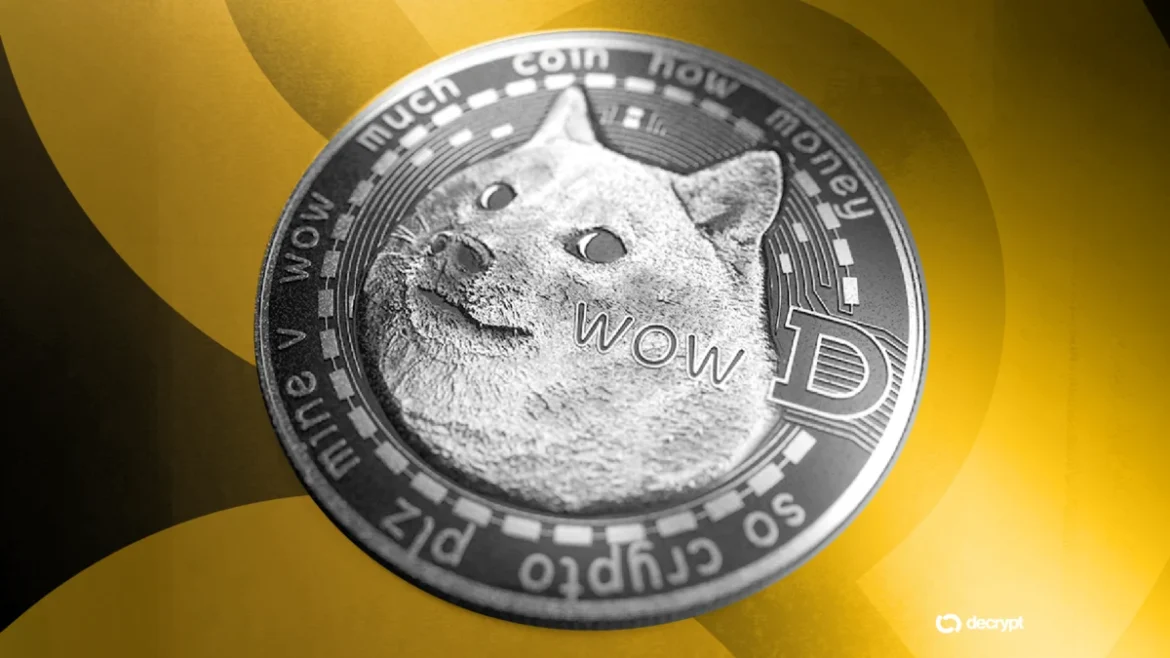
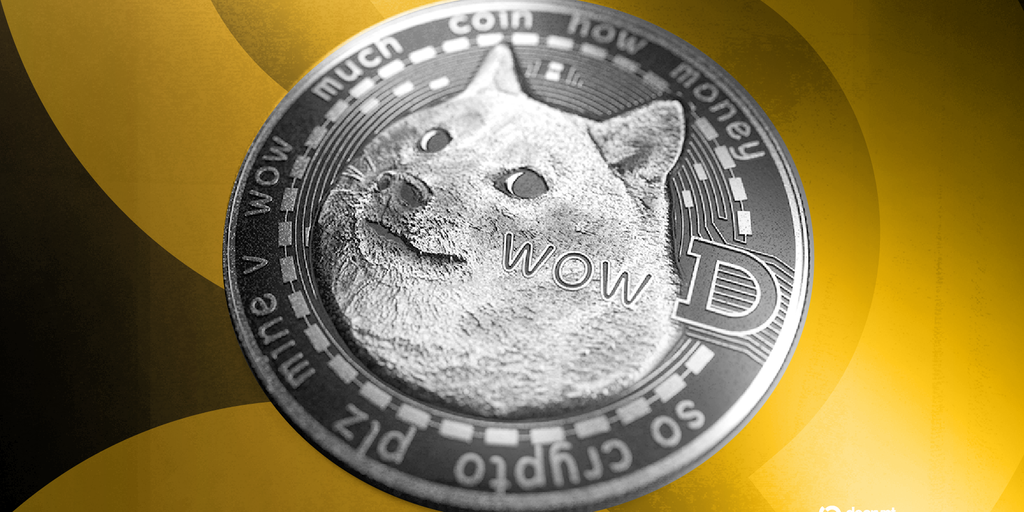
Dogecoin, the world’s most prominent meme-inspired cryptocurrency, is officially taking a historic step toward enterprise utility and decentralized application development. On Wednesday, the developers behind DogeOS officially opened the public testnet for its groundbreaking Dogecoin application layer. This milestone marks a critical turning point for a network that began in 2013 as a lighthearted joke between software engineers Jackson Palmer and Billy Markus, only to evolve into a multi-billion-dollar ecosystem, cultural touchstone, and global digital asset.
By introducing a dedicated application layer running on zero-knowledge virtual machine (zkVM) technology, DogeOS seeks to bridge the gap between Dogecoin’s secure, decentralized base ledger (Layer 1) and the complex, programmable capabilities historically reserved for networks like Ethereum. While the testnet operates in a risk-free environment where transactions use simulated funds rather than real capital, the rollout signals a structural paradigm shift in how the wider crypto community perceives and interacts with the iconic meme coin.
The Technical Architecture of DogeOS
To understand the magnitude of the DogeOS public testnet launch, one must examine its underlying architecture. Developed by the team behind the popular MyDoge wallet, DogeOS is designed as an application layer rollup network operating on top of Dogecoin. Crucially, the protocol functions independently as a separate layer, meaning it does not alter or disrupt the fundamental source code, consensus mechanism, or inflation model of the underlying Dogecoin blockchain.
At its core, DogeOS leverages a zkVM—a specialized software environment that generates cryptographic proofs, functioning essentially as mathematical receipts verifying that every transaction executed on the layer is valid without revealing sensitive data. Furthermore, DogeOS is fully EVM-compatible (Ethereum Virtual Machine). This compatibility is a massive boon for developers, as it means self-executing smart contracts, pre-existing wallets, and developer tooling originally built for Ethereum can be seamlessly ported over to the DogeOS ecosystem.
Transaction fees on the testnet are denominated in DOGE, reinforcing the token’s utility within its new ecosystem framework. To encourage developer participation and rigorous network testing, the project has established a dedicated faucet program. Developers and testers utilizing the testnet receive a daily distribution of precisely 42.069 test DOGE tokens, providing ample liquidity to experiment with smart contracts, decentralized finance (DeFi) protocols, and interactive applications.
Early Ecosystem Partners and Applications
Even at this early stage of its public testnet lifecycle, DogeOS boasts a robust lineup of decentralized applications (dApps) and infrastructure projects preparing to deploy on the network. This early developer adoption demonstrates a pent-up demand for utility within the Dogecoin community.
Among the prominent protocols slated for the ecosystem is Superposition Finance, a decentralized lending protocol that enables users to borrow assets against deposited cryptocurrency collateral. Alongside lending, the perpetual exchange sector is represented by Derps, a platform designed for trading perpetual futures contracts that allow users to speculate on price action with no fixed expiry date.
In the stablecoin sector, USDoge is introducing a collateralized debt position (CDP) stablecoin mechanism. This cryptographic token is engineered to maintain a steady price peg by being minted against locked digital collateral. Meanwhile, Snag is bringing a prediction market aggregator to the network, establishing a centralized hub where users can wager on real-world political, economic, and cultural outcomes.
Gaming and consumer applications are also finding a home on DogeOS. PlaysOut, a prominent mini-game publisher, has integrated with the ecosystem. The publisher previously laid out an ambitious roadmap targeting the launch of approximately 15 distinct, Dogecoin-themed casual games by the end of 2025, successfully blending entertainment with blockchain-based digital ownership.
Chronology of Development and Strategic Proposals
The launch of the public testnet is the culmination of months of methodical engineering, community engagement, and strategic planning by the DogeOS team. The historical trajectory of this expansion highlights a deliberate effort to modernize Dogecoin without compromising its foundational security.
In July 2025, the DogeOS development team submitted a formal proposal to introduce zero-knowledge proof capabilities directly to the Dogecoin base layer. Because Dogecoin lacks a formal, centralized on-chain governance framework—unlike protocols with automated voting systems—implementing structural changes to Layer 1 requires a complex, consensus-driven process. This necessitates exhaustive contributor reviews, extensive community discussions, rigorous third-party security audits, and widespread signaling from network miners.
Recognizing the hurdles of updating the foundational blockchain directly, the project pivoted toward a modular Layer-2 approach. By maintaining the immutability of the base ledger while layering programmable utility on top, the developers found a viable compromise that satisfies both purists and innovators within the ecosystem. The opening of the public testnet on Wednesday represents the tangible realization of this architectural vision, moving the project from theoretical whitepapers to active, community-driven deployment.
Stakeholder Perspectives and Industry Reactions
The debut of the DogeOS testnet has elicited widespread commentary from prominent figures across the digital asset landscape, highlighting the delicate balance between expanding network utility and preserving blockchain integrity.
Jordan Jefferson, founder and CEO of DogeOS, framed the public testnet launch as a historic milestone that redefines the asset’s long-term trajectory. "Today marks the beginning of Dogecoin’s evolution from asset to ecosystem," Jefferson stated during the release. By providing developers with the tools to build sophisticated decentralized finance applications, games, and stablecoins, Jefferson believes Dogecoin can transcend its origins as a speculative digital currency.
This sentiment was echoed by Timothy Stebbing, director of the Dogecoin Foundation, who emphasized the importance of safeguarding the network’s foundational ledger. "L1 ledger purity must stay intact while we introduce utility one layer above, and that is what DogeOS represents to me," Stebbing remarked. The Foundation’s cautious endorsement underscores the industry-wide consensus that Layer-1 blockchains must prioritize security and decentralization, delegating high-throughput computations and complex application logic to scalable secondary layers.
Broader Market Context and Economic Implications
The aggressive push to expand Dogecoin’s utility arrives during a critical juncture for the asset’s market performance. Despite boasting a massive multi-billion-dollar market capitalization and retaining a fiercely loyal global community, Dogecoin has faced persistent downward price pressure. Market data indicates that the asset has experienced a severe correction of approximately 75% from its all-time high, making it one of the few legacy large-cap cryptocurrencies still trapped in a prolonged bearish trend.
This macroeconomic slump occurred despite several milestone financial developments, most notably the successful launch of multiple Dogecoin exchange-traded funds (ETFs) designed to provide institutional and retail investors with regulated exposure through traditional brokerage accounts. While ETFs successfully bridged the gap between traditional finance and cryptocurrency holding, they did not inherently introduce transactional utility, staking mechanisms, or decentralized application ecosystems to the network.
Analysts suggest that the introduction of an application layer like DogeOS could help bridge this fundamental gap. By transforming DOGE from a purely speculative store of value into an active utility token required for gas fees, collateralization, and decentralized application interaction, the network could stimulate organic on-chain activity. Increased transaction volume and utility-driven demand could potentially mitigate the downward trends driven purely by market sentiment and macroeconomic cycles.
Looking Ahead: Mainnet Roadmap and Next Steps
As the public testnet officially goes live, the primary focus for the DogeOS development team shifts to monitoring network stability, stress-testing smart contract execution speeds, and gathering comprehensive telemetry data from participating developers and end-users.
At present, the project’s official releases have not established a definitive launch date for the mainnet—the fully operational, production-grade network running on real capital. A mainnet launch will depend heavily on the performance, bug reports, and security audits gathered during the public test phase.
For the broader Dogecoin community, the testnet launch offers a tantalizing glimpse into a future where the world’s most famous meme coin is no longer just a digital collectible or speculative trading instrument, but a dynamic, programmable financial ecosystem capable of competing directly with advanced smart contract platforms.