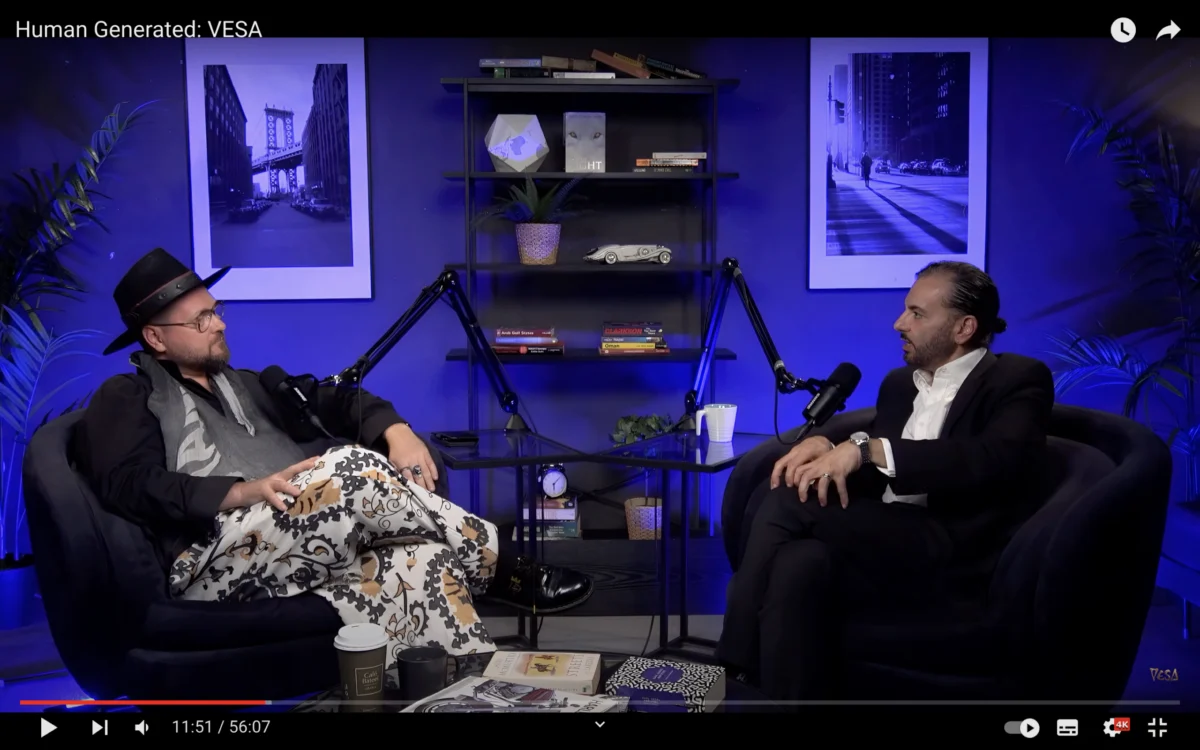
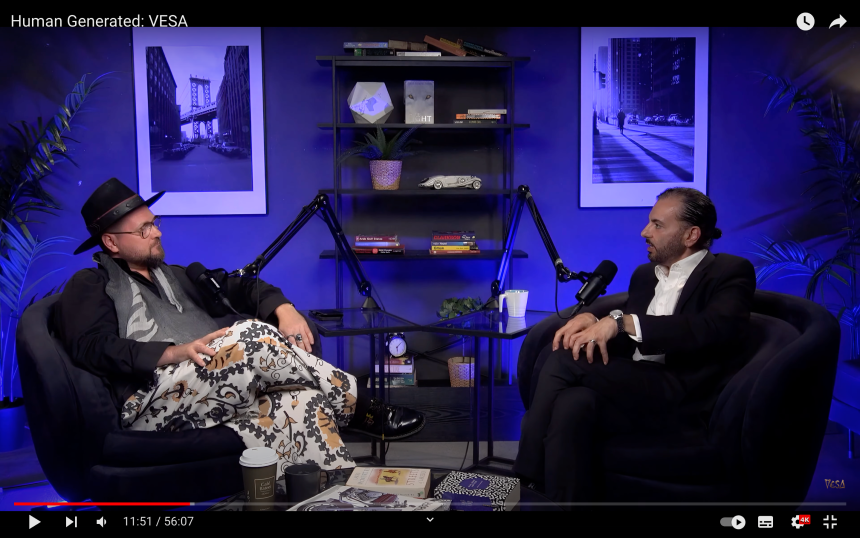
The vibrant city of Dubai, known for its futuristic skyline and burgeoning art scene, recently served as the backdrop for a profound conversation between acclaimed artist VESA and podcast host Omid Honari. Their discussion, captured on the "Human Generated" podcast, delved into the intricate relationship between art, spirituality, technology, and the very essence of human creativity. The two met amidst a day of keynote speeches at the Mohammed Bin Rashid Library, a serendipitous encounter that highlighted a shared interest in art’s deeper implications and its connection to the spiritual realm. This convergence of perspectives naturally led to an in-depth exploration of these themes during their podcast recording.
A Meeting of Minds in Dubai
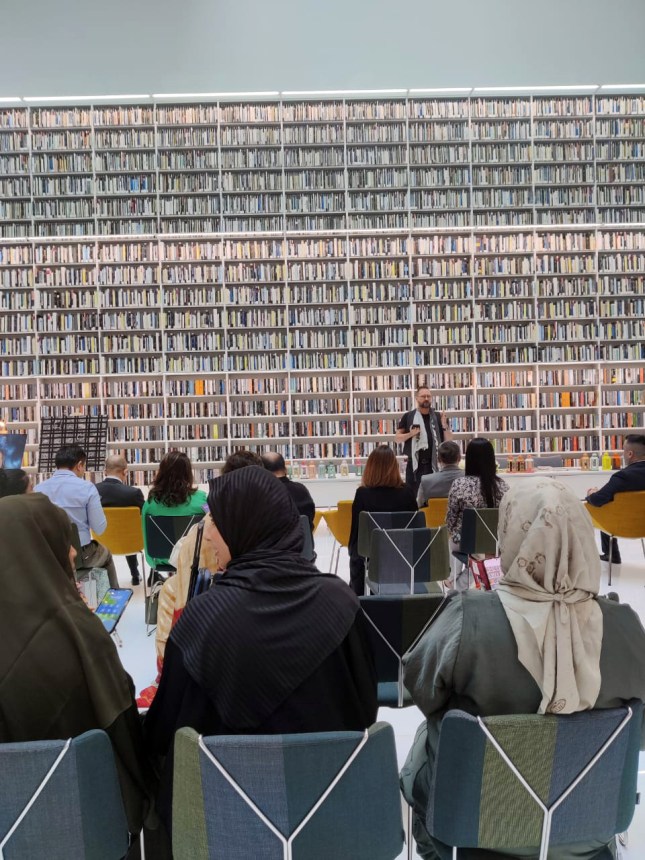
The genesis of this insightful dialogue can be traced back to early 2023, when VESA and Honari found themselves as speakers at the prestigious Mohammed Bin Rashid Library in Dubai. The library, a beacon of knowledge and culture, provided a fitting environment for two individuals passionate about art and its expansive possibilities. VESA, a Finnish-born artist known for his innovative approach to body painting and digital art, and Omid Honari, a host with a keen interest in the intersection of technology and human expression, discovered a mutual resonance in their talks. This shared ground laid the foundation for a more intimate exploration of their ideas on the "Human Generated" podcast.

The podcast episode, available on YouTube and Spotify, offers listeners a chance to witness a conversation that transcends the superficial, venturing into the philosophical and spiritual underpinnings of artistic creation. The encounter took place during Dubai’s sweltering late May, a period that VESA, having lived in Finland and the UK for extended periods, noted as his first winter experiencing consistent warm weather. He spoke of shedding "cold trauma," a sentiment that Honari countered with an anecdote from his youth about the relative ease of coping with cold versus heat, emphasizing the personal nature of our relationship with our environment. This seemingly simple exchange about weather served as a metaphor for how we rationalize our emotional responses to the world through shared narratives and advice.
Navigating the Digital Frontier: Possibilities vs. Threats
A central theme of the podcast was Honari’s provocative proposition: whether the constellation of new technologies, including NFTs, the metaverse, and Web3, poses a threat to traditional creative arts. VESA, with characteristic conviction, respectfully disagreed. He articulated his perspective through the lens of Ken Wilber’s Integral Theory, a framework that views individuals and their contributions as integral parts of a larger, interconnected whole. This holistic approach, VESA argued, contrasts with conventional art education, which often emphasizes postmodernism without delving into the foundational reasons for human artistic expression – from ancient cave paintings to body art.
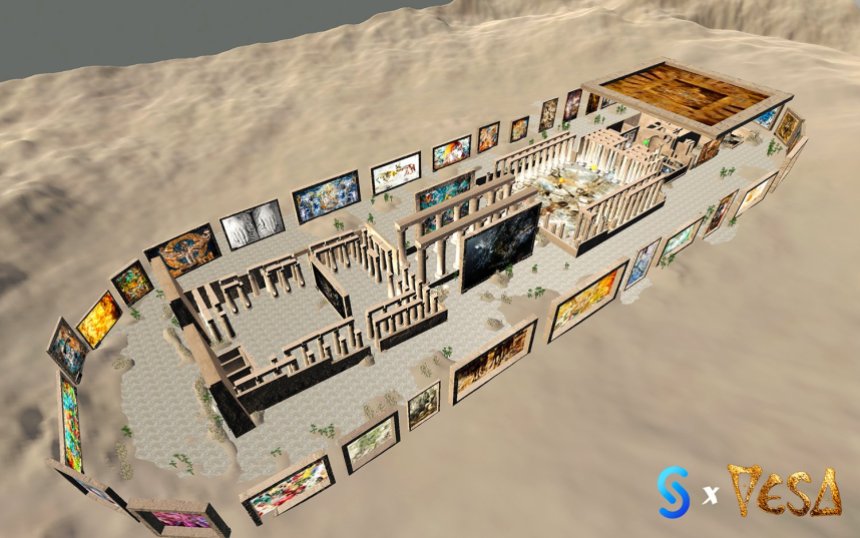
From VESA’s Integral viewpoint, new technologies are not disruptive forces but rather powerful tools that, when harnessed effectively, can dismantle old gatekeeping systems and foster unprecedented creative blossoming. He cited his LUXOR-inspired art gallery as a prime example, demonstrating how new technologies can lower entry barriers and engage with the origins of art. While acknowledging that traditional art institutions, often preoccupied with identity politics, may be slow to adapt, VESA asserted that for individuals, these advancements herald "total freedom."
Honari concurred with VESA’s critique of contemporary arts education, noting its tendency to be taught from the perspective of the current ideological climate, thereby obscuring the vast potential of emerging technologies. This led to a deeper discussion about bridging the gap between the tangible, essential nature of body painting and the cerebral, intangible digital realm. VESA recounted the powerful moment he first witnessed a model in full body paint, describing it as akin to a superhero’s appearance. His own artistic journey had already embraced the digital from 2008 onwards, a stance that proved challenging for art institutions prior to the advent of NFTs, which often demanded physical originals he did not possess.
The conversation then pivoted to the role of blockchain technology in establishing digital scarcity and ownership, a concept VESA likened to the rarity of the physical Mona Lisa. Honari, however, raised a pertinent question about the value attributed to digital artworks like the widely publicized "monkey picture," suggesting it might dilute genuine artistic endeavor. VESA clarified that while such projects might possess genius marketing and serve as access passes, they do not constitute art in the traditional sense.
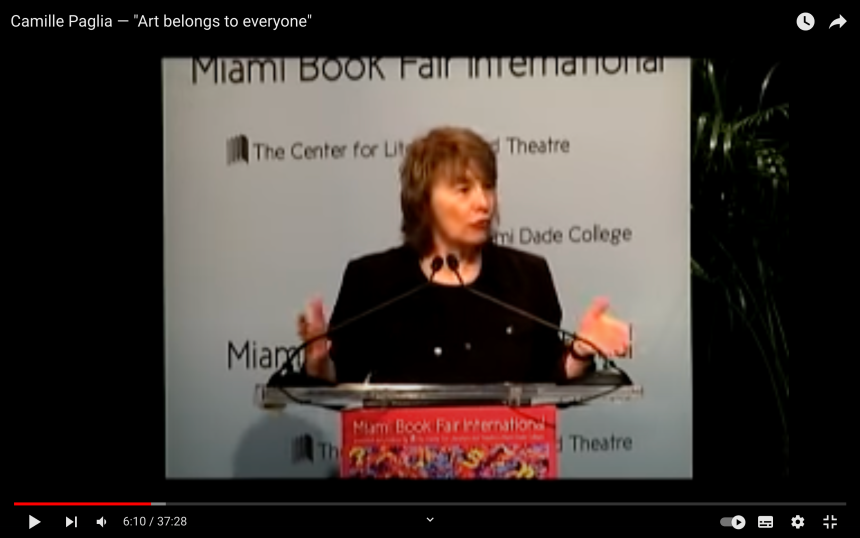
This distinction sparked a crucial debate about how the average consumer can discern between collectible digital assets and fine art rendered digitally. VESA echoed the sentiments of cultural critic Camille Paglia, suggesting that humanity stands on the precipice of another cultural Renaissance, provided the necessary steps are taken. He lamented that current institutions are not adequately preparing the collective consciousness for this evolution. He reiterated the difference between collectible digital art and digitized fine art, emphasizing that the underlying technology is the sole commonality. Nevertheless, VESA expressed optimism about the dismantling of traditional gatekeeping systems due to technological advancements. He pointed to Finland, his native country, as an example where government grants are often tied to perpetuating specific narratives, stifling genuine creativity and fostering an environment where artists prioritize what is favored over what is relevant, akin to a student catering to a teacher’s preferences.
The Primal Urge: Tracing Artistic Origins
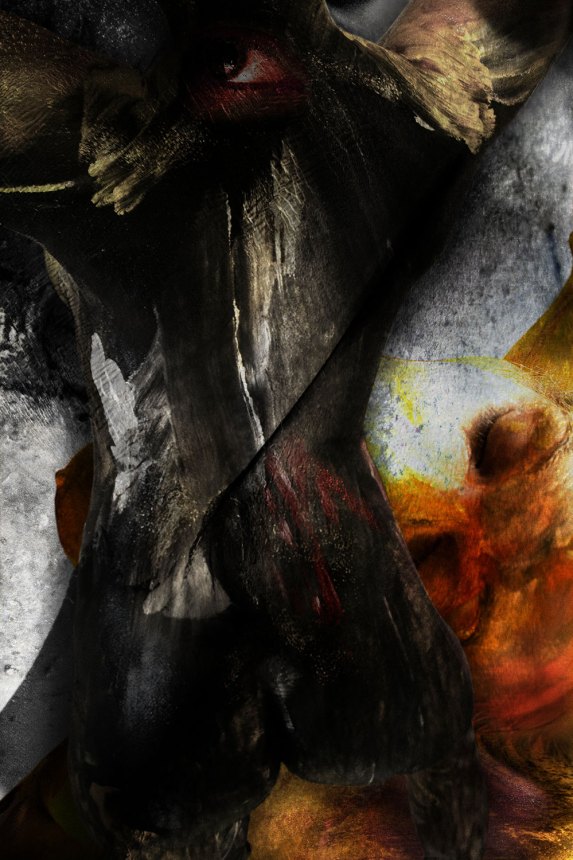
The discussion then turned introspective, with Honari inquiring about the origins of VESA’s artistic journey. VESA attributed his creative drive to two pivotal moments: his connection to music, particularly African drums, which ignited something profound within him, and a spiritual experience he had when he nearly drowned at the age of six. He described his creative process as a conduit, where at its best, it feels as though he is not the sole initiator but rather a vessel for something greater. Skill, he explained, allows this to manifest in a form that resonates with others, but the underlying driver is always that profound connection.
This near-death experience, VESA explained, was instrumental in his creative growth, bringing him "violently close to that origin point, the point of ultimate connection to God." He mused about the possibility of past lives or innate knowledge resurfacing. This concept of longing for origins was beautifully illustrated by Honari through a famous Rumi poem, which speaks of the reed pipe’s lament for its separation from the reed bed. This metaphor suggests that humanity, like the reed pipe, is imbued with a divine breath but yearns for unity with its source.
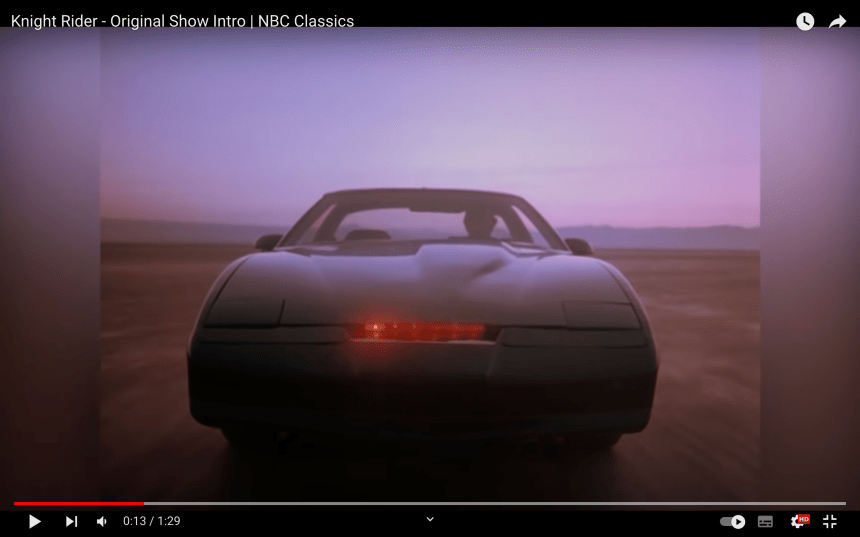
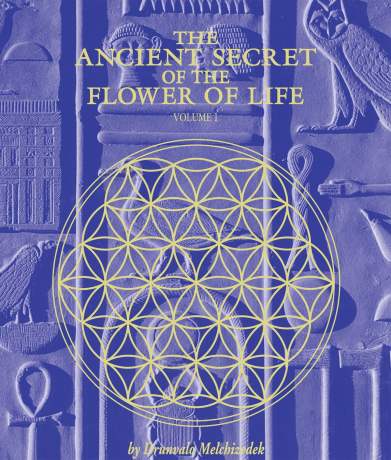
VESA further elaborated on his understanding of the divine, viewing the brain more as a receiver than a generator. He referenced "The Ancient Secret of the Flower of Life," a book that profoundly influenced him during his travels in Egypt and Mexico in 2012. This work posits that the fundamental pattern underlying all existence emanates from "the One," with the multitude of expressions representing our lived experience. He also shared how the Knight Rider theme song, as a child, inspired his desire to be a rock star, embodying the transformative power of artistic inspiration from a young age.
Art as Embodiment: From Human Form to Inanimate Objects
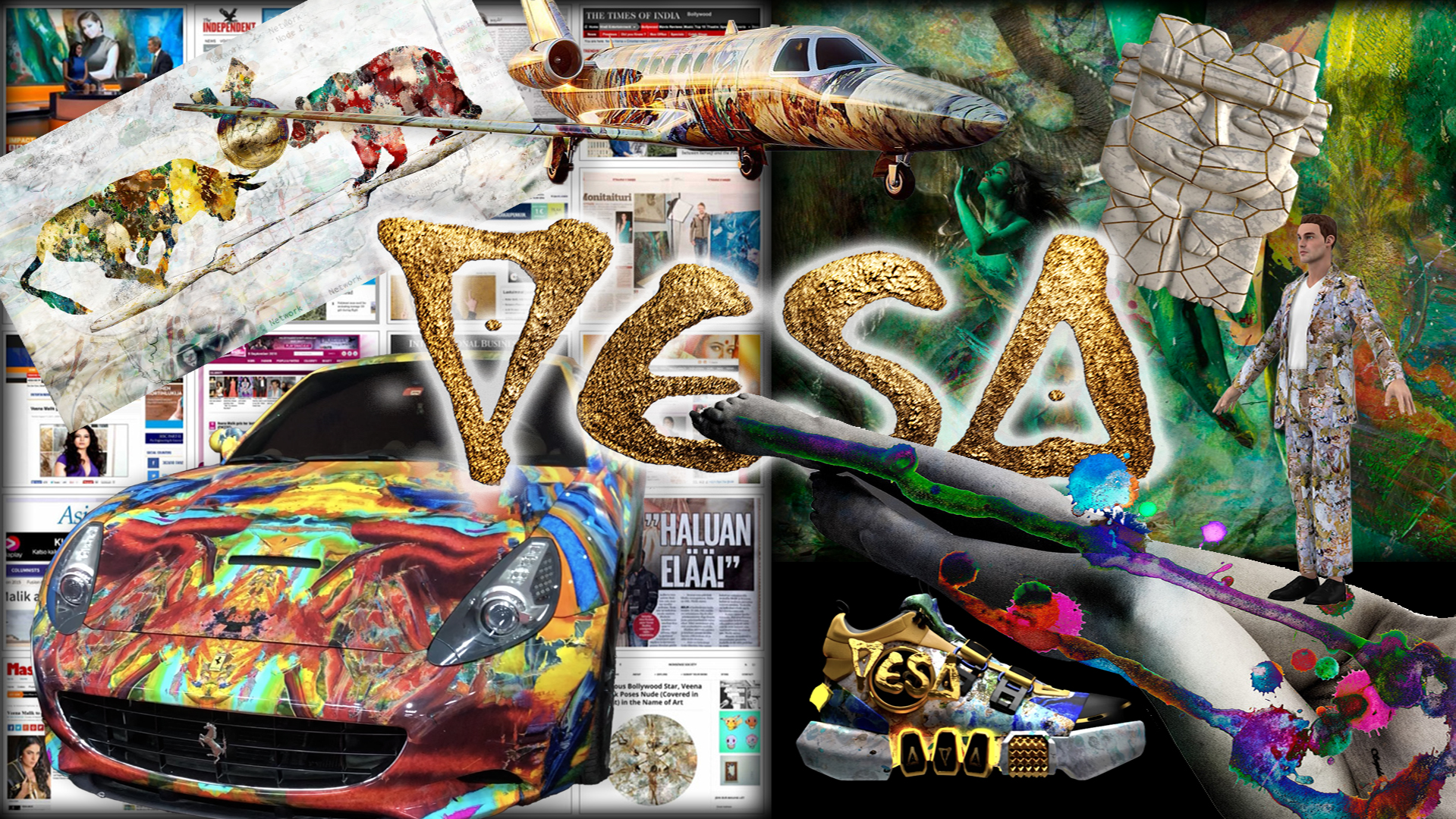
Honari then drew a parallel between VESA’s bodypainting methodology and his perception of inanimate objects as "bodies," such as the art cars he had recently observed. He inquired if VESA considered his "Art Cars" and other painted objects as an extension of his bodypainting practice. VESA acknowledged a human-centric aspect to this, as these objects are painted for human admiration. However, he also emphasized his deep respect for Islamic traditions and his commitment to avoiding the portrayal of humans as idols. His goal, he stated, is to showcase the "divine spark in the human form," celebrating the magnificent way humanity has been created.
This sensitivity to cultural context is evident in projects like the Dr. Marwan Tesla, an art car in Dubai that also features a digital double created by Zoan. VESA’s artistic endeavors often seek to bridge the physical and the digital, the spiritual and the tangible, reflecting a nuanced understanding of art’s role in contemporary society.
The conversation concluded with an invitation for a potential second episode, a testament to the rich and ongoing dialogue between VESA and Honari. VESA’s response, "Inshallah" (God willing), underscored the spiritual undercurrent that permeates his life and work.
This deep dive into VESA’s philosophy, as presented on the "Human Generated" podcast, offers a compelling perspective on the evolving landscape of art. It challenges conventional notions, embraces technological innovation, and ultimately points towards a future where art continues to be a powerful force for connection, self-discovery, and the exploration of the divine. The episode serves as a valuable resource for anyone interested in the intersection of art, technology, and spirituality, providing both intellectual stimulation and a profound appreciation for the enduring human drive to create and connect.