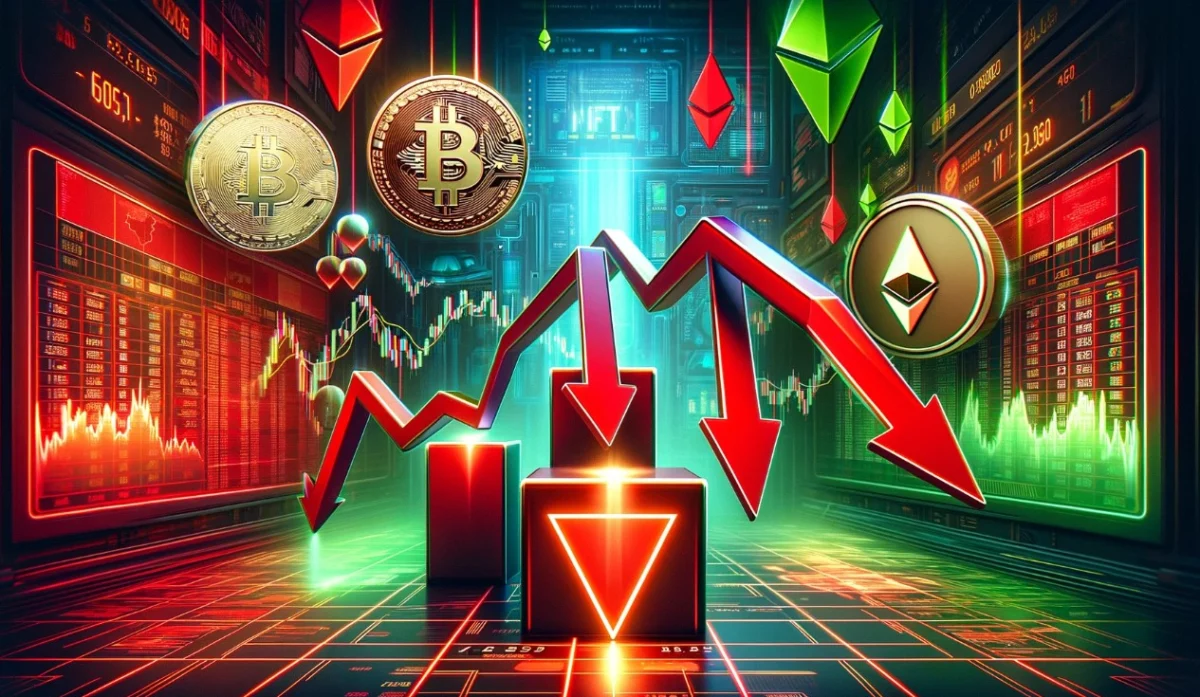
The broader cryptocurrency landscape has experienced a wave of renewed optimism driven by the surging performance and institutional adoption of marquee digital assets like Bitcoin (BTC) and Ethereum (ETH). Yet, this rising tide has notably bypassed the non-fungible token (NFT) sector. Once hailed as the disruptive frontier of digital ownership, the NFT market is enduring a prolonged period of declining popularity, plummeting trading volumes, and steep price corrections. Digital artwork, virtual real estate, and blockchain-based collectibles have lost a substantial portion of the cultural and financial appeal they commanded during the height of the 2021 crypto bull run.
Data from prominent analytics firms and search trends underscore this stark cooling-off period. According to internet traffic insights from Google, public interest in NFTs, measured by search engine query volume, has plummeted to its lowest baseline since 2021. That year marked the phenomenon’s mainstream breakthrough, characterized by multi-million-dollar digital art auctions, celebrity endorsements, and a rush of retail capital. Today, that enthusiasm has evaporated, replaced by market apathy and a decisive capital flight toward more traditional cryptocurrency tokens and regulated investment products.
The Chronology of Euphoria and Capitulation
The trajectory of the non-fungible token ecosystem serves as a textbook study in speculative asset cycles. The mania reached its zenith in January 2022, a month that recorded an astonishing $17.2 billion in aggregate NFT trading volume across various blockchains. Artists, entrepreneurs, and speculators alike flooded marketplaces, treating digital tokens as both cultural status symbols and high-yield financial instruments.
However, the subsequent macroeconomic tightening, rising interest rates, and a broader crypto market deleveraging throughout 2022 and 2023 crippled speculative appetite. The downward trend has persisted into the current year. According to figures compiled by blockchain research firm DappRadar, total NFT sales contracted by more than six percent during the first five months of the year, dipping to $8.5 billion compared to the same period in the previous year. This contraction highlights a persistent structural malaise rather than a temporary market dip.
Market analysts point to a critical inflection point last month, which accelerated the exodus of liquidity from the NFT space. The United States Securities and Exchange Commission (SEC) took definitive steps toward the approval of spot exchange-traded funds (ETFs) directly tied to Ethereum. The prospect of regulated ETH investment vehicles triggered an immediate portfolio rebalancing among institutional and retail participants alike. Anticipating massive institutional inflows into Ethereum, investors began divesting from speculative assets like NFTs to concentrate capital into ETH and other large-cap cryptocurrencies.
Capital Rotation and the Collapse of Blue-Chip Collections
The mechanism driving this shift is a classic phenomenon in digital asset markets known as capital rotation. As institutional products legitimize foundational assets, liquidity flows out of high-risk, illiquid peripheral sectors and into liquid, yield-bearing, or spot-backed coins.
Nicolas Lallement, co-founder of the specialized NFT data tracker NFT Price Floor, elaborates on this dynamic. He notes that capital rotation is a perennial feature of crypto market cycles. As Ethereum absorbs fresh market capital in the wake of ETF developments, secondary markets for alternative digital assets—particularly non-fungible tokens—experience severe liquidity droughts, inevitably leading to sharp price depreciations.
The impact of this capital flight is vividly evident in the performance of once-dominant blue-chip NFT collections. Data from NFT Price Floor indicates that floor prices for many premier collections have suffered year-to-date declines ranging between 40% and 50%.
CryptoPunks, the historic algorithmic pixel-art collection minted on the Ethereum blockchain, is currently trading at valuation levels not seen since 2021. The collection has slumped roughly 29% from its lowest valuation points recorded during the previous year. Similarly, other foundational projects such as the Bored Ape Yacht Club (BAYC) and generative art milestones like Tyler Hobbs’ Chromie Squiggle have seen their floor prices tumble. Measured in Ethereum terms, these assets are valued at approximately half of their lowest thresholds from the prior year, illustrating a devastating loss of purchasing power for long-term holders.

Collector Sentiment and Platform Resilience
Prominent figures within the digital art collecting community have acknowledged the grim market realities. Daniel Maegaard, a well-known high-net-worth NFT collector, notes that the vast majority of NFT portfolios continue to languish or drift sideways, far removed from the euphoric peaks of 2021. Reflecting this sentiment, Maegaard has systematically divested several cornerstone blue-chip pieces from his portfolio, including works by celebrated digital creators such as XCOPY, Hackatao, and Coldie.
Despite the overarching bearish trend, isolated pockets of resilience persist within the ecosystem. Certain masterworks by vanguard digital artists, including XCOPY, have managed to post modest positive returns over rolling 90-day windows. However, analysts maintain that these isolated gains are statistical outliers against a broader, undeniable backdrop of market correction.
Infrastructure providers have also had to adapt to shifting volumes. While legacy marketplaces have seen activity stagnate, alternative platforms have managed to capture market share through aggressive user acquisition strategies and multi-chain support. Sara Gherghelas, an analyst at DappRadar, highlights the performance of the Magic Eden marketplace. The platform experienced a surge in trading activity and captured significant market share, recording historic transaction volumes earlier in the spring. Nevertheless, even industry-leading platforms have found it challenging to sustain those record-breaking metrics as broader market enthusiasm cools.
Macroeconomic Pressures and Broader Market Implications
The plight of the NFT sector does not occur in a vacuum; it is intrinsically linked to the broader macroeconomic environment and health of foundational cryptocurrencies. Following a brief period of decoupling during specific hype cycles, NFTs remain deeply correlated with the liquidity and price action of Ethereum, the primary blockchain network hosting most major NFT smart contracts.
Recent market sessions have vividly demonstrated this vulnerability. Amid broader macroeconomic headwinds and shifting monetary policy expectations, digital asset markets have faced renewed selling pressure. Ethereum recently suffered a sharp five percent contraction within a 24-hour window, compounding an eight percent decline over a single week to trade near the $3,480 threshold, mirroring downward momentum established by market leader Bitcoin.
This broader market correction exerts downward pressure on the valuations of underlying digital collectibles. When the native currency of an ecosystem drops sharply in fiat value, the dollar-denominated floor prices of NFTs pegged to that currency experience a double-hit: a drop in token value compounded by a drop in coin price.
Fact-Based Analysis and Future Outlook
The current contraction in the non-fungible token market represents a necessary, albeit painful, maturation phase. The 2021–2022 boom was characterized by irrational exuberance, speculative excess, and widespread adoption driven largely by novelty rather than underlying utility. As the market transitions into an era defined by institutional integration—typified by the advent of spot ETFs and stricter regulatory oversight—capital is migrating toward assets with clear utility, deep liquidity, and regulatory clarity.
For NFTs to regain mainstream traction, industry participants suggest the sector must pivot away from speculative financial instruments and toward sustainable use cases. These include verifiable digital identity, supply chain provenance, gaming interoperability, and genuine utility within decentralized finance (DeFi) frameworks. Until such innovations take root and capture public imagination, the NFT market is expected to remain in a phase of consolidation and structural correction, weighed down by the gravitational pull of capital rotating into more liquid cryptocurrency assets.