The burgeoning world of blockchain technology has ushered in a new era of digital ownership and asset creation, with Non-Fungible Tokens (NFTs) and BRC-20 tokens leading the charge. The prospect of artists and creators directly monetizing their digital works through NFTs, or developers building novel tokens on Bitcoin’s blockchain, presents an undeniable allure. This guide delves into the core concepts, the process of creation, and the broader implications of these innovative digital assets, offering a structured approach for individuals and businesses looking to engage with this rapidly evolving landscape.
Understanding the Fundamentals: NFTs vs. BRC-20 Tokens
At their core, both NFTs and BRC-20 tokens leverage blockchain technology to represent unique digital assets. However, their functionalities and underlying principles differ significantly.
Non-Fungible Tokens (NFTs): The Uniqueness Engine
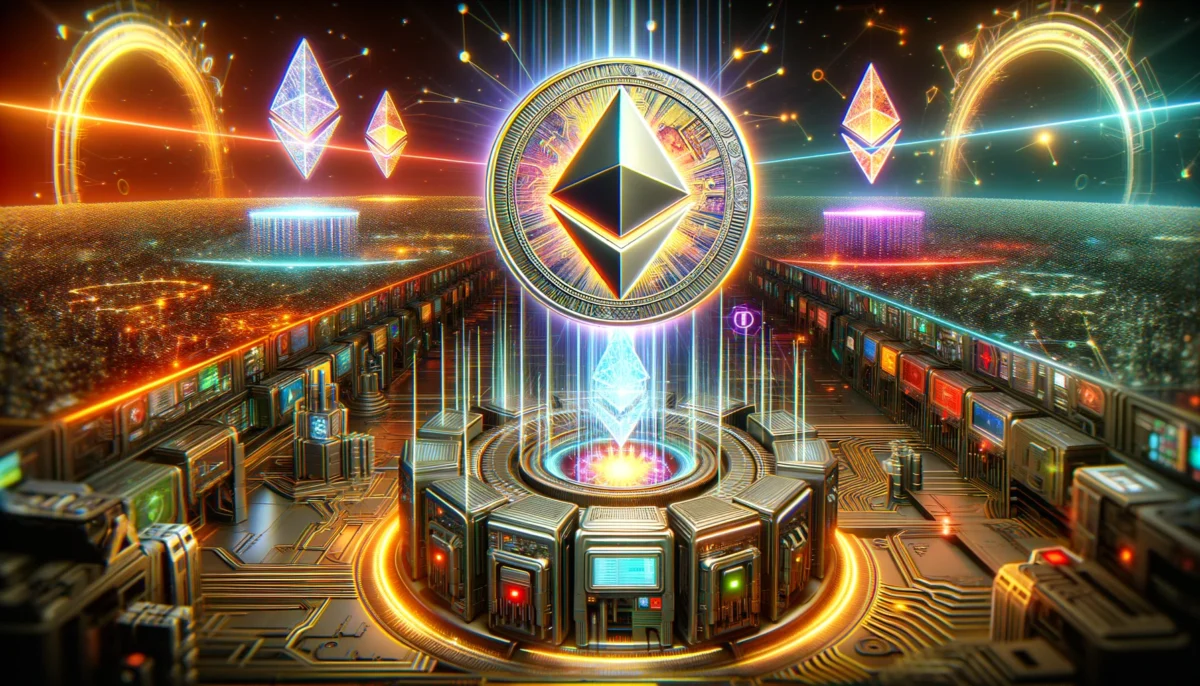
NFTs, as the name suggests, are digital assets that are not interchangeable. Each NFT is unique and represents ownership or proof of authenticity for a specific item or piece of content. Unlike fungible cryptocurrencies like Bitcoin or Ethereum, where one unit is identical to another, an NFT possesses a distinct identity and metadata that distinguishes it from all others. This uniqueness makes them ideal for representing ownership of digital art, music, videos, virtual real estate, collectibles, and even unique in-game items.
The creation and trading of NFTs predominantly occur on blockchain platforms such as Ethereum, Binance Smart Chain, and Flow. Decentralized marketplaces like OpenSea, Rarible, and Foundation serve as primary hubs for users to discover, buy, sell, and mint NFTs. These platforms utilize smart contracts, self-executing contracts with the terms of the agreement directly written into code, to manage ownership and facilitate transparent, immutable transactions.

The value proposition of NFTs extends beyond mere digital ownership. For artists, they offer a revolutionary way to monetize their creations, bypass traditional gatekeepers, and retain a portion of future sales through smart contract royalties. Beyond art, NFTs can foster community engagement, grant exclusive access to events or content, and serve as powerful fundraising mechanisms. The global NFT market, while experiencing fluctuations, has seen significant growth, with sales reaching billions of dollars in peak periods, highlighting its substantial economic impact.
BRC-20 Tokens: Expanding Bitcoin’s Utility
BRC-20 tokens represent a more recent innovation, enabling the creation of fungible tokens on the Bitcoin blockchain. This is achieved through the Ordinals protocol, which allows for the inscription of data onto individual satoshis, the smallest unit of Bitcoin. By inscribing JSON data, developers can effectively create and manage tokens that function similarly to ERC-20 tokens on the Ethereum network.
The BRC-20 standard is a pioneering experiment, demonstrating the potential to expand Bitcoin’s functionality beyond its role as a store of value and medium of exchange. While still in its nascent stages, BRC-20 tokens have already sparked considerable interest, with projects like ORDI (the first BRC-20 token) experiencing rapid price appreciation and significant trading volumes on various cryptocurrency exchanges. This development signals a potential shift in how the Bitcoin ecosystem can be utilized, opening doors for new applications and decentralized finance (DeFi) possibilities on the world’s oldest blockchain.
The Creative Process: Minting Your Digital Assets
The journey from concept to a minted NFT or BRC-20 token involves distinct steps, each requiring careful consideration. For NFTs, the process is generally more established and accessible, while BRC-20 token creation is a newer frontier.
Minting an NFT on the Ethereum Network (Using OpenSea as an Example)
The process of creating and minting an NFT typically involves identifying the digital content, choosing a blockchain platform, and utilizing a marketplace to facilitate the creation and listing. OpenSea, being one of the largest and most user-friendly NFT marketplaces, provides an excellent platform for this endeavor.
Step 1: Preparation and Wallet Connection
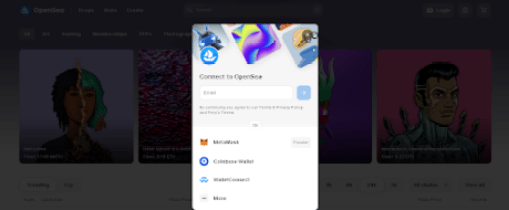
Before embarking on the minting process, it is crucial to have a cryptocurrency wallet compatible with the chosen blockchain. For NFTs on Ethereum, popular choices include MetaMask, Coinbase Wallet, and Trust Wallet. These wallets store your cryptocurrency and private keys, enabling you to interact with decentralized applications and marketplaces.
The initial step on OpenSea involves visiting their official website and connecting your preferred wallet. This connection allows OpenSea to access your wallet’s address and initiate transactions on your behalf, subject to your explicit approval. Choosing the right wallet for the Ethereum network is paramount, and resources are available to guide users in selecting a secure and suitable option.
Step 2: Navigating to the Creation Studio
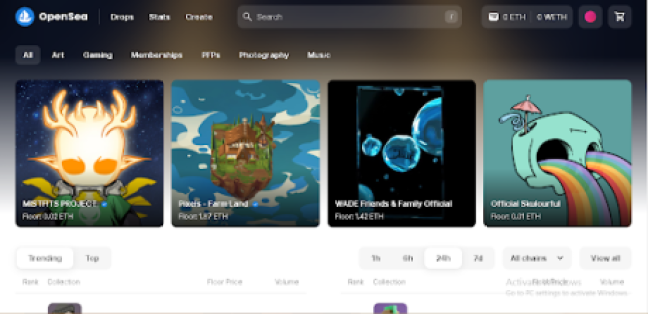
Once your wallet is connected, locate your profile icon, typically found in the top right corner of the OpenSea interface. From the dropdown menu, select "Studio." This section serves as the hub for creators to manage their collections and initiate the creation of new NFTs.
Step 3: Initiating NFT Creation
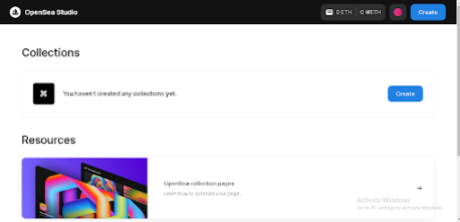
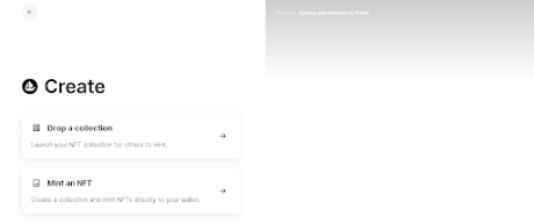
Within the Studio, you will find a prominent "Create" button, usually positioned in the top right corner. Clicking this button will present you with options to either "Drop a collection" or "Create/Mint an NFT." To mint an NFT directly into your wallet, select "Create an NFT."
Step 4: Establishing Your NFT Collection
If you are creating an NFT for the first time or wish to organize your NFTs into thematic groups, selecting "Create a new collection" is the recommended path. This action initiates the process of deploying a smart contract, which will govern your collection. While you can add one NFT to a new collection initially, the platform allows for the addition of more NFTs to this collection at a later stage.
Step 5: Deploying the Smart Contract
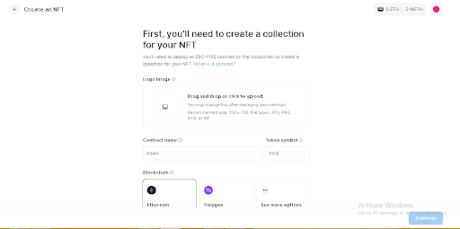
The deployment of a smart contract is a foundational step for creating an NFT collection. This involves several customization options:
- Logo Image: Upload a distinctive logo that represents your collection.
- Contract Name: Assign a clear and memorable name to your smart contract.
- Token Symbol: Define a short, unique symbol for your collection’s tokens.
- EVM Blockchain: Select an Ethereum Virtual Machine (EVM) compatible blockchain. Common choices include Ethereum, Polygon, and Klaytn, each with varying transaction fees (gas fees) and network speeds.
It is important to be aware that deploying a smart contract incurs gas fees, which are paid to network validators to process and confirm the transaction. The estimated fees for each blockchain will be displayed, allowing you to make an informed decision. If the gas fees are higher than anticipated, you can revisit the process at a later time, as these fees are subject to network congestion and can fluctuate.
Step 6: Confirming the Transaction
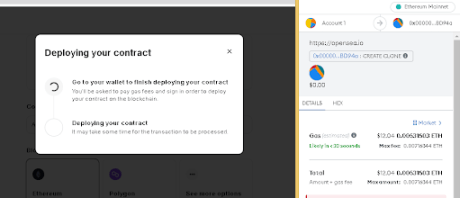
After configuring your smart contract details, click "Continue." This action will trigger a transaction signature request in your wallet. You will need to approve this transaction, which will incur the associated gas fees.
Step 7: Finalizing Collection Creation
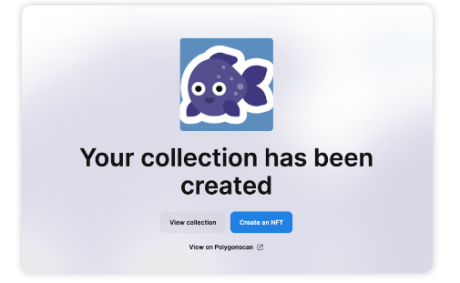
Upon successful confirmation of the smart contract deployment, you will receive a confirmation message. The next step is to select "Create an NFT" to begin minting your digital asset within the newly established collection.
Step 8: Minting Your NFT
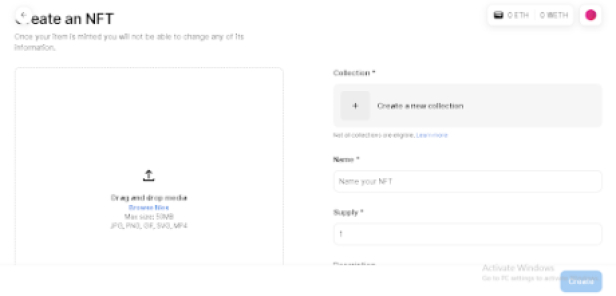
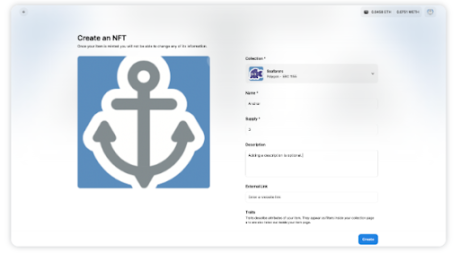
With your smart contract successfully deployed, you are now ready to generate your NFT. It is crucial to understand that once an item is minted and permanently resides on the blockchain, further editing becomes impossible.
The process involves:
- Uploading Media: Upload the digital file that represents your NFT, such as artwork, a video clip, or an audio file.
- Selecting Collection: Choose the collection you created in the previous steps where you wish to mint this NFT.
- Naming Your Item: Provide a descriptive and engaging name for your NFT.
- Setting Item Supply: Determine the number of copies you wish to mint. For a unique, one-of-a-kind NFT, set the supply to "1." For NFTs that allow for multiple identical copies (e.g., limited edition prints), specify a higher number. This process often results in the creation of an ERC-1155 NFT, which supports both single and multi-edition token creation.
Step 9: Completing the Minting Process
After filling in all the necessary details, click the "Create" button. A loading message will appear as the item is being minted. To finalize the minting process, you will need to approve the transaction using your wallet.
Congratulations! Upon successful transaction confirmation, you will have successfully minted your first NFT, making it available for ownership and potential trading on the marketplace.
Creating BRC-20 Tokens
The creation of BRC-20 tokens is a more recent development and typically involves utilizing specialized tools and platforms that interact with the Bitcoin blockchain via the Ordinals protocol. The process generally involves:
- Acquiring Bitcoin: You will need a small amount of Bitcoin to pay for transaction fees (miner fees) on the Bitcoin network.
- Using an Ordinals Wallet: A compatible Ordinals wallet is essential to manage your inscriptions.
- Deploying the BRC-20 Token: This involves inscribing a JSON file onto a satoshi, specifying the token’s ticker symbol, maximum supply, and minting limit.
- Minting Tokens: Once the BRC-20 token is deployed, other users can then "mint" these tokens by inscribing further JSON data that references the deployed token’s details.
The BRC-20 ecosystem is still evolving, and various platforms and marketplaces are emerging to facilitate this process. Users are advised to research and select reputable tools to ensure the security and integrity of their token creation.
Beyond Creation: Considerations and Implications
The ability to create and own digital assets like NFTs and BRC-20 tokens opens up a world of possibilities, but it also comes with inherent challenges and considerations.
Financial Risks and Regulatory Landscape:
Stepping into the world of token creation requires a careful assessment of financial risks. The value of digital assets can be highly volatile, and investments are subject to market fluctuations. Furthermore, the regulatory landscape surrounding cryptocurrencies and digital assets is still evolving. Creators and investors should stay informed about any emerging regulations that may impact their activities.
Technical Understanding and Resource Allocation:
While platforms like OpenSea have made NFT creation more accessible, a fundamental understanding of blockchain technology and smart contracts remains beneficial. For BRC-20 tokens, the technical intricacies are more pronounced. Individuals and businesses must assess their technical capabilities and allocate the necessary resources for development, marketing, and ongoing management.
Environmental Impact:
The energy consumption associated with certain blockchain networks, particularly proof-of-work systems like Ethereum (though it has transitioned to proof-of-stake) and Bitcoin, has been a subject of considerable debate. While efforts are underway to promote more energy-efficient blockchain solutions, potential creators and investors should be aware of the environmental implications of their chosen platforms.
Community Building and Marketing:
For NFTs and BRC-20 tokens to gain traction and value, building a strong community and effective marketing strategies are crucial. This involves engaging with potential buyers, fostering interest, and communicating the unique value proposition of the digital asset.
The Future of Digital Asset Creation
The innovation witnessed in the NFT and BRC-20 token space signifies a transformative shift in digital ownership and value creation. As blockchain technology continues to mature, we can anticipate even more sophisticated applications and functionalities emerging.
For artists and creators, NFTs offer an unprecedented level of autonomy and potential for financial empowerment. For developers and the broader crypto community, BRC-20 tokens represent an exciting expansion of Bitcoin’s capabilities, potentially ushering in a new wave of innovation on the original blockchain.
While the allure of creating unique digital assets is undeniable, responsible and informed engagement is paramount. By understanding the underlying technologies, meticulously planning the creation process, and being aware of the associated risks and opportunities, individuals and businesses can confidently navigate this dynamic and rapidly evolving frontier of digital assets. The journey into minting NFTs and BRC-20 tokens is not just about creating digital items; it’s about participating in the next chapter of the internet’s evolution.