In a cryptocurrency landscape often dominated by the bullish sentiment surrounding Bitcoin (BTC) and Ethereum (ETH) price surges, the non-fungible token (NFT) market has witnessed a significant downturn in its once-soaring popularity. NFTs, unique digital assets representing ownership of items like digital art, collectibles, and virtual real estate recorded on a blockchain, have recently experienced a pronounced loss of appeal among investors and the general public. This decline is underscored by a sharp decrease in search interest and a substantial drop in sales volume, indicating a potential market correction or a fundamental shift in investor priorities.
According to a recent report from Bloomberg, searches for "NFT" on Google have plummeted to their lowest levels since 2021. This year marks a critical period, as 2021 was the year NFTs first captured mainstream attention, leading to a speculative frenzy and record-breaking sales. The current slump in search interest suggests that the novelty has worn off for many, and the market is no longer capturing the public imagination in the same way it did during its initial boom. This dip in organic interest often correlates with reduced trading activity and a general cooling of market sentiment.
Popular NFT Collections Experience Steep Price Declines
The struggle of the NFT market is further amplified by a significant drop in sales volume. Data from researcher DappRadar reveals a stark reality: NFT sales have fallen by over six percent, totaling $8.5 billion in the first five months of 2024 when compared to the same period in the previous year. This figure represents a dramatic contrast to the market’s zenith in January 2022, a single month that recorded an astonishing $17.2 billion in NFT sales. This precipitous decline highlights the speculative nature of the initial NFT boom and the subsequent difficulty in sustaining that level of market activity.
The sentiment surrounding NFTs appears to have been particularly affected by recent developments concerning Ethereum (ETH) exchange-traded funds (ETFs). The US Securities and Exchange Commission (SEC) has initiated steps towards approving ETFs that would directly invest in Ether. This regulatory progress, anticipated by many in the crypto space, has reportedly led some investors to reallocate their capital from NFTs into ETH, seeking to capitalize on the potential growth of the second-largest cryptocurrency through these new investment vehicles. This strategic shift suggests a move from riskier, more speculative digital assets like many NFTs towards more established or regulated cryptocurrency investments.
Nicolas Lallement, co-founder of NFT data tracker NFT Price Floor, has provided insight into these market dynamics. He explains that capital rotation is a common phenomenon within the volatile cryptocurrency markets. In this instance, Ethereum is likely continuing to attract and absorb significant market capital, which inevitably results in price depreciation for other assets, including NFTs. This perspective frames the NFT downturn not as an isolated incident but as a consequence of broader capital flows within the digital asset ecosystem.
This year has seen many once-popular NFT collections experience severe price depreciation. NFT Price Floor reports that the average prices for these collections have fallen between 40% and 50% year-to-date. For instance, CryptoPunks, a foundational collection minted on the Ethereum network, is currently trading at levels reminiscent of 2021. Its value has dropped by a significant 29% from its lowest point in the previous year. Similarly, other prominent collections such as the Bored Ape Yacht Club (BAYC) and Chromie Squiggle have seen their price floors—the lowest listed price for an NFT in a collection—decrease to approximately half of their previous lows recorded last year. These figures paint a clear picture of a market undergoing a substantial correction, impacting even the most established digital collectibles.
Market Correction Looms Amidst Shifting Investor Priorities
Daniel Maegaard, an experienced NFT collector, corroborates the observation that most NFT collections continue to decline or remain stagnant following the peak euphoria experienced in 2021. Maegaard has recently taken the step of selling several "blue-chip" NFTs, including significant works by renowned digital artists such as XCOPY, Hackatao, and Coldie. This action by a seasoned collector suggests a broader sentiment of caution and a strategic divestment from assets perceived to be at risk of further depreciation.

While certain niche segments of the NFT art market, such as some collections by XCOPY, have shown positive returns over the past 90 days, Lallement emphasizes that the overall trend points towards an ongoing market correction. This suggests that while isolated success stories may exist, the broader NFT market is facing significant headwinds. The sustained downturn indicates that the speculative bubble that inflated many NFT prices has deflated, and the market is now re-evaluating its intrinsic value and long-term prospects.
Magic Eden Shows Resilience Amidst Broader Market Downturn
Despite the pervasive challenges facing the NFT market, one platform that has demonstrated notable resilience is the NFT marketplace Magic Eden. According to Sara Gherghelas, an analyst at DappRadar, Magic Eden has been actively gaining market share, with a corresponding increase in trading activity on its platform. Although Magic Eden recorded record trading volume in April, this momentum has seen a subsequent decrease, indicating that even resilient platforms are not entirely immune to the broader market sentiment. Nevertheless, its ability to attract users and maintain a significant level of activity in a declining market speaks to its strategic positioning and user appeal.
The current state of the non-fungible token market is a clear reflection of a decline in both popularity and prices. While some individual collections and platforms have managed to exhibit positive performance or resilience, the overarching market sentiment strongly suggests a continuation of the NFT market correction. The focus has visibly shifted from the speculative allure of unique digital assets to more established cryptocurrency plays, particularly those with developing institutional adoption pathways like Ethereum ETFs.
Ethereum’s Price Performance and Market Context
At the time of reporting, Ethereum (ETH) was trading at approximately $3,480. This figure reflects a notable downturn, with ETH experiencing a sharp 5% drop in the preceding 24 hours and an over 8% decline over the past seven days. This price action for ETH, while significant, is occurring within the context of broader market movements, with Bitcoin often leading the trend. The cryptocurrency market, in general, has been experiencing some volatility, influenced by macroeconomic factors, regulatory news, and shifts in investor sentiment. The performance of ETH, in particular, is closely watched as it often serves as a bellwether for the broader altcoin market and the health of the decentralized finance (DeFi) and NFT ecosystems that are largely built upon its blockchain.
The implications of the current NFT market correction are multifaceted. For investors who entered the market during the peak euphoria, it represents a significant loss of capital. For creators and artists who rely on NFT sales, it necessitates a recalibration of their strategies and potentially a focus on building long-term value and community engagement rather than short-term speculative gains. For the broader blockchain industry, the NFT downturn serves as a reminder of the cyclical nature of emerging technologies and the importance of sustainable use cases beyond speculative trading. The market’s current trajectory suggests a period of consolidation and a potential re-emergence of NFTs with more robust utility and demonstrable value, moving beyond their initial identity as purely digital collectibles. The landscape remains dynamic, and future developments in blockchain technology, regulatory frameworks, and evolving consumer preferences will undoubtedly shape the next chapter for non-fungible tokens.
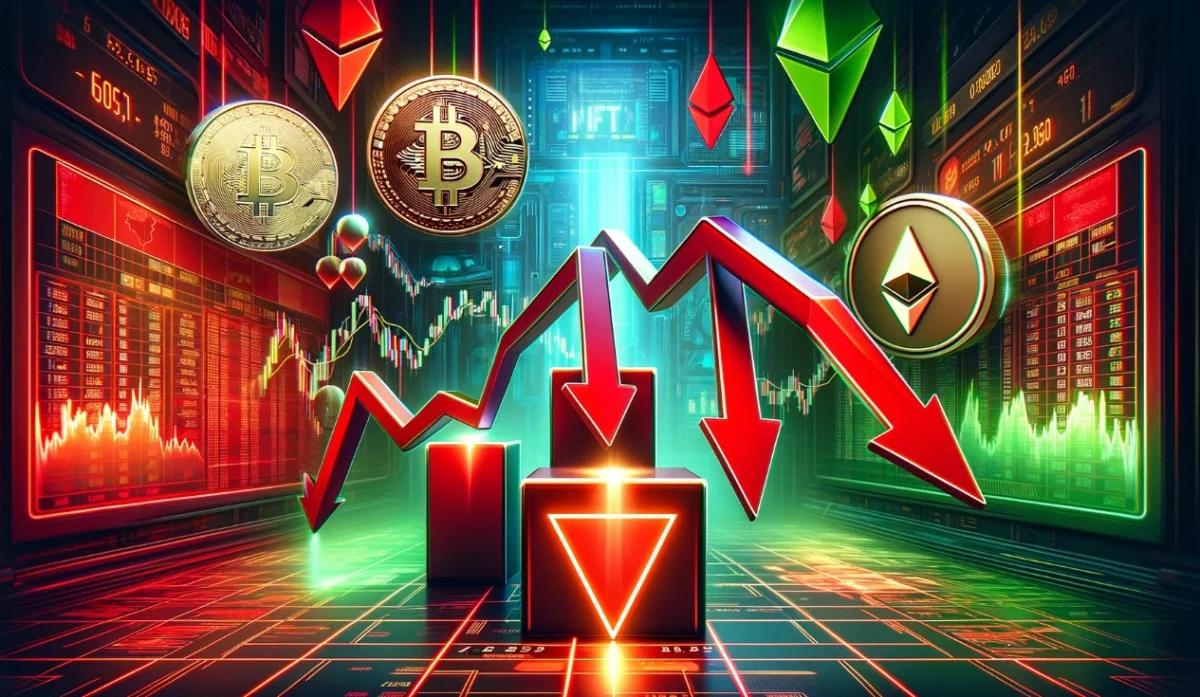
Featured image from DALL-E, chart from TradingView.com.