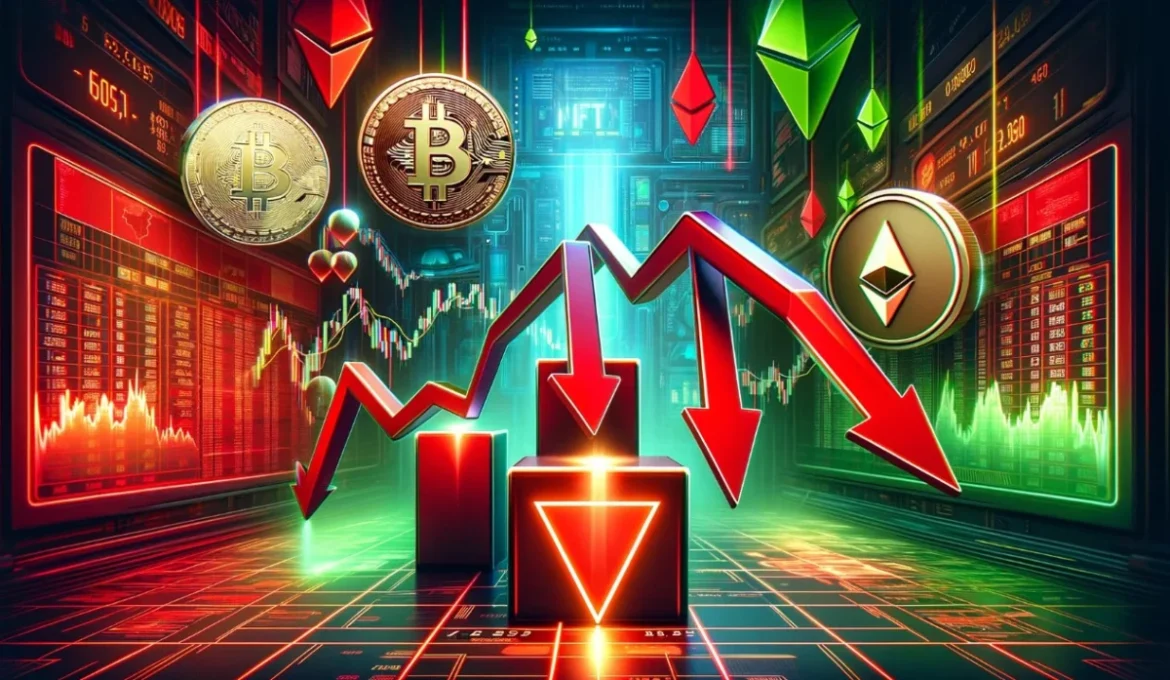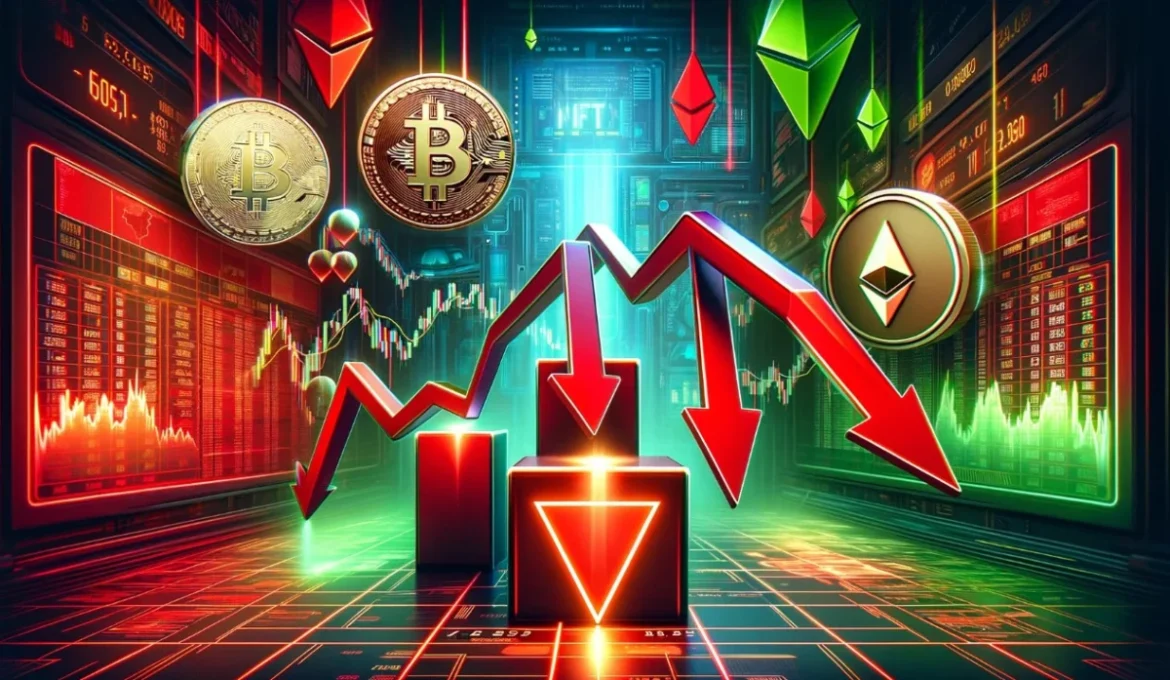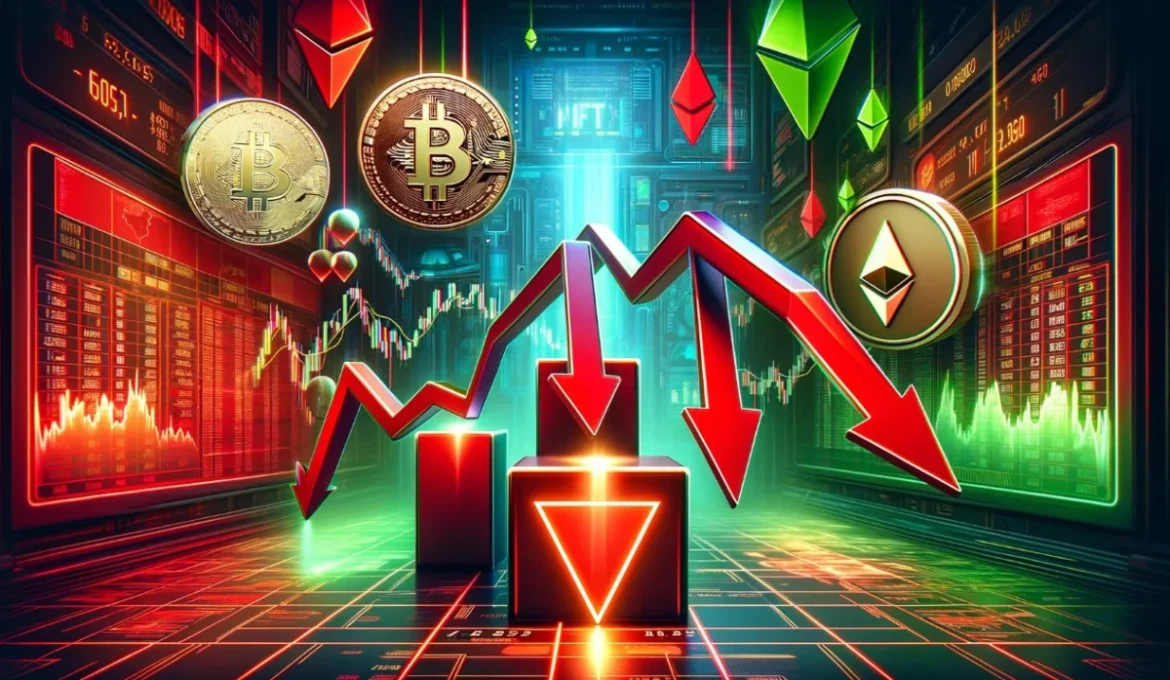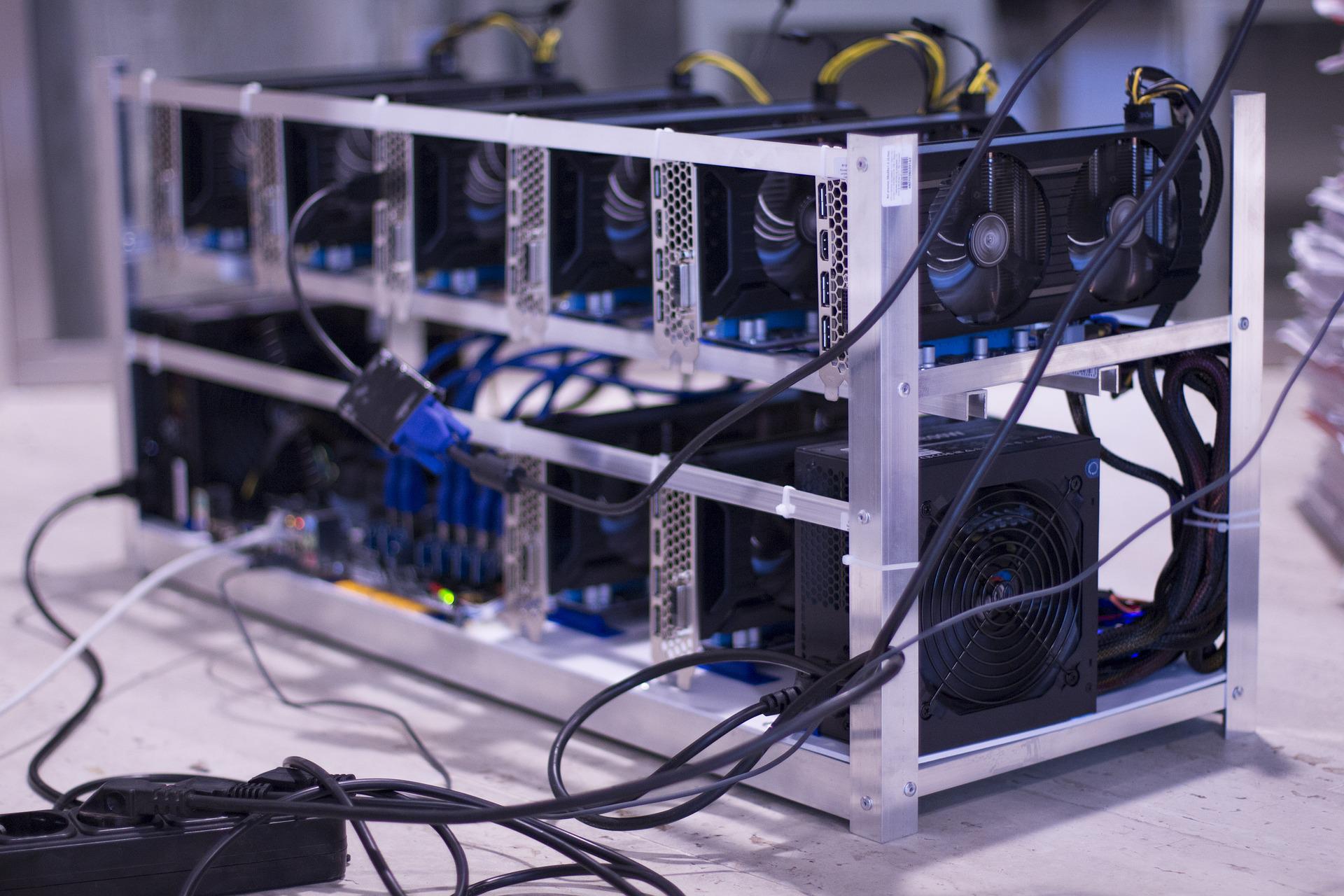
The non-fungible token (NFT) ecosystem is currently navigating one of the most challenging phases in its brief history. Once heralded as the vanguard of digital ownership and the future of creative commerce, the market for blockchain-recorded digital art, collectibles, and virtual assets is experiencing a profound contraction. While broader cryptocurrency markets, particularly Bitcoin (BTC) and Ethereum (ETH), continue to capture mainstream headlines with periodic price surges and heightened institutional interest, the NFT sector is suffering from a severe decline in consumer interest, trading volume, and asset valuations.
Data compiled from global search queries reveals that consumer curiosity surrounding NFTs has plummeted to its lowest level since 2021, the breakout year that propelled these cryptographic tokens into the cultural and financial lexicon. This stark drop in digital discovery mirrors a tangible retreat of capital from secondary marketplaces. According to metrics provided by blockchain analytics firm DappRadar, total NFT sales for the first five months of the year experienced a year-over-year decline of over six percent, totaling approximately $8.5 billion. This figure stands in sharp contrast to the dizzying heights of January 2022, when the industry achieved an unprecedented $17.2 billion in sales within a single thirty-day window.
The Genesis of the NFT Boom and the Anatomy of the Current Correction
To understand the magnitude of the current downturn, one must examine the meteoric rise of NFTs during the 2020-2021 macroeconomic expansion. Fueled by unprecedented monetary stimulus, low interest rates, and a surge in retail participation across digital asset platforms, NFTs transitioned from a niche cryptographic experiment into a global phenomenon. High-profile sales, such as Beeple’s digital collage fetching $69 million at Christie’s auction house, mainstream media coverage, and the endorsement of celebrities and athletes, created an environment of unbridled euphoria.
However, as macroeconomic conditions shifted toward aggressive monetary tightening by central banks worldwide to combat inflation, speculative asset classes bore the brunt of the capital flight. The NFT market, being particularly speculative and illiquid compared to liquid cryptocurrencies like Bitcoin and Ethereum, proved exceptionally vulnerable. What began as a cooling-off period following the 2021 euphoria has matured into a comprehensive market correction, characterized by shrinking liquidity, stagnant floor prices, and a fundamental reassessment of utility and intrinsic value among collectors and investors.
The Catalyst: Capital Rotation Toward Ethereum ETFs
The downward pressure on the NFT market intensified significantly with regulatory developments surrounding Ethereum-based investment products in the United States. The strategic shift in sentiment was notably catalyzed by actions taken by the U.S. Securities and Exchange Commission (SEC) concerning the potential approval of spot Ethereum exchange-traded funds (ETFs).
As institutional avenues for gaining direct exposure to Ethereum materialized, a substantial wave of capital rotation swept through the digital asset landscape. Institutional and retail investors alike began divesting from riskier, highly illiquid assets—including blue-chip and speculative NFT collections—to reallocate funds into Ethereum in anticipation of broader institutional adoption and price appreciation driven by the incoming ETFs.
Nicolas Lallement, co-founder of the NFT data analytics platform NFT Price Floor, notes that capital rotation is a foundational characteristic of cyclical crypto markets. According to Lallement, as macroeconomic and regulatory narratives shift to favor major layer-1 assets like Ethereum, liquidity is systematically absorbed away from peripheral sectors, inevitably resulting in depressed valuations for non-fungible tokens.
Steep Devaluations Across Blue-Chip Collections
The practical consequence of this liquidity drain is evident in the severe price corrections suffered by historically dominant NFT collections. Throughout the year, baseline prices—commonly referred to as "floor prices"—for prominent Ethereum-based and multi-chain projects have experienced contractions ranging between 40 percent and 50 percent year-to-date.

CryptoPunks, widely regarded as the historical anchor and blue-chip standard of the NFT ecosystem minted on the Ethereum blockchain, has seen its valuation retreat significantly. The collection is currently trading at levels last witnessed during the earlier phases of the 2021 bull market, reflecting a 29 percent drop from its cyclical lows of the previous year.
Similarly, other premier collections, including the Bored Ape Yacht Club (BAYC) and Chromie Squiggle, have witnessed their Ethereum-denominated floor prices slashed by approximately half compared to their depressed valuations from the previous year. Prominent collectors and market participants corroborate these trends. Daniel Maegaard, a well-known figure within the digital art collecting community, acknowledged that the majority of NFT collections have either continued a downward trajectory or remained entirely stagnant since the market peak. In response to these shifting dynamics, Maegaard and other high-profile investors have reportedly liquidated portions of their portfolios, including works by celebrated digital artists such as XCOPY, Hackatao, and Coldie.
While select high-end digital art assets, particularly those by established creators like XCOPY, have occasionally demonstrated pockets of resilience with positive returns over narrow 90-day windows, industry analysts emphasize that these isolated occurrences do not offset the overarching bearish macro trend.
Market Fragmentation and Platform Resiliency Amid Adversity
Despite the widespread contraction in volume and valuation, the underlying market infrastructure has demonstrated localized pockets of adaptability and competition. While traditional heavyweights have faced declining activity, alternative marketplaces have managed to carve out market share by capitalizing on shifting user preferences and cross-chain compatibility.
Sara Gherghelas, an analyst at DappRadar, highlights the relative resiliency of platforms like Magic Eden. The cross-chain NFT marketplace successfully captured substantial market share by expanding its multi-chain support and introducing incentivized trading mechanisms. Although Magic Eden recorded historic trading volumes during periods of heightened activity earlier in the year, subsequent months have seen trading volumes recede in tandem with the broader market cool-down, underscoring the challenge platforms face in sustaining momentum during a structural downtrend.
Broader Implications and Market Outlook
The current state of the non-fungible token market serves as a case study in the maturation cycle of emerging asset classes. The transition from speculative mania to a rigorous market correction underscores the difference between short-term hype cycles and sustainable long-term utility.
Market observers and financial analysts suggest that the future viability of the NFT sector will likely depend on its ability to decouple from purely speculative trading and integrate deeper utility-driven use cases. Areas such as real-world asset (RWA) tokenization, decentralized identity, gaming infrastructure, and verifiable digital credentials represent potential avenues for structural reinvention. However, until broader macroeconomic liquidity returns and regulatory clarity is fully established, the immediate outlook for digital collectibles and profile-picture (PFP) projects points toward continued consolidation and cautious sentiment.
Meanwhile, the broader cryptocurrency ecosystem continues to experience high volatility. Recent market movements have seen Ethereum trading near $3,480, following a broader market correction led by Bitcoin, which recorded sharp double-digit percentage drops across weekly timeframes. As capital remains concentrated within foundational liquid assets and institutional investment vehicles, the NFT market must navigate a prolonged period of recalibration to establish a sustainable foundation for its next evolutionary phase.