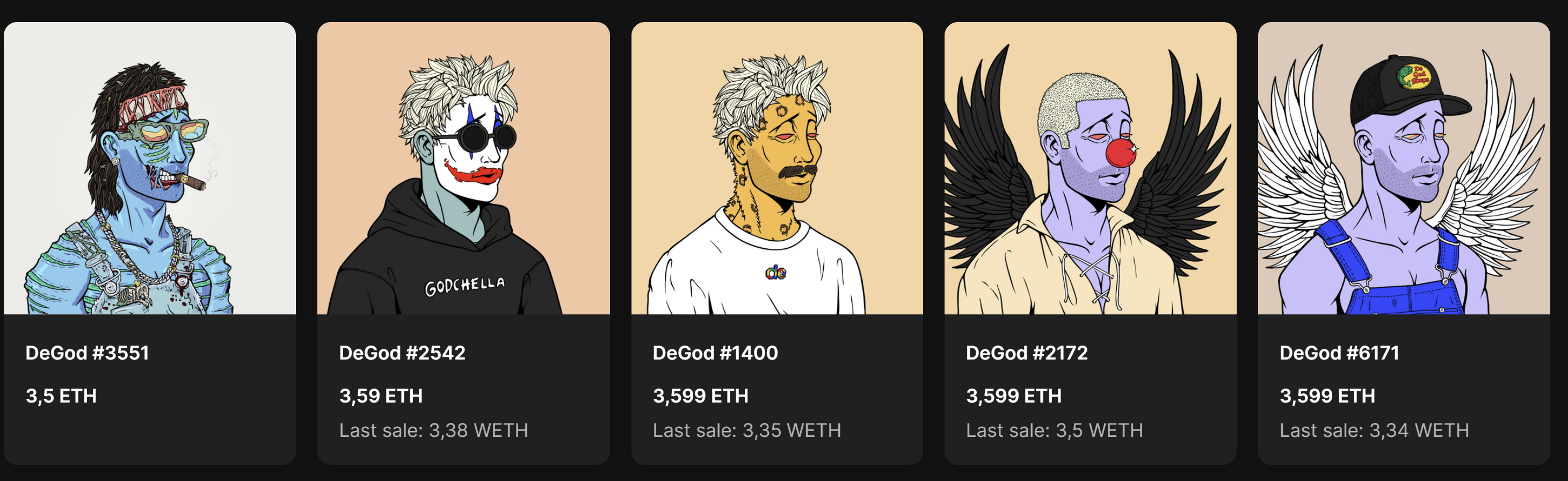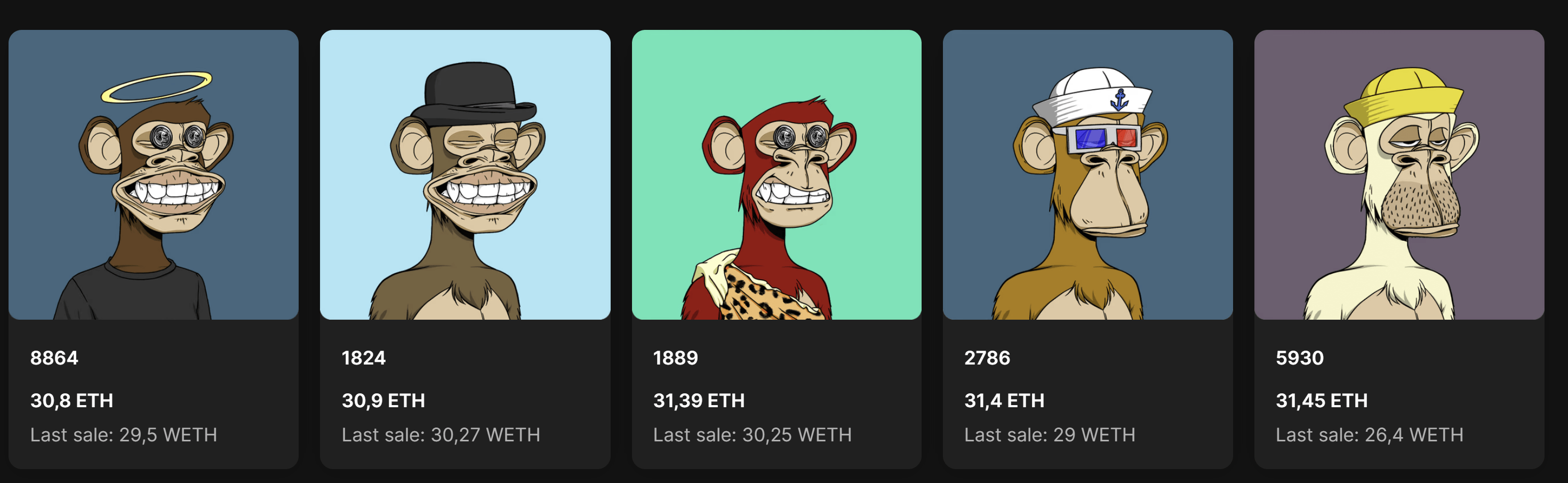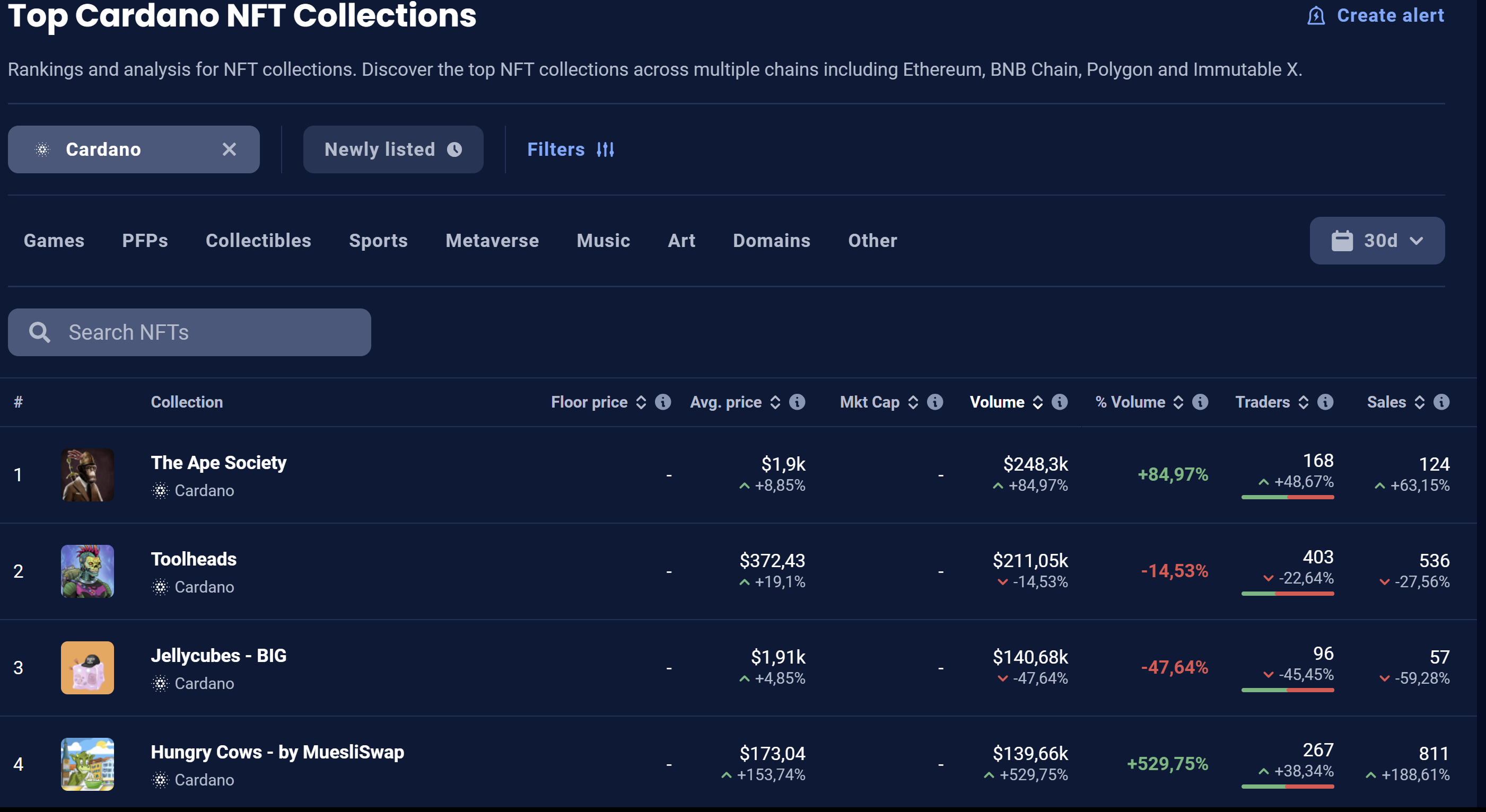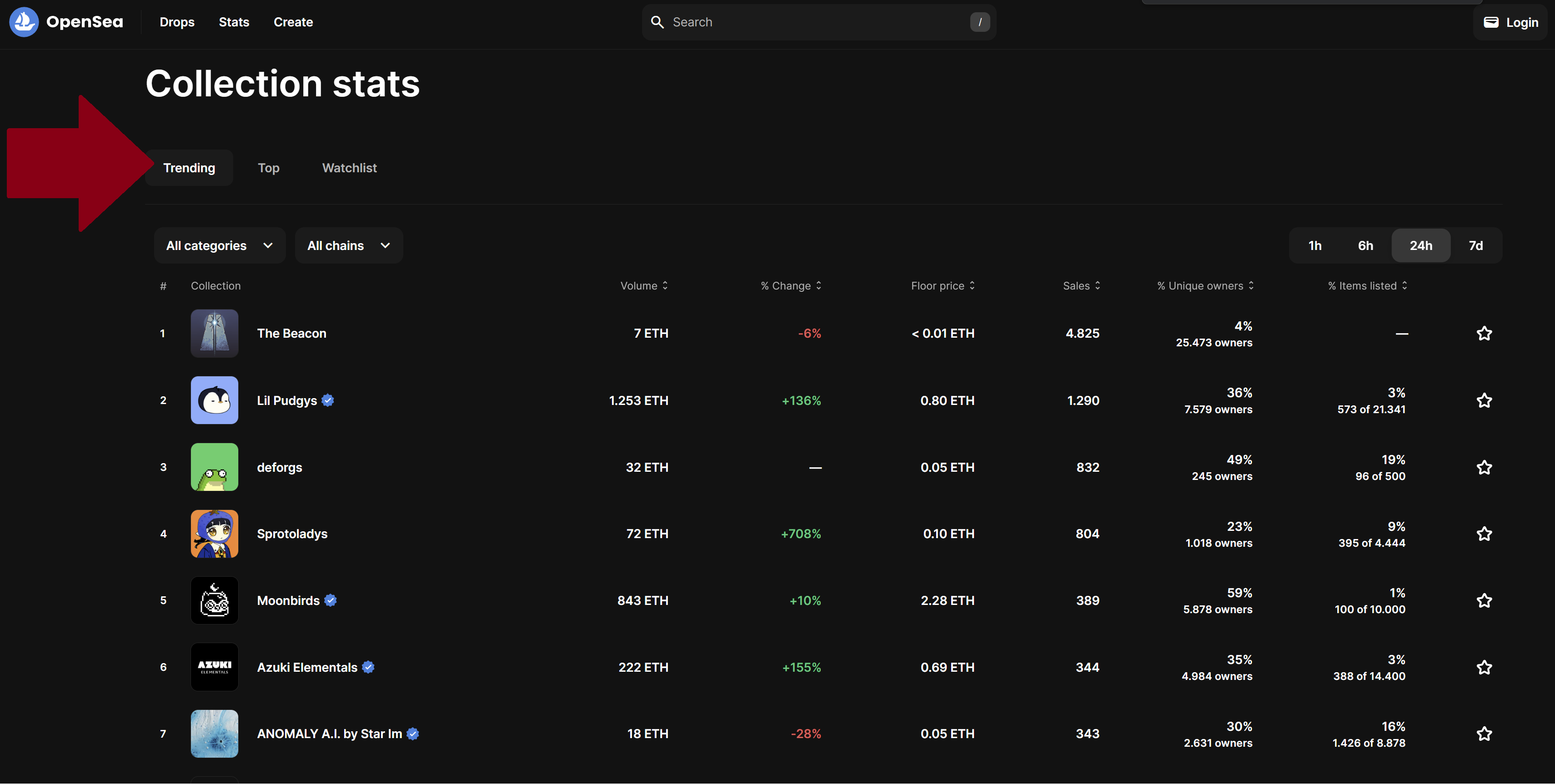
The modern digital economy has fundamentally transformed how creators, artists, and developers conceptualize ownership and monetization. Central to this paradigm shift is the advent of Non-Fungible Tokens (NFTs) and BRC-20 tokens, which have opened unprecedented avenues for digital expression, community building, and financial independence. While the allure of deploying custom digital assets is undeniable, the underlying technical processes require a sophisticated understanding of blockchain infrastructure, smart contracts, and associated financial obligations.
As the decentralized finance (DeFi) and Web3 landscapes continue to mature, entering the realm of digital asset creation demands careful strategic planning. Creators must weigh the artistic and financial rewards against the technical complexities and inherent market risks. This comprehensive guide explores the foundational mechanics of NFTs, examines the broader economic implications of digital tokenization, and provides a step-by-step walkthrough for deploying smart contracts and minting digital assets on premier marketplaces like OpenSea.
Understanding the Fundamentals of Non-Fungible Tokens
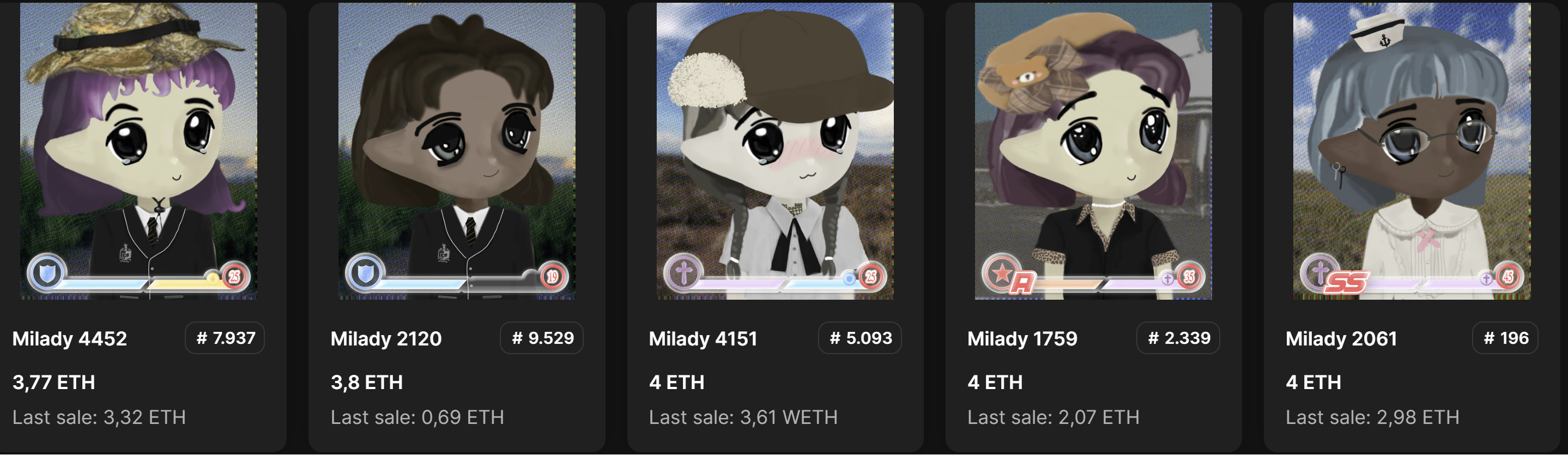
To comprehend the mechanics of digital asset creation, one must first distinguish between fungible and non-fungible cryptographic tokens. Unlike traditional cryptocurrencies such as Bitcoin or Ethereum, which are entirely interchangeable on a one-to-one basis, NFTs represent unique cryptographic certificates of authenticity and ownership for specific items. These assets cannot be traded interchangeably because each token possesses distinct metadata and unique identifiers setting it apart from any other digital object.
NFTs typically reside on robust, decentralized blockchain networks—most notably Ethereum, Binance Smart Chain, and various Ethereum Virtual Machine (EVM)-compatible networks. These platforms rely on self-executing computer programs known as smart contracts to enforce the terms of ownership, manage transfers, and ensure absolute transparency without the need for traditional intermediaries.

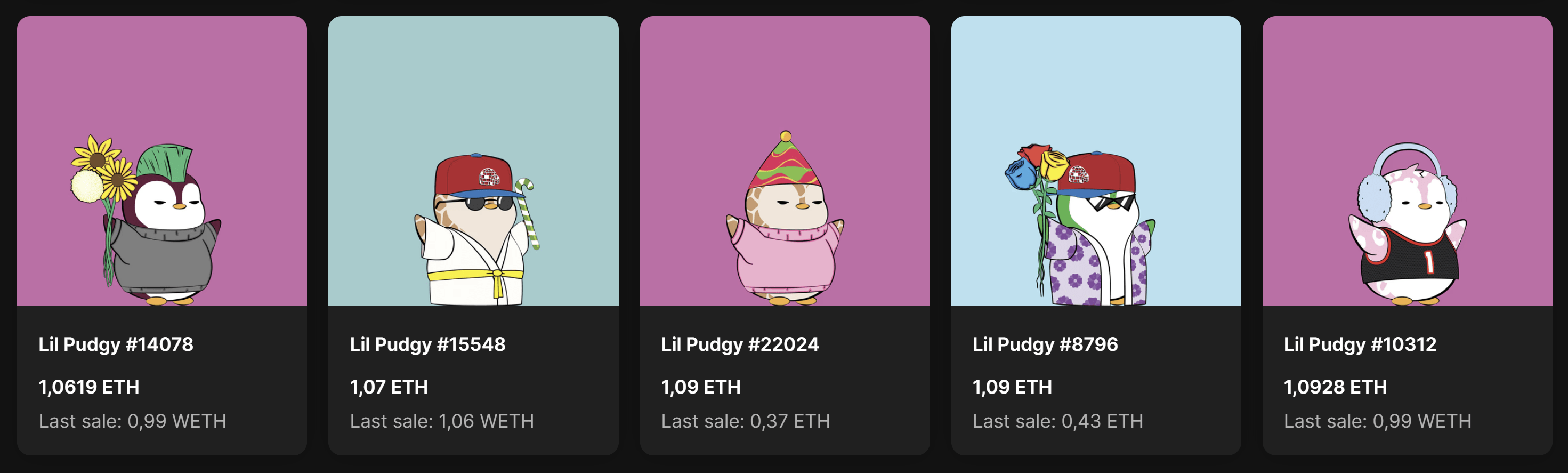
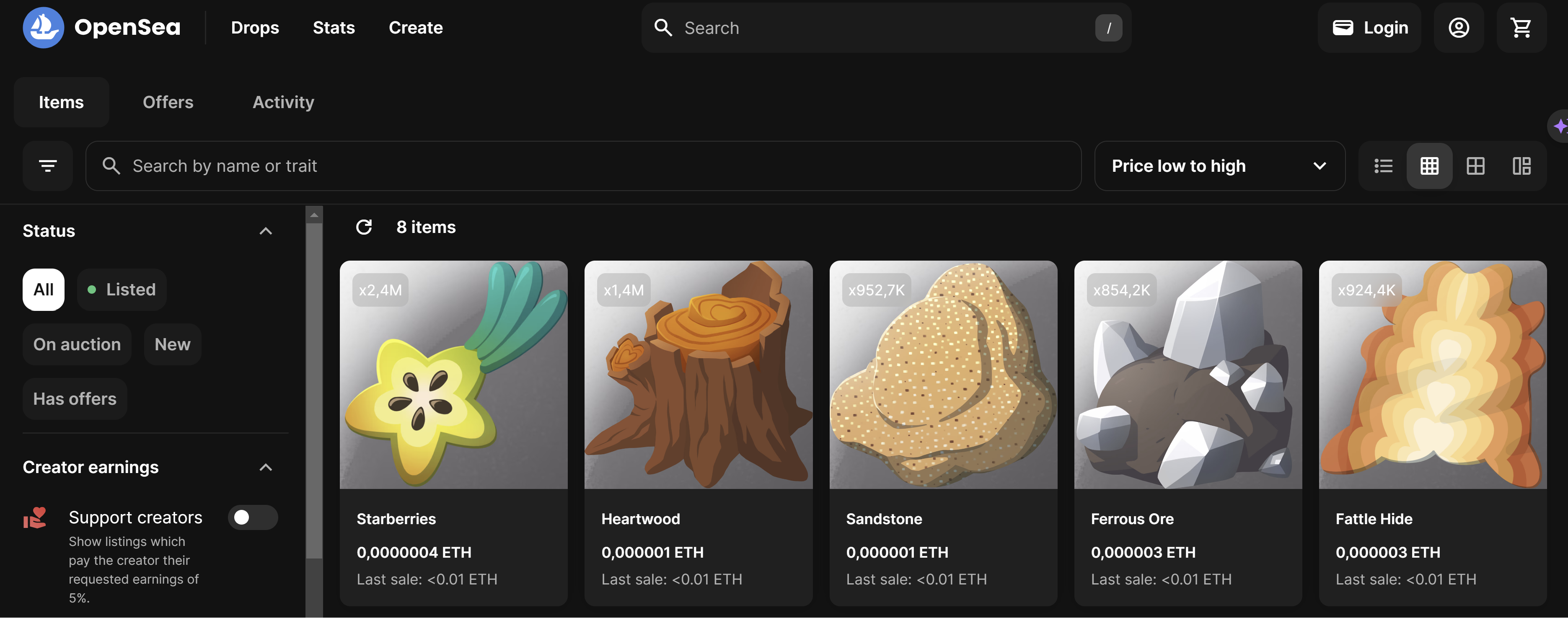
The scope of what an NFT can represent has expanded far beyond simple digital artwork. Contemporary use cases encompass music tracks, high-definition videos, virtual real estate within metaverse environments, gaming items, and exclusive membership passes. By anchoring these assets to a distributed ledger, creators secure verifiable proof of scarcity and provenance, addressing longstanding issues of digital piracy and unauthorized reproduction.
The Evolution of NFT Standards and Marketplace Infrastructure
The rapid expansion of the NFT market over the past several years can be traced through significant technological milestones. Following the conceptual introduction of color coins and early blockchain-based assets, the deployment of Ethereum’s ERC-721 standard in 2017 revolutionized the ecosystem by establishing a technical framework for unique, indivisible tokens. This was later supplemented by the ERC-1155 multi-token standard, which allowed developers to batch-manage both fungible and non-fungible assets within a single smart contract, drastically reducing transaction costs and network congestion.
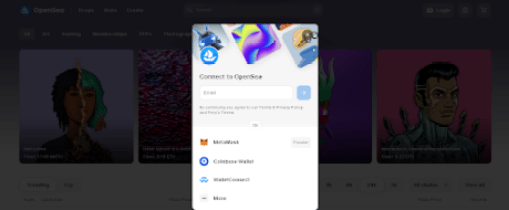
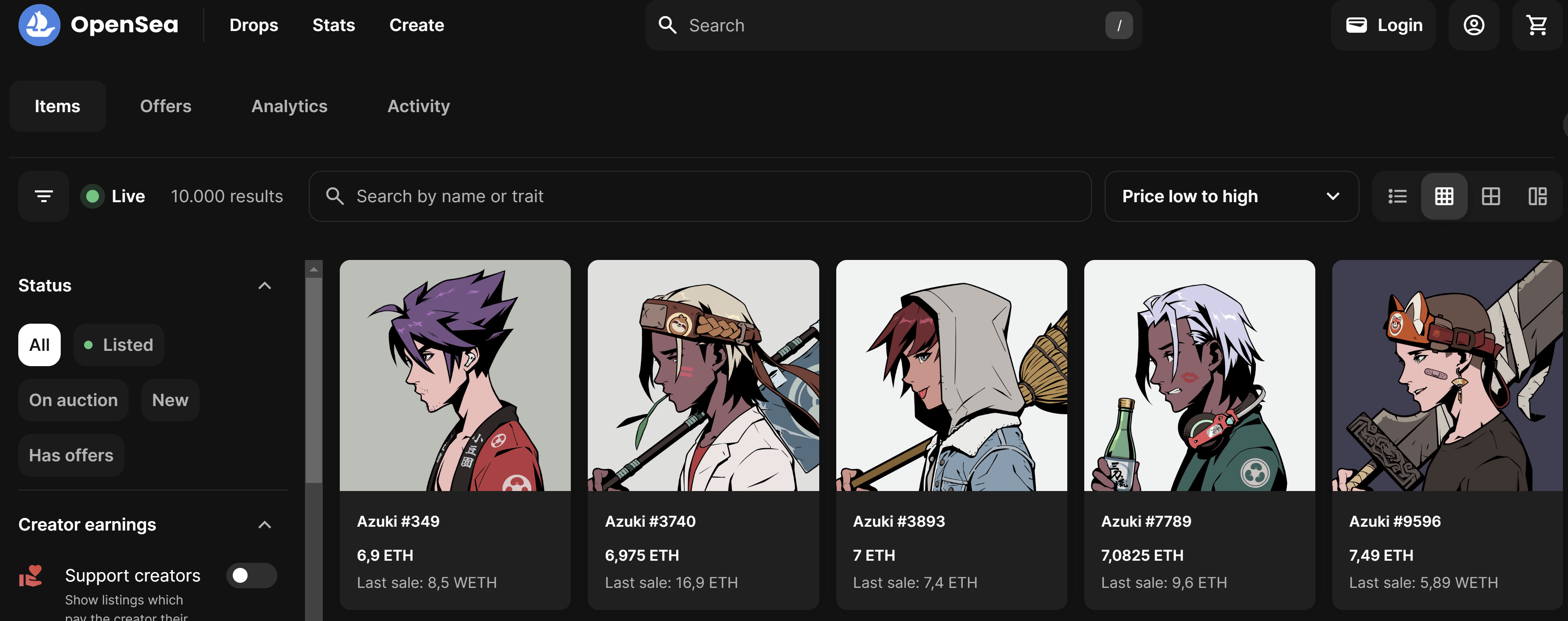
As infrastructural protocols evolved, decentralized marketplaces emerged to facilitate peer-to-peer trading, discovery, and minting. Platforms such as OpenSea positioned themselves as foundational hubs within the ecosystem, offering user-friendly interfaces that abstract away much of the underlying command-line complexity associated with interacting directly with blockchain nodes. By integrating seamlessly with Web3 wallet providers like MetaMask, Coinbase Wallet, and WalletConnect, these marketplaces democratized access to digital asset creation, allowing anyone with internet connectivity and a modest amount of cryptocurrency to participate in the global digital economy.
Step-by-Step Guide to Deploying Smart Contracts and Minting NFTs on OpenSea
For creators embarking on their first digital asset journey, utilizing established decentralized infrastructure provides a reliable pathway from concept to execution. Below is a detailed, sequential guide to deploying a custom smart contract and minting an ERC-1155 NFT collection using OpenSea Studio.
Step 1: Establishing a Web3 Wallet Connection
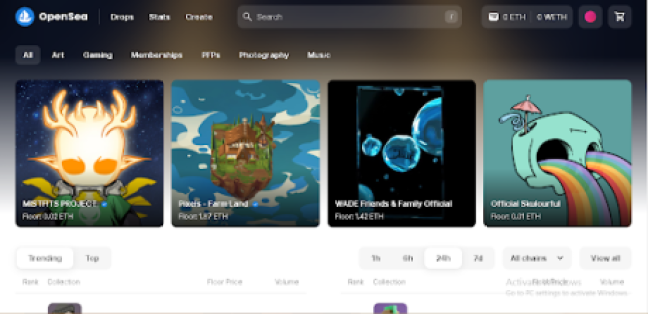
The initial phase requires setting up and securing a compatible Web3 cryptographic wallet, such as MetaMask or another premier decentralized wallet supported by the Ethereum network. Users must navigate to the official OpenSea website and locate the authentication or login prompt typically situated in the top-right corner of the interface. By approving the connection request, the user links their wallet address to the platform, establishing a secure cryptographic bridge necessary for signing transactions and interacting with decentralized applications.
Step 2: Accessing the Creator Studio
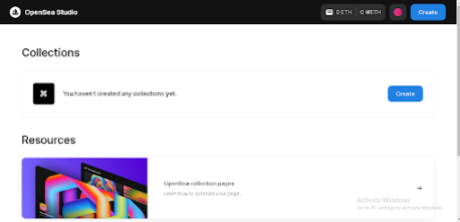
Once the wallet is successfully connected, users should click on their profile icon located in the upper-right quadrant of the OpenSea interface. From the resulting dropdown menu, selecting the "Studio" option launches the dedicated deployment and management dashboard. This environment is specifically engineered to streamline the creation of collections and the minting of individual or batched digital assets.
Step 3: Initiating the Creation Process
Within the OpenSea Studio dashboard, creators should click the "Create" button situated in the top right corner. The platform will present two primary pathways: dropping an entire collection or minting a standalone NFT. Selecting the option to create an NFT initiates the process of bringing a new digital asset directly into the user’s connected wallet.
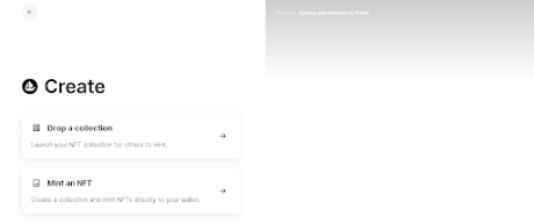
Step 4: Deploying a Custom Smart Contract and Configuring Collections
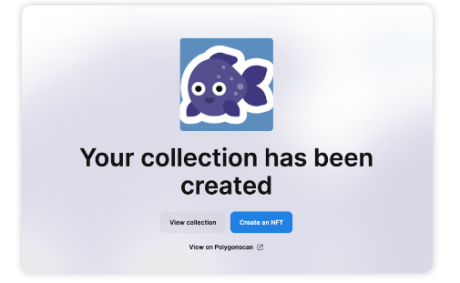
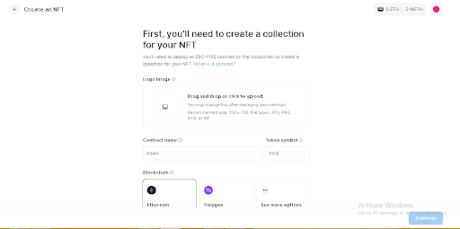
First-time creators utilizing the Studio tools will be prompted to create a new collection. This crucial step involves deploying an independent smart contract to the blockchain. Customizing this contract requires several key inputs:
- Uploading a representative logo image for the collection.
- Designating a formal contract name.
- Selecting an appropriate token symbol.
- Choosing a target EVM-compatible blockchain network (such as Ethereum, Polygon, or Arbitrum).
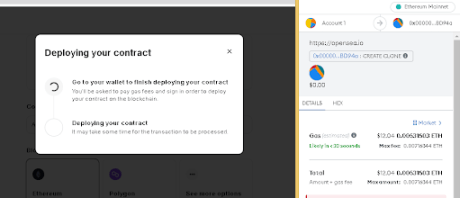
It is vital to recognize that deploying a smart contract constitutes an on-chain transaction requiring computational resources, which incurs gas fees. These fees fluctuate dynamically based on overall network congestion. Creators are advised to monitor gas prices and execute the transaction during periods of lower network activity if costs exceed initial projections. Upon finalizing the configuration and clicking "Continue," the wallet will prompt the user to sign the transaction and pay the requisite gas fee.
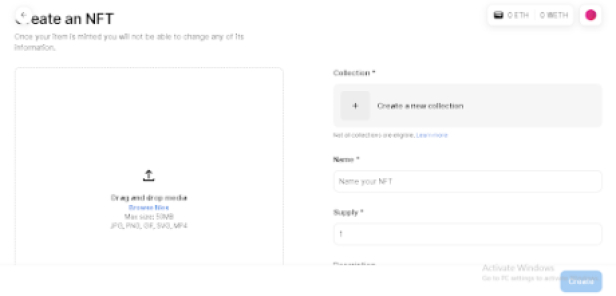
Step 5: Uploading Media and Minting the Asset
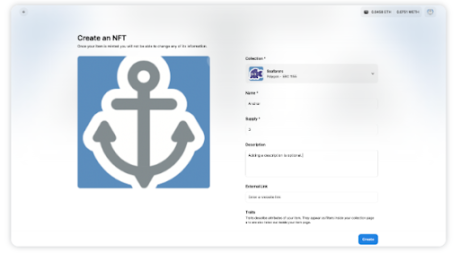
Following the successful deployment of the smart contract, the creator is ready to generate the actual NFT. Because the process described utilizes the ERC-1155 standard, creators have the flexibility to mint multiple identical copies of the same item if desired.
- Upload the primary digital media file (artwork, animation, audio, or video) that represents the core asset.
- Select the specific collection in which the NFT will reside.
- Input a distinct name for the item.
- Set the item supply—designating whether the token will be a rare one-of-one ("1") or part of a limited edition featuring multiple copies.
Once all parameters are verified, click the "Create" button. The platform will initiate the final minting sequence, requiring a final transaction approval through the connected wallet. Upon blockchain confirmation, the newly minted NFT is securely deposited into the creator’s wallet, permanently recorded on the immutable ledger.
Economic Implications and Strategic Considerations for Creators
The transition toward decentralized digital asset creation carries profound economic implications for the global creative industry. By eliminating traditional middlemen—such as gallerists, licensing agents, and centralized streaming platforms—artists retain a significantly higher percentage of their primary sales. Furthermore, programmable smart contracts enable the automated enforcement of secondary market royalties, ensuring that creators continue to benefit as their works appreciate and exchange hands over time.
However, market analysts and financial experts emphasize that the digital asset landscape is not without systemic risks. The volatility of cryptocurrency markets directly impacts the cost of deployment, minting, and trading, potentially exposing creators and collectors to substantial financial fluctuations. Additionally, regulatory frameworks governing digital assets, taxation, and intellectual property rights remain in a state of active evolution across various global jurisdictions. Creators must exercise due diligence, thoroughly assess their risk tolerance, and remain informed regarding compliance obligations before committing substantial financial resources to digital tokenization initiatives.
Broader Industry Impact and Future Outlook
Beyond individual artistic endeavors, the technological infrastructure underpinning NFTs and BRC-20 tokens continues to catalyze innovation across diverse sectors, including supply chain logistics, digital identity verification, and interactive entertainment. As interoperability between disparate blockchain networks improves and layer-2 scaling solutions successfully mitigate high gas fees, the friction associated with digital asset creation is expected to decrease significantly.
Industry leaders project continued institutional integration and technological refinement, paving the way for mainstream adoption of tokenized ownership models. While navigating this dynamic ecosystem demands technical literacy, rigorous security practices, and strategic foresight, the ongoing evolution of blockchain technology guarantees that decentralized digital assets will remain a cornerstone of the modern internet economy for years to come.