The landscape of decentralized finance (DeFi) is currently defined by a high-stakes competition between two dominant browser-based applications: MetaMask and Phantom. For over half a decade, the crypto wallet has served as the fundamental gateway to Web3, acting as the bridge for users to interact with decentralized applications (dApps), manage non-fungible tokens (NFTs), and execute cross-chain transactions. While MetaMask long enjoyed an unchallenged monopoly as the primary interface for the Ethereum Virtual Machine (EVM), the rapid ascent of the Solana ecosystem has transformed Phantom into a formidable challenger. As of February 2026, the data reflects a narrowing gap between these two titans, signaling a fundamental shift in user preference toward platforms that prioritize speed, intuitive design, and multi-chain accessibility.
The Evolution of the Wallet Ecosystem: A Chronology
The genesis of this rivalry can be traced back to the different technological philosophies of the two platforms. MetaMask, developed by Consensys and launched in 2016, was built to satisfy the complexities of the Ethereum network. It became the industry standard by enabling browser-based interaction with dApps without requiring a full node download. For years, its dominance was near-absolute, bolstered by its integration into virtually every major DeFi protocol.
Conversely, Phantom emerged in 2021 as a specialized, high-performance wallet designed exclusively for the Solana blockchain. At a time when Ethereum suffered from high gas fees and network congestion, Phantom offered a streamlined, low-latency experience that resonated with retail users and NFT collectors. Its "one-click" design philosophy quickly captured a significant market share.
The turning point occurred between 2023 and 2025, as Solana experienced a massive resurgence in activity. Recognizing that the future of crypto wallets lay in interoperability, Phantom aggressively pivoted from a Solana-only utility to a multi-chain powerhouse. By adding support for Bitcoin, Ethereum, Polygon, Base, and Sui, Phantom effectively neutralized the primary advantage MetaMask once held: ecosystem exclusivity.

Comparative Adoption Metrics
Current industry data highlights the intensity of the competition. MetaMask maintains a significant lead in total funded accounts, with approximately 30 million users. However, Phantom’s growth trajectory has been steeper, reaching 16 million funded accounts in a fraction of the time it took MetaMask to reach similar milestones.
When placed against traditional fintech giants, both wallets occupy a unique middle ground. Their user bases have surpassed the adoption rates of established neo-banking platforms such as Wise, SoFi, and Chime within the specific demographic of digital-asset-native users. This indicates that the "wallet war" is no longer just about crypto enthusiasts; it is about capturing the next wave of mainstream users who require a simplified, mobile-first experience.
MetaMask’s Strategy: Versatility and Institutional Integration
MetaMask has not remained stagnant in the face of this competition. Recognizing the threat posed by more agile competitors, Consensys has introduced several strategic updates aimed at retaining power users and developers. The introduction of "MetaMask Snaps" is perhaps the most significant, as it allows third-party developers to inject new features—such as cross-chain messaging or portfolio tracking—directly into the wallet interface. This modular approach is designed to keep MetaMask relevant as the "Swiss Army knife" of the crypto world.
Furthermore, MetaMask has begun to bridge the gap between traditional finance and decentralized markets. By integrating support for tokenized Real-World Assets (RWAs), the wallet is now positioning itself as a portal for accessing US stocks and ETFs in specific regulatory jurisdictions. By diversifying its offerings to include Bitcoin and Tron support, MetaMask is attempting to defend its market share by becoming the default aggregator for all major blockchain activity.
The Phantom Advantage: UX as a Competitive Moat
Phantom’s rise to prominence is frequently attributed to its "user-first" design. Where MetaMask often requires manual network switching and complex gas fee configurations, Phantom has automated many of these processes. Features like "Phantom Connect" provide a frictionless onboarding experience for new users, while the "Phantom Terminal" caters to the requirements of high-frequency traders who need real-time data and rapid execution speeds.

The wallet’s integration with Solana’s high-throughput architecture provides a tangible performance advantage. Because Solana transactions are processed in milliseconds with negligible costs, the user experience within the Phantom interface feels closer to traditional web applications than to the sometimes sluggish environment of legacy Ethereum-based wallets. This "snappiness" has become a primary selling point for the next generation of users who prioritize efficiency over the historical legacy of the Ethereum ecosystem.
Broader Industry Implications
The shifting power dynamics between these two wallets suggest several broader trends in the Web3 space:
- The Death of Monochain Loyalty: Users are increasingly indifferent to the underlying chain, provided the wallet interface is seamless. The success of multi-chain wallets confirms that "chain agnosticism" is the new industry standard.
- UX is the Primary Differentiator: In the early days of crypto, security and protocol support were the only metrics that mattered. Today, the quality of the user interface (UI) and user experience (UX) is the primary determinant of growth. Wallets that fail to provide intuitive, mobile-friendly interfaces are rapidly losing ground.
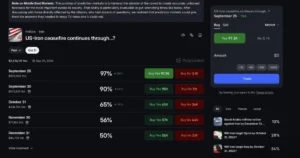
- The Move Toward "Super-Apps": Both MetaMask and Phantom are evolving into "super-apps." By incorporating prediction markets, direct NFT trading, and RWA access, these wallets are effectively becoming the "browser" of the decentralized internet.
Expert Analysis and Future Outlook
Market analysts note that while MetaMask holds the advantage of incumbency and deep integration with legacy DeFi protocols, Phantom’s growth is indicative of a broader shift in user demographics. Younger, retail-oriented investors who entered the market during the 2023-2025 cycle tend to gravitate toward Phantom for its mobile-first design. Conversely, developers and institutional actors often remain tethered to MetaMask due to its mature infrastructure and compatibility with long-standing Ethereum standards.
The battle is likely to intensify as both platforms expand into emerging sectors such as Decentralized Physical Infrastructure Networks (DePIN) and AI-driven autonomous agents. Whoever captures the "onboarding experience" for these new technologies will likely define the standards for Web3 adoption for the remainder of the decade.
Conclusion
As the industry moves toward 2027, the dichotomy between MetaMask’s versatility and Phantom’s efficiency will continue to force both platforms to iterate at a breakneck pace. For the average user, this competition is a net positive, driving down costs and forcing developers to focus on accessibility. While MetaMask currently leads in absolute numbers, the momentum is undeniably moving toward platforms that can balance high-level security with the simplicity of a standard consumer application. The era of the "crypto-native-only" wallet is over; the era of the mass-market financial interface has begun.