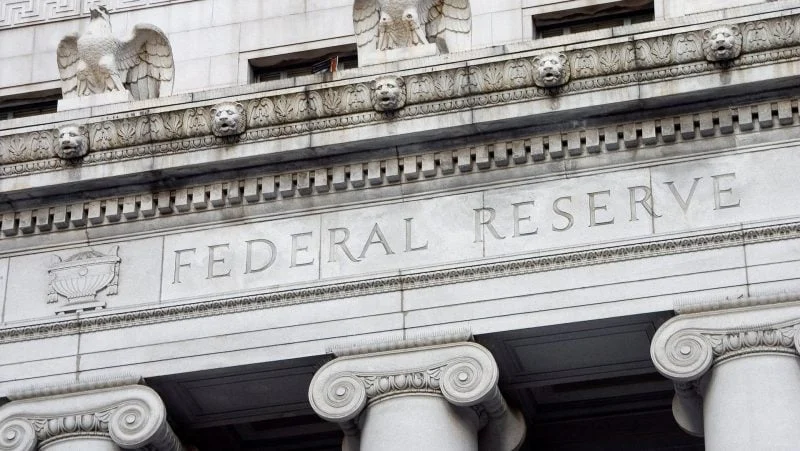
The United States Federal Reserve has formally introduced a sweeping set of proposed regulations aimed at governing payment stablecoin issuers operating under its direct supervision. This regulatory push represents a significant milestone in the ongoing implementation of the bipartisan GENIUS Act, a legislative framework designed to bring clarity, safety, and institutional oversight to the rapidly expanding digital asset sector. As the intersection of traditional banking and decentralized finance deepens, regulatory bodies are increasingly moving to establish clear boundaries for digital tokens pegged to fiat currencies. The newly released proposals focus heavily on asset backing, stringent capital adequacy, operational risk management, and formal authorization pathways for traditional banking institutions desiring to enter the stablecoin issuance ecosystem.
At its core, the initiative seeks to insulate the broader financial system from the systemic vulnerabilities historically associated with private digital currencies. By imposing traditional banking-style prudential standards on stablecoin issuers, the Federal Reserve intends to eliminate the risk of destabilizing runs—similar to those witnessed in historical banking panics or recent crypto-market liquidity crunches. These measures reflect a growing consensus among global financial regulators that payment stablecoins, if allowed to scale without adequate guardrails, could pose substantial threats to monetary stability, consumer protection, and the smooth operation of the national payment infrastructure.
Asset Backing and Liquidity Mandates
Under the primary proposal issued by the Board of Governors, any payment stablecoin issued by a firm under Federal Reserve supervision must maintain a 100% backing in permitted reserve assets at all times. These reserves are strictly limited to low-risk, highly liquid financial instruments designed to ensure that token holders can redeem their digital assets at par value—typically one-to-one with the U.S. dollar—under any market conditions. Permissible assets under the draft rule include short-term United States Treasury bills, overnight repurchase agreements backed by Treasuries, and other high-quality liquid assets (HQLAs) that feature minimal credit and market risk.
In addition to reserve composition, the initial proposal establishes rigorous standardized capital requirements. These requirements are specifically calibrated to absorb unexpected credit, market, and operational risks inherent to stablecoin operations. Issuing firms will not only need to prove that their reserves match circulating token supplies on a daily basis, but they will also be mandated to maintain an independent capital buffer. This buffer is intended to protect the institution against operational failures, technological outages, cyber threats, or sudden legal liabilities. Comprehensive risk management protocols—encompassing governance structures, liquidity management frameworks, and robust auditing procedures—form the remainder of this foundational regulatory package.
Furthermore, the Federal Reserve is concurrently seeking public feedback on specialized custody requirements. These rules govern how financial institutions safeguard stablecoin reserve assets on behalf of issuers, ensuring complete bankruptcy remoteness. The framework explicitly clarifies which specific stablecoin-related activities are permissible for banks under Federal Reserve supervision, drawing a bright line between authorized banking services and impermissible speculative crypto-ventures.
A Structured Application Process for Commercial Banks
In a secondary regulatory proposal, the central bank has outlined a formal, tailored application process for Board-supervised banking organizations that wish to seek official approval to issue payment stablecoins. Rather than operating in a regulatory vacuum or relying on informal guidance, commercial banks desiring to issue these digital instruments must navigate a rigorous vetting procedure.
The application process requires institutions to submit an exhaustive operational blueprint. This includes comprehensive business plans detailing the intended utility of the stablecoin, target markets, technological infrastructure, and integration with existing payment rails. Additionally, banks must provide detailed financial projections, stress-testing models under various economic scenarios, and legal opinions confirming compliance with existing federal statutes.
To ensure due process, the framework incorporates explicit administrative procedures. It details the mechanisms for formal appeals, administrative hearings, and ultimate Board decisions on stablecoin applications. This ensures that traditional financial institutions have a transparent, predictable, and legally sound pathway to innovation, provided they can meet the elevated prudential standards demanded by the nation’s central bank.
Chronology and Regulatory Evolution
The introduction of these proposed rules does not occur in a vacuum; rather, it represents the continuation of a methodical, multi-agency regulatory rollout mandated by the GENIUS Act. The legislative groundwork laid by Congress empowered federal banking regulators—including the Federal Reserve, the Office of the Comptroller of the Currency (OCC), and the Federal Deposit Insurance Corporation (FDIC)—to construct a unified federal regime for payment stablecoin issuers.
A chronological review of recent regulatory actions highlights the accelerating pace of implementation:
- Early Congressional Action: The passage of the GENIUS Act established the foundational federal framework, designating primary regulatory responsibilities to federal banking agencies to oversee reserves, capital adequacy, and risk management practices for payment stablecoin operators.
- June Multi-Agency Initiative: Federal banking regulators jointly proposed extending core anti-money laundering (AML) and counter-terrorist financing (CTF) rules to the stablecoin sector. This initiative mandated that permitted payment stablecoin issuers operate formalized customer identification programs (CIPs) and formally classified them as "financial institutions" under the purview of the Bank Secrecy Act (BSA).
- September Federal Reserve Proposals: The Federal Reserve advanced the implementation timeline by releasing its dual-part regulatory package. The first proposal targets reserve backing, capital requirements, and custody standards, while the second establishes the formal bank application, review, and appeals process.
- Ongoing Public Comment and Finalization Period: Following the publication of these rules in the Federal Register, the central bank entered a standard public comment window, inviting industry stakeholders, consumer advocacy groups, and academic experts to submit feedback before final rules are drafted and implemented.
Stakeholder Perspectives and Industry Reactions
The release of the Federal Reserve’s proposals has elicited a diverse range of responses from across the financial services, fintech, and cryptocurrency sectors. Representatives from traditional banking institutions have expressed cautious optimism regarding the establishment of a clear, codified application process. For years, major financial institutions argued that regulatory uncertainty prevented them from competing effectively in the digital asset space. The new framework provides a definitive rulebook, replacing ambiguity with structural compliance pathways.
Conversely, representatives from the native cryptocurrency and stablecoin issuing sectors have voiced concerns over the potential compliance burden. Industry trade groups point out that while institutional safety is paramount, overly prescriptive capital requirements and stringent operational mandates could disproportionately favor large legacy financial institutions, potentially stifling decentralized innovation and pushing smaller fintech competitors out of the market. Advocates for digital assets have emphasized the need for proportionality, arguing that capital requirements must be carefully balanced against the actual risks posed by fully reserved, short-term Treasury-backed instruments.
Consumer protection advocates and macroeconomic analysts, however, have largely welcomed the proposals. Financial stability watchdogs have long warned that unregulated or under-reserved stablecoins could trigger systemic contagion if a sudden wave of redemptions forced a fire sale of reserve assets. By mandating holdings exclusively in high-quality liquid assets like short-term Treasury bills, the Federal Reserve’s proposal aligns stablecoin backing with some of the safest instruments in global finance, significantly mitigating the risk of a digital bank run.
Broader Economic Impact and Strategic Implications
The long-term implications of the Federal Reserve’s stablecoin framework extend far beyond the immediate cryptocurrency markets, touching upon the future of the U.S. dollar’s dominance, payment efficiency, and monetary policy transmission. Payment stablecoins have increasingly established themselves as the vital plumbing of the digital asset economy, facilitating trillions of dollars in trading volume and cross-border settlements. By bringing these instruments securely within the regulatory perimeter, the federal government is effectively signaling that digital dollars are here to stay, provided they conform to traditional banking safeguards.
One of the most profound structural impacts of the new rule is its potential effect on the market for short-term U.S. government debt. Because stablecoin issuers must back their tokens primarily with short-term Treasury bills, the continued growth of the stablecoin sector creates an institutional baseline of steady, non-fiat demand for government securities. This integration cements the utility of sovereign debt not only as a fiscal tool for the federal government but as the fundamental collateral backing the next generation of digital payments.
Furthermore, the integration of stablecoins into the regulated banking sector paves the way for greater operational efficiencies. Cross-border payments, which traditionally take days to settle through legacy correspondent banking networks, can achieve near-instantaneous settlement via blockchain-based stablecoin rails. With the Federal Reserve establishing clear rules on capital, liquidity, and operational risk, commercial banks can now innovate with confidence, developing proprietary stablecoin solutions or partnering with compliant issuers to modernize domestic and international payment systems.
As the public comment period proceeds and regulators review stakeholder feedback, the finalized rules will set a global precedent. As other major jurisdictions—such as the European Union with its Markets in Crypto-Assets (MiCA) regulation—implement their own digital asset frameworks, the U.S. approach under the GENIUS Act will shape the competitive landscape of international digital finance. The Federal Reserve’s decisive steps mark a transformative chapter in financial history, bridging the gap between innovative blockchain technology and centuries-old central banking prudence.