Decentralized exchange titan Uniswap has officially launched its first permissioned liquidity pools, marking a monumental shift in its operational strategy as it seeks to bridge the gap between decentralized finance (DeFi) and traditional financial (TradFi) regulatory frameworks. Deployed on Uniswap V4, the new pools are the result of strategic partnerships with leading tokenized asset issuers Securitize, Superstate, and Dowgo. This development is explicitly designed to facilitate the compliant trading of tokenized real-world assets (RWAs)—such as traditional corporate stocks and exchange-traded funds (ETFs)—directly onchain.
The introduction of permissioned pools represents a calculated balancing act for the decentralized exchange. While core DeFi principles are historically rooted in absolute permissionless access, censorship resistance, and pseudonymity, the multi-trillion-dollar market for tokenized securities requires strict adherence to regulatory mandates, including Know-Your-Customer (KYC), Anti-Money Laundering (AML), and investor accreditation checks. By integrating advanced smart contract hooks into the Uniswap V4 architecture, the platform aims to satisfy institutional and regulatory demands without compromising the underlying utility of its automated market maker (AMM) infrastructure.
The Mechanics of Uniswap V4 Permissioned Pools
At the heart of this new initiative is the innovative architecture of Uniswap V4, which introduces customizable "hooks"—smart contracts that run at specified points in a pool’s lifecycle. Through these hooks, the newly launched pools can enforce strict restrictions on swaps and liquidity provision.
Specifically, the infrastructure restricts participation to an allowlist of approved cryptocurrency wallets. When a user attempts to interact with a permissioned asset pool, the smart contract cross-references the wallet address against verified identity databases managed or integrated by Securitize, Superstate, and Dowgo. Any wallet linked to a sanctioned entity, unverified identity, or restricted jurisdiction is automatically flagged and blocked from executing trades or depositing liquidity.
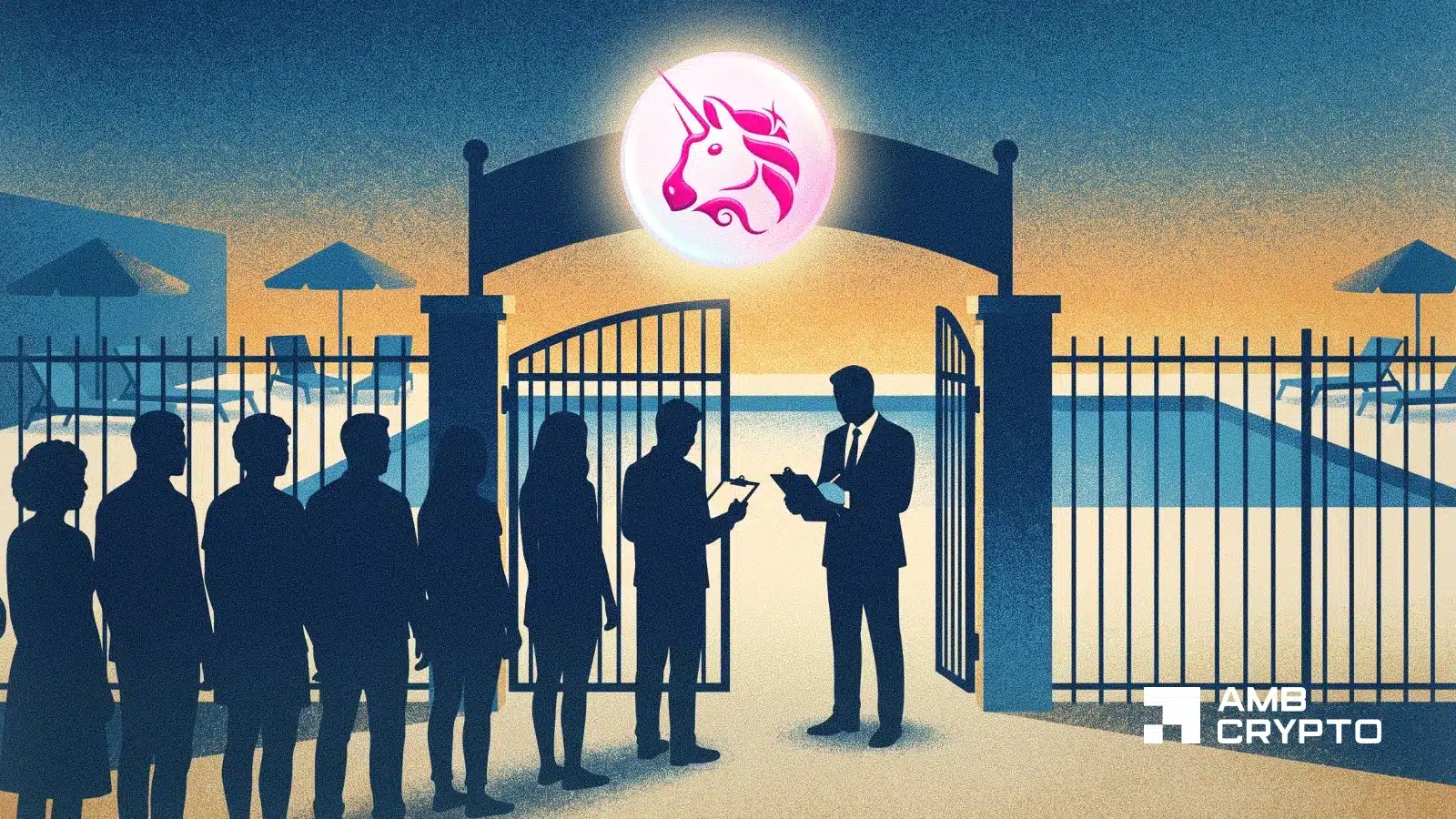
This mechanism effectively introduces a localized layer of centralization to a specific subset of the decentralized exchange. While the broader Uniswap protocol remains permissionless, these ring-fenced pools are intentionally designed to achieve the rigorous compliance checks mandated for trading regulated financial instruments.
Strategic Vision and TradFi Pressures
Hayden Adams, CEO and founder of Uniswap Labs, emphasized the necessity of the upgrade during the rollout, positioning it as an inevitable evolution for the protocol.
"Uniswap protocol is infrastructure for all onchain trading," Adams stated. "Some regulated tokens and use cases require permissioned trading. Uniswap v4 can now more easily support these use cases through this new hook."
This strategic pivot comes amid intensifying pressure from traditional financial institutions and regulatory bodies. Over the past several years, mainstream financial heavyweights—including Wall Street market makers like Citadel Securities—have aggressively pushed back against the DeFi industry’s bids for regulatory exemptions or limited legal liability. TradFi operators have consistently maintained that traditional legal responsibilities and disclosure requirements must apply to any entity handling tokenized securities, regardless of whether a platform operates on a custodial or non-custodial basis.
The Securities and Exchange Commission (SEC) maintains a strictly technology-neutral stance regarding tokenized securities. Under this regulatory interpretation, traditional disclosure requirements, secondary market monitoring, and investor protection laws apply equally to securities issued on public blockchains as they do to those traded on traditional national exchanges like the New York Stock Exchange or NASDAQ. By deploying permissioned pools, Uniswap is directly addressing these legal hurdles, attempting to carve out a compliant pathway to capture institutional capital.
Riding the Multi-Trillion-Dollar Tokenization Boom
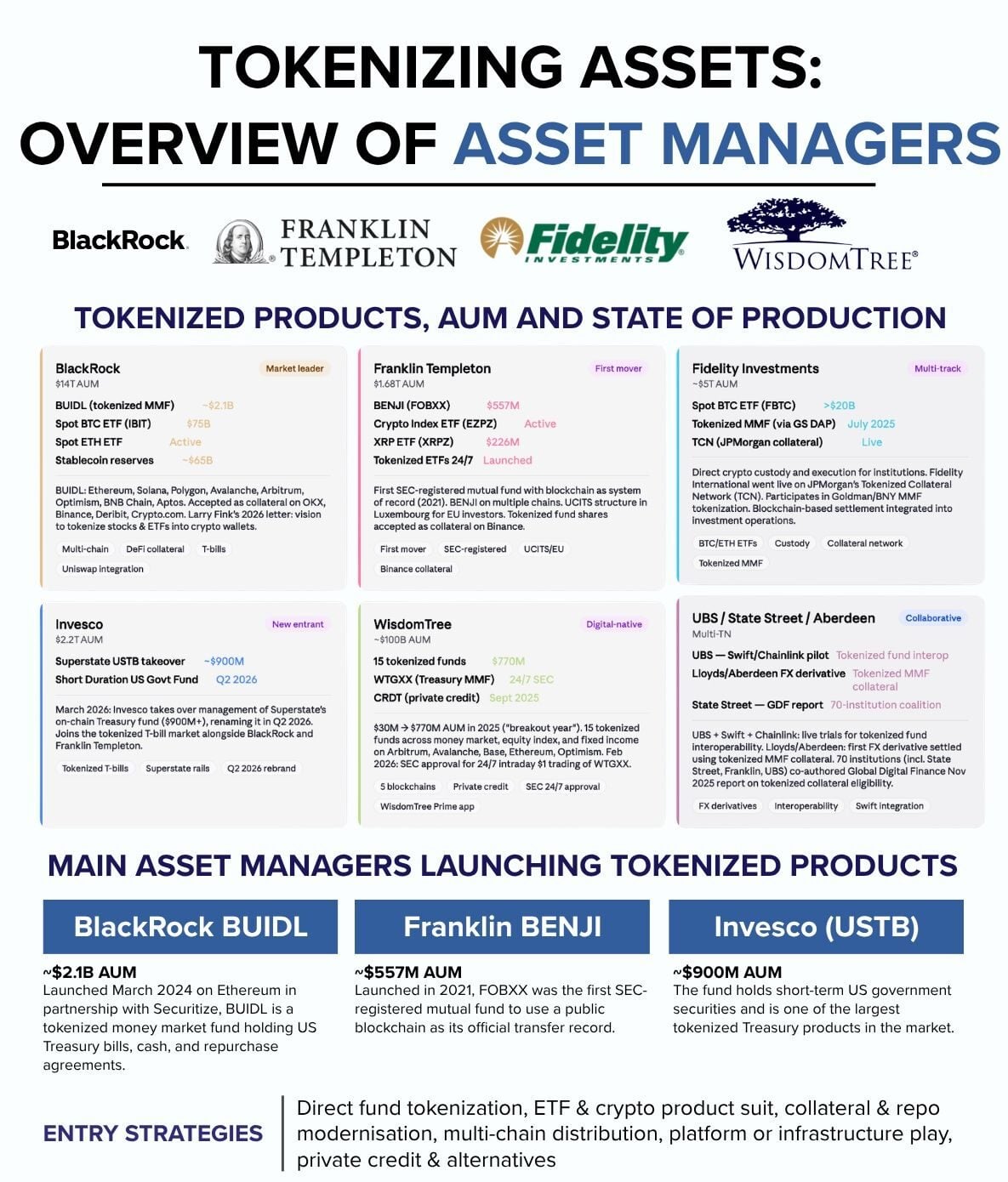
The timing of Uniswap’s permissioned pools aligns with aggressive industry forecasts predicting an exponential expansion of the tokenized asset market. Industry analysts estimate that the current tokenized asset market—valued at approximately $36 billion—is poised for unprecedented growth, with projections suggesting it could surge to an astonishing $11 trillion over the next four years.
This anticipated boom is driven by traditional financial institutions increasingly seeking the efficiencies of blockchain settlement, such as instantaneous clearing, reduced counterparty risk, and 24/7 market accessibility. If Uniswap can successfully position itself as the go-to decentralized infrastructure for compliant RWA trading, the protocol stands to capture a significant fraction of this massive capital influx, driving exponential trading volumes and fee generation.
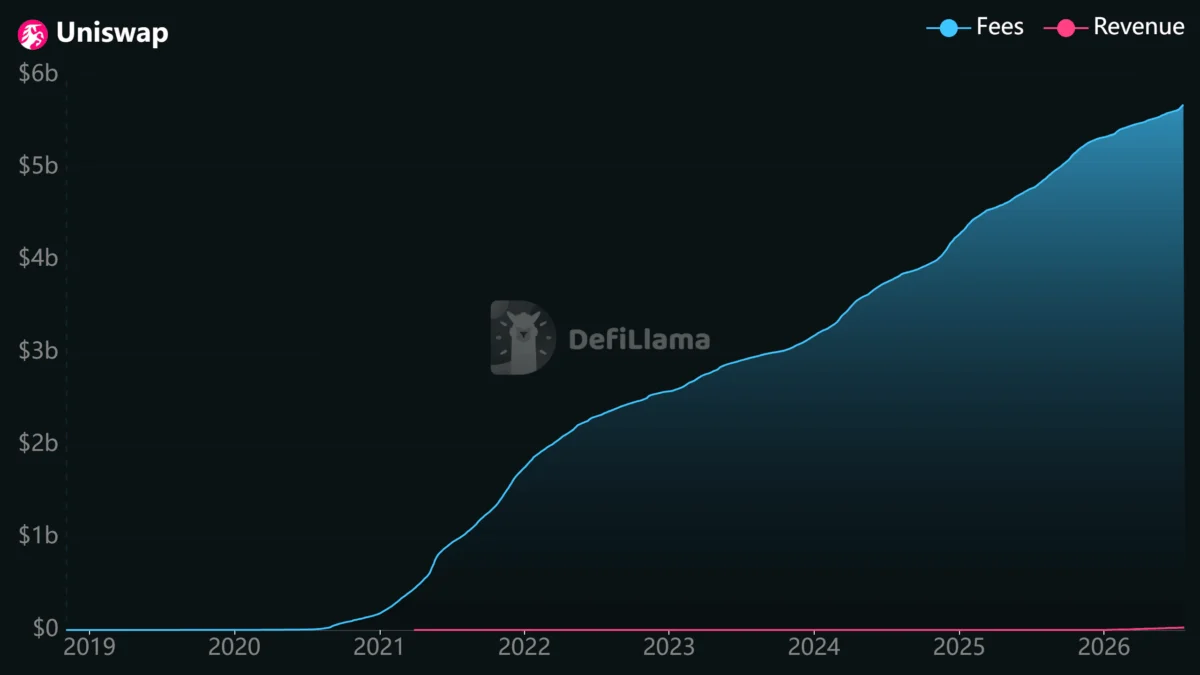
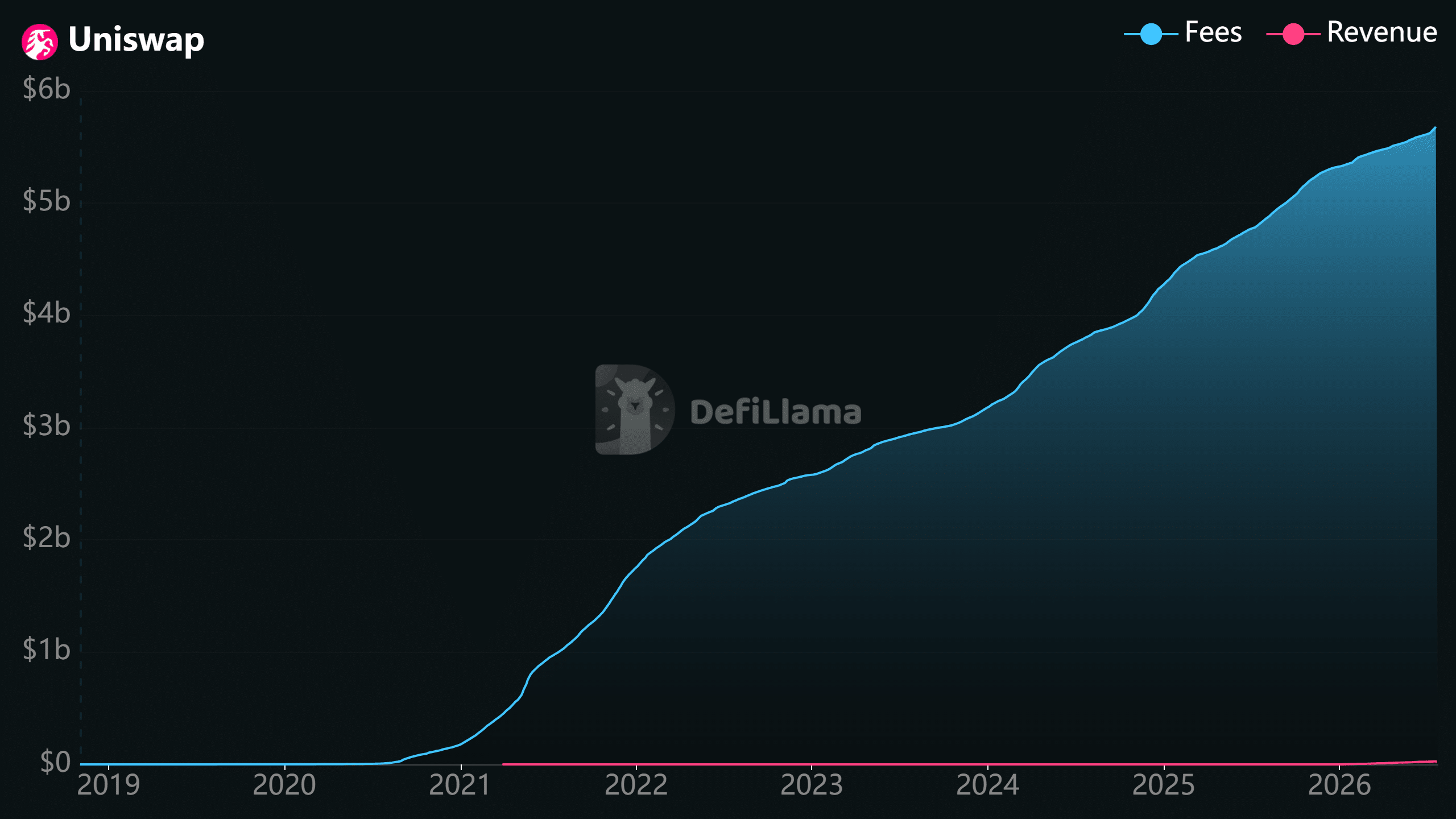
Capturing this market share is particularly crucial for Uniswap’s long-term economic sustainability. Historical data indicates that while the protocol has generated a cumulative $5.6 billion in liquidity provider fees across its various iterations and supported chains, its direct protocol revenue has remained comparatively modest at roughly $27 million. Recent governance proposals aimed at activating protocol fees and sharing revenues have intensified, directly correlating with structural initiatives like the UNI token buyback and burn mechanisms. Throughout 2026, the project has maintained a consistent burn rate, destroying an average of 1 million UNI tokens per month, totaling between 6 million and 8 million tokens burned year-to-date. Enhanced trading volumes from tokenized stocks and ETFs could supercharge this fee-generation model, further tightening the token’s circulating supply.
Market Performance and UNI Token Analysis
The broader macroeconomic environment and protocol developments have played a significant role in recent price action for UNI, the native governance token of the Uniswap ecosystem. Earlier in the month, positive market traction fueled by integrations on platforms like the Robinhood Chain sparked a powerful rally, propelling UNI to surge by nearly 61% from its local lows recorded in June.
At the time of writing, UNI is trading at $3.84, comfortably holding above its 200-day Moving Average (represented by the blue line on standard technical charts). This positioning indicates that the long-term market structure remains fundamentally bullish. Analysts tracking the asset suggest that if buying pressure persists, UNI could extend its current recovery rally to test its previous Q2 peak resistance level at $4.17, representing an additional 12% upside potential for short-to-medium-term traders.
Conversely, market participants are keeping a close eye on critical downside risk levels. The prevailing bullish setup would be formally invalidated if the altcoin slips below the 200-day Moving Average, which currently sits around the $3.60 threshold. A breakdown below this vital technical support level could trigger a sharper market pullback toward the 50-day Moving Average near $3.30, testing the resolve of late-stage retail and institutional buyers.
Broader Implications for Decentralized Finance
The introduction of permissioned pools on Uniswap V4 marks a watershed moment for the decentralized finance sector. For years, the ideological divide between centralized compliance (CeFi) and decentralized autonomy (DeFi) appeared insurmountable. Purists argued that incorporating allowlists and wallet blacklists undermines the core ethos of blockchain technology, transforming censorship-resistant public goods into compliant replicas of traditional brokerages.
However, the commercial reality of the modern financial landscape dictates that institutional adoption cannot happen in a regulatory vacuum. Asset issuers managing tokenized Treasury bills, equities, and real estate cannot legally allow untracked, anonymous entities to hold registered securities due to strict statutory obligations.
By building modular, hook-based flexibility directly into Uniswap V4, the protocol has demonstrated that DeFi infrastructure does not necessarily have to choose between total decentralization and regulatory compliance. Instead, it can accommodate both. If successful, this hybrid model could serve as a blueprint for other decentralized exchanges and lending markets seeking to bridge the multitrillion-dollar divide between public blockchains and global traditional finance.