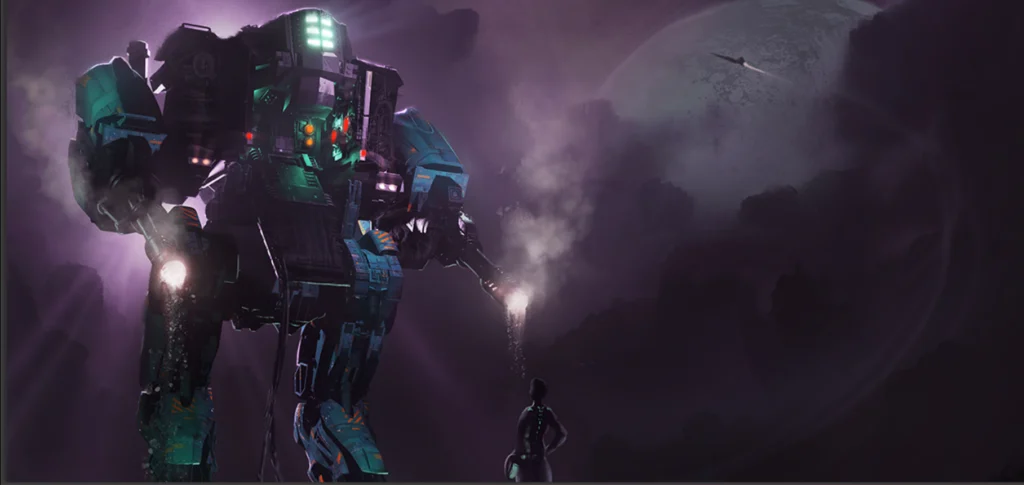
The burgeoning Web3 gaming ecosystem is set to witness a significant evolution with Void 2122’s strategic integration of Non-Fungible Tokens (NFTs) into its tactical card battle platform. Set to launch on October 31st, this move promises to elevate the player experience by introducing verifiable digital ownership of in-game assets, transforming the landscape of collectible card games. As Void 2122 embarks on its second year of operation, the introduction of NFTs marks a pivotal moment, coinciding with the unveiling of its ambitious new initiative, "Void Connect." This platform will allow players to command their digital armies, engage in strategic skirmishes, and compete for valuable in-game rewards and leaderboard rankings.
The genesis of Void 2122 is rooted in a deep passion for the strategic card game genre, with its development team drawing inspiration from iconic titles such as Magic: The Gathering and Pokémon. However, the project’s vision extends far beyond the traditional financial incentives often associated with Web3 gaming. The core objective, as articulated by the Void 2122 team, is to cultivate a dedicated and engaged community united by a genuine appreciation for the gameplay itself, fostering an environment where thrilling strategic encounters take precedence. This philosophy underpins the upcoming NFT integration, aiming to enhance the player-versus-player experience by granting tangible value and authenticity to digital collectibles.
The Transformative Power of In-Game Asset Ownership
The forthcoming integration of NFTs into Void 2122’s gaming ecosystem represents a paradigm shift in how players interact with and possess their in-game assets. For years, the digital gaming world has grappled with the concept of true ownership, with players often feeling a sense of impermanence regarding their virtual acquisitions. NFTs, by their very nature, address this by providing players with immutable proof of ownership and authenticity for their digital cards. This development is poised to redefine the collectible card market, enabling gamers to engage in battles and collect items that are verifiably unique and trustworthy, free from the common concerns of duplication or unauthorized distribution that have plagued digital goods in the past.
Stan Tran, the Founder of Void 2122, articulated the significance of this advancement in a recent statement: "Void 2122 NFTs represent a visionary leap forward from the traditional strategy collectible card concept. In the realm of physical collectible cards, proving authenticity often relied on third-party grading, making collecting, trading, buying, and selling a cumbersome process. However, our digital collectible card vision revolutionizes this experience." This sentiment highlights the inherent inefficiencies and complexities associated with the physical collectible card market, where the verification of authenticity, rarity, and condition has historically been a manual and often subjective endeavor. The transition to a blockchain-based system for digital cards eliminates these barriers, offering a streamlined and transparent approach.
Tran further elaborated on the potential of these digital assets: "Beyond addressing these practical challenges, the true excitement lies in the ability to enhance and empower these cards, transforming them into formidable units within the Void 2122 universe." This statement points towards a future where NFTs are not merely static collectibles but dynamic components that can be upgraded, evolved, and integrated into gameplay in meaningful ways. This dynamic element adds layers of strategic depth and player agency, allowing for personalized gameplay experiences and a more engaging progression system.
Crucially, Tran emphasized the unparalleled transparency offered by their NFT implementation: "What sets our NFTs apart is the transparency they bring—100% authenticity ensures that collectors and owners can proudly showcase their cards without the shadow of suspicion, firmly establishing the integrity of the upgrade process and underscoring that no shortcuts or cheats were employed to bolster their power." This commitment to verifiable authenticity is a cornerstone of the project’s ethos. In the traditional gaming space, the integrity of in-game economies and item progression can sometimes be questioned. By leveraging blockchain technology, Void 2122 aims to build trust by providing an irrefutable ledger of ownership and a transparent record of any enhancements or upgrades applied to an NFT card. This transparency is vital for fostering a healthy and sustainable player base, assuring them that the value and power of their assets are genuine and earned.
The Technological Backbone and Accessibility of Void 2122
Beyond the immediate excitement of collectible and upgradable assets, Void 2122 is built upon a foundation of robust technology and a commitment to accessibility. The Polygon network serves as the primary blockchain infrastructure for these NFTs, a strategic choice that offers significant advantages. Polygon is a Layer 2 scaling solution for Ethereum, known for its significantly lower transaction fees (gas fees) and faster processing times compared to the Ethereum mainnet. This is particularly important for a game that will likely involve frequent transactions related to card trading, acquisition, and in-game actions. By utilizing Polygon, Void 2122 ensures that players can engage with their NFTs without incurring prohibitive costs, making the experience more accessible to a broader audience.
Metamask, a widely adopted cryptocurrency wallet, acts as the secure gateway through which players access and manage their playable cards. This integration ensures that players maintain direct control over their digital assets, with their Metamask wallet serving as the sole entry point to their units, their hard-earned triumphs, and, of course, their accumulated loot. This decentralized approach to asset management is a hallmark of Web3 gaming, empowering players with true digital sovereignty over their in-game possessions.
Recognizing that not all players are seasoned gamers or blockchain enthusiasts, Void 2122 has incorporated a design philosophy that fosters inclusivity. The team acknowledges that mastery of complex gameplay mechanics or extensive time investment may not be feasible for everyone. In this regard, the game draws parallels to established online role-playing games like Everquest, where community interaction and trading play a vital role in player progression. Void 2122 aims to replicate this dynamic by enabling players to enhance their gameplay abilities through the strategic acquisition and trading of NFT cards. This means that even players who may not be at the top of the leaderboards in terms of skill can still achieve success and enjoy the game by engaging with the player-driven economy.
The platform offers multiple avenues for engagement, ensuring that participation is not solely dictated by time commitment or innate gaming prowess. This multi-faceted approach is designed to appeal to a diverse range of players, from competitive strategists to collectors and those who enjoy the social and economic aspects of gaming. The project’s call to action, inviting new players to join the "not-to-be-missed journey" and explore void2122.com, underscores its ambition to grow its player base and foster a vibrant and active community.
Context and Market Trends in Web3 Gaming
The integration of NFTs into gaming, particularly within the collectible card game (CCG) genre, is a trend that has been steadily gaining momentum. The success of titles like Axie Infinity, which pioneered play-to-earn mechanics, demonstrated the significant potential for blockchain technology to create new economic models within gaming. While Axie Infinity’s model primarily focused on earning through gameplay, Void 2122 appears to be building upon this foundation by emphasizing true ownership and the strategic utility of NFTs within the game itself.
The CCG market, in particular, is ripe for disruption by Web3 technologies. Games like Magic: The Gathering and Pokémon have amassed massive global followings and generated billions in revenue over decades. However, the traditional model of acquiring cards is largely physical, with digital counterparts often lacking true ownership or interoperability. Void 2122’s approach directly addresses these limitations by offering a digital-first experience where players own their assets on the blockchain.
The NFT market itself has experienced periods of explosive growth and subsequent correction. However, the underlying technology and its potential applications, especially in areas like gaming and digital collectibles, continue to evolve. Projects that focus on utility, community building, and genuine player empowerment, rather than purely speculative financial gains, are more likely to achieve long-term sustainability. Void 2122’s emphasis on gameplay, community, and the tangible benefits of NFT ownership aligns with these more sustainable trends.
Analysis of Implications and Future Outlook
The implications of Void 2122’s NFT integration are far-reaching for both the game itself and the broader Web3 gaming industry.
- Player Empowerment and True Ownership: The most significant implication is the empowerment of players. By granting them verifiable ownership of their in-game assets, Void 2122 moves away from the traditional model where players are merely licensing digital goods. This sense of ownership can foster greater loyalty and investment in the game’s ecosystem.
- Enhanced Collectibility and Value: NFTs introduce a new dimension to collectibility. The scarcity and authenticity of digital cards, backed by blockchain technology, can create genuine value for players, potentially leading to thriving secondary markets for trading and collecting.
- New Economic Models: While not explicitly a "play-to-earn" game in the vein of Axie Infinity, Void 2122’s model opens avenues for players to derive economic value from their engagement and collection. The ability to trade and potentially sell upgraded NFTs could become a significant draw.
- Innovation in Game Design: The concept of "enhancing and empowering" NFT cards suggests that game designers can explore innovative mechanics that leverage the unique properties of blockchain assets. This could lead to more dynamic and evolving gameplay experiences.
- Bridging the Gap for Traditional Gamers: By focusing on gameplay and offering accessible entry points, Void 2122 aims to attract players who may be hesitant about the complexities of cryptocurrency and NFTs. The promise of tangible benefits through gameplay can serve as a powerful on-ramp to Web3 adoption.
- Setting a Precedent for CCGs: If successful, Void 2122’s model could serve as a blueprint for other collectible card games looking to embrace blockchain technology. It demonstrates a viable path for integrating NFTs in a way that enhances, rather than detracts from, the core gaming experience.
The launch of Void Connect and the NFT integration on October 31st will be a critical juncture for Void 2122. The team’s commitment to building a community around genuine enjoyment of the game, coupled with a technically sound and accessible platform, positions it as a noteworthy contender in the evolving Web3 gaming space. The success of this venture will likely depend on its ability to deliver a compelling gameplay experience that justifies the value and utility of its NFT assets, fostering a loyal and engaged player base for years to come.
For those eager to delve into this innovative world of tactical card battles and experience the future of digital asset ownership, visiting void2122.com is the recommended first step. The journey promises strategic depth, rewarding gameplay, and a community-driven experience that redefines what it means to be a player in the digital realm.