The long-standing animosity between former UFC lightweight champions Conor McGregor and Khabib Nurmagomedov has reignited, shifting from the confines of the Octagon to the volatile world of digital assets. The recent dispute centers on the launch of a collection of non-fungible tokens (NFTs) inspired by the traditional Dagestani papakha hat—a signature piece of cultural attire synonymous with Nurmagomedov’s professional persona. What began as a venture into blockchain-based memorabilia has rapidly devolved into a high-stakes public conflict, marked by accusations of financial impropriety and the exploitation of cultural heritage.
The Genesis of the Conflict
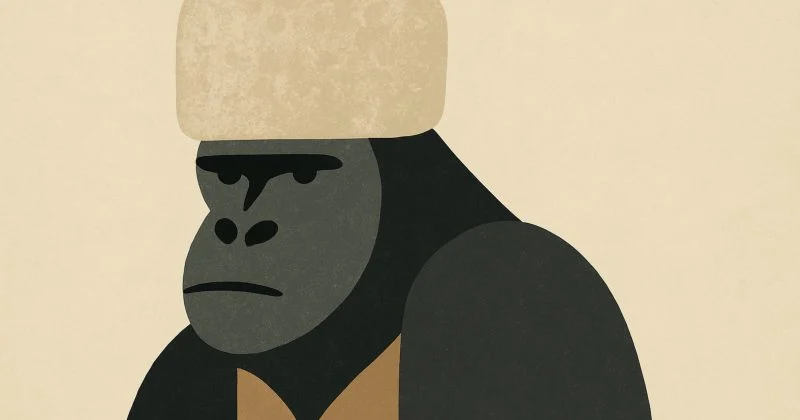
The friction began when Nurmagomedov, who retired from professional mixed martial arts in 2020 with an undefeated record, unveiled a digital project featuring papakha-themed NFTs. These assets were marketed as a tribute to Dagestani tradition, drawing heavily on the imagery that Nurmagomedov popularized during his ascent to the top of the UFC. Reports circulating on social media, corroborated by blockchain tracking data, suggested that the collection generated approximately $4.4 million in total sales.
However, the controversy erupted shortly after the conclusion of the sale, when it was observed that Nurmagomedov had purged his social media accounts of all posts and promotional material related to the NFT project. This abrupt deletion prompted immediate scrutiny from the online crypto-community and served as the catalyst for McGregor’s public intervention.
McGregor’s Allegations and Public Accusations
Conor McGregor, never one to shy away from confrontational exchanges with his former opponent, utilized his platform on X (formerly Twitter) to launch a scathing critique of the project. McGregor characterized the venture as a "scam," alleging that Nurmagomedov utilized the revered name of his late father, Abdulmanap Nurmagomedov, and the cultural identity of Dagestan to solicit funds from fans under false pretenses.
"There is just no way good guy Khabib used his late father’s name, as well as Dagestan’s culture, to scam his fans and fire sell a bunch of digital NFTs online and then delete all of the content after they were sold, leaving his fans robbed of their money?" McGregor stated in a post that garnered widespread attention.
McGregor’s criticism extended beyond the technical execution of the sale, framing the incident as a moral failing. He described the situation as "a shame and a stain" on the legacy of Nurmagomedov’s father, implying that the financial exploitation of a cultural icon for personal gain was a departure from the values the Nurmagomedov family had historically promoted.
Nurmagomedov’s Rebuttal
Nurmagomedov, who has largely maintained a private lifestyle since his retirement, issued a rare, pointed response to the allegations. He categorically rejected the "scam" characterization, dismissing McGregor’s claims as the fabrications of an "absolute liar." According to representatives for Nurmagomedov, the NFTs were never intended as investment vehicles, but rather as "digital gifts" designed to offer utility and celebrate the cultural history of the Caucasus region.
The retired champion suggested that the accusations were merely a continuation of the bitterness stemming from their high-profile 2018 UFC 229 encounter. In that bout, Nurmagomedov defeated McGregor via fourth-round submission, an event that remains one of the most significant moments in MMA history due to the pre-fight trash talk and the subsequent post-fight brawl. Nurmagomedov’s camp maintains that McGregor’s current interest in the NFT project is motivated by a desire to disparage his reputation years after the physical rivalry concluded.
Contextualizing the Crypto-Ventures of MMA Athletes
The clash highlights a broader trend within the combat sports industry: the increasing intersection between elite athletes and the cryptocurrency market. Both fighters have histories of interacting with the blockchain ecosystem, though with varying degrees of success and public perception.
McGregor’s own foray into the space was not without its own complications. The former two-division champion previously entered a partnership with Real World Gaming DAO to launch a cryptocurrency token known as REAL. The project was intended to merge the popularity of "meme coins" with genuine utility and transparent philanthropic fundraising. However, the project encountered significant headwinds during its initial phase. When the presale failed to reach its specified financial target, the development team opted to process full refunds for all participants, effectively halting the project before it could gain traction.
This history suggests that both fighters are operating in an environment where the intersection of celebrity influence and speculative digital assets is prone to intense public skepticism. For investors, the volatility of these projects often leads to confusion regarding whether the assets possess inherent value or rely solely on the social capital of the promoter.
Analyzing the Mechanics of the Dispute
From a technical standpoint, the deletion of social media posts following a successful NFT sale is a common, albeit controversial, practice in the digital asset space. While creators often argue that this is a standard "cleanup" of marketing materials once a sale is concluded, critics view the removal of documentation as a red flag that hinders transparency and accountability.
The lack of a clear regulatory framework surrounding celebrity-endorsed NFTs has led to a "Wild West" atmosphere. In many instances, the value of such assets is tied almost exclusively to the brand equity of the athlete. If the athlete ceases to engage with the community or removes the promotional infrastructure, the secondary market for these NFTs often collapses, leaving buyers with assets that possess little liquidity or utility.
Financial analysts monitoring the situation have noted that the $4.4 million figure associated with Nurmagomedov’s collection represents a significant amount of capital, making the lack of long-term project viability a point of contention for participants. Whether the project qualifies as a "scam" depends on the legal definition of misrepresentation and the expectations set during the marketing phase—a legal gray area that frequently leaves investors with little recourse.
Broader Implications for Athlete-Fan Relations
The ongoing feud serves as a case study for the risks inherent in celebrity-driven digital asset projects. As UFC stars and other professional athletes seek to diversify their income streams through blockchain technology, the potential for reputational damage has increased exponentially.
For Nurmagomedov, the situation threatens to tarnish the carefully curated image of a humble, principled athlete that he cultivated throughout his career. For McGregor, the move is seen by many observers as a calculated effort to remain relevant in the conversation by attacking his greatest rival, even as his own business ventures face scrutiny.
The impact of this dispute on the broader MMA community is profound. It underscores a shift in how fans interact with their idols, moving from simple viewership to active participation in the financial ventures of those idols. When these ventures fail or are perceived to fail, the resulting fallout is often as intense as any physical rivalry witnessed in the Octagon.
Future Outlook and Industry Regulation
As the digital asset space continues to evolve, the calls for greater transparency in celebrity-promoted projects are growing louder. Regulatory bodies in various jurisdictions are increasingly looking at how tokens and NFTs are marketed, particularly when they involve the use of personal brand names or family legacies.
Whether the conflict between McGregor and Nurmagomedov results in any formal inquiry remains to be seen. However, the public nature of the dispute ensures that the topic of athlete-endorsed crypto-projects will remain a subject of intense debate. For now, the "battleground" has shifted from the canvas to the blockchain, proving that even in retirement, the rivalry between these two titans of the sport remains a focal point for their global fanbases.
The incident also highlights the importance of due diligence for consumers in the digital space. As the lines between entertainment, sports, and finance continue to blur, the burden of verifying the legitimacy of a project rests increasingly on the individual investor. The clash between McGregor and Nurmagomedov serves as a stark reminder that in the world of high-profile digital assets, the only certainty is the intensity of the scrutiny that follows the sale.
As both camps continue to trade barbs, the fans are left to reconcile the legacy of the athletes they once idolized with the realities of the modern, unregulated digital economy. The saga continues to unfold, serving as a bellwether for the future of celebrity engagement in the decentralized financial sector.