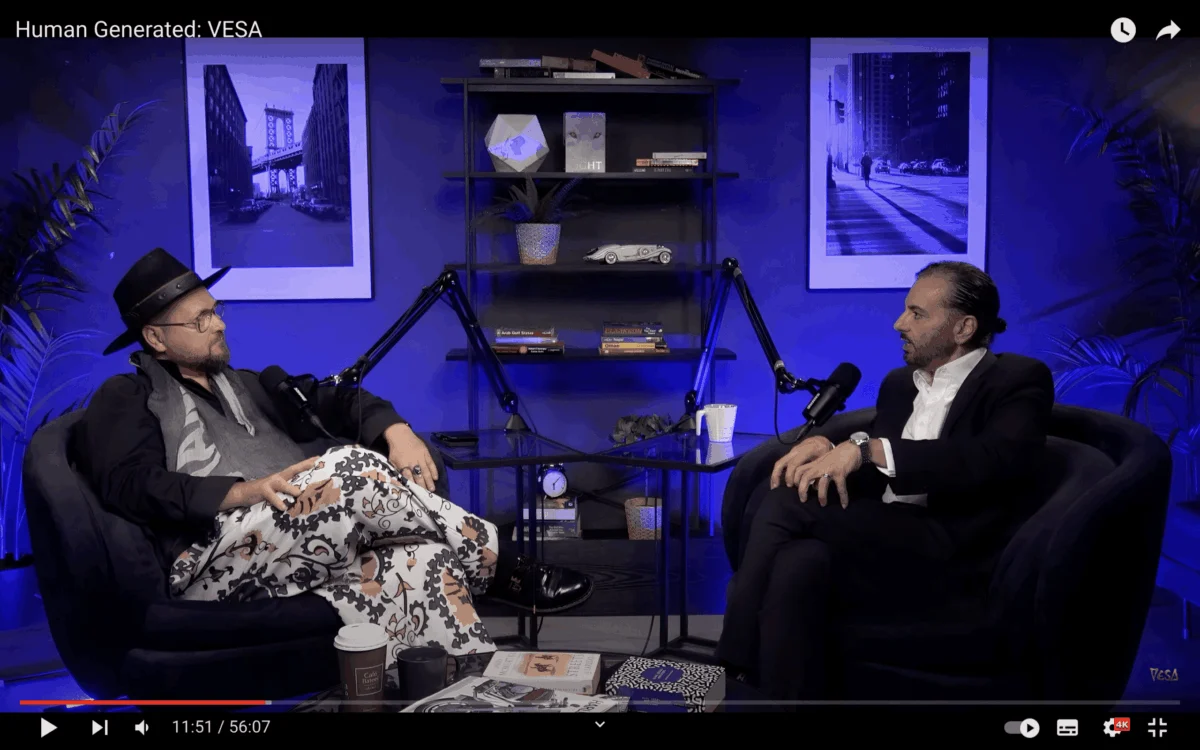
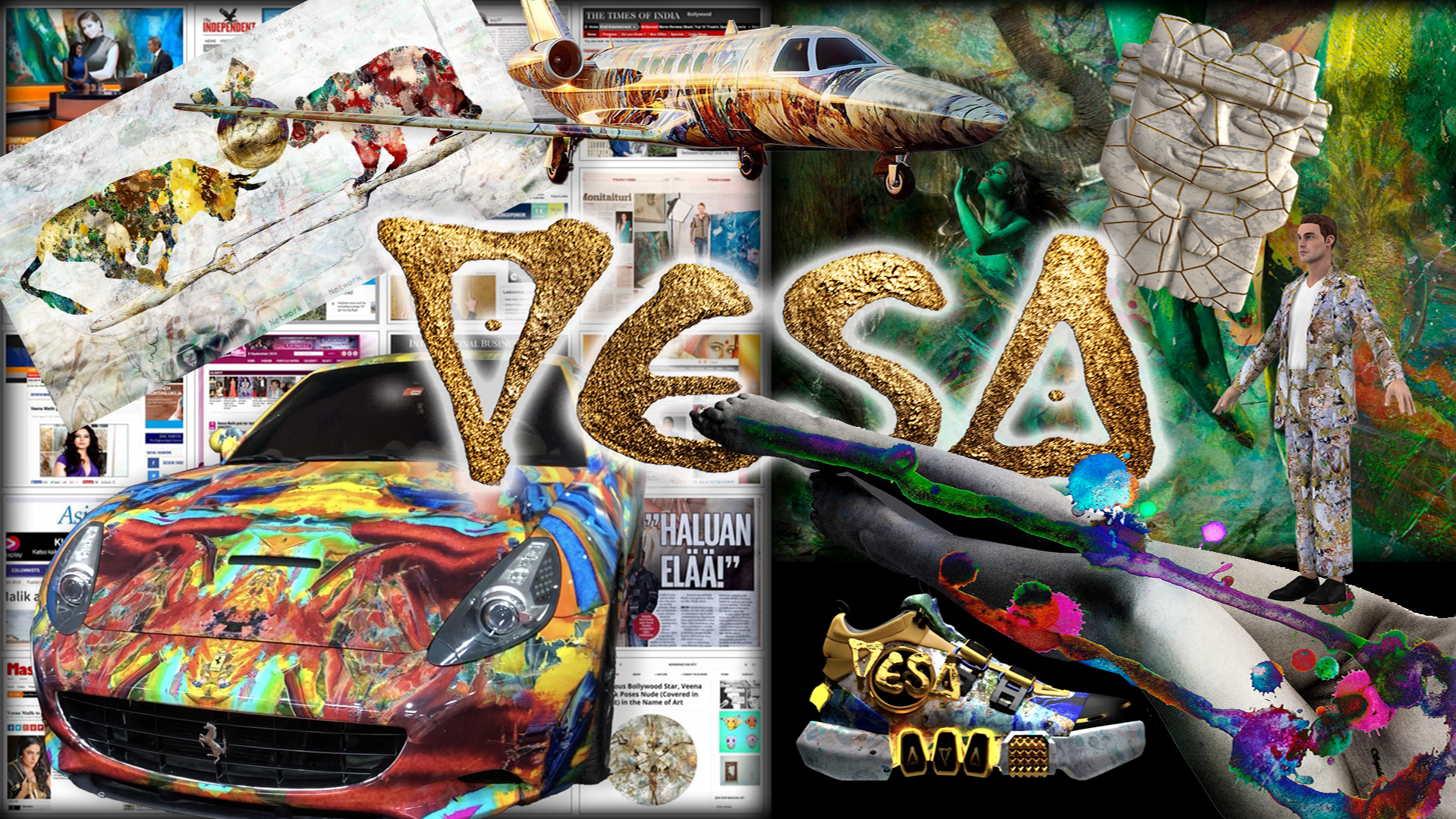
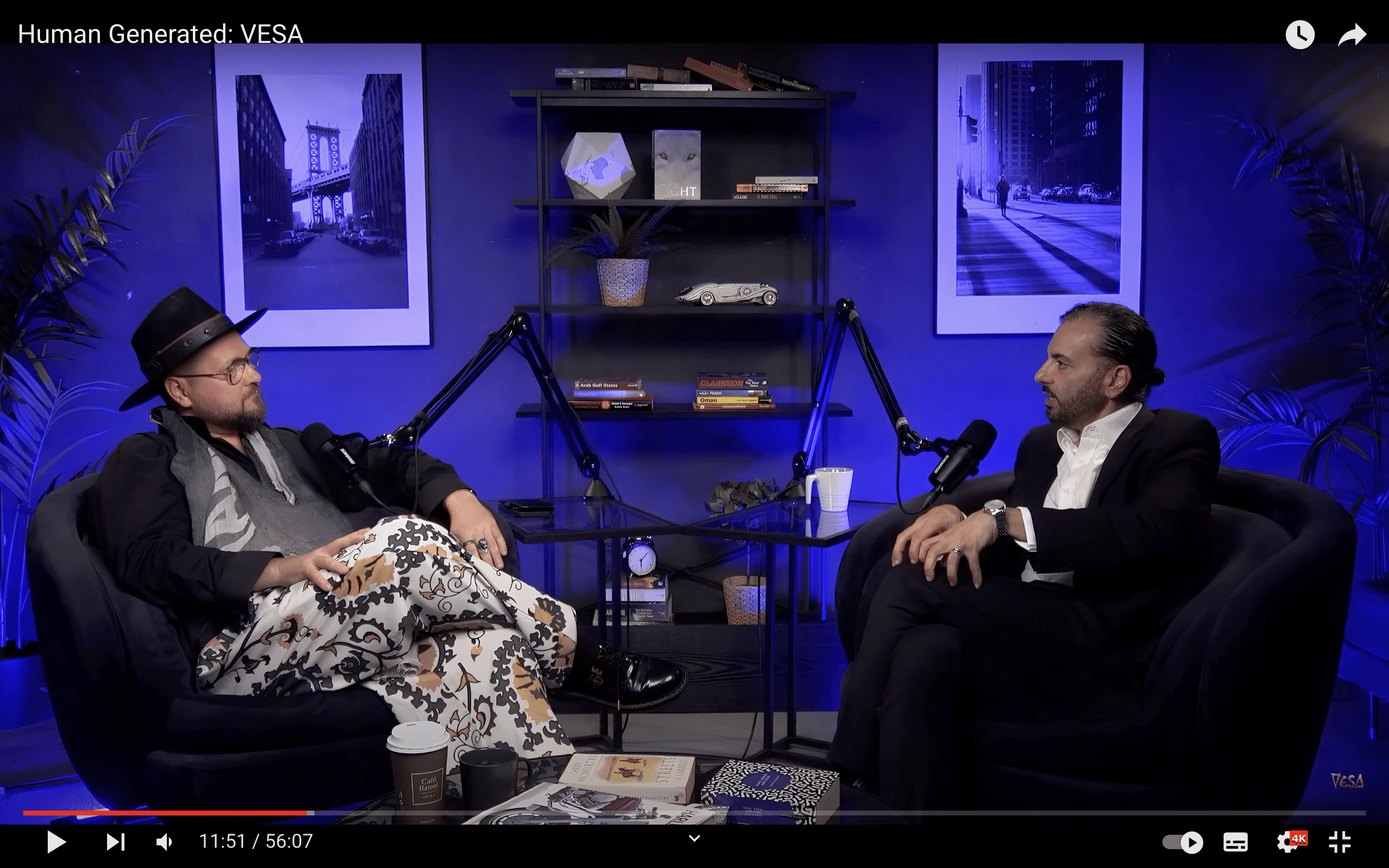
The intersection of ancient artistic expression and cutting-edge digital technology has become a focal point of modern cultural discourse, as creators grapple with the rapid digitization of society. This evolving dynamic was recently examined in depth when renowned crypto and multimedia artist VESA appeared as a featured guest on the Human Generated podcast, hosted by Omid Honari. Recorded following their respective keynote presentations at the prestigious Mohammed Bin Rashid Library in Dubai, the conversation transcended traditional art-world critiques, delving instead into the philosophical, spiritual, and structural underpinnings of human creativity.
A Meeting of Minds at the Mohammed Bin Rashid Library
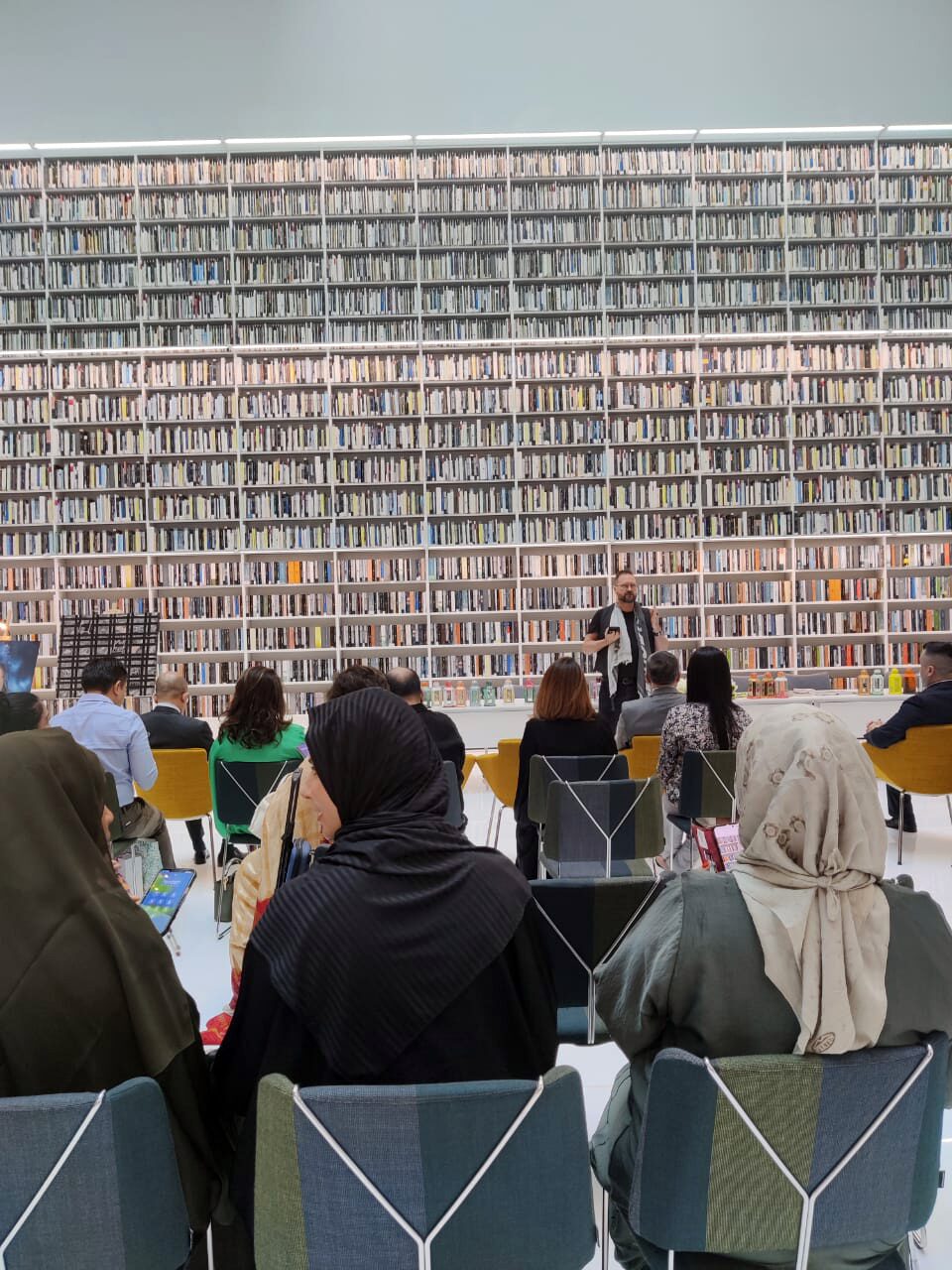
The dialogue between VESA and Honari has its roots in early 2023, during a high-profile series of keynote speeches hosted at the architectural landmark of the Mohammed Bin Rashid Library in Dubai. Both speakers found common ground in their respective presentations, which independently touched upon the profound implications of art, human expression, and spiritual consciousness.
Several months later, as the United Arab Emirates faced the peak of the region’s intense summer heat in late May, the two figures sat down to record an extensive episode for the Human Generated podcast. For VESA, a 44-year-old native of Finland who spent years residing in the United Kingdom, the setting marked a stark contrast to his Scandinavian origins. Reflecting on his transition to consistent warm weather, VESA noted that the experience offered a welcome reprieve from what he termed lingering "cold trauma." This opening reflection on environmental adaptation set a philosophical tone for the interview, illustrating how human beings constantly rationalize their relationship with their immediate surroundings through narrative and shared wisdom.

Challenging the Narrative: Web3 and the Evolution of Artistic Expression
A central theme of the podcast addressed the skepticism surrounding emerging technologies—specifically non-fungible tokens (NFTs), the metaverse, and broader Web3 frameworks—within traditional creative communities. Many mainstream critics and academic institutions have argued that the financialization and digitization of art dilute genuine creative endeavors, reducing profound cultural works to speculative assets.
Challenging this premise, VESA offered a counter-perspective rooted in Ken Wilber’s Integral Theory. This philosophical framework encourages individuals to view their personal contributions, philosophies, and beliefs as interconnected components of a larger, systemic whole. According to VESA, contemporary art education in colleges and universities often relies on a fractionalized outlook. Academia frequently emphasizes the post-modern period while largely overlooking the historical roots of human artistic creation, such as ancient cave paintings and body art.
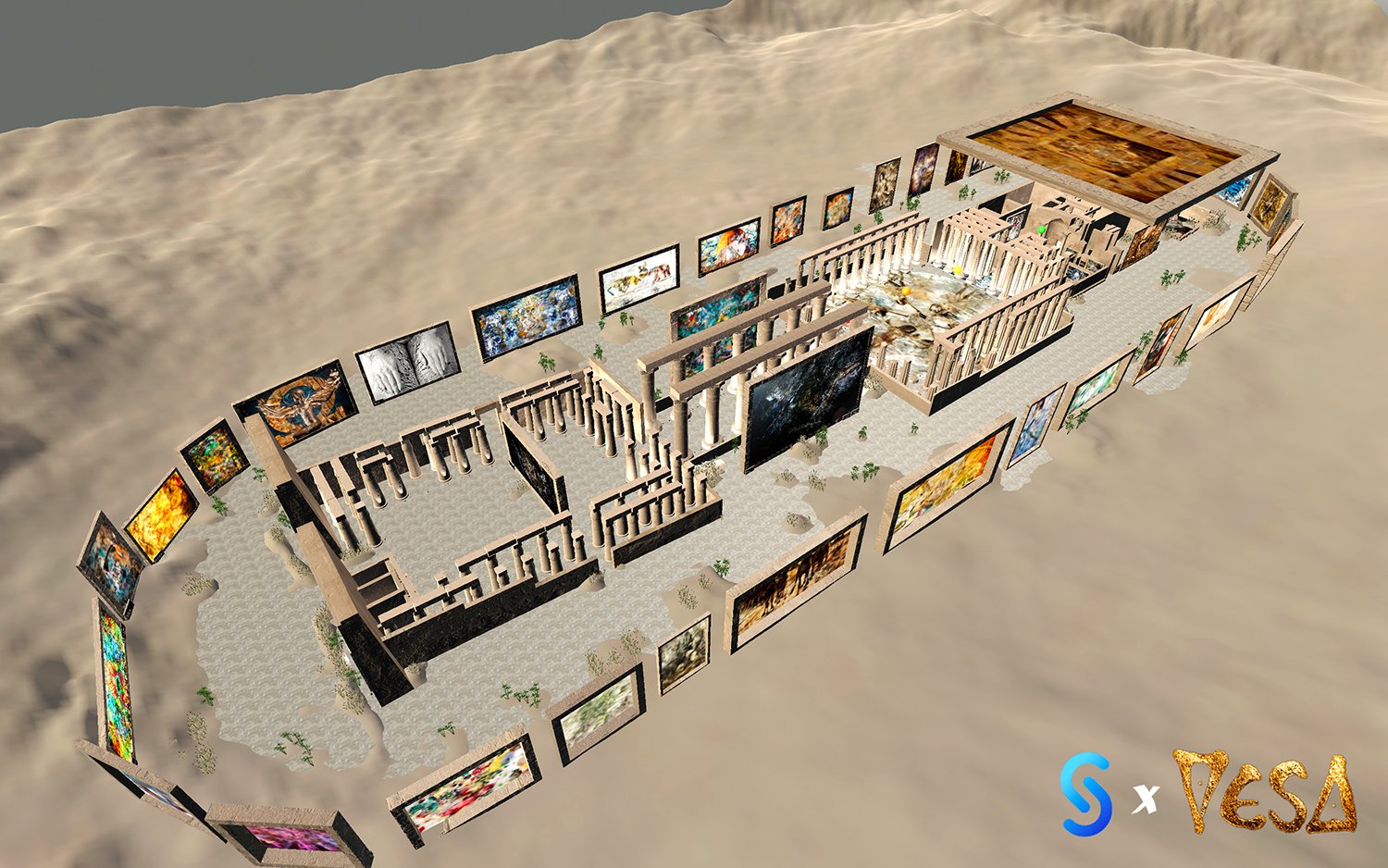
When viewed through an Integral lens, Web3 technologies do not represent a discordant disruption, but rather a set of sophisticated tools capable of dismantling entrenched institutional gatekeeping. VESA pointed to his own initiatives, including the LUXOR-inspired art gallery in the metaverse, as practical examples of how technology can democratize access to art. By lowering barriers to entry, these platforms allow creators to bypass traditional art institutions, which VESA contends are often overly preoccupied with identity politics rather than pure creative freedom.
Bridging Corporality and the Digital Realm
The conversation subsequently turned to the methodological bridge between physical, highly corporal art forms—such as body painting—and the intangible digital landscape. VESA recounted his early experiences working with live models in his studio, describing the profound impact of seeing a fully body-painted subject for the first time.
However, as an artist whose workflow has been fundamentally digital since 2008, VESA faced significant friction from traditional art institutions long before the advent of blockchain technology. Galleries routinely requested physical oil originals that did not exist within his digital-first methodology. The emergence of blockchain technology and Bitcoin, he argued, finally established a reliable mechanism for digital scarcity and verifiable ownership, allowing digital assets to achieve a level of uniqueness historically reserved for physical masterpieces like the Mona Lisa.
Addressing Honari’s counterpoint regarding the speculative nature of profile-picture NFT projects and digital collectibles, VESA made a clear distinction between commercial digital commodities and digitized fine art. While acknowledging the marketing ingenuity and utility-based access passes associated with certain high-profile blockchain projects, he maintained that they should not be conflated with traditional artistic expression.
Furthermore, VESA criticized the bureaucratic allocation of government arts funding in countries like Finland, arguing that state-sponsored grants frequently favor narratives aligned with specific political or institutional agendas. He suggested that such systems stifle authentic creativity, likening the dynamic to a student striving to please an instructor rather than pursuing genuine intellectual and artistic relevance. Drawing inspiration from cultural critic Camille Paglia’s lecture, "Art Belongs to Everyone," the discussion emphasized that society stands on the brink of a potential cultural renaissance, provided that collective consciousness can break free from restrictive institutional frameworks.
Philosophical Roots and the Perception of Consciousness
Delving into VESA’s personal history, the conversation explored the foundational experiences that shaped his artistic journey. Tracing his origins back to childhood, VESA highlighted two defining elements: a deep-seated connection to music—sparked by the rhythm of African drums and an early fascination with rock culture—and a near-death drowning experience at the age of six.
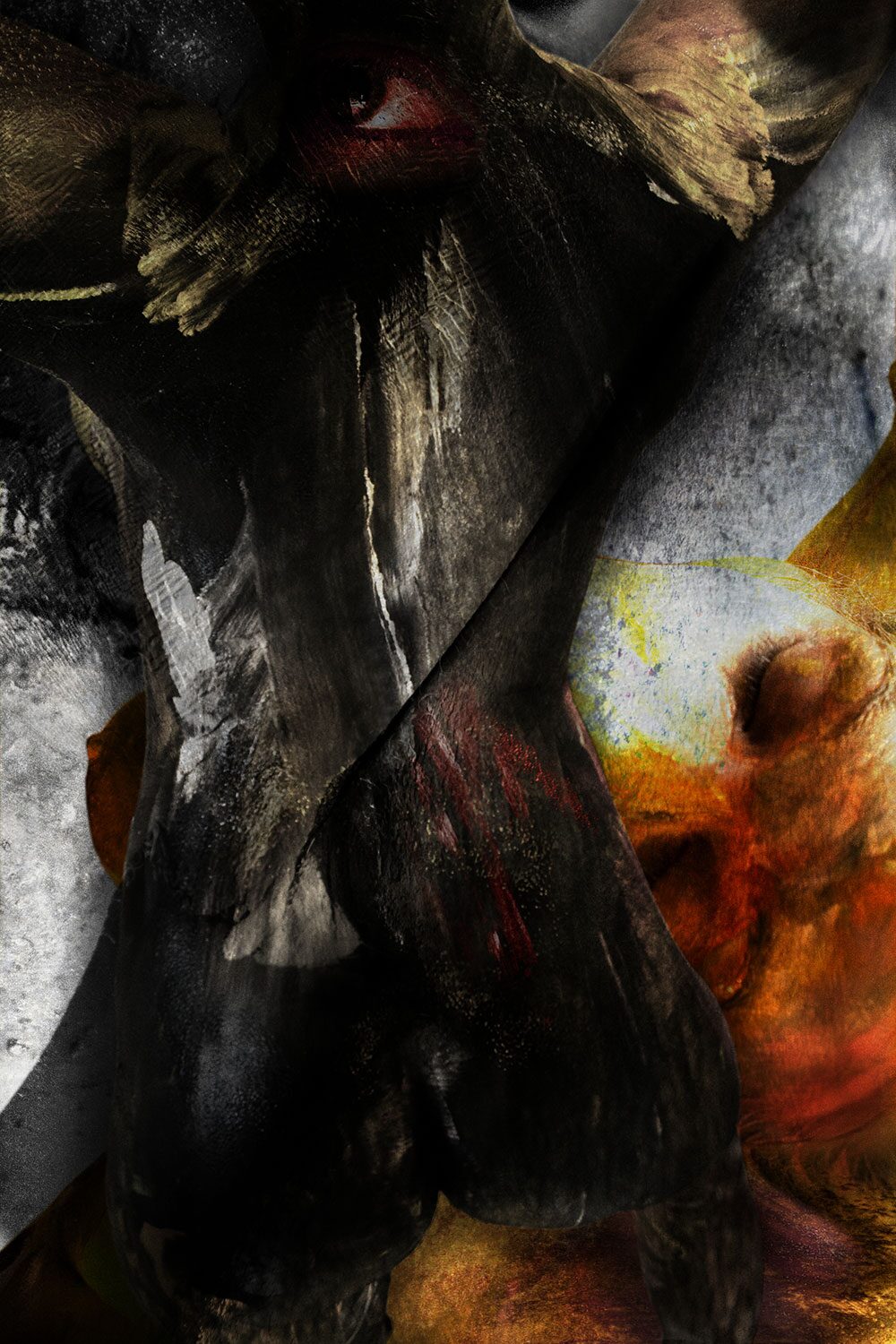
Describing the latter as a pivotal moment in his creative and spiritual development, VESA characterized the event as a violent brush with his ultimate origin point. Rather than viewing the human brain as a generator of consciousness, he suggested it functions more as a receiver, tuning into a broader, universal frequency. This perspective aligns with esoteric concepts explored in literature such as The Flower of Life, which posits that all creation stems from a singular source expressed through infinite manifestations.
Honari enriched this philosophical reflection by referencing the opening lines of Rumi’s poetry, which uses the haunting melody of the reed pipe to symbolize humanity’s eternal longing to return to the whole from which it was severed. Both participants examined how artistic creation serves as a conduit for this yearning, allowing the human vessel to channel divine inspiration.
Expanding the Canvas: From Human Form to Inanimate Objects
As the discussion drew to a close, the dialogue pivoted toward VESA’s expanding body of work, which includes the application of fine art to inanimate objects such as automobiles. Honari drew parallels between traditional body painting and VESA’s recent projects, including an art-covered Tesla in Dubai that was subsequently immortalized with a digital twin created by Zoan.
VESA noted that while these projects involve non-human canvases, the underlying intention remains fundamentally human-centric—designed to provoke admiration and reflection among observers. He also emphasized his commitment to cultural sensitivity, particularly regarding Islamic artistic traditions concerning the depiction of the human form, noting an ongoing exploration of how to honor the magnificence of creation respectfully.
The podcast concluded with a mutual appreciation for the depth of the discourse, leaving open the possibility for a follow-up conversation to continue exploring the evolving relationship between spirituality, art, and technology in the modern era.