
The Iranian government has significantly escalated its efforts to dismantle illegal cryptocurrency mining operations across the country, with law enforcement agencies reporting the discovery and closure of 9,404 illicit mining farms within the last five months alone. This aggressive enforcement campaign comes as the Islamic Republic grapples with a deepening energy crisis that has resulted in widespread power outages, social unrest, and a precarious strain on the national electricity grid. According to Kambiz Nazerian, the head of the Tehran Electricity Distribution Company, these unauthorized operations were largely concentrated within the various districts of the capital city, Tehran, highlighting the urban nature of this clandestine industry.
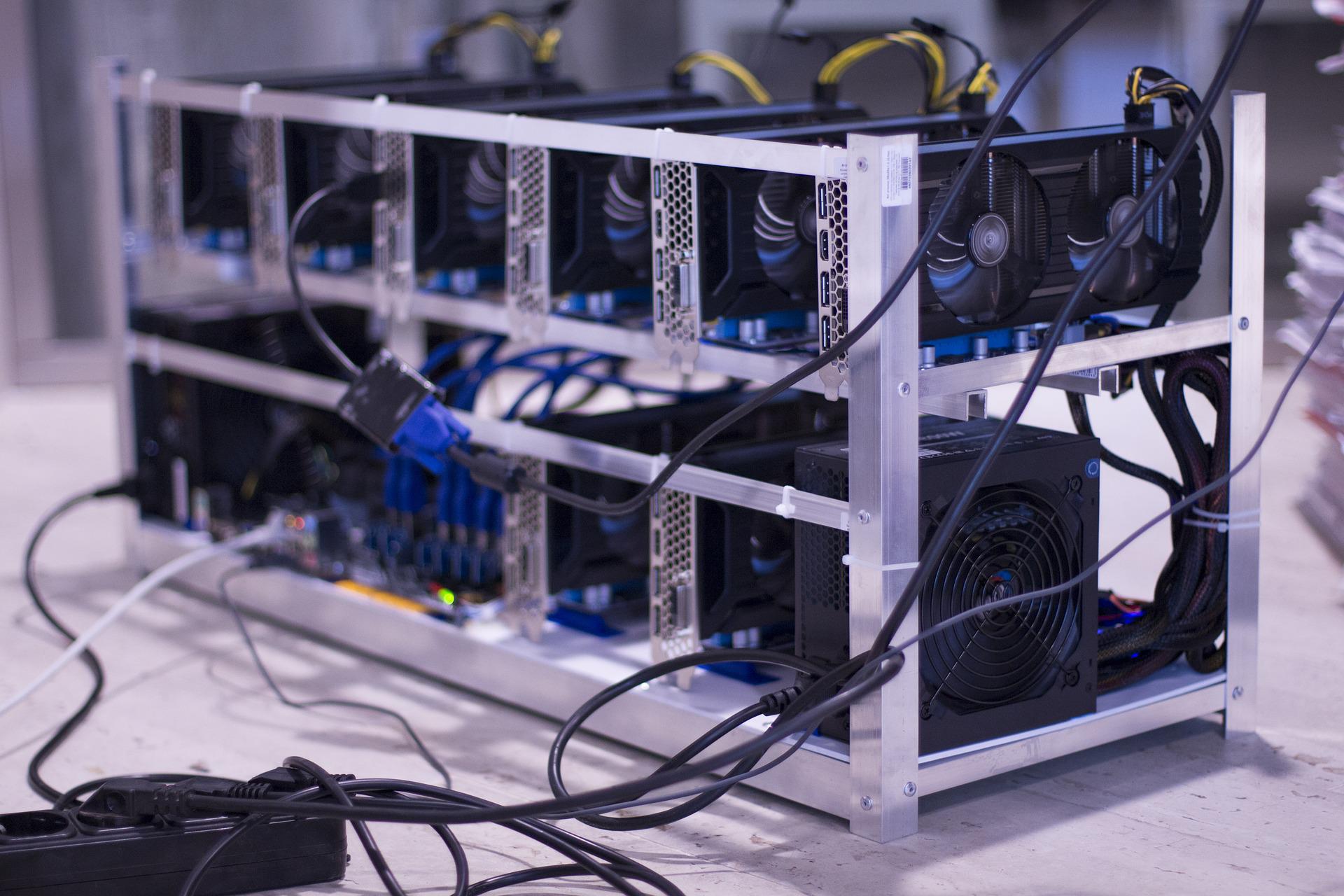
The scale of the recent seizures underscores the magnitude of the challenge facing Iranian regulators. In June alone, police and energy officials confiscated approximately 7,000 illegal mining machines, known as Application-Specific Integrated Circuit (ASIC) miners. These devices are designed for the sole purpose of solving the complex mathematical puzzles required to secure blockchain networks and mint new digital assets, such as Bitcoin. However, the process is notoriously energy-intensive, requiring vast amounts of electricity to power the hardware and the necessary cooling systems. In a country where the energy infrastructure is already under immense pressure from aging facilities and high seasonal demand, the additional load from unregulated crypto mining has become a primary target for state intervention.
The Economic Allure and the Subsidy Trap
Iran’s emergence as a global hub for cryptocurrency mining is rooted in its unique economic landscape. As a nation rich in fossil fuels, particularly natural gas, the Iranian government heavily subsidizes electricity to make it affordable for its citizens and domestic industries. This creates an environment where electricity costs are among the lowest in the world. For cryptocurrency miners, who operate on thin margins where the cost of power is the single largest overhead, Iran represents an ideal destination.
However, this economic advantage has led to significant exploitation. The Iranian media outlet, Iran International, has reported that a substantial portion of illegal mining activities is conducted by influential networks and foreign entities, including several Chinese groups that relocated their operations following China’s comprehensive ban on crypto mining in 2021. These actors often bypass legal channels to avoid taxes and higher industrial electricity rates, instead tapping into the subsidized power meant for households and public services.
Perhaps the most controversial aspect of this trend is the placement of mining rigs in public and religious institutions. Authorities have discovered numerous "farms" hidden within mosques and schools. These locations are granted free or highly subsidized electricity by the state, making them perfect cover for miners looking to maximize profits at the public’s expense. This exploitation of social infrastructure has sparked outrage among the Iranian public, especially when residential neighborhoods face rolling blackouts during the sweltering summer months.
A Chronology of Regulatory Friction
The relationship between the Iranian state and the cryptocurrency sector has been marked by volatility and reactive policymaking. To understand the current crackdown, one must look at the timeline of events over the past several years:
- March 2021: Data from the Cambridge Bitcoin Electricity Consumption Index (CBECI) revealed that Iran had become a major player in the global market, contributing roughly 7.5% of the total Bitcoin hashrate. This surge in activity coincided with a period of low rainfall, which reduced the output of the country’s hydroelectric power plants.
- May 2021: As the summer heat began to peak and the grid neared collapse, the Iranian government issued a blanket ban on all cryptocurrency mining—both legal and illegal—for a period of four months. This was a desperate measure to preserve the 2,000 megawatts of power estimated to be consumed by the industry.
- Early 2022: Despite the temporary bans, illegal activity persisted. In the first quarter of the year, the state-run energy provider, Tavanir, reported the seizure of 45,000 ASIC machines. These operations were found to be using subsidized electricity meant for the agricultural and industrial sectors.
- Summer 2022: Facing another season of record-breaking temperatures, authorities implemented fresh restrictions. While licensed mining operations were theoretically allowed to operate under strict guidelines, the government eventually cut power to 118 licensed platforms to prioritize residential needs.
- August 2022: The most recent reports indicate that over 1,600 mining centers were shut down in a single month, with officials noting that these operations had consumed an estimated 250 megawatts of power over the preceding 18 months—an amount equivalent to the annual consumption of several small cities.
Grid Instability and Social Consequences
The technical impact of crypto mining on the Iranian grid cannot be overstated. The Iranian electrical system is designed to handle predictable peaks, but the constant, high-load nature of crypto mining creates "hot spots" in the distribution network. This leads to the premature failure of transformers and other critical hardware. When these technical failures are combined with a supply-demand deficit, the result is widespread blackouts.
In recent years, these blackouts have transitioned from a technical nuisance to a political liability. In several provinces, prolonged power and water shortages—partially exacerbated by the energy needed for water pumping and desalination—have triggered national protests. Demonstrators have frequently pointed to the government’s inability to manage the energy sector, while officials have redirected the blame toward the "energy-guzzling" crypto miners.
The crackdown, therefore, serves a dual purpose: it is a technical necessity to keep the lights on, and it is a political maneuver to demonstrate that the government is taking action against "economic saboteurs." By targeting illegal farms in Tehran and other major hubs, the Ministry of Energy hopes to recover enough capacity to prevent the catastrophic grid failures seen in previous summers.
The Role of International Actors and "Influential Networks"
The involvement of "influential networks" mentioned in Iranian media reports suggests a complex layer of corruption. Many of these illegal farms are not small-scale operations run by hobbyists; they are industrial-scale enterprises protected by local power brokers or embedded within state-aligned organizations. This makes the task of the police particularly difficult, as they often face internal resistance when attempting to shut down larger facilities.
The "Chinese connection" also remains a significant factor. When China cracked down on mining in 2021, thousands of older, less efficient mining rigs were exported to countries with cheap power. Iran, along with Kazakhstan and Kosovo, became a primary destination. These older machines, while still profitable due to Iran’s nearly non-existent energy costs, are significantly less energy-efficient than newer models, meaning they draw even more power from the grid for every unit of currency mined. This influx of "second-hand" hardware has only added to the burden on Iran’s infrastructure.

Broader Economic Implications and Analysis
From a broader economic perspective, Iran’s stance on cryptocurrency is paradoxical. On one hand, the Central Bank of Iran has explored using cryptocurrencies to circumvent international sanctions and facilitate cross-border trade. In this context, domestic mining could be seen as a strategic asset, providing the state with "clean" digital assets that have no paper trail to the traditional financial system.
On the other hand, the domestic cost of producing these assets—in terms of energy consumption and social stability—has proven to be too high. The government’s strategy has thus shifted toward a "regulated-only" model. Under this framework, miners must be licensed, pay higher electricity tariffs (often pegged to the price of exported energy), and sell their mined coins directly to the Central Bank. However, the high costs associated with legal mining drive many operators into the "grey market," where they continue to use subsidized residential power.
Future Outlook and Conclusion
The current ban on mining operations is expected to be reconsidered in September, as the peak summer demand begins to wane. However, the cycle of seasonal bans and aggressive crackdowns is likely to continue until Iran can modernize its energy infrastructure or significantly reform its subsidy program.
The seizure of 9,404 farms in Tehran is a clear signal that the state’s patience has reached its limit. As the Iranian police continue their door-to-door inspections and energy providers utilize advanced monitoring technology to detect unusual patterns of power consumption, the "wild west" era of Iranian crypto mining appears to be coming to an end. For the global crypto market, the continued instability in Iran serves as a reminder of the industry’s vulnerability to national energy policies and the growing importance of sustainable, transparent mining practices.
In the long term, the Iranian government faces a difficult balancing act: it must find a way to harness the economic potential of blockchain technology without compromising the basic needs of its population. Until a stable regulatory and technical equilibrium is reached, the "cat and mouse" game between the state and the miners will remain a defining feature of Iran’s digital economy.