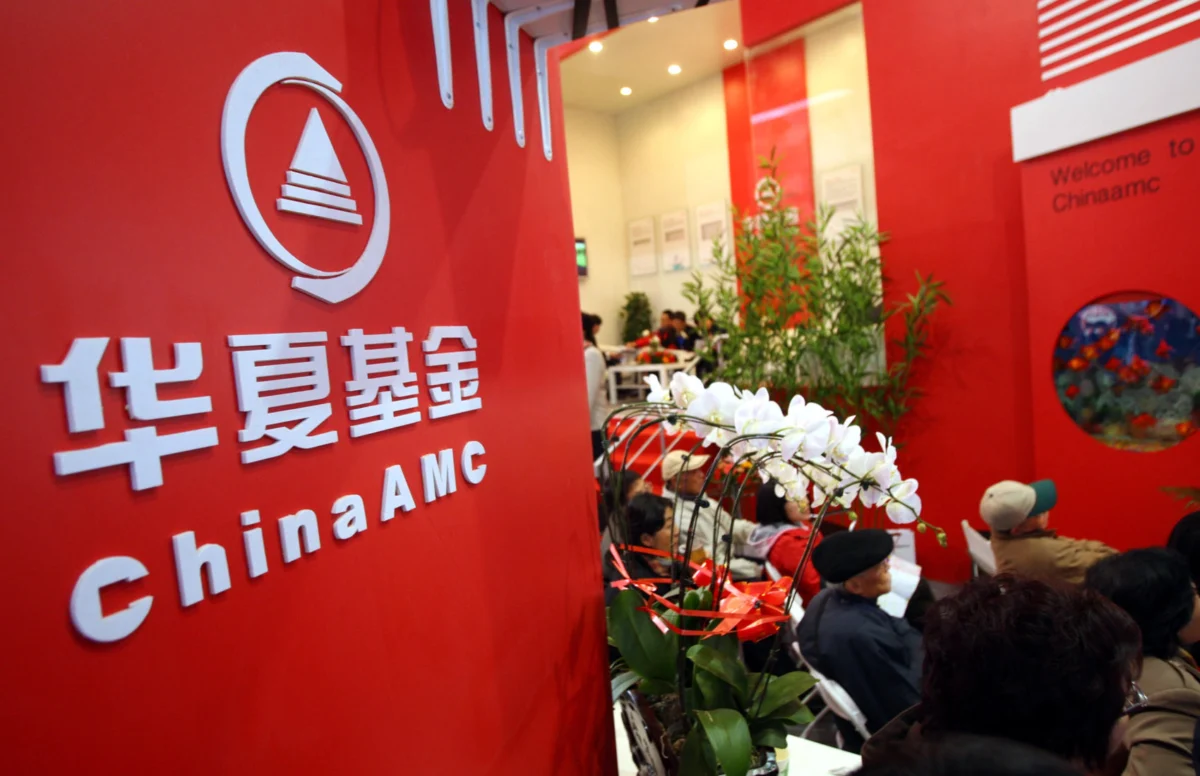
Hong Kong’s financial sector has achieved a significant regulatory and technological milestone as the Securities and Futures Commission (SFC) officially approved the launch of the world’s first round-the-clock, 24/7 trading mechanism for a retail tokenized money market fund (MMF). The initiative marks a pivotal step forward in the Special Administrative Region’s ambitions to position itself as a leading global hub for digital assets, tokenized securities, and blockchain-based financial infrastructure.
Trading for the ChinaAMC Digital Money Market Fund—denominated in both United States Dollars (USD) and Hong Kong Dollars (HKD)—has officially commenced on PantherTrade. PantherTrade is a prominent cryptocurrency exchange operating under the umbrella of Futu Holdings, a digital broker listed on the Nasdaq stock exchange. This groundbreaking deployment bridges traditional fixed-income investment products with modern digital asset trading venues, allowing retail investors unprecedented, continuous access to liquidity that was previously restricted by traditional banking hours and settlement cycles.
The underlying fund boasts a robust asset under management (AUM) profile, commanding approximately $660 million in total assets. Within this pool, retail share classes account for roughly 16% of the portfolio. Notably, only the Class F shares of the fund have been authorized for trading on the PantherTrade platform, establishing a controlled and regulated environment for retail market participants to engage with tokenized fund products.
Breaking Traditional Liquidity Bottlenecks
Historically, retail investments in traditional money market funds have been hampered by rigid operational hours. Investors seeking to subscribe to or redeem shares typically had to navigate strict cut-off times, often waiting days for transactions to settle through legacy clearing systems. The introduction of 24/7 trading on PantherTrade fundamentally alters this dynamic.
Investors are no longer bound by standard banking hours, weekend closures, or holiday schedules. They possess the ability to exit or enter positions at any given hour of the day or night. However, market participants must navigate the operational reality of the platform: while trading is continuous, exits and entries involve associated transaction costs. Furthermore, the current iteration of the product operates within a closed-loop ecosystem. Tokens cannot be withdrawn from the PantherTrade platform into private or external wallets. Official ownership of the underlying assets remains strictly recorded on the fund’s off-chain registry, meaning that trading activity occurs via an internal order book rather than the direct, peer-to-peer transfer of native on-chain tokens across public blockchains.
The Evolution of Hong Kong’s Regulatory Framework
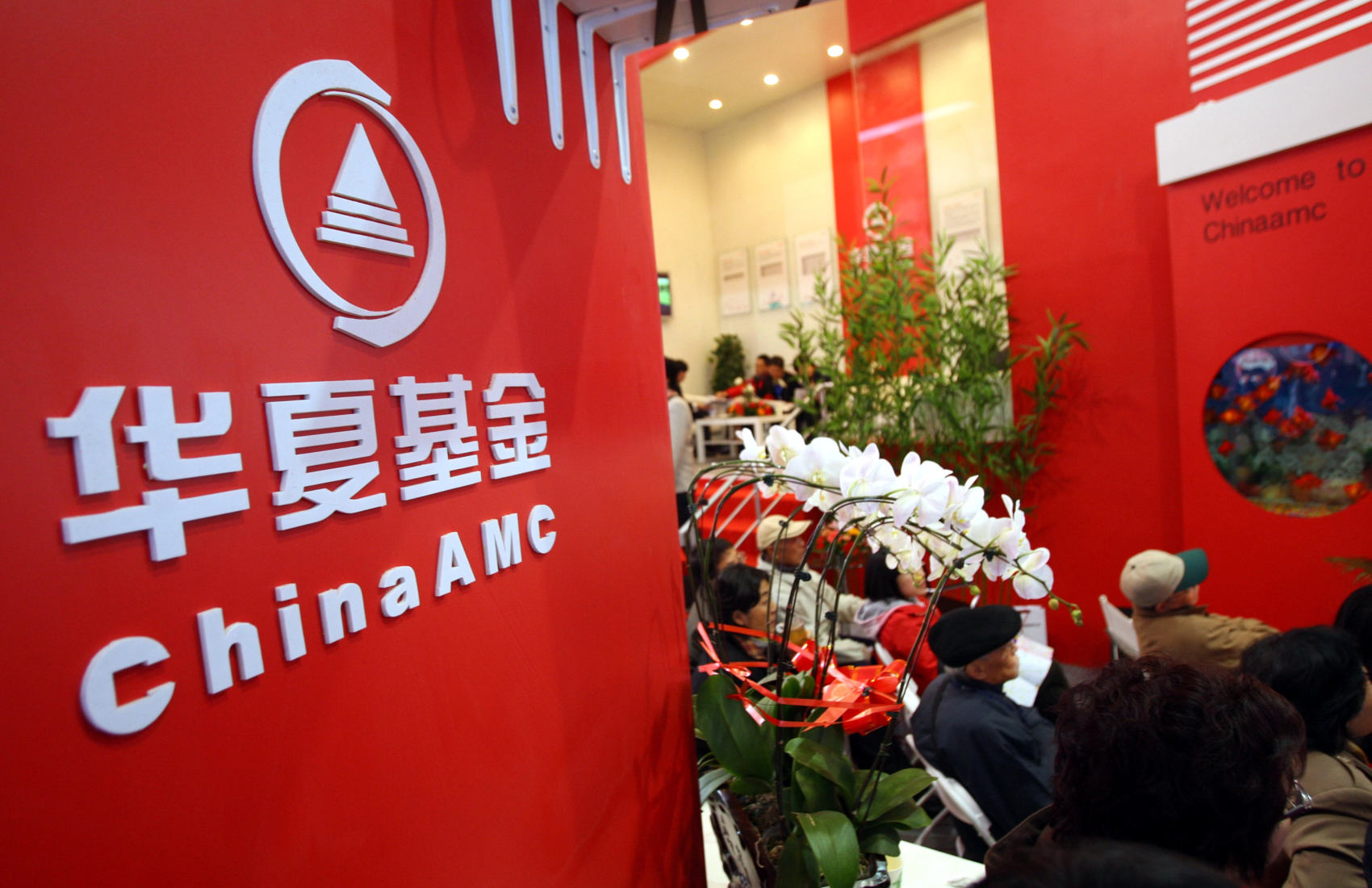
The successful deployment of the ChinaAMC Digital Money Market Fund on a virtual asset trading platform is the culmination of a meticulously planned regulatory strategy spearheaded by the Hong Kong SFC. The jurisdiction’s proactive approach to digital finance relies heavily on its comprehensive licensing regime.
Under Hong Kong’s regulatory framework, Virtual Asset Trading Platforms (VATPs) that hold the appropriate licenses are legally permitted to facilitate the trading of both traditional cryptocurrencies and tokenized securities under a single, unified compliance umbrella. This stands in stark contrast to numerous other major international financial centers, where regulatory silos require distinct and often prohibitive licensing frameworks for securities trading versus digital asset operations. By streamlining these regulatory pathways, Hong Kong has successfully cultivated an environment where traditional financial institutions and digital-native fintech firms can collaborate safely and efficiently.
Chronology of Innovation: From Policy Proposal to Live Trading
The path to 24/7 retail tokenized fund trading has evolved rapidly over the past year, driven by close cooperation between regulators, asset managers, and financial technology providers.
In April, the SFC formally outlined its forward-looking vision to pilot tokenized fund trading directly on regulated cryptocurrency exchanges. The policy framework was designed to test whether digital asset infrastructure could successfully enhance the liquidity and transparency of conventional investment vehicles without introducing systemic financial risk.
Following the regulatory green light, ChinaAMC (Hong Kong) moved swiftly to integrate advanced settlement technologies into its fund operations. Last month, the firm made headlines by incorporating tokenized deposits directly into the fund’s operational architecture, leveraging HSBC’s cutting-edge tokenized deposit capabilities. This integration allowed for institutional-grade, programmable settlement mechanics.
Prior to that, in September, ChinaAMC completed a vital technological milestone by executing a subscription and redemption use case utilizing the Standard Chartered Anchorpoint regulated HKD stablecoin. These successive pilots laid the technical and operational groundwork necessary to transition the fund from a closed institutional pilot to a live, retail-accessible product on PantherTrade.
Institutional Backing and the Role of Tokenized Cash
The viability of 24/7 retail tokenized fund trading hinges not only on continuous order matching but also on the ability to settle transactions instantaneously, regardless of traditional banking sector operating hours. Money market funds require reliable, highly liquid cash equivalents to back redemptions smoothly.
To address this challenge, asset managers in Hong Kong are increasingly turning to next-generation settlement mediums, including tokenized commercial bank deposits and regulated stablecoins. The integration of HSBC’s tokenized deposits and Standard Chartered’s Anchorpoint stablecoin highlights a broader industry trend: the convergence of traditional banking trust with distributed ledger technology (DLT) efficiency. By utilizing programmable money, fund managers can automate subscription and redemption flows, drastically reducing counterparty risk and eliminating the settlement lags that have historically plagued cross-border and off-hours financial transactions.
Market Implications and Future Outlook
The launch of round-the-clock trading for the ChinaAMC Digital Money Market Fund carries profound implications for the global asset management industry. For retail investors, the product offers an attractive yield-generating vehicle combined with the flexibility of instant liquidity—attributes traditionally reserved for institutional players or high-net-worth individuals utilizing private wealth channels.
For the broader financial ecosystem, the initiative serves as a real-world stress test for the tokenization of real-world assets (RWAs). As institutional adoption of blockchain technology accelerates globally, Hong Kong’s model demonstrates how regulators and market participants can successfully integrate tokenized funds into regulated exchanges. This mitigates investor protection concerns while unlocking the operational efficiencies inherent in digital ledgers.
Industry analysts note that if the PantherTrade pilot maintains stability and high retail participation without encountering systemic liquidity bottlenecks, it could serve as a blueprint for other asset classes. Potential future candidates for 24/7 tokenized trading include short-duration bond funds, equity baskets, and multi-asset retail portfolios.
As regulatory bodies around the world grapple with the dual mandate of fostering financial innovation and safeguarding market integrity, Hong Kong’s decisive integration of tokenized money market funds into licensed crypto exchanges provides a compelling case study. The successful rollout underscores the region’s determination to remain at the vanguard of the digital economy, proving that traditional finance and decentralized technology infrastructure can successfully converge within a robust, regulated perimeter.