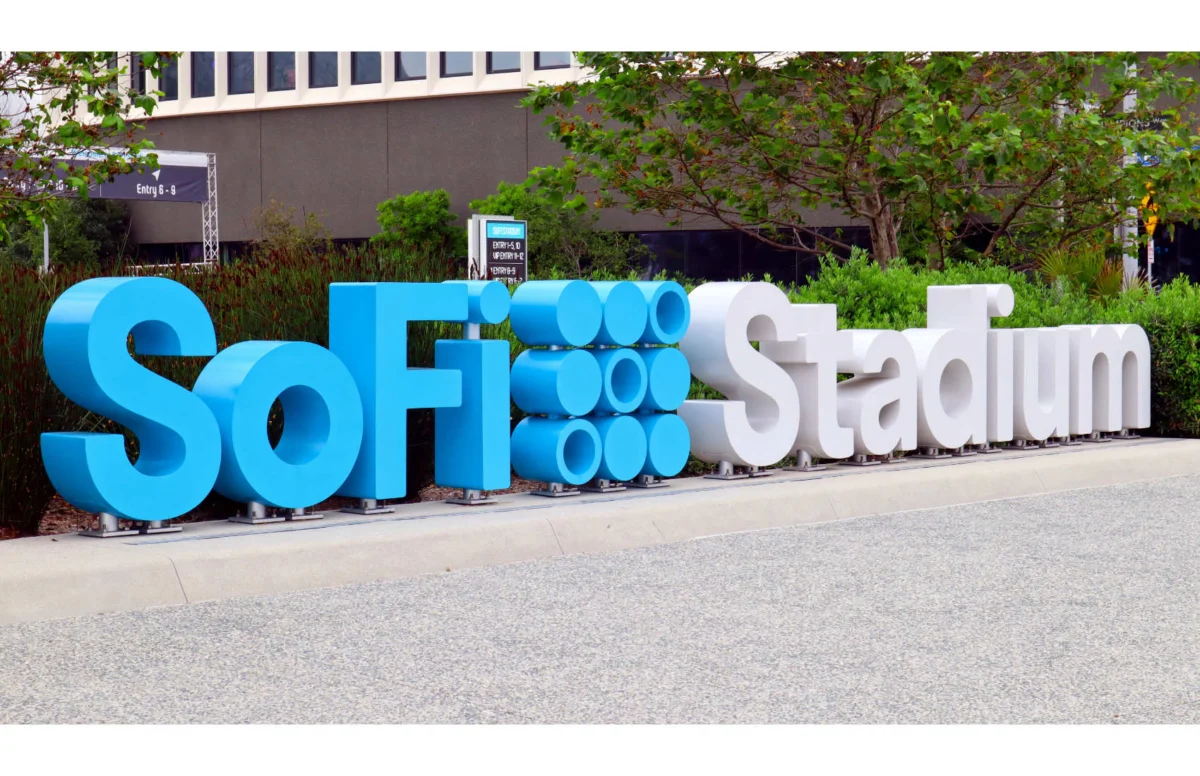
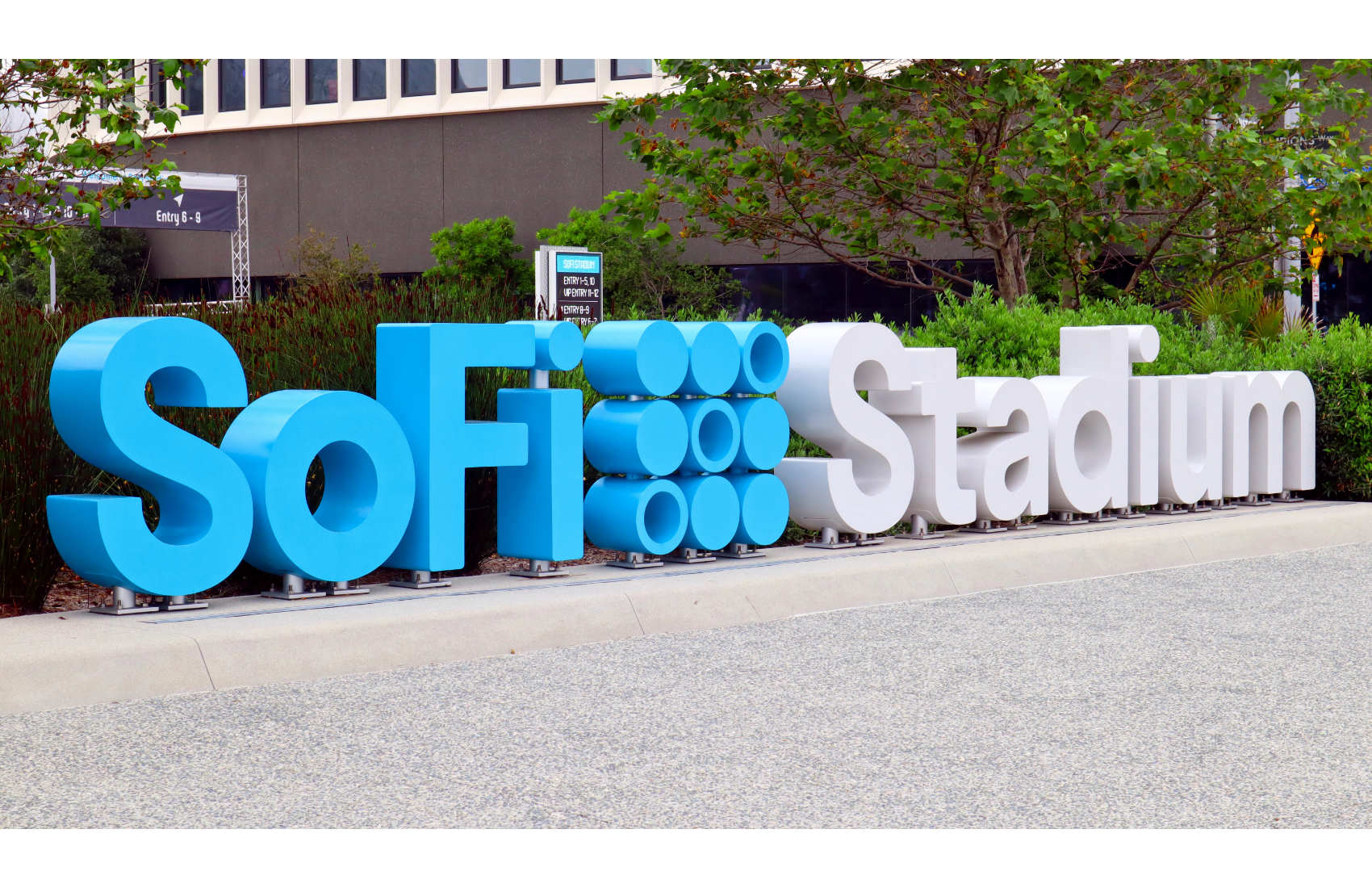
SoFi Technologies has officially announced the launch of SoFi Earn (SOFIE), a novel tokenized deposit offering backed by SoFi Bank. The product provides Federal Deposit Insurance Corporation (FDIC) coverage alongside a variable annual percentage yield of 4.4%. Designed to bridge traditional banking infrastructure with decentralized finance ecosystems, SOFIE allows customers to seamlessly convert their holdings into the institution’s proprietary stablecoin, SoFi USD, whenever they wish to execute on-chain transactions or spend their funds. The rollout is currently underway, scaling out progressively to all members of SoFi Crypto throughout the month of November.
The introduction of SOFIE marks a significant step forward in the convergence of regulated banking and blockchain technology. By offering a competitive yield on a tokenized vehicle, SoFi is positioning itself directly at the intersection of fintech innovation and traditional consumer banking, targeting digital-native users who demand both the security of insured deposits and the utility of digital assets.
Main Facts and Product Mechanics
At its core, SoFi Earn is structured as a tokenized deposit issued directly by SoFi Bank. Unlike unregulated crypto-earning products that emerged during previous cycles—many of which faced severe regulatory scrutiny and catastrophic collapses—SOFIE benefits from the direct backing of FDIC insurance, protecting consumer funds up to statutory limits.
When a user elects to utilize funds held in SOFIE for decentralized applications, peer-to-peer transfers, or immediate retail spending, the digital token can be converted instantly into SoFi USD, the bank’s native stablecoin. This mechanism ensures liquidity and interoperability across various blockchain networks while keeping the underlying capital anchored securely within the regulated balance sheet of SoFi Bank.
The 4.4% variable yield associated with SOFIE mirrors the promotional rate currently offered on SoFi’s high-yield savings account. However, traditional promotional rates often come with restrictive caveats, such as requiring new account setups or direct-deposit setups, and frequently expire after a limited promotional window. In contrast, SOFIE extends this 4.4% yield to existing SoFi Crypto members with no specified expiration date, though the rate remains variable in accordance with broader macroeconomic conditions and monetary policy adjustments.
Background Context and Competitive Landscape
The launch of SOFIE occurs against a backdrop of intense competition within the digital asset and financial technology sectors. In recent years, traditional financial institutions and fintech firms alike have recognized that vast amounts of capital are left stagnant within digital asset ecosystems. Investors often hold idle stablecoin balances on centralized exchanges or in unyielding digital wallets to maintain dry powder for market opportunities, inadvertently sacrificing potential interest earnings.
Simultaneously, tokenized money market funds and alternative yield-generating products have gained substantial traction among institutional and retail investors seeking returns superior to those offered by conventional brick-and-mortar savings accounts. By introducing a tokenized deposit that outpaces the Federal Reserve’s benchmark federal funds rate, SoFi is directly challenging competitors such as major cryptocurrency exchanges—including Coinbase—that host billions of dollars in idle stablecoin liquidity.
Financial analysts note that SoFi’s ability to offer a 4.4% yield—which notably exceeds the current federal funds rate—is underpinned by the robust profitability of its broader lending operations. While paying out above-market rates on deposits might strain institutions with lower-yielding asset portfolios, SoFi maintains a diverse balance sheet featuring high-margin consumer offerings, notably double-digit yielding personal loans. This structural advantage allows the company to absorb deposit costs while continuing to generate healthy net interest margins.
Official Statements and Leadership Perspective
Addressing the strategic rationale behind the rollout, Anthony Noto, Chief Executive Officer of SoFi Technologies, emphasized the necessity of bridging the gap between idle digital assets and productive financial instruments.
“Too much money in the digital asset ecosystem is sitting idle, leaving massive potential earnings on the table for millions of people,” said Anthony Noto. “We believe your money should keep working for you until the moment you need it.”
Noto’s remarks underscore SoFi’s ongoing corporate mission to consolidate financial services into a single, comprehensive digital platform. By integrating banking, investing, lending, and now tokenized deposits under one technological umbrella, the company aims to reduce friction for consumers who previously had to navigate multiple fragmented platforms to manage their wealth.
Chronology of SoFi’s Web3 and Stablecoin Integration
The debut of SOFIE is the latest milestone in a calculated, multi-year strategy by SoFi to integrate blockchain infrastructure into its regulated banking framework.
In the preceding months, SoFi laid the groundwork for these capabilities by introducing SoFi USD, its bank-issued stablecoin designed to service millions of platform members. While initial legal and regulatory frameworks surrounding bank-issued stablecoins faced considerable scrutiny and administrative lag, SoFi systematically worked alongside regulatory bodies to ensure compliance.
Throughout early and mid-2026, the company expanded its crypto membership base, preparing the technological infrastructure necessary to support high-frequency on-chain settlements. The announcement of SOFIE in November 2026 represents the realization of this preparatory phase, moving the bank’s digital asset strategy from conceptual architecture to consumer-facing execution. The phased rollout through November is intended to stress-test system scalability and ensure seamless interoperability between traditional ledger systems and distributed ledger networks.
Broader Industry Impact and Strategic Implications
The introduction of tokenized deposits backed by federal insurance represents a watershed moment for the banking sector. For decades, commercial banks viewed blockchain technology and cryptocurrencies with skepticism, treating decentralized finance as an external, competitive threat. However, products like SOFIE signal a paradigm shift toward integration and co-existence.
By tokenizing bank deposits, institutions can achieve instantaneous settlement times, enhance transparency, and reduce operational overhead associated with legacy clearinghouses. Furthermore, tokenized deposits allow banks to retain core customer relationships that might otherwise migrate entirely to decentralized protocols or alternative fintech platforms offering higher transactional utility.
From a regulatory standpoint, SOFIE serves as a test case for how traditional banking products can safely inhabit public and private blockchain environments. Because the tokenized deposits carry FDIC insurance and remain anchored to a regulated banking institution, regulators gain visibility into systemic risk that is typically absent in algorithmic or unbacked stablecoin models.
However, challenges remain. Financial regulators continue to evaluate the implications of 24/7 liquidity and instantaneous capital mobility enabled by tokenized deposits. Bank runs, which historically required hours or days to materialize through physical branch withdrawals or wire transfers, could theoretically occur at an accelerated pace in a tokenized environment if consumer sentiment shifts rapidly. Consequently, risk management frameworks at institutions like SoFi must be exceptionally robust to monitor on-chain velocity and liquidity reserves continuously.
Market Outlook and Future Prospects
As the rollout of SOFIE progresses through its initial phase for SoFi Crypto members, market observers will closely monitor adoption rates and consumer uptake. If successful, the model could inspire other major financial institutions to accelerate their own tokenized deposit initiatives, moving the technology from niche experimental projects to mainstream financial services.
For SoFi, the product reinforces its positioning as an agile financial technology leader capable of delivering innovative, high-yield solutions that appeal to digitally fluent consumers. By ensuring that capital remains productive up until the exact moment of transaction, SoFi is redefining consumer expectations for liquidity, yield, and utility in the modern digital economy.