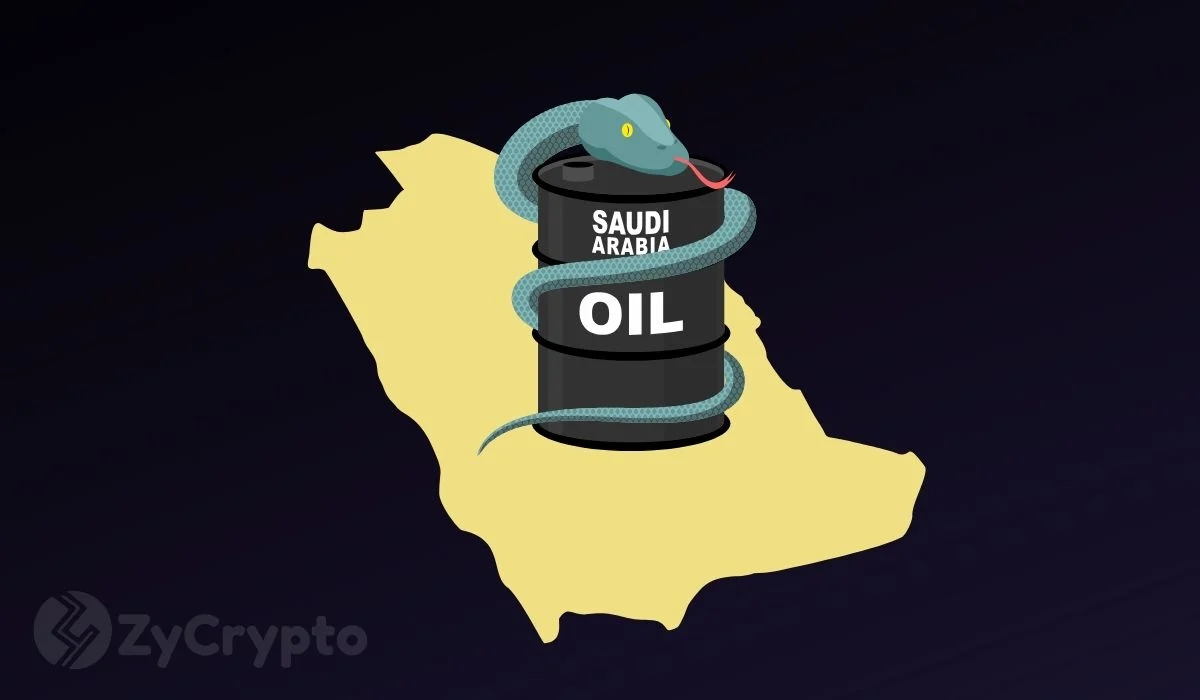
Saudi Arabia, traditionally synonymous with massive oil reserves and petroleum dominance, is steadily carving out a formidable reputation in an entirely different domain: financial technology. Long recognized as the heartbeat of global energy markets, the Kingdom is now positioning itself at the vanguard of the Middle East’s digital transformation. In a landmark development that signals a strategic departure from conventional economic models, the Saudi Arabian Monetary Authority (SAMA) officially announced the deployment of blockchain technology within its domestic financial system. This move not only underscores the Kingdom’s commitment to modernization but also raises a pivotal question for the region: beyond oil production, is Saudi Arabia poised to lead the Middle East in blockchain adoption?
The integration of distributed ledger technology into the Saudi financial ecosystem is far more than a routine technological upgrade; it represents a calculated macroeconomic maneuver. As global energy markets experience structural shifts and the traditional dominance of the petrodollar faces new challenges, oil-producing economies are increasingly compelled to diversify. For Saudi Arabia, this diversification is anchored in Vision 2030, the ambitious modernization blueprint spearheaded by Crown Prince Mohammed Bin Salman (MBS). While the grand vision has encountered logistical and financial headwinds—exacerbated by global health crises and fluctuations in crude oil prices—the Kingdom’s leadership has consistently demonstrated a willingness to leverage innovation as a fiscal stimulant.
The Genesis of SAMA’s Blockchain Initiative
The timeline leading up to SAMA’s recent announcement reflects a deliberate, phased approach to financial innovation. For years, the central bank has explored the mechanics of distributed ledger technology (DLT), recognizing its potential to streamline cross-border transactions, enhance liquidity management, and secure banking operations. The pivotal moment arrived when SAMA formally confirmed via social media that blockchain solutions had been successfully deployed to inject liquidity into the local banking sector and support small and medium-sized enterprises (SMEs).
This deployment is the first of its kind in the Middle East, setting a high benchmark for neighboring Gulf Cooperation Council (GCC) member states. By utilizing blockchain infrastructure to enhance credit provision, SAMA has bypassed traditional bureaucratic bottlenecks, offering a secure, transparent, and low-cost alternative to legacy financial mechanisms. Industry analysts note that this capability is particularly vital during periods of economic contraction, where swift capital allocation can mean the difference between market stabilization and prolonged stagnation.
Economic Pressures and the Catalyst for Technological Pivot
To fully grasp the significance of Saudi Arabia’s blockchain adoption, one must examine the broader economic landscape that preceded the announcement. The convergence of the COVID-19 pandemic and a high-stakes geopolitical standoff between Saudi Arabia and Russia over oil production quotas created an unprecedented fiscal squeeze. As crude prices plummeted, government revenues shrank, prompting Riyadh to deploy fiscal stimulus packages to insulate its economy.
A comprehensive report published by professional services firm KPMG in April analyzed the profound economic implications of the pandemic on the Saudi Arabian economy. The report detailed how the sudden contraction in oil revenues necessitated aggressive government intervention, resulting in targeted liquidity injections and financial relief programs designed to support the private sector. In this high-pressure environment, conventional financial systems often proved too sluggish to deliver rapid economic relief. Blockchain technology, prized for its decentralized architecture, cryptographic security, and near-instantaneous settlement capabilities, emerged as an ideal tool to optimize the distribution of state-backed financial support.
Furthermore, the inherent anti-inflationary properties and immutable transparency of blockchain appeal strongly to monetary authorities seeking to restore market confidence. By minimizing human intervention and operational friction, the technology reduces overhead costs—an essential consideration for an economy navigating a transitional phase away from absolute reliance on hydrocarbon revenues.
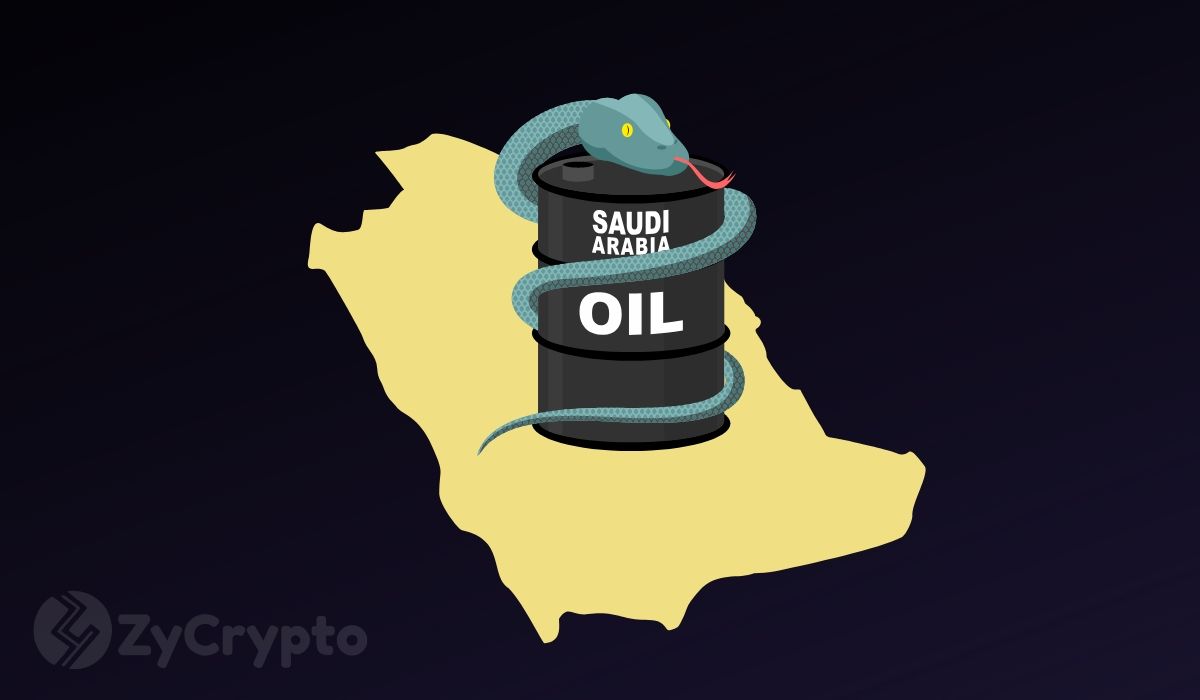
Strategic Implications: Paving the Way for a Central Bank Digital Currency
SAMA’s successful deployment of DLT is widely regarded by financial analysts as a critical stepping stone toward a much larger monetary milestone: the implementation of a Central Bank Digital Currency (CBDC). In an era where major economies—most notably China, with its aggressive rollout of the digital yuan—are aggressively testing and deploying sovereign digital currencies, Middle Eastern central banks are under mounting pressure to keep pace.
A Saudi CBDC, built upon the foundational blockchain infrastructure currently being tested and expanded by SAMA, could revolutionize regional trade, retail banking, and international remittances. By establishing a secure, state-backed digital currency, Saudi Arabia would effectively future-proof its financial architecture, insulating it against external currency shocks and cementing its status as the financial nerve center of the Middle East.
Moreover, the interoperability of blockchain systems opens up possibilities for seamless cross-border transactions with key trading partners in Asia, Europe, and neighboring Gulf states. Projects like "Aber"—a joint digital currency and distributed ledger initiative previously undertaken by SAMA and the Central Bank of the United Arab Emirates (UAE)—demonstrate the Kingdom’s long-term commitment to collaborative regional fintech integration.
Comparative Regional Landscape and Future Outlook
While nations such as the United Arab Emirates have made significant strides in positioning Dubai and Abu Dhabi as global cryptocurrency and blockchain hubs, Saudi Arabia’s approach differs fundamentally in scale and institutional backing. Where the UAE has largely focused on regulatory sandboxes and attracting private crypto enterprises, Saudi Arabia is embedding blockchain directly into the core veins of its sovereign monetary and banking infrastructure.
By utilizing blockchain for fundamental macroeconomic tasks—such as credit enhancement and central bank liquidity management—SAMA is proving that blockchain’s utility extends far beyond speculative digital assets. This institutional endorsement provides a level of legitimacy and security that private-sector initiatives struggle to replicate.
As the global economy continues its inexorable shift toward digitalization, the traditional metrics of national power—namely, barrels of oil pumped per day—are gradually being supplemented by metrics of technological sovereignty. Saudi Arabia’s proactive embrace of blockchain technology indicates that the Kingdom is acutely aware of this paradigm shift.
While challenges remain, including the need for robust regulatory frameworks, cybersecurity enhancements, and continuous technological talent development, the die has been cast. SAMA’s recent deployment marks a watershed moment in Middle Eastern financial history. If current trajectories hold, Saudi Arabia may soon be known not only as the world’s leading exporter of crude oil, but as the undisputed architect of the Middle East’s digital financial future.