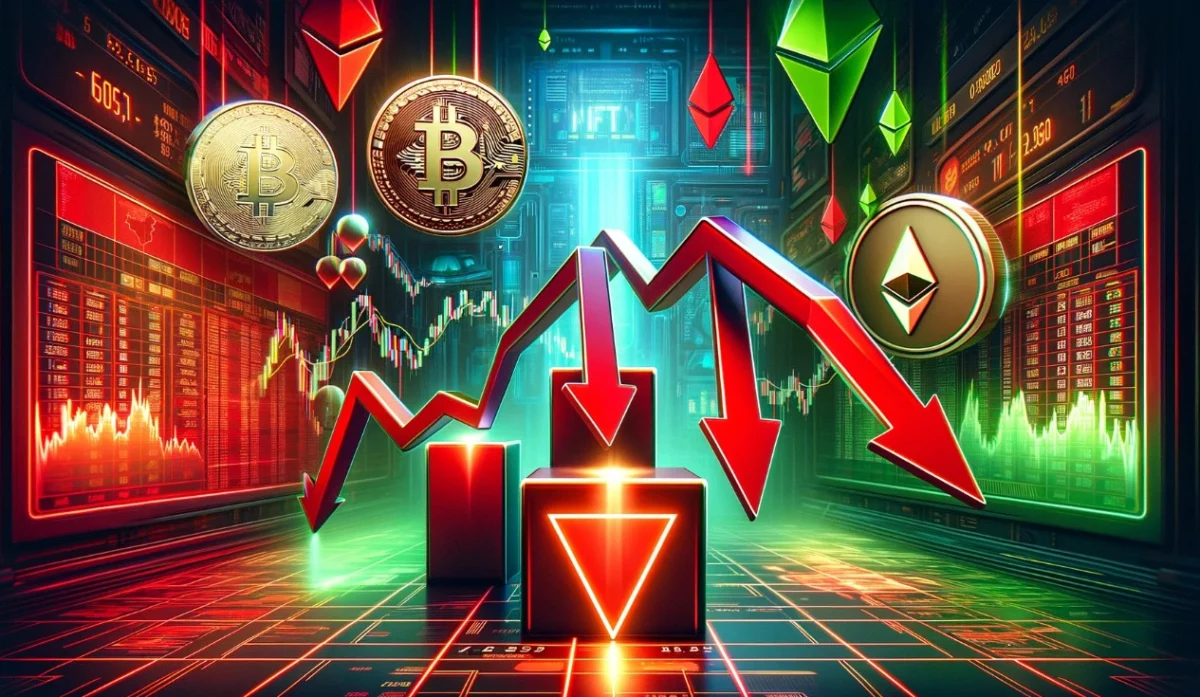
While the broader cryptocurrency landscape has experienced a wave of optimism driven by the price surges and institutional adoption of Bitcoin (BTC) and Ethereum (ETH), the non-fungible token (NFT) sector has encountered a severe and prolonged downturn. Once hailed as a revolutionary digital asset class that blended art, culture, and blockchain technology, NFTs are currently grappling with declining trading volumes, plummeting floor prices, and a noticeable loss of mainstream appeal. Market indicators, including web search metrics and blockchain analytics, reveal a stark contrast between the frenzied heights of 2021 and the subdued market realities of today.
The shift in investor sentiment away from digital collectibles highlights a broader reallocation of capital within the digital asset ecosystem. As institutional interest shifts toward mainstream cryptocurrency investment vehicles, such as newly proposed spot Ether exchange-traded funds (ETFs), capital that once flowed freely into digital art and virtual real estate is being redirected into more liquid, traditional crypto assets.
Declining Public Interest and Plummeting Search Metrics
Public engagement with the NFT market has receded to levels not seen since the sector first burst into the mainstream consciousness. According to comprehensive data from Google Trends, global search interest for the term “NFT” has plummeted to its lowest point since 2021. This metric underscores a significant cooling of retail curiosity, which previously fueled multi-million-dollar sales of digital artwork, profile picture (PFP) collections, and virtual land.
This decline in public attention is mirrored by a direct contraction in transactional volume. Data compiled by blockchain research firm DappRadar indicates that cumulative NFT sales dropped by more than six percent during the first five months of the year compared to the same period in the previous year, totaling roughly $8.5 billion. This sluggish performance stands in dramatic relief against the historic highs recorded in January 2022, when the market achieved an astounding $17.2 billion in sales within a single 30-day window.
The Catalyst of Capital Rotation: Ethereum ETFs and Market Dynamics
A primary driver behind the recent exodus of capital from the NFT space is the shifting regulatory and investment landscape surrounding Ethereum. Market analysts point to the United States Securities and Exchange Commission’s (SEC) decisive steps toward approving exchange-traded funds that hold spot Ethereum directly as a watershed moment for market liquidity.
As anticipation mounted regarding these regulatory approvals, institutional and retail investors alike began divesting from riskier, less liquid digital assets like NFTs to reallocate their portfolios into Ether. Nicolas Lallement, co-founder of the prominent NFT data tracker NFT Price Floor, notes that capital rotation is a perennial feature of cryptocurrency cycles. When high-beta assets or major layer-1 platforms like Ethereum experience heightened momentum, they tend to absorb available market liquidity, draining capital away from ancillary sectors such as digital collectibles.
This capital flight has exerted immense downward pressure on valuations across virtually all major blue-chip NFT collections. Market reports indicate that baseline prices for many premier collections have suffered year-to-date declines ranging between 40 and 50 percent. CryptoPunks, one of the earliest and most historically significant collections minted on the Ethereum blockchain, has seen its valuation slide significantly, trading near levels last observed in 2021 and dropping 29 percent from its previous year’s local lows.
Similarly, other foundational pillars of the digital art market—including the Bored Ape Yacht Club (BAYC) and Chromie Squiggle collections—have witnessed their Ethereum-denominated price floors contract to roughly half of their lowest valuations recorded during the previous year.
Collector Sentiments and Market Corrections

The prolonged stagnation has forced seasoned collectors and investors to re-evaluate their portfolios. Daniel Maegaard, a prominent NFT collector, observes that the majority of digital asset collections have either continued a downward trajectory or stagnated entirely following the peak euphoria of 2021. In response to these shifting market dynamics, Maegaard and several other high-profile market participants have divested portions of their holdings, including blue-chip digital artworks created by celebrated artists such as XCOPY, Hackatao, and Coldie.
Despite isolated bright spots where specific digital art collections have managed to generate positive returns over rolling 90-day windows, industry analysts emphasize that the overarching market trend remains firmly entrenched in a structural correction. The speculative fervor that once drove exponential price growth has been replaced by a more pragmatic, risk-averse approach among market participants.
Resilience Amid Adversity: The Magic Eden Phenomenon
Even as the broader market battles declining interest and falling prices, certain platforms have demonstrated structural resilience by capturing shifting market share. Notably, the multi-chain NFT marketplace Magic Eden has experienced periods of heightened trading activity and expanded its footprint within the ecosystem.
Sara Gherghelas, an analyst at DappRadar, highlights that Magic Eden achieved record-shattering trading volumes earlier in the year, driven by strategic expansions and multi-chain support. Although subsequent months have witnessed a broader cooling of trading activity across all marketplaces, Magic Eden’s ability to retain user engagement underscores that transactional infrastructure continues to evolve despite macroeconomic headwinds.
Broader Economic Implications and Macro Pressures
The struggles of the NFT sector do not exist in a vacuum; they are intimately tied to the broader macroeconomic environment and the performance of underlying cryptocurrencies. Ethereum, the primary settlement layer for the vast majority of high-value NFT transactions, has faced its own intense downward price pressures.
Following the broader trajectory dictated by Bitcoin, the price of Ether experienced a sharp five percent decline over a single 24-hour period, extending its weekly losses to over eight percent and trading near the $3,480 threshold. This broader market correction in foundational cryptocurrencies invariably impacts liquidity within dependent ecosystems, as diminished portfolio values constrain the discretionary capital that collectors and enthusiasts can allocate toward speculative digital assets.
Future Outlook for the Digital Asset Space
As the non-fungible token market navigates this protracted phase of consolidation and price correction, industry observers are divided on the sector’s long-term trajectory. While the era of unchecked speculation and viral, multi-million-dollar JPEG sales appears to have temporarily subsided, proponents argue that the underlying technology continues to mature.
The ongoing market correction is viewed by many analysts as a necessary cleansing phase that will purge unsustainable projects and speculative excess, paving the way for utility-driven applications in digital identity, gaming, real-world asset tokenization, and verifiable provenance. Nevertheless, until macroeconomic conditions stabilize and capital finds a renewed appetite for risk-on alternative assets, the NFT market is expected to remain in a state of cautious recalibration.