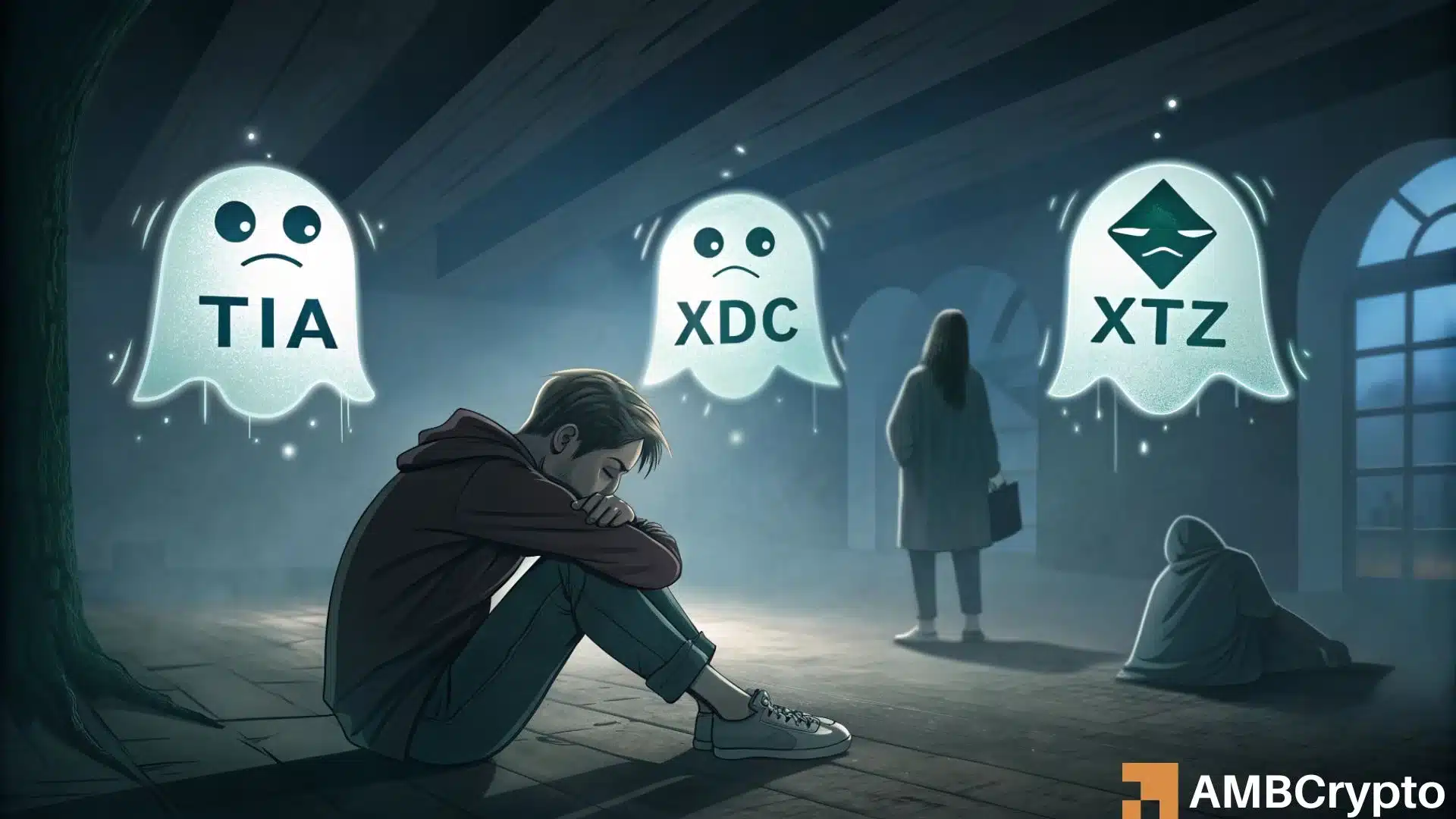
The rapid proliferation of blockchain technology has ushered in an era of unprecedented network expansion. Data aggregation platforms like DefiLlama now meticulously track over 500 distinct blockchain networks, a testament to the explosive growth witnessed in this sector. However, this surge in new entrants masks a more nuanced reality: while the sheer number of chains continues to climb, only a select few have managed to cultivate sustained user engagement and market relevance. Alchemy, a prominent blockchain development platform, identifies approximately 64 chains that currently hold significant market capitalization, representing the established players in this dynamic ecosystem. Within this cohort, a clear dichotomy is emerging. Some networks are experiencing robust growth, solidifying their dominance, while others are grappling with a precipitous decline in user activity, raising questions about their long-term viability despite retaining substantial market valuations. This article delves into the critical issue of "ghost chains" – networks with high market caps but dwindling active users – and examines the implications for their native tokens and the broader blockchain industry.
The burgeoning blockchain sector, often characterized by its rapid innovation and speculative fervor, has seen a dramatic increase in the number of active networks. This expansion, while indicative of technological progress and entrepreneurial activity, has also led to a fragmented market where user attention and capital are spread thinly. As more chains emerge, the competition for adoption intensifies, forcing a critical evaluation of which networks are truly delivering value and fostering genuine utility. The initial excitement surrounding many new blockchain projects has, in some cases, failed to translate into sustained adoption, leading to a disconnect between theoretical market valuation and practical network engagement. This phenomenon highlights a fundamental challenge within the industry: maintaining user interest and utility in an increasingly crowded and competitive landscape.
Chains Grappling with Declining User Engagement
Despite the overall expansion of the blockchain ecosystem, certain networks are exhibiting a worrying trend of declining active user bases, even while maintaining significant market capitalizations. This divergence suggests a potential disconnect between the perceived value of these chains and their actual utility in driving real-world applications and user activity.
XDC Network: A Tale of Market Cap vs. Active Users
The XDC Network, a hybrid blockchain designed for enterprise use cases and facilitating global trade finance, serves as a prime example of this trend. While the network has experienced a substantial decrease in its market capitalization, dropping from an estimated $2 billion to $644 million, it continues to rank among the top 100 cryptocurrencies by market value. This retained market standing, however, stands in stark contrast to its diminishing active user base.
Data from Token Terminal reveals a significant downturn in daily active addresses on the XDC Network. In 2021, the network saw a peak of approximately 288,000 daily addresses. This figure has since plummeted by a staggering 84.38%, reducing to around 45,000 active addresses. The situation is further exacerbated by the fact that the number of truly active users has fallen to a low of approximately 16,000. This sharp decline in network participation has had a direct impact on the value of its native token, XDC, which has seen a 62.5% decrease on annualized charts. The implications are clear: a large portion of XDC’s market capitalization may not be supported by genuine network utility or demand, potentially making it vulnerable to further price corrections if user engagement does not rebound.
Celestia: The Ghost Chain Phenomenon
Celestia, a modular blockchain network focused on enabling the creation of custom blockchains, has also found itself in a similar predicament. While initially lauded for its innovative approach to scalability, the network has faced significant headwinds concerning adoption rates and overall market demand.
The usage activity on Celestia has been on a steady decline since its peak in 2024, when it recorded approximately 36,000 active users. The network’s Active Addresses metric paints an even starker picture. Following a peak of 39,000 addresses in 2023, the number has dropped by an alarming 96.92%, currently standing at just 1,200 active addresses. This dramatic contraction in network participation strongly suggests a reduced demand for Celestia’s services and a waning interest from developers and end-users.
The precipitous decline in active addresses directly impacts the utility and perceived value of Celestia’s native token, TIA. The token has experienced a significant devaluation, falling 98.2% from its all-time high (ATH) and is currently trading at approximately $0.35. This severe price depreciation is a direct consequence of the dwindling network activity, underscoring the strong correlation between on-chain usage and token valuation in the cryptocurrency market. The narrative of Celestia as a "ghost chain" emerges from this stark contrast between its technological potential and its current lack of widespread user adoption.
Tezos Network Sustainability Under Scrutiny
The Tezos network, known for its on-chain governance and self-amendment capabilities, is also facing challenges related to sustained network usage, despite maintaining a market capitalization exceeding $400 million. The chain’s fee and revenue data indicate a significant contraction in network activity, raising concerns about its long-term sustainability.

According to data compiled by Artemis, Tezos has witnessed a 68% decline in network fees and revenue over the past year. This substantial drop is a clear indicator of reduced network activity and user participation. When users engage with a blockchain, they typically pay transaction fees, which contribute to the network’s revenue. A significant decrease in these metrics suggests that fewer transactions are being processed, and consequently, fewer users are actively utilizing the Tezos network for its intended purposes.
The direct impact of this declining network utility is evident in the performance of Tezos’ native token, XTZ. The token has experienced a sharp decline, falling 95% from its ATH and showing a 47% decrease over the past year. This sustained weakness in XTZ’s price reflects the market’s response to the diminishing demand and activity on the Tezos blockchain. The network’s ability to maintain its market valuation in the face of such declining fundamental usage metrics is a point of concern for investors and observers alike. The question arises whether the current market capitalization is reflective of future growth potential or merely a residual effect of past popularity.
The Interplay Between Network Usage and Token Value
The observed trends across XDC Network, Celestia, and Tezos highlight a fundamental principle in the blockchain ecosystem: the direct correlation between network usage and the value of its native token. A declining user base and reduced network activity are strong indicators of weakening demand for the underlying blockchain’s services.
For native tokens like TIA (Celestia), XTZ (Tezos), and XDC (XDC Network), a continued decline in user engagement translates directly into downward pressure on their prices. As fewer individuals and entities utilize these blockchains for transactions, development, or other applications, the demand for their respective native tokens diminishes. This diminished demand, in turn, leads to price depreciation. The significant losses experienced by these tokens, as detailed above, serve as tangible evidence of this correlation.

Conversely, the potential for recovery exists if these networks can reignite user interest and drive meaningful adoption. A resurgence in network activity, supported by compelling use cases, technological advancements, or strategic partnerships, could lead to increased demand for the native tokens. This increased demand, coupled with positive market sentiment, could enable these tokens to regain their upside potential and recover from their current price slumps. The current situation presents a critical juncture for these projects, requiring strategic initiatives to re-engage users and demonstrate tangible value in a competitive market.
Broader Implications for the Blockchain Industry
The emergence of "ghost chains" within the burgeoning blockchain sector carries significant implications for the broader industry. It underscores a critical maturation phase where speculative growth is increasingly being tempered by a demand for tangible utility and sustainable user engagement.
Investor Confidence and Due Diligence: The existence of high-valuation, low-activity chains raises questions about the effectiveness of market capitalization as the sole metric for assessing a project’s health. Investors are likely to place a greater emphasis on fundamental on-chain metrics, such as active users, transaction volume, and developer activity, when evaluating potential investments. This shift will necessitate more rigorous due diligence and a deeper understanding of the underlying technology and its real-world applications.
The Importance of Network Effects: The success of blockchain networks is heavily reliant on network effects – the phenomenon where a service becomes more valuable as more people use it. Chains that fail to attract and retain a critical mass of users will struggle to build momentum and foster an ecosystem of developers and applications. The current situation highlights the challenge of bootstrapping network effects in a fragmented market.

Innovation and Specialization: The rise and potential fall of certain chains might also signal a trend towards greater specialization within the blockchain space. Instead of aiming for broad applicability, future successful chains may focus on specific niches and excel in delivering tailored solutions for particular industries or use cases. This could lead to a more diversified and robust blockchain ecosystem, with different chains serving distinct purposes.
Regulatory Scrutiny: As the blockchain industry matures, regulatory bodies are increasingly paying attention to market manipulation and the transparency of project valuations. Projects with inflated market caps not backed by genuine user activity could face increased scrutiny. Ensuring transparency and demonstrating real-world utility will become paramount for navigating the evolving regulatory landscape.
The Drive for User-Centric Design: The current market dynamics suggest that future blockchain development will need to prioritize user experience and accessibility. Chains that are difficult to use, lack clear value propositions, or fail to integrate seamlessly with existing systems are likely to be left behind. The focus must shift from simply building technology to creating solutions that genuinely address user needs and foster widespread adoption.
The current phase in the blockchain industry is a crucial test of its long-term viability. While the pace of innovation remains rapid, the market is increasingly rewarding projects that can demonstrate sustained user engagement and deliver tangible value. The "ghost chain" phenomenon serves as a stark reminder that market capitalization alone is an insufficient indicator of success, and that the true measure of a blockchain’s worth lies in its ability to foster an active, engaged, and growing community of users. The coming years will likely see a consolidation within the market, with only those chains that can effectively demonstrate utility and build robust ecosystems surviving and thriving.