
The rapid evolution of the digital asset economy has ushered in a transformative era for creators, collectors, and investors alike. At the forefront of this digital frontier are Non-Fungible Tokens (NFTs)—cryptographic assets recorded on a blockchain that establish verifiable proof of ownership over unique digital or physical items. However, the meteoric rise of the NFT market, which peaked during the 2021 crypto bull run with billions of dollars in trading volume, has also cast a long shadow. A sophisticated ecosystem of cybercriminals, opportunistic influencers, and bad actors has systematically weaponized the novelty, technical complexity, and regulatory gray areas of the blockchain, turning the space into a primary target for financial fraud.
From social media channels like Instagram to blue-chip marketplaces such as OpenSea, deceptive schemes have proliferated. High-profile incidents, ranging from coordinated rug pulls in elite communities like the Bored Ape Yacht Club (BAYC) to contentious class-action lawsuits surrounding celebrity-backed ventures like Logan Paul’s CryptoZoo, have inflicted severe financial and reputational damage on the market. Understanding the mechanics of these illicit operations is no longer merely an optional precaution for seasoned crypto enthusiasts; it is a vital necessity for anyone navigating the modern digital economy.
Understanding the Mechanics and Anatomy of NFT Fraud
To comprehend the scale of illicit activity within the non-fungible token sector, analysts must first distinguish between the underlying technology and the fraudulent exploitation built upon it. NFTs as a technological innovation are structurally sound. Utilizing distributed ledger technology, they provide immutable proof of authenticity, provenance, and ownership. They have found legitimate applications across digital art, ticketing, supply chain tracking, and real estate authentication.
Yet, the intersection of high financial speculation, asymmetric information, and a lack of traditional consumer protections has created an ideal environment for fraudsters. Unlike traditional securities markets overseen by regulatory bodies like the Securities and Exchange Commission (SEC), the decentralized nature of blockchain transactions means that trades are typically irreversible, private keys are absolute, and jurisdictional enforcement remains difficult. Scammers exploit these attributes by manipulating psychological triggers—fear of missing out (FOMO), greed, and a fundamental trust in community consensus—to defraud unsuspecting participants.
The taxonomy of digital asset fraud has expanded far beyond simple theft. Today’s threat landscape encompasses a diverse array of vectors designed to siphon capital from retail investors.
The Most Prevalent Typologies of Digital Asset Deception
Plagiarized and Counterfeit Assets
One of the most pervasive entry-level frauds in the digital art ecosystem involves the wholesale theft of intellectual property. Fraudsters routinely scrape digital artworks, vector designs, and photography from independent creators’ portfolios, minting them on decentralized platforms without authorization. Because permissionless blockchains allow any user to deploy smart contracts and mint tokens, marketplaces are frequently flooded with counterfeit replicas. Uninformed buyers, unable or unwilling to trace provenance back to the original creator’s verified wallet, purchase these worthless duplicates, enriching scammers while undermining legitimate artists.
Rug Pulls and Abandoned Roadmaps
Among the most financially devastating maneuvers in the sector is the "rug pull." In this scenario, developers launch a new NFT collection—often accompanied by glossy whitepapers, promises of metaverse integration, play-to-earn gaming utility, or exclusive real-world memberships. By leveraging aggressive marketing campaigns, influencer endorsements, and manufactured hype across Discord and Twitter (X), the creators drive up secondary trading volumes. Once the treasury wallet swells with initial mint proceeds, the founders abruptly delete their social media presence, drain the liquidity pools, and abandon the project, leaving investors holding digital tokens with zero liquidity or utility.

Ponzi Schemes and Yield Deception
Borrowing from traditional financial fraud, NFT Ponzi schemes disguise themselves as high-yielding investment ecosystems. These platforms typically require participants to purchase specific digital assets to gain access to tiered reward structures, claiming that profits are generated through sophisticated algorithmic trading or exclusive asset management. In reality, early investors are paid out using the capital contributed by subsequent market participants. When the rate of new capital inflow inevitably slows down, the entire structure collapses, resulting in catastrophic losses for the majority of participants.
Artificial Price Inflation via Bidding and Wash Trading
Market manipulation is rampant in illiquid digital asset classes. Bidding scams and wash trading occur when malicious actors use multiple, pseudonymously controlled wallets to trade assets back and forth among themselves. This artificial activity creates a false illusion of high market demand and soaring floor prices. An unsuspecting buyer, observing the inflated transaction history, places a high bid or purchases the asset, only to find themselves trapped holding an overvalued token that commands no genuine organic interest.
Phishing, Social Engineering, and Fake Infrastructure
Technical vulnerabilities are frequently bypassed in favor of human manipulation. Phishing scams remain a primary method for compromising high-value crypto wallets. Scammers deploy meticulously crafted emails, direct messages, and sponsored advertisements mimicking trusted platforms like OpenSea, Blur, or popular wallet providers like MetaMask. These messages often announce urgent security updates, unexpected token airdrops, or exclusive whitelist opportunities. Once victims click the malicious links and connect their Web3 wallets to fraudulent smart contracts or input their seed phrases, automated scripts instantly drain their digital assets.
High-Profile Case Studies: From Elite Collections to Celebrity Ventures
The vulnerability of the digital asset ecosystem is not limited to retail investors; even high-net-worth collectors and prominent cultural figures have fallen victim to systemic exploitation.
The Bored Ape Yacht Club and Elite Ecosystem Targeting
The Bored Ape Yacht Club, managed by Yuga Labs, represents one of the most culturally significant and financially valuable collections in NFT history. Because individual JPEGs from the collection have routinely commanded hundreds of thousands—and at times millions—of dollars, the community has become a prime target for targeted cyberattacks. High-profile collectors have repeatedly lost valuable assets through sophisticated Discord server compromises, malicious smart contract signatures disguised as utility claims, and targeted phishing campaigns. These incidents underscore the reality that even projects backed by substantial corporate resources remain vulnerable to social engineering and platform-level exploits.
The CryptoZoo Controversy and Celebrity Accountability
Perhaps no single event has brought the issue of NFT project legitimacy into the mainstream legal spotlight quite the controversy surrounding CryptoZoo. Announced in September 2021 by prominent internet personality Logan Paul, the project was marketed as an interactive, autonomous ecosystem where users could buy, breed, and trade virtual exotic animals represented as NFTs, earning a native digital currency known as Zoo Tokens in the process.

As the project faltered, a wave of public backlash emerged. Investors accused Paul and his core team of executing a classic rug pull, alleging that the promised gaming mechanics were never functional, that insider wallets manipulated token markets, and that developers ultimately abandoned the project after liquidating their holdings. This public outcry culminated in a class-action lawsuit filed in federal court. The ongoing legal proceedings have set a significant precedent regarding celebrity endorsements in the Web3 space, forcing regulators and courts to examine the legal boundaries between promotional hype, unregistered securities offerings, and outright consumer fraud.
Institutional and Platform-Level Countermeasures
In response to widespread fraud, major infrastructure providers have increasingly been forced to implement defensive protocols. OpenSea, the world’s largest general-purpose NFT marketplace by historical volume, has introduced multi-layered verification systems, automated copyright infringement detection tools, and rigorous flagging mechanisms for suspicious smart contracts.
Despite these technological interventions, the decentralized and permissionless nature of public blockchains prevents centralized platforms from providing absolute protection. Because anyone can deploy a smart contract directly to the blockchain independently of marketplace front-ends, malicious actors continually adapt their methodologies to bypass platform filters. Consequently, industry experts emphasize that technical safeguards must be complemented by rigorous individual due diligence.
Best Practices for Investor Protection and Risk Mitigation
Navigating the non-fungible token market safely requires adopting a defensive posture and adhering to established cybersecurity protocols. Industry analysts recommend the following best practices to mitigate risk:
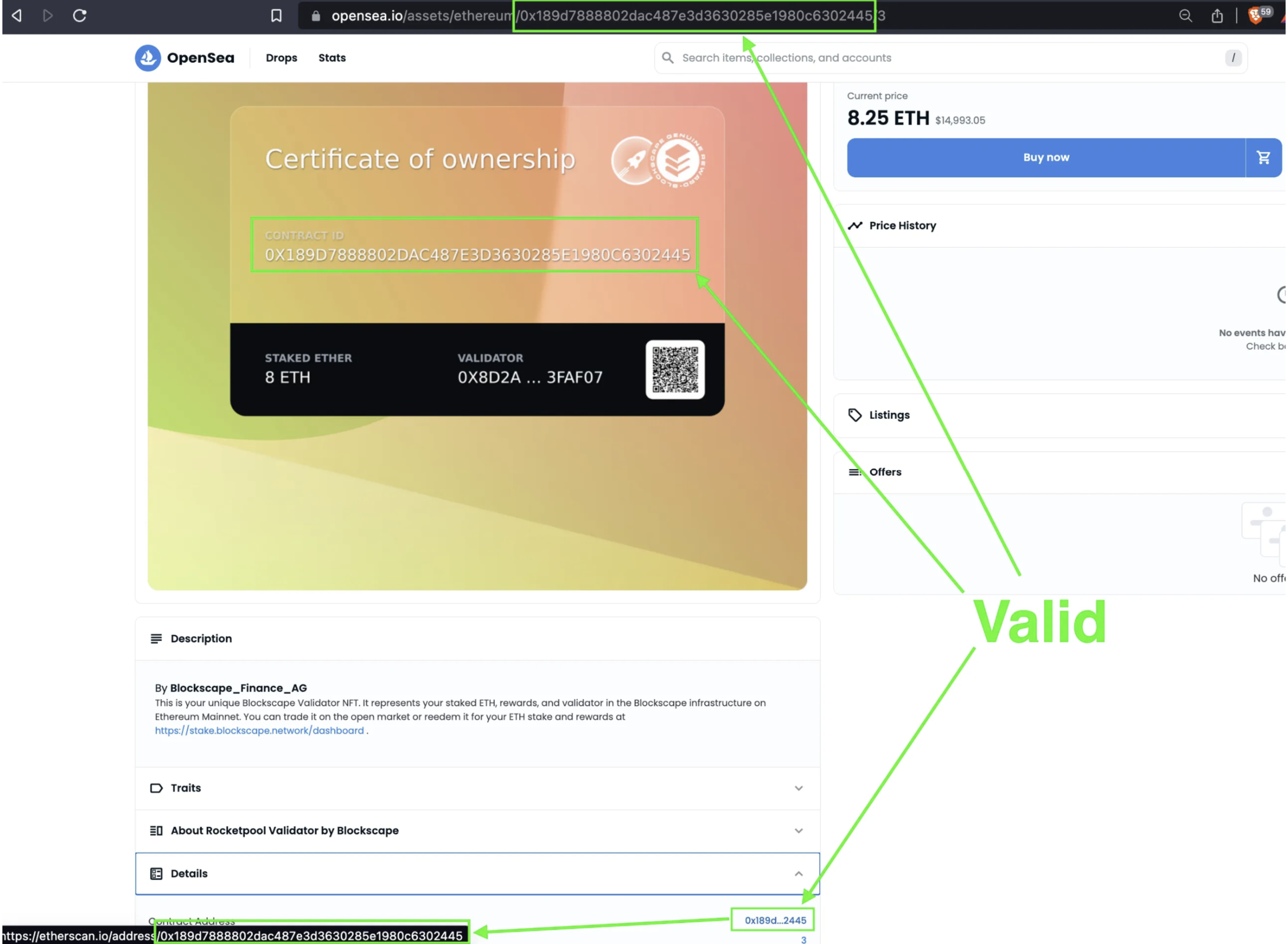
- Rigorous Provenance Verification: Always verify the creator’s identity, official website, and historical minting address. Cross-reference project details through multiple independent sources rather than relying solely on social media metrics.
- Hardware Wallet Isolation: Store high-value digital assets in cold storage (hardware wallets) rather than hot wallets connected to active browser extensions. Never authorize smart contract permissions for unknown or unverified platforms.
- Skepticism Toward Unsolicited Offers: Treat any direct message offering exclusive whitelist spots, free airdrops, or urgent wallet verification requests as an immediate red flag.
- Comprehensive Team Auditing: Investigate the background, track record, and real-world identities of project developers. Anonymous teams should be approached with heightened scrutiny.
- Resistance to FOMO and Unrealistic Yields: Avoid projects that promise guaranteed financial returns, rapid appreciation, or high-yield staking mechanisms lacking transparent, sustainable business models.
Conclusion
The evolution of Non-Fungible Tokens reflects a broader tension within the digital economy: the struggle to balance permissionless innovation with consumer protection. While fraudulent schemes, plagiarized art, sophisticated phishing campaigns, and high-profile controversies like CryptoZoo have severely tested public trust, they do not invalidate the foundational utility of blockchain-based authentication. As regulatory frameworks mature, platform security measures improve, and investor financial literacy increases, the digital asset ecosystem is gradually transitioning toward greater accountability. For participants entering this rapidly developing space, informed skepticism, rigorous due diligence, and adherence to security hygiene remain the most effective defenses against exploitation.
