
Securities and Exchange Commission (SEC) Chairman Paul Atkins announced his full backing of the sweeping bipartisan CLARITY Act on Tuesday, July 28, 2026. In a public statement shared on social media, Atkins confirmed that the SEC is prepared to offer hands-on technical assistance to help Congress navigate the legislative finish line. This endorsement places the full institutional weight of the nation’s top financial regulator behind a massive 616-page cryptocurrency market structure bill that must clear the United States Senate ahead of a fast-approaching August congressional recess.
The intervention by the sitting SEC chair goes far beyond a routine political nod. By committing his agency to assist lawmakers with drafting and refining the bill’s language, Atkins is actively participating in shaping the regulatory boundaries that will govern digital assets for decades. For years, the jurisdictional divide between the SEC and the Commodity Futures Trading Commission (CFTC) has remained a contentious battleground, often resulting in regulatory enforcement actions rather than clear rules. The CLARITY Act attempts to finally codify these boundaries, defining explicitly which digital assets fall under SEC jurisdiction as securities and which migrate to CFTC oversight as digital commodities.
The Legislative Journey: From House Success to Senate Bottleneck
The CLARITY Act is not a sudden development; its foundation has been years in the making. The legislation previously cleared the House of Representatives with a commanding 294–134 bipartisan vote, proving its cross-party viability. However, the Senate has consistently proven to be a formidable legislative bottleneck.
On July 22, 2026, the Senate Banking Committee released an updated, consolidated bill text totaling 616 pages. This voluminous document attempts to balance traditional financial safeguards with the unique technological demands of decentralized finance, blockchain infrastructure, and tokenized assets.
Despite the release of the updated text, the Senate floor schedule has grown exceptionally crowded. On July 28, the Senate temporarily set the crypto bill aside to process 74 pending federal nominations and advance the Lindsey O. Graham Sanctioning Russia Act of 2026. This legislative backlog has severely compressed the timeline, leaving lawmakers with only days to debate, amend, and vote on the package before departing for the August recess.
Senate Majority Leader John Thune has expressed skepticism regarding whether a final vote can be successfully orchestrated before the recess begins. Nevertheless, Thune has signaled a willingness to force procedural votes, even if the crucial 60-vote threshold required to overcome a potential filibuster is not entirely guaranteed ahead of time. If a cloture vote fails to materialize or pass before the August 8 deadline, final consideration of the bill will inevitably slide into the fall legislative calendar, extending a regulatory limbo that has weighed heavily on the digital asset industry throughout 2026.
What SEC Technical Assistance Entails
In the context of federal legislation, the SEC’s offer of technical assistance carries substantial practical weight. Technical assistance involves the agency’s legal and economic experts working directly with congressional staff to draft and refine statutory language. This process includes flagging unintended conflicts with existing federal securities statutes, evaluating the real-world implementation feasibility of proposed oversight mechanisms, and establishing clear operational parameters for the SEC-CFTC joint mandate.
Atkins underscored the necessity of this collaboration by pointing to the broader economic implications of regulatory certainty. Alongside his written statement, he shared a video clip from a recent television interview highlighting the urgent need for a cohesive regulatory framework to match the rapid pace of American financial innovation.
"I am committed to supporting Congress in advancing the CLARITY Act, including providing technical assistance," Atkins stated on X. "American leadership in the digital finance revolution means matching the energy of American innovators with a regulatory framework worthy of them."
Prior to this formal legislative push, the SEC and the CFTC had already initiated cooperative efforts under an internal banner known as Project Crypto. This joint initiative focused on developing a preliminary token taxonomy and establishing potential regulatory exemptions to pre-align internal agency frameworks with anticipated statutory changes. However, Atkins and other commissioners have consistently emphasized that administrative stopgaps—such as the internal work conducted by Commissioner Hester Peirce’s Crypto Task Force—are merely temporary measures. They cannot substitute for permanent statutory authority of the magnitude that the CLARITY Act aims to confer.
Wall Street Alignment Versus Democratic Holdouts
The coalition of stakeholders rallying behind the CLARITY Act has grown increasingly formidable. Major traditional financial institutions, including Fidelity and Goldman Sachs, have thrown their weight behind the legislation alongside prominent decentralized finance (DeFi) entities like Aave. Stani Kulechov, founder of Aave, noted that the statutory clarity provided by the bill could significantly expand traditional banking institutions’ engagement with digital assets, opening pathways for secure custody solutions, staking services, and digital asset lending. Wall Street’s unified stance reflects a profound institutional appetite for clear, predictable rules of the road.
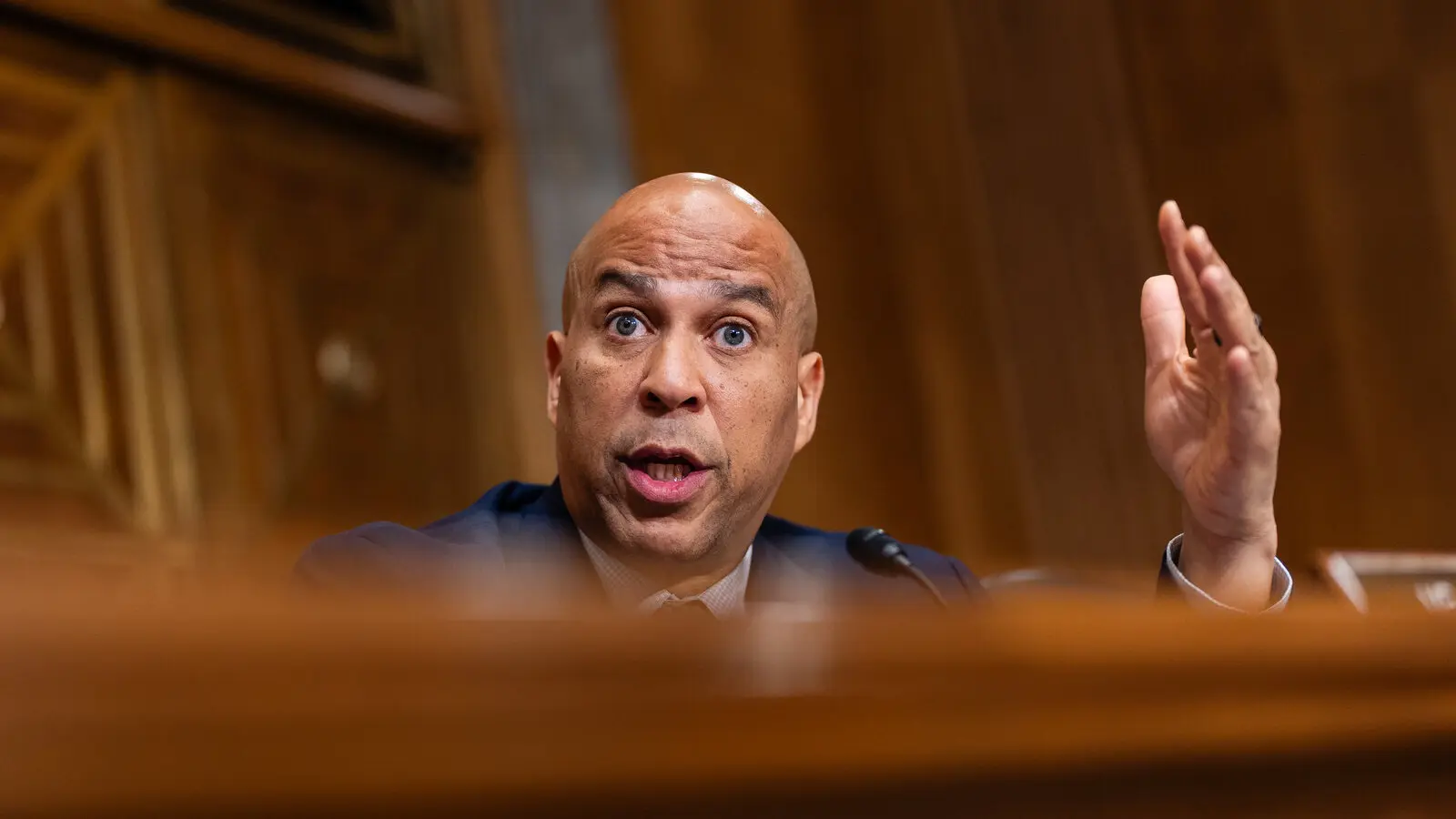
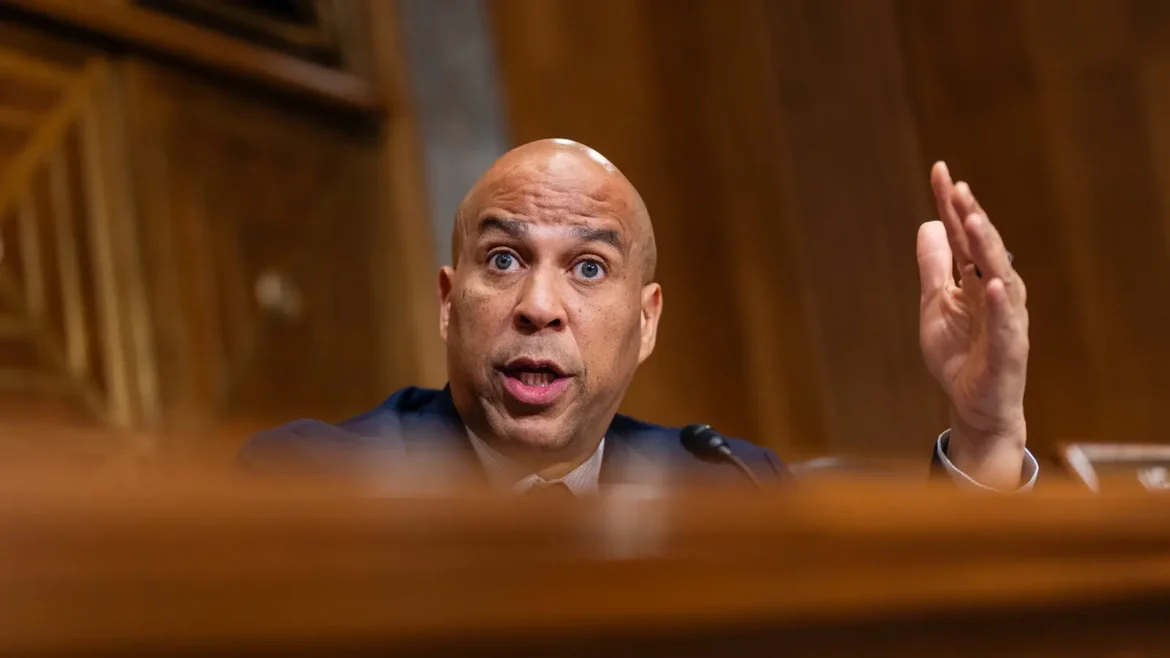
Despite broad institutional backing, the bill continues to face fierce resistance from a bloc of Democratic senators led by Senator Cory Booker. On July 22, Booker released a formal statement criticizing the legislation in its current form, arguing that it fails to adequately protect consumers and the broader financial system.
The primary policy friction points center on two major areas:
- Stablecoin Yield Provisions: Traditional banking lobbyists have raised strong concerns that allowing cryptocurrency exchanges and issuers to pay attractive yields on customer stablecoin balances could siphon massive amounts of capital out of traditional bank deposit bases, posing systemic liquidity risks.
- Ethics and Accountability Standards: Disagreements persist regarding the scope and enforcement mechanisms of ethics language governing federal officials and their personal digital asset holdings.
To bridge this divide, a bipartisan group consisting of Senator Ruben Gallego and Senator Thom Tillis has been actively working on an alternative ethics counteroffer to submit to the White House. The proposed compromise introduces a White House-developed ethics title that would explicitly ban covered federal officials and their spouses from issuing or promoting digital assets. This provision includes a 2029 sunset clause and routes enforcement through the Department of Justice (DOJ) rather than relying on a private right of action.
Broader Market Implications and Future Outlook
The outcome of the current legislative standoff will have profound implications for the trajectory of the United States digital finance sector. For market participants, the CLARITY Act represents the most viable legislative vehicle to eliminate the regulatory ambiguity that has defined the American crypto landscape for over a decade. By dividing oversight logically between the SEC and the CFTC, the bill aims to foster innovation while maintaining robust investor protection standards.
However, the immediate horizon remains fraught with uncertainty. The convergence of the August recess deadline, the Democratic holdout position on stablecoin yields, and the intense scheduling pressures in the Senate create a narrow and precarious path forward. If lawmakers fail to secure the necessary consensus before Congress breaks for recess, the legislative momentum behind the CLARITY Act could dissipate, leaving market participants, Wall Street institutions, and regulators to navigate an unpredictable regulatory environment well into the autumn months of 2026.
