
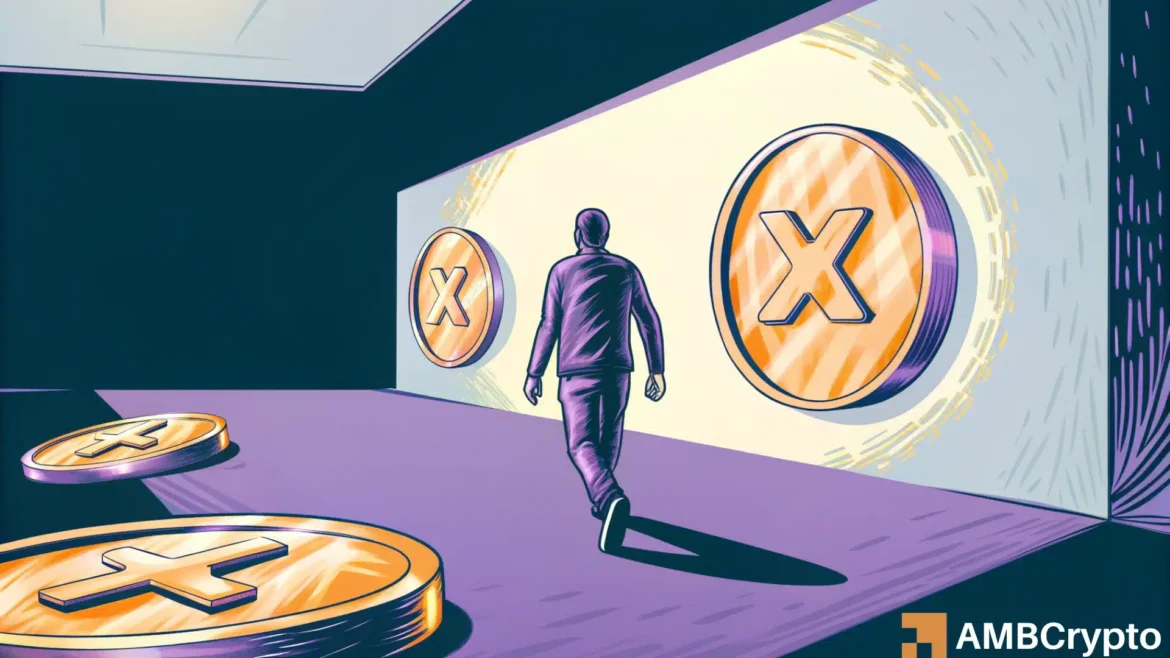
SocialFi was initially envisioned as the radical evolution of the creator economy, promising to decentralize power and provide creators with direct financial sovereignty through blockchain technology. However, as of early 2026, the sector is widely viewed as a failed experiment that prioritized speculative trading over sustainable community engagement. While the dream of decentralized ownership remains, the practical execution of SocialFi has largely collapsed under the weight of "crypto baggage," characterized by high volatility, fleeting user retention, and a lack of genuine content-driven utility. In this vacuum, X (formerly Twitter) has emerged as a dominant force, effectively absorbing the core value proposition of SocialFi—direct creator monetization—while stripping away the complexities of decentralized finance.
The Rise and Fall of the SocialFi Experiment
The SocialFi movement, which gained significant traction between 2023 and 2025, sought to tokenize social interaction. Platforms like Friend.tech, Lens Protocol, and Farcaster attempted to bridge the gap between social networking and Web3 financial incentives. The core premise was straightforward: creators should own their audience, and fans should be able to invest directly in a creator’s success.
However, the reality proved far more cynical. Friend.tech, arguably the face of the SocialFi wave, saw its daily active user count plummet from a peak of approximately 80,000 to fewer than 250 by early 2026. Data from blockchain analytics firms consistently highlighted a grim trend: over 90% of users on these platforms abandoned their accounts within the first 30 days of activity. The fundamental issue was the demographic of the user base. Instead of attracting content consumers or community members, these platforms became magnets for speculative traders seeking to profit from the price appreciation of social tokens or "keys." When the hype cycle subsided and the financial gains failed to materialize, the platforms were left empty.
The failure of SocialFi was not a lack of interest in the creator economy, but a misalignment of incentives. Users were incentivized to speculate rather than participate, leading to a "churn-and-burn" cycle that prioritized pump-and-dump mechanics over the long-term sustainability of content creation.
The Shift Toward Web2 Infrastructure
As SocialFi struggled to maintain its relevance, X began quietly refining its own approach to the creator economy. By late 2025 and into January 2026, the platform had positioned itself to capture the market that SocialFi failed to secure. By stripping away the need for crypto wallets, complex tokenomics, and volatile asset management, X has created a frictionless environment where creators can generate income through established, fiat-based systems.
The platform’s transition into a "creator-first" ecosystem is reflected in its recent financial updates. After concluding 2025 with its highest-ever payouts to users, X declared 2026 the "Year of the Creator." The strategy involves a significant expansion of the revenue-sharing pool, a move designed to incentivize high-quality content production rather than engagement-farming or bot-driven interactions.
The Mechanics of X’s New Monetization Model
The new monetization framework implemented by X marks a pivot toward rewarding depth and quality. Under the updated payout system, creator earnings are no longer tied solely to raw engagement metrics like likes or reposts. Instead, they are calculated based on verified home timeline impressions—a metric that prioritizes visibility among legitimate, authenticated users.
Key features of this updated model include:
- Content Weighting: The platform has signaled that longer-form, higher-effort content—such as articles and long-form posts—will carry more weight than ephemeral short-form posts. This is a direct attempt to discourage the "doomscrolling" cycle and encourage substantive contributions.
- Premium Subscriber Value: Impressions derived from higher-tier Premium subscribers are now valued more heavily than those from standard users. This provides a secondary incentive for creators to cultivate a high-value, loyal audience.
- Fraud Mitigation: A significant portion of X’s current engineering efforts is focused on detecting and neutralizing bot activity and fake engagement. This is a crucial step in maintaining the integrity of the payout pool, as advertisers and creators alike demand a "clean" environment for financial transactions.
A Chronology of the Creator Economy Pivot
To understand the current state of affairs, one must look at the timeline of the last three years:
- 2023: The "Summer of SocialFi." Friend.tech launches, leading to a frenzy of activity and billions of dollars in volume across various Web3 social platforms.
- 2024: The "Cooling Period." High churn rates and the "crypto winter" effect reveal that most SocialFi users are short-term speculators. Several platforms struggle to maintain server stability and user growth.
- 2025: The "Consolidation." X expands its revenue-sharing programs to a wider base of creators, signaling that a major platform can offer the same financial incentives as Web3 protocols without the associated risks.
- January 2026: X formalizes its "Year of the Creator" initiative, doubling down on revenue-sharing and implementing advanced fraud-detection tools to stabilize the ecosystem.
Implications for Decentralized Social Media
The success of X’s model poses a significant existential question for the decentralized social media sector: Is there a path forward for SocialFi, or has the "mainstream" absorbed its best ideas?
The primary implication is that the market for creator monetization is shifting away from complexity and toward utility. Creators have shown that they are less interested in the ideology of decentralization and more interested in the reliability of a paycheck. For decentralized protocols to survive, they must move away from financial speculation and toward the features that users actually value: censorship resistance, data portability, and community ownership.

Critics of the current landscape argue that while X provides better immediate payouts, it retains centralized control. A creator’s income on X is subject to the platform’s changing algorithms and terms of service. In contrast, a truly decentralized platform offers the promise of a "sovereign" social graph. However, as the data from the last two years shows, sovereign ownership is currently not a compelling enough value proposition for the average creator to ignore the massive reach and ease of use provided by centralized giants.
Future Outlook: Can Decentralization Recover?
Looking ahead, the next phase of the creator economy will likely be defined by a hybrid approach. We are beginning to see a "Web2.5" movement, where platforms maintain the ease of use of a centralized system while incorporating blockchain-based verification for identity or content provenance.
For the creators themselves, the trend is clear: the focus has shifted from "How can I tokenize my community?" to "How can I provide the most value to my subscribers?" X’s decision to prioritize high-effort content and verified impressions suggests that even the biggest platforms are recognizing that the "attention economy" is reaching a point of diminishing returns. The platforms that succeed in the next five years will be those that foster authentic connection rather than those that simply facilitate financial transactions.
In summary, the failure of SocialFi as a speculative investment vehicle was inevitable, but the underlying demand for direct creator monetization remains stronger than ever. X has successfully capitalized on this demand by simplifying the process, removing the crypto-barrier, and aligning its incentives with the production of quality content. Whether this will lead to a more sustainable creator economy or simply entrench the power of large platforms remains the central question of the 2026 digital landscape. For now, the "SocialFi" label has largely faded from the lexicon of serious creators, replaced by a more pragmatic approach to earning a living in the digital age.
