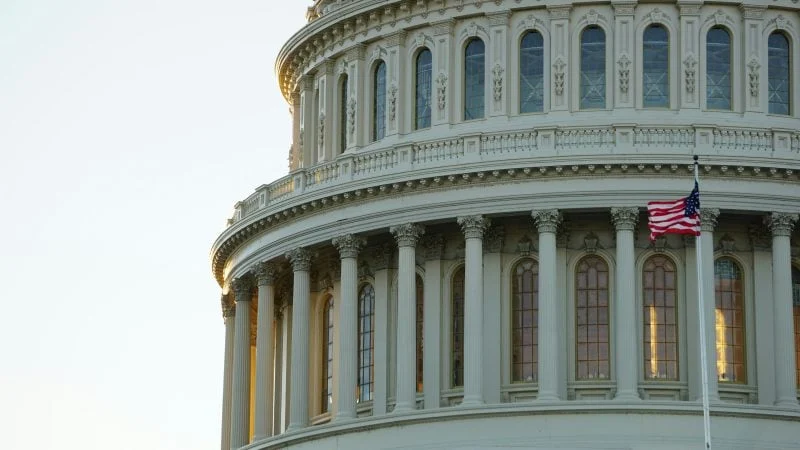
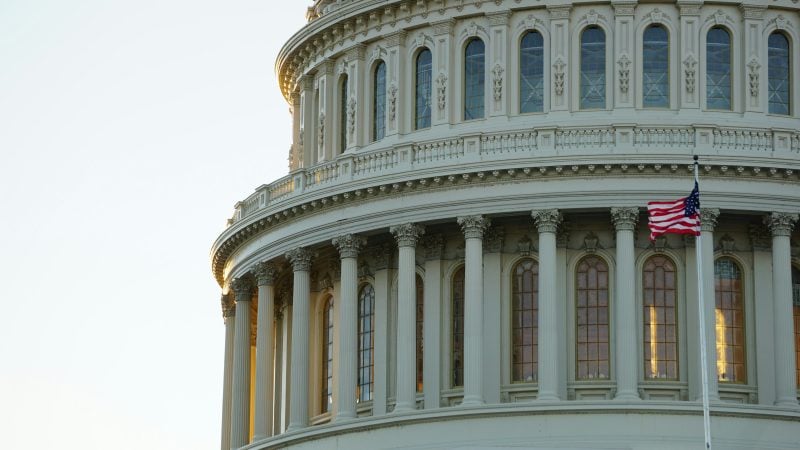
Senator Cynthia Lummis (R-WY) has unveiled an updated, 616-page draft of the Digital Asset Market Clarity Act, signaling a definitive push by the Senate to establish a comprehensive federal framework for the cryptocurrency industry before the upcoming legislative recess. The revised text, released on Wednesday, introduces a robust ethics framework backed by the White House, designed to mitigate potential conflicts of interest among the nation’s highest-ranking officials. Most notably, the legislation would explicitly prohibit senior federal officials, including the President and Vice President, from issuing, sponsoring, or maintaining direct promotional ties to digital assets during their time in office.
This latest iteration of the bill arrives at a critical juncture for the American financial sector. As digital assets continue to integrate into the broader economy, the lack of a clear, unified regulatory structure has been cited by both industry leaders and consumer advocates as a primary source of market volatility and legal uncertainty. Senator Lummis, a long-standing advocate for blockchain innovation, emphasized that the window for passing meaningful legislation is closing, framing the next several weeks as a "last real chance" for the current Congress to codify these rules into law.
The Evolution of the Ethics Framework
The inclusion of stringent ethics provisions represents a strategic move to secure the bipartisan support necessary for the bill to clear the Senate. The 616-page document outlines a "White House-backed" protocol that targets senior executive branch officials. Under the proposed rules, these individuals would be barred from active participation in the creation or promotion of digital assets, a measure intended to preserve the neutrality of federal offices.
To address officials who enter public service with existing cryptocurrency portfolios, the bill establishes a "safe harbor" mechanism. This allows officials to remain in compliance with federal ethics laws by transferring their digital asset holdings into qualified blind trusts. Alternatively, officials may choose to divest from their holdings entirely. These procedures align with the Ethics in Government Act of 1978, which already governs traditional financial assets like stocks and bonds for high-level appointees.
Furthermore, the draft includes a temporary prohibition on "direct crypto business ties" for top federal officials. This provision is set with a sunset clause, currently scheduled to expire in 2029. Analysts suggest this timeline is intended to cover the duration of the next presidential term, ensuring that the transition into a new administration does not coincide with a vacuum of ethical oversight regarding emerging technologies.
Enforcement Mechanisms and the Partisan Divide
One of the most contentious elements of the updated Digital Asset Market Clarity Act is its enforcement structure. The current draft designates the Department of Justice (DOJ) as the sole authority responsible for enforcing the new ethics rules. Under this model, the Attorney General would have the power to initiate civil actions against government officials or digital asset intermediaries found to be in knowing violation of the law.
However, this centralized enforcement approach has met with resistance from Senate Democrats. Critics of the DOJ-only model argue that it limits the ability of state-level authorities to protect their constituents. Democratic lawmakers are currently advocating for a dual-enforcement system that would allow state attorneys general to bring independent actions. Additionally, there is ongoing debate regarding whether private individuals should have a "private right of action" to sue intermediaries for violations, a provision that is currently prohibited in the Lummis draft.
This jurisdictional disagreement highlights a broader philosophical split in Washington. While Republicans generally favor a streamlined federal approach to avoid a "patchwork" of conflicting state laws, many Democrats view state-level enforcement as a necessary redundant layer of consumer protection, particularly in an industry prone to rapid technological shifts and offshore evasion.
Integrating the Blockchain Regulatory Certainty Act
Beyond the new ethics mandates, the Digital Asset Market Clarity Act incorporates several pre-existing legislative efforts, most notably the Blockchain Regulatory Certainty Act. This component of the bill is highly regarded by the crypto industry as it provides a safe harbor for non-custodial service providers.
Under these provisions, entities that do not take control of consumer funds—such as blockchain developers, miners, and providers of non-custodial wallets—would be exempt from being classified as "money transmitters." This distinction is vital for the growth of decentralized finance (DeFi), as it prevents software developers from being burdened by the heavy compliance and licensing requirements typically reserved for centralized financial institutions like banks or exchanges.
By including these industry-backed measures alongside stricter ethics rules, the bill attempts to balance the needs of the technological ecosystem with the necessity of public accountability. The draft also introduces new investor protection requirements, including enhanced disclosure mandates for digital asset issuers and stricter reserve requirements for stablecoin providers.
Chronology of Crypto Legislation in the 118th Congress
The journey of the Digital Asset Market Clarity Act is part of a multi-year effort to bring order to the U.S. crypto market. The timeline of this legislative push reflects the increasing urgency felt by lawmakers:
- June 2022: Senators Cynthia Lummis and Kirsten Gillibrand introduce the first version of the Responsible Financial Innovation Act, laying the groundwork for many of the definitions used today.
- November 2022: The collapse of FTX triggers a massive re-evaluation of crypto oversight, leading to calls for more aggressive consumer protection and transparency.
- July 2023: The House Financial Services Committee advances the Financial Innovation and Technology for the 21st Century Act (FIT21), which seeks to define the boundaries between the SEC and CFTC.
- May 2024: The House of Representatives passes FIT21 with significant bipartisan support, putting pressure on the Senate to produce a companion or alternative bill.
- July 2024: Senator Lummis releases the 616-page updated Clarity Act, incorporating White House ethics recommendations and aiming for a floor vote before the August recess.
Supporting Data and Market Context
The push for legislation is driven by the sheer scale of the digital asset market. As of mid-2024, the total market capitalization of all cryptocurrencies fluctuates between $2.2 trillion and $2.5 trillion. Estimates from the Coinbase and Morning Consult "State of Crypto" report suggest that approximately 52 million Americans—roughly 20% of the adult population—own some form of digital asset.
Furthermore, the industry has become a significant political force. According to data from OpenSecrets, crypto-related companies and political action committees (PACs) have contributed over $100 million to various 2024 election cycles. This financial influence has made the creation of a clear regulatory framework a high-priority item for both parties, albeit for different reasons. For Republicans, it is often framed as a matter of American competitiveness and innovation; for Democrats, it is frequently discussed in terms of financial stability and preventing illicit activity.
Official Responses and Industry Reaction
The reaction to the 616-page draft has been a mix of cautious optimism and targeted criticism. Senator Lummis’s office has characterized the bill as a "common-sense" solution that prevents the U.S. from falling behind international peers like the European Union, which recently implemented its Markets in Crypto-Assets (MiCA) regulation.
"The U.S. has always been at the forefront of financial innovation," Lummis stated during the release. "We cannot afford to let this technology move offshore due to a lack of clear rules. This bill ensures that we lead while maintaining the highest ethical standards for our public servants."
Industry groups, such as the Blockchain Association and Coin Center, have largely praised the inclusion of the Blockchain Regulatory Certainty Act but remain wary of the broad powers granted to the DOJ and the potential for "over-regulation" of decentralized protocols. Conversely, consumer advocacy groups like Better Markets have expressed concerns that the bill may not go far enough in granting the Securities and Exchange Commission (SEC) oversight over assets that function like investment contracts.
The White House has not issued a formal Statement of Administration Policy on this specific draft, but officials have indicated that any final bill must include "sufficient guardrails" to prevent the type of systemic failures seen in the 2022 market downturn.
Broader Implications and the Road Ahead
If passed, the Digital Asset Market Clarity Act would represent the most significant overhaul of U.S. financial law since the Dodd-Frank Act of 2010. By defining the roles of the SEC and the Commodity Futures Trading Commission (CFTC) more clearly, the bill aims to end the "regulation by enforcement" era that has defined the last several years.
The implications for the 2024 presidential election are also significant. By specifically targeting the ability of a sitting president to issue or promote crypto assets, the bill addresses a unique modern conflict of interest where digital tokens can be launched with minimal overhead but carry massive influence.
The coming weeks will be decisive. Republican leadership is reportedly seeking to bring the bill to a vote before the Senate adjourns for its August recess. To do so, they must resolve the impasse over state-level enforcement and ensure that the ethics provisions are viewed as sufficiently rigorous by the Democratic majority. If the Senate fails to act before the recess, the likelihood of the bill passing in a lame-duck session following the November elections decreases significantly, potentially pushing the issue into 2025 and a new Congress.
As it stands, the Digital Asset Market Clarity Act represents a comprehensive attempt to bridge the gap between the disruptive potential of blockchain technology and the traditional requirements of federal oversight and ethical governance. Whether it can navigate the narrow corridor of bipartisan consensus remains the primary question for Washington’s financial regulators.