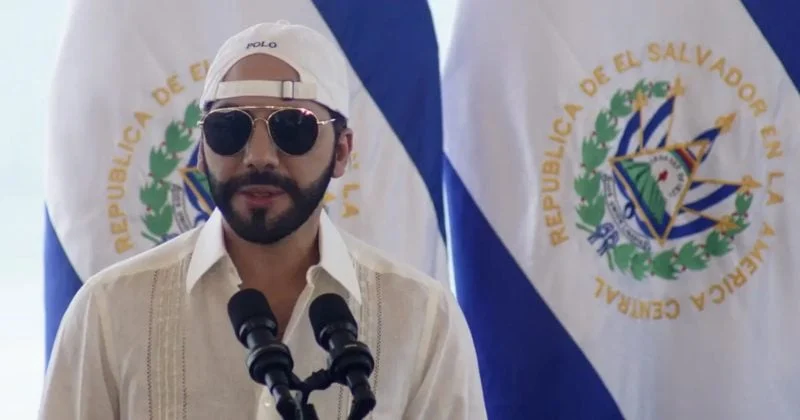
The government of El Salvador has officially entered into a strategic partnership with Modveon, a Palo Alto-based technology startup, to roll out Sivar, a comprehensive national digital infrastructure platform. This initiative, designed to bridge the gap between Salvadoran citizens, local businesses, and public institutions, marks a significant shift in the nation’s digital strategy. Under a five-year agreement with the Salvadoran public institution AAB, Modveon is tasked with the long-term operation and expansion of the Sivar ecosystem, which aims to provide verified digital identity services and streamlined financial connectivity.
This partnership represents a pivot for the Bukele administration, which has sought to cement its legacy as a pioneer in digital finance since the landmark 2021 Bitcoin Law. By leveraging Modveon’s "Verified Operating System," the government intends to provide a more stable and user-friendly digital environment than the experimental systems previously deployed. The platform, which has already undergone a beta testing phase involving 25,000 residents, is now being positioned as the primary digital interface for the nation’s populace.
The Foundation: Modveon’s Identity-First Infrastructure
Founded in 2025, Modveon emerged as a specialized player in the "gov-tech" sector, focusing on the development of secure, identity-first digital frameworks. The company’s rapid ascent was bolstered by a $10 million seed funding round in February 2025, which attracted significant interest from high-profile venture capital firms, including Coinbase Ventures, Firebolt Ventures, Humla Ventures, and Strategic Cyber Ventures.
The core of the Sivar platform is built upon Modveon’s proprietary Verified Operating System. This architecture integrates several critical digital components: a secure, government-verified identity system; a hub for trusted community engagement; and a robust payment gateway. By requiring users to verify their accounts via their official national identity cards, the platform aims to mitigate fraud while fostering a environment where digital interactions are tied to real-world identities. This verified nature is intended to encourage the adoption of digital services among segments of the population that have previously been wary of decentralized or anonymous platforms.
Chronology of El Salvador’s Digital Transition
The launch of Sivar occurs against a complex backdrop of fiscal policy and digital experimentation that has defined El Salvador’s economic trajectory over the last five years.
- September 2021: El Salvador becomes the first nation in the world to adopt Bitcoin as legal tender. The government launches the Chivo wallet, a state-sponsored app intended to facilitate the use of Bitcoin for everyday transactions.
- 2022–2024: Despite substantial government promotion and the promise of "Bitcoin City," public adoption remains stagnant. Reports from the International Monetary Fund (IMF) and other financial bodies consistently highlight that the majority of the population prefers traditional fiat currency.
- February 2025: Modveon secures $10 million in seed funding, positioning itself as a leader in identity-first infrastructure.
- Early 2025: The Salvadoran government reaches a critical $1.4 billion agreement with the IMF to stabilize the national economy. This deal includes strict stipulations regarding the government’s role in the cryptocurrency market.
- Mid-2025: Modveon conducts a pre-launch rollout of Sivar with 25,000 users to test the integration of remittances and social features.
- Late 2025: The official national launch of Sivar is announced, marking a transition toward a more regulated, identity-verified digital ecosystem.
Financial Implications and the Remittance Landscape
One of the most pragmatic features of the Sivar platform is its focus on the remittance market—a vital component of El Salvador’s economy. Remittances from Salvadorans living in the United States account for approximately 20% to 25% of the nation’s Gross Domestic Product (GDP). Historically, these transfers have been subject to high fees from traditional money transfer operators.
Sivar aims to disrupt this market by offering a $2 flat fee for eligible transfers from the United States to verified recipients in El Salvador. The integration with Coinbase is a central pillar of this financial strategy. By utilizing Coinbase Onramp, users in the U.S. can fund transfers directly from bank accounts or debit cards. Crucially, these transfers are settled in stablecoins on the Base blockchain. This infrastructure choice is significant; by utilizing stablecoins, Sivar bypasses the volatility concerns associated with Bitcoin, which many analysts believe was a primary hurdle for widespread crypto adoption in the country.
However, the efficacy of this model faces a high bar. Recent IMF data indicates that crypto-based remittances have struggled to gain traction, representing only about 1.75% of total remittance volume since the 2021 Bitcoin Law. By moving away from purely speculative assets and toward a utility-focused, stablecoin-based model, Modveon and the Salvadoran government are betting that convenience and low costs will eventually overcome the "stubbornly low" adoption rates reported in previous years.
Regulatory Context and the IMF Agreement
The launch of Sivar occurs at a time when El Salvador’s relationship with international financial institutions is in a state of recalibration. The $1.4 billion IMF program agreed upon in 2025 placed significant constraints on the government’s crypto-related activities. Under the terms of this agreement, the Salvadoran government has been limited in its ability to actively purchase or trade Bitcoin using public funds.
The IMF has emphasized that no public resources have been used for Bitcoin acquisitions, and that further accumulation of the asset is not anticipated beyond existing holdings or documented private donations. This shift has forced the government to rethink its digital strategy. Instead of focusing solely on the promotion of Bitcoin as a state-mandated currency, the current administration is now pivoting toward digital infrastructure that facilitates economic efficiency and institutional trust. Sivar represents a move toward a more conventional, albeit technologically advanced, digital service provider model that aligns more closely with international regulatory expectations.
Social and Institutional Impact
Beyond finance, Sivar is designed to serve as a digital "town square." By allowing users to join communities based on geography or shared interests, the platform attempts to digitize the social fabric of the nation. It provides a direct channel for the government to push official announcements, and for citizens to participate in live discussions and town halls.
This functionality is designed to increase government transparency and accessibility. However, it also raises questions regarding data privacy and the potential for state surveillance. While Modveon maintains that its identity-first approach is built on security, the concentration of citizen data within a single platform—managed by a private entity under a government contract—will likely invite scrutiny from human rights advocates and privacy experts. The ability of the government to monitor discourse within the app remains a critical point of interest for both local observers and international watchdogs.
Future Outlook and Analytical Perspective
The success of Sivar will likely be measured by its ability to achieve three specific goals: increasing the velocity of remittances through official channels, fostering genuine user engagement in its social communities, and maintaining the trust of the Salvadoran populace.
From an economic standpoint, the $2 flat fee model is highly competitive. If Sivar can successfully capture a larger share of the remittance market, it could provide a meaningful boost to the disposable income of Salvadoran families who currently lose a percentage of their earnings to intermediary fees. Furthermore, the platform’s reliance on stablecoins rather than volatile assets like Bitcoin suggests a more pragmatic approach to financial inclusion, one that addresses the volatility concerns that hindered earlier initiatives.
However, the technical challenge remains significant. Scaling the platform to serve a large percentage of the population, ensuring the security of the identity verification process, and maintaining the stability of the Base-integrated settlement layer will require continuous investment and technical vigilance.
In the broader context of El Salvador’s digital journey, Sivar represents the "second act" of the Bukele administration’s tech policy. Having moved past the initial, highly publicized Bitcoin experiment, the government is now focused on building the underlying infrastructure necessary for a modern digital economy. Whether this platform succeeds in becoming a staple of daily life for Salvadorans or follows the path of previous, less-adopted initiatives will depend on the platform’s reliability, the cost-effectiveness of its services, and the willingness of the public to entrust their identity and financial data to a centralized digital ecosystem.
As the five-year agreement between AAB and Modveon commences, the eyes of the international financial community will remain fixed on San Salvador. The experiment is no longer about the ideological promotion of cryptocurrency; it is now about the tangible application of digital identity and payment infrastructure in a developing nation seeking to integrate more deeply into the global digital economy.