The South Korean government is signaling a significant pivot in its approach to digital assets, with recent reports indicating that financial authorities are actively exploring a framework to permit Initial Coin Offerings (ICOs) under regulated conditions. This potential policy shift marks a departure from the stringent, often prohibitive, stance the nation adopted throughout 2017. As one of the most active cryptocurrency markets globally, South Korea’s evolving regulatory environment serves as a critical bellwether for the international digital asset industry.
A Chronology of Volatility and Policy Shifts
To understand the weight of this potential reversal, one must examine the turbulent history of South Korea’s relationship with blockchain-based finance. Throughout 2017, the country experienced an unprecedented speculative fervor. Driven by a tech-savvy population and high levels of digital literacy, South Korea quickly became the epicenter for Bitcoin and Ethereum trading volume. However, this rapid growth brought with it concerns regarding market manipulation, money laundering, and investor protection.
In late 2017, the South Korean government initiated a series of aggressive crackdowns. These measures included the banning of anonymous trading accounts and, crucially, a blanket prohibition on all forms of ICOs. The government’s justification was rooted in the perceived risk of fraudulent fundraising and the potential for these digital assets to facilitate illicit financial flows. These proclamations, coupled with high-profile exchange security breaches—such as the infamous hacking of the Coincheck platform—precipitated a massive contraction in global cryptocurrency prices. The resulting "crypto-winter" saw Bitcoin and various altcoins shed a significant portion of their market capitalization as investors reacted to the regulatory uncertainty radiating from Seoul.
The Emerging Regulatory Framework
The narrative began to shift in early 2018 as officials signaled a move toward a more nuanced, "crypto-friendly" administrative posture. Reports from The Korea Times and other local media outlets have highlighted ongoing deliberations between the Financial Services Commission (FSC), the Ministry of Justice, and the national tax agency.
An anonymous source familiar with these internal discussions noted that the current objective is not to eradicate the industry, but to establish a legal pathway for legitimate projects. "The financial authorities have been talking to the country’s tax agency, justice ministry, and other relevant government offices about a plan to allow ICOs in Korea when certain conditions are met," the source stated. This suggests that the government is moving toward a conditional approval model, likely focusing on transparency, project auditing, and investor verification standards.
Clarifying the FSC Position
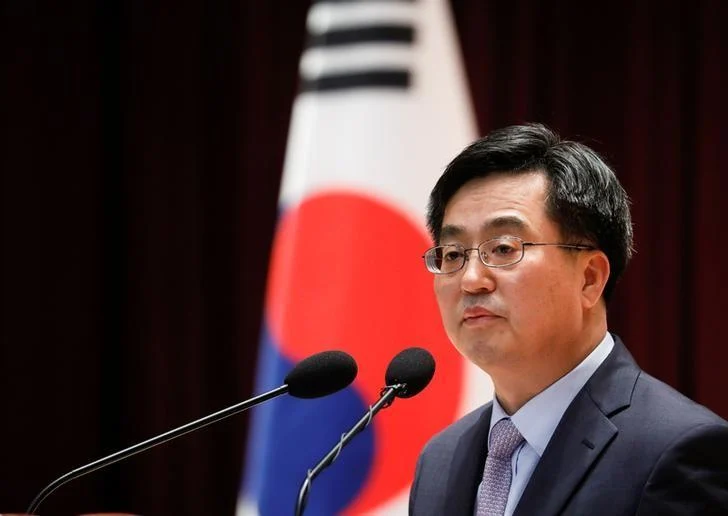
Kang Young-soo, a key official overseeing cryptocurrency trading policies at the Financial Services Commission, has provided further clarity on the government’s stance. In recent public statements, Kang emphasized that there is no overarching, explicit legislative ban on ICOs that precludes all activity. Instead, the government is operating on a case-by-case basis. Projects that do not violate existing financial laws or demonstrate clear criminal intent are theoretically permitted to operate.
"There are many speculating about the possibility of allowing ICOs. The FSC has acknowledged a third-party view regarding the issue, but there’s nothing that we can say officially at the moment," Kang remarked. This guarded, professional tone reflects the FSC’s desire to maintain order while preventing the stagnation of the local fintech sector. By avoiding a broad-brush prohibition, the FSC appears to be carving out a "regulatory sandbox" where innovation can occur without bypassing necessary consumer safeguards.
AML Compliance and Market Restrictions
Despite the softening rhetoric, the South Korean government remains steadfast regarding Anti-Money Laundering (AML) and Know Your Customer (KYC) requirements. Strict protocols remain in place to prevent the misuse of exchanges for tax evasion or international illicit finance. One of the most significant barriers remains the prohibition on foreign nationals operating within South Korean crypto-exchanges.
This restriction is a direct response to the massive volume of cross-border capital movement that characterized the 2017 boom. Regulators argue that without strict geographic and identity verification, the risk of money laundering remains unacceptably high. While this creates a fragmented landscape for global investors, it provides the South Korean government with the necessary control to monitor systemic risk. The balance between maintaining a globalized financial ecosystem and ensuring national security remains the primary tension point for policymakers in Seoul.
Blockchain Beyond Currency: A Strategic Priority
Crucially, the South Korean government distinguishes between cryptocurrency trading—which it views as a speculative risk—and blockchain technology, which it views as a strategic national asset. The administration is heavily invested in the development of distributed ledger technology (DLT) for non-financial applications, including supply chain management, electronic voting systems, and secure public administration databases.
"Yes, we have to have plans on how to advance blockchain-related technologies and effectively regulate crypto-trading. This is a separate issue," Kang explained during an industry forum at the National Assembly. This separation of "crypto-speculation" from "blockchain-utility" is a sophisticated policy maneuver. By decoupling the two, the government hopes to foster a competitive tech sector that leads the world in blockchain innovation while simultaneously tempering the risks associated with volatile asset trading.
Economic and Market Implications
The potential legalization of ICOs in South Korea would likely have a profound impact on the venture capital landscape. If the FSC establishes a clear, predictable path for token issuance, it would provide institutional investors with the legal certainty required to deploy capital into the blockchain sector. Currently, many South Korean firms are forced to conduct their token sales in jurisdictions like Singapore or Switzerland due to the ambiguity in their home country.
Furthermore, a regulated ICO market would likely lead to a "flight to quality." Under current conditions, only the most resilient projects survive the regulatory pressure. With a structured framework, we could see a rise in transparent, audit-ready startups, which would further legitimize the industry in the eyes of the public.
However, the path forward is not without challenges. Critics argue that the government’s pace is too slow, potentially causing South Korea to lose its competitive edge to other Asian financial hubs that have already adopted comprehensive regulatory frameworks for digital assets. Conversely, proponents of the current, cautious approach argue that by taking the time to consult with multiple government branches—including tax and justice officials—Korea is ensuring that the final regulatory framework will be robust enough to withstand the cyclical nature of the crypto markets.
Future Outlook
As the South Korean government continues its transition from a reactive to a proactive regulatory posture, the global crypto community is watching closely. The movement toward a conditional allowance for ICOs represents a maturity in policy-making. It acknowledges that digital assets are not a passing trend, but a complex financial reality that requires structured, transparent oversight.
The coming months will likely see the release of formal guidelines from the FSC, which will be the ultimate test of the government’s commitment to this shift. If the regulatory burden is manageable and the legal requirements are clear, South Korea could quickly reclaim its position as a global leader in the digital asset space. If the requirements remain overly burdensome, the domestic industry may continue to face stagnation.
In the final analysis, the South Korean experience is a microcosm of the global struggle to regulate decentralized finance. It highlights the inherent conflict between the desire for innovation and the necessity of consumer protection. As the government refines its stance, the emphasis on blockchain as a technology for national advancement, rather than just a vehicle for speculation, provides a blueprint for other nations currently grappling with the same regulatory dilemmas. The integration of blockchain into the national infrastructure, while simultaneously establishing a safe and transparent market for digital assets, is the primary objective of the current administration, and its success could dictate the direction of the regional economy for the next decade.