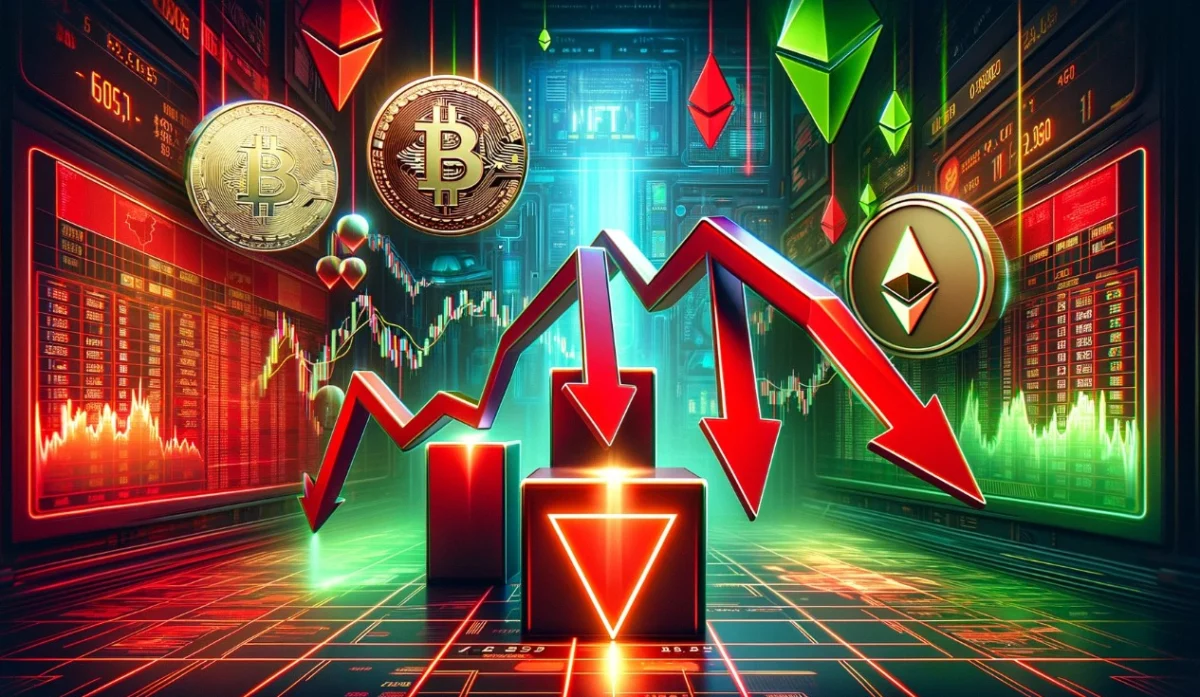
The digital asset ecosystem is experiencing a profound divergence in investor interest. While mainstream cryptocurrencies such as Bitcoin (BTC) and Ethereum (ETH) continue to capture market optimism and capital inflows, the non-fungible token (NFT) sector is facing a prolonged and punishing downturn. Once hailed as a revolutionary intersection of technology, art, and finance, NFTs have seen a sharp decline in public engagement, trading volumes, and floor prices. Industry metrics reveal that general interest, as tracked by search engine queries, has slumped to levels not seen since the market’s explosive mainstream breakout in 2021.
This dramatic shift highlights the dynamic and often volatile nature of cryptocurrency market rotations. As institutional interest shifts toward newly approved and anticipated regulated investment products, capital is rapidly moving away from speculative digital collectibles and into foundational layer-one assets and regulated financial instruments.
Background Context of the NFT Boom and Bust
To understand the current state of the non-fungible token market, one must examine its meteoric rise and subsequent correction. NFTs are cryptographic assets recorded on a blockchain that represent ownership of unique digital or physical items, ranging from digital artwork and music to virtual real estate and collectibles. The sector experienced an unprecedented frenzy throughout 2021 and early 2022, capturing global headlines as digital artists sold works for millions of dollars and prominent celebrities endorsed high-profile collections.
During its peak in January 2022, the global NFT market recorded an astonishing $17.2 billion in monthly sales volume. Mainstream auction houses, venture capitalists, and retail investors flooded the space, driving floor prices of premier collections to dizzying heights. However, this euphoria proved unsustainable. As broader macroeconomic conditions tightened, inflation surged, and interest rates rose, speculative markets experienced a severe liquidity drain. The NFT sector, being among the most speculative segments of the digital asset economy, suffered disproportionately, entering a protracted cooling-off period that has persisted for over two years.
Chronology of Recent Declines and Market Catalysts
The downward trajectory of the NFT market has accelerated over the past year, marked by key macroeconomic events and shifting regulatory landscapes.
In late 2023 and early 2024, the broader cryptocurrency market experienced a revival, largely driven by the approval and launch of spot Bitcoin exchange-traded funds (ETFs) in the United States. This development injected billions of dollars into the crypto economy, but the capital remained heavily concentrated in primary assets like Bitcoin.
The turning point for the secondary stagnation of NFTs occurred in May 2024. As the U.S. Securities and Exchange Commission (SEC) took decisive steps toward approving exchange-traded funds directly investing in Ethereum, investor sentiment shifted dramatically. Anticipating a wave of institutional capital entering Ethereum, many market participants began liquidating alternative digital assets, including high-value NFTs, to reallocate capital directly into ETH. This capital rotation triggered a fresh wave of price contractions across virtually all major NFT ecosystems.
Supporting Data and Metrics
Comprehensive data from blockchain research firms and market trackers quantify the depth of the current contraction. According to reports from DappRadar, total NFT sales for the first five months of the year experienced a decline of more than six percent, dropping to approximately $8.5 billion compared to the same period in the previous year. This performance stands in stark contrast to the historic highs recorded during the market’s peak.

Individual collections have faced even steeper declines. Data from NFT Price Floor indicates that floor prices for many prominent blue-chip collections have plummeted by 40% to 50% year-to-date. CryptoPunks, one of the earliest and most historically significant collections minted on the Ethereum network, has seen its valuation slide significantly, trading near 2021 levels and sitting roughly 29% below its lowest valuation points from the preceding year.
Similarly, other foundational projects such as the Bored Ape Yacht Club (BAYC) and Chromie Squiggle have experienced dramatic value compression. Their floor prices, denominated in Ethereum, have dropped to roughly half of their lowest levels from the previous year. Concurrently, Google search trends indicate that public interest in the term "NFT" has slumped to its lowest point since early 2021, signaling a lack of new retail participants entering the ecosystem.
Official Responses and Industry Analysis
Industry experts and market participants have offered varied perspectives on the underlying mechanics driving this prolonged correction. Nicolas Lallement, co-founder of the NFT data tracker NFT Price Floor, emphasizes the role of capital rotation within the broader digital asset economy. According to Lallement, crypto markets are highly fluid, and Ethereum’s capacity to absorb incoming institutional capital via newly approved financial products naturally draws liquidity away from secondary asset classes like non-fungible tokens.
Daniel Maegaard, a prominent digital art collector, noted that the majority of NFT collections have struggled to regain traction following the initial speculative bubble of 2021. In response to the shifting market dynamics, Maegaard and other prominent collectors have engaged in portfolio restructuring, selling off pieces by renowned digital artists such as XCOPY, Hackatao, and Coldie. While select digital art pieces continue to command niche interest and occasional positive short-term returns, market analysts view these instances as exceptions rather than indicators of a broader market recovery.
Amidst the overarching downturn, certain infrastructure providers have demonstrated operational resilience. Sara Gherghelas, an analyst at DappRadar, points to the performance of the multi-chain marketplace Magic Eden. Despite the broader market contraction, Magic Eden managed to capture increased market share and record substantial trading volumes earlier in the year, driven by multi-chain expansion and user-incentive programs, though overall platform activity has since moderated in line with broader market trends.
Broader Impact and Market Implications
The ongoing contraction in the NFT sector carries significant implications for the future of digital asset utility and market structure. While speculative digital collectibles have lost their mass-market appeal, industry developers are increasingly pivoting away from profile-picture (PFP) projects toward utilitarian applications of blockchain-based ownership. These include real-world asset (RWA) tokenization, digital identity verification, ticketing systems, and gaming infrastructure, where blockchain technology provides functional transparency rather than purely speculative value.
Furthermore, the price action of underlying assets continues to dictate market health. Recent market data shows Ethereum trading under sustained downward pressure, registering a sharp 5% decline over a 24-hour period and exceeding an 8% drop over a seven-day span, mirroring broader macroeconomic corrections and Bitcoin’s recent price retracements. As Ethereum navigates these price adjustments, the broader ecosystem of decentralized finance (DeFi) and digital tokens remains closely tethered to institutional capital flows.
Ultimately, the current phase of the NFT market represents a necessary, albeit painful, market correction following an era of unsustainable hype. As capital consolidates around regulated financial products and core digital currencies, the long-term viability of non-fungible tokens will likely depend less on speculative hype and more on genuine technological utility and practical adoption across digital and physical economies.