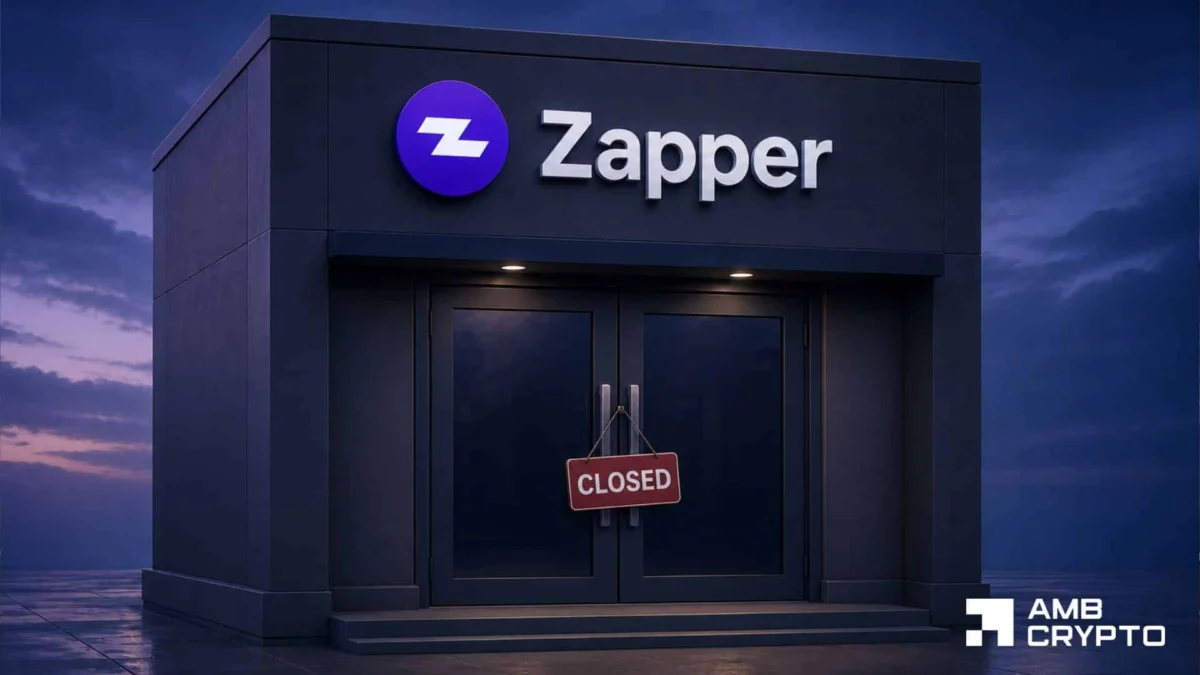
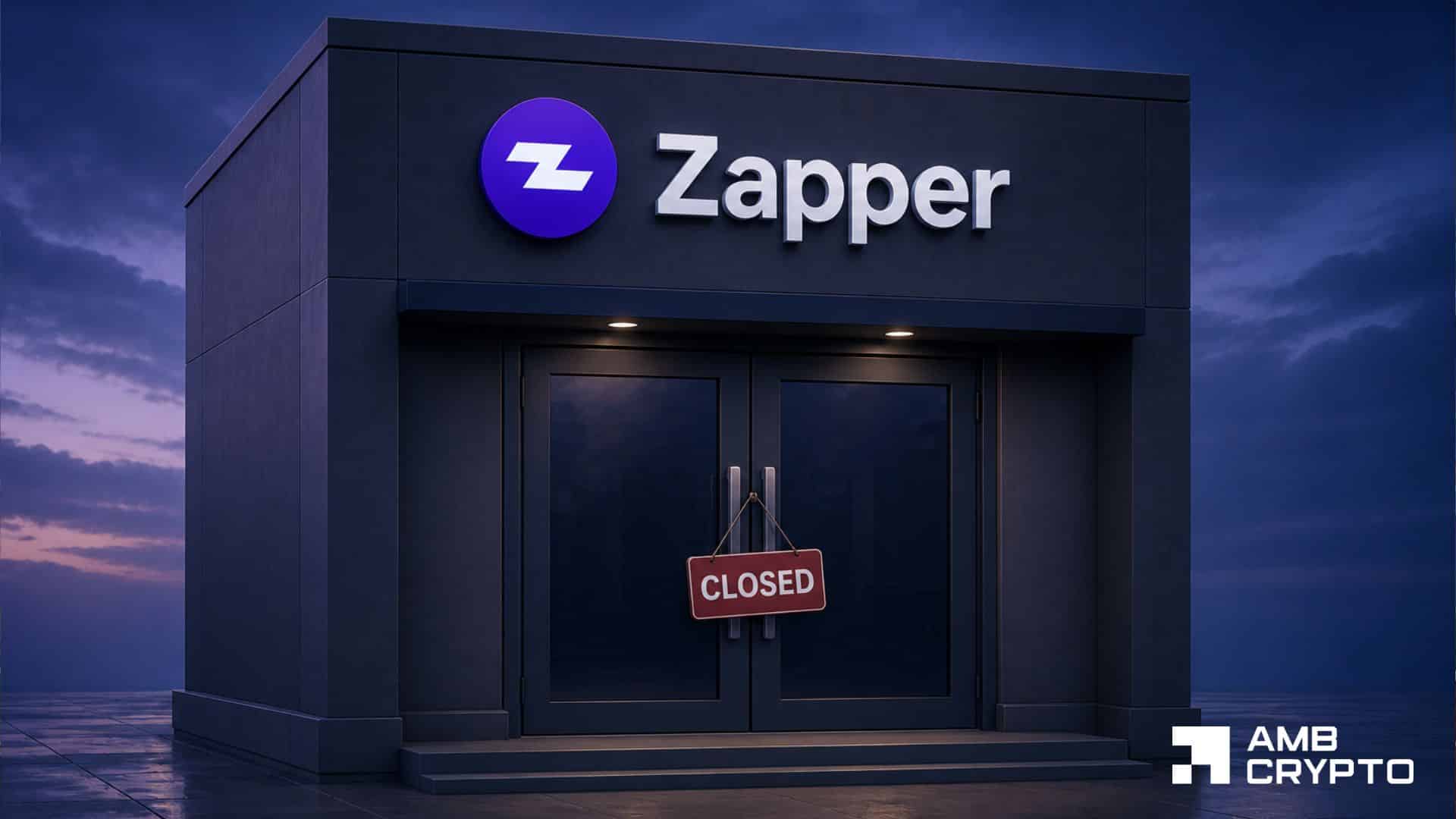
Zapper, a once-prominent decentralized finance (DeFi) asset management platform, has officially declared its impending shutdown on August 3rd, 2026, marking the conclusion of an almost seven-year operational journey. The platform, which at its peak boasted over 2 million monthly active users and facilitated more than $13 billion in transaction volume, ultimately succumbed to intense market competition and an inability to translate its significant user adoption into a sustainable business model. This closure underscores a critical inflection point for the DeFi sector, signaling a shift from a growth-at-all-costs mentality to a more demanding environment where long-term viability hinges on robust economic fundamentals.
The Rise of Zapper: Simplifying DeFi’s Complexity
Launched around 2019-2020, Zapper emerged during a nascent yet rapidly expanding period for decentralized finance. Its core mission was to demystify and streamline the often-complex world of DeFi for a broader audience. As a comprehensive dashboard and portfolio tracker, Zapper allowed users to visualize, manage, and interact with various DeFi protocols from a single interface. This included functionalities such as asset tracking across multiple blockchains, swapping tokens, bridging assets, and participating in yield farming strategies. By aggregating liquidity and providing an intuitive user experience, Zapper played a pivotal role in lowering the barrier to entry for many new DeFi participants, effectively making the nascent financial ecosystem more accessible.
The platform’s initial success was undeniable. Its ability to simplify intricate decentralized applications resonated deeply with users navigating the fragmented and often intimidating landscape of blockchain technology. The reported metric of over 2 million monthly active users at its zenith stands as a testament to its widespread adoption and utility. Furthermore, processing a staggering $13 billion in transaction volume at its peak not only highlighted its operational scale but also its critical function as a gateway for significant capital flows within the DeFi space. Zapper wasn’t just a tool; it was, for many, the primary interface through which they engaged with the promise of decentralized finance.
A Vision Unfulfilled: The Challenge of Monetization Amidst Competition
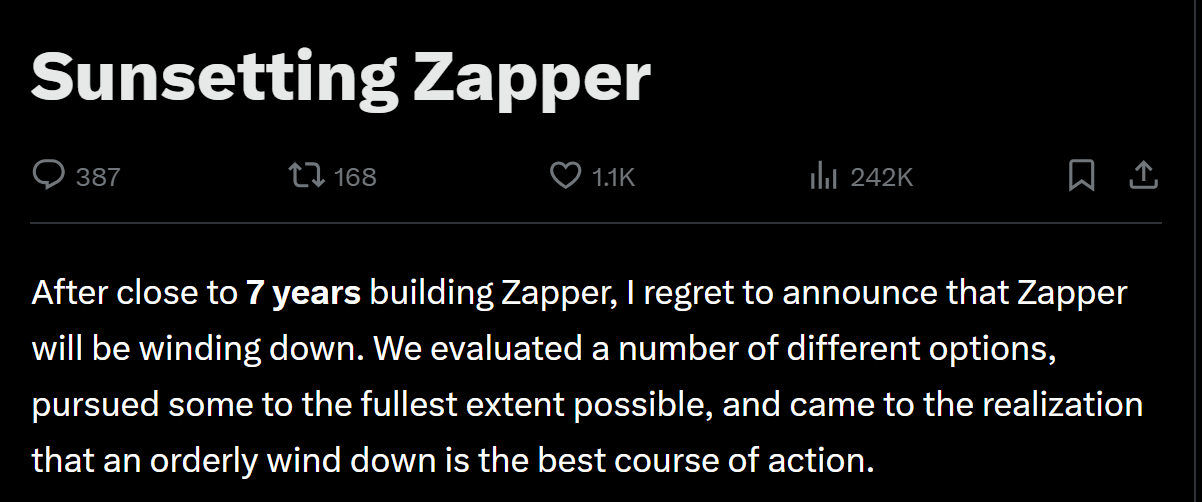
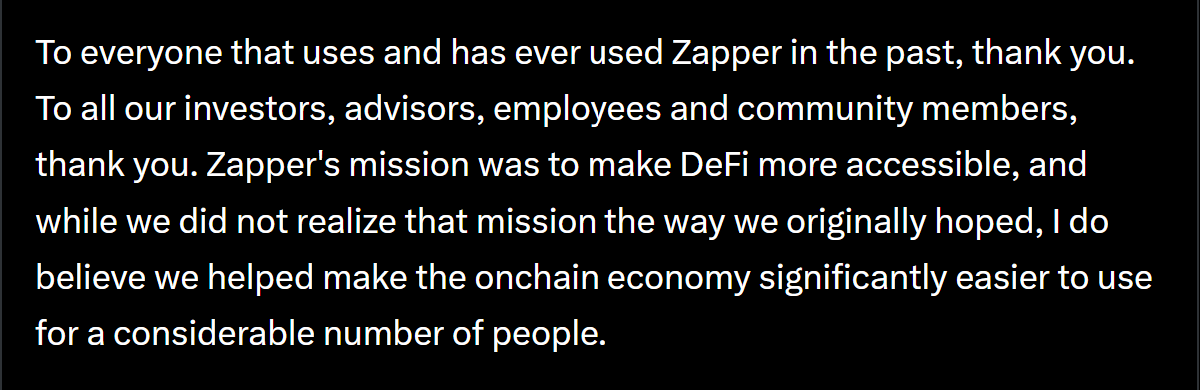
Despite its impressive user engagement and transaction volumes, Zapper’s journey illustrates a fundamental challenge confronting many DeFi infrastructure projects: the difficulty of converting user adoption into a sustainable and profitable business model. As Seb Audet, Co-Founder and CEO of Zapper, candidly acknowledged in a post on X, "Zapper’s mission was to make DeFi more accessible, and while we did not realize that mission the way we originally hoped…" This statement reflects a poignant recognition that while the platform succeeded in its user-centric goals, its economic engine ultimately faltered.
The primary culprit cited for Zapper’s downfall is intensified competition. The rapid growth of the DeFi sector spurred a proliferation of similar and often more specialized platforms. New aggregators emerged, native protocols improved their own user interfaces, and a host of tools began offering comparable services, often at lower costs or with niche advantages. This aggressive competitive landscape led to significant fee compression, where the margins on basic DeFi services, such as swaps and asset management, dwindled. As competitors vied for market share, the pressure to reduce or eliminate fees became immense, directly impacting Zapper’s revenue streams.
Simultaneously, the cost of maintaining and evolving a sophisticated DeFi infrastructure continued to rise. Supporting multiple blockchains, integrating new protocols, ensuring security, and continuously developing features to stay competitive all require substantial resources. This confluence of declining revenue and escalating operational expenses squeezed Zapper’s profit margins to an unsustainable degree, crippling its ability to operate effectively in the long term. The paradox became clear: while Zapper effectively onboarded millions to DeFi, it struggled to capture sufficient value from these interactions to sustain itself.
The Role of Venture Capital and Shifting Expectations
Zapper’s financial backing provides another layer of insight into its trajectory and the broader market dynamics. The company had successfully secured $15 million in funding from prominent venture capital firms, including Framework Ventures, Coinbase Ventures, and ParaFi Capital. This substantial investment was intended to fuel the expansion of its product offerings and accelerate user adoption, a common strategy in the tech and crypto startup ecosystem. For many years, the venture capital model in rapidly growing sectors like DeFi often prioritized "growth at all costs," with the expectation that market dominance would eventually lead to profitability.
However, Zapper’s eventual shutdown, despite significant VC funding, highlights a critical evolution in investor sentiment within DeFi. The narrative of "growth outpaced sustainable economics" points to a growing demand from investors for projects to demonstrate clear paths to profitability and robust business models, rather than relying solely on continuous capital injections. While Zapper successfully used its funding to build a widely adopted product, it was ultimately unable to counter the systemic pressures of fee compression and rising infrastructure costs. Investors, increasingly sophisticated in their understanding of the crypto market cycles and inherent risks, are now expecting projects to generate sustainable revenue and prove their economic viability rather than perpetually operating on venture capital lifelines. This trend indicates a larger shift where a strong product and user base are no longer sufficient; they must be underpinned by a sound financial strategy.
The Shutdown Process and User Transition
The final cessation of Zapper’s operations is scheduled for August 3rd, 2026. Recognizing its responsibility to its user base, the platform has committed to assisting its users in transitioning their assets and data off the platform prior to the shutdown date. While specific details of the transition plan were not fully elaborated in the initial announcement, such processes typically involve clear instructions for withdrawing funds, migrating portfolio tracking data, and providing support channels for users encountering difficulties. This commitment aims to minimize disruption and ensure users can securely move their digital assets held or managed through Zapper to other platforms or self-custody solutions. For users, the announcement serves as a critical reminder to actively manage their DeFi portfolios and be aware of the operational status of the platforms they utilize.
Broader Implications for the DeFi Ecosystem
Zapper’s closure is more than just the end of a single platform; it serves as a significant bellwether for the maturing DeFi industry.
-
Market Consolidation and Maturity: The event suggests that the DeFi space is entering a phase of consolidation. Early-stage projects that focused heavily on user acquisition without a clear monetization strategy may face similar fates. This maturity implies that only projects with strong economic foundations, clear competitive advantages, and adaptable business models will thrive in the long run. The "wild west" era of DeFi, characterized by rapid experimentation and less scrutiny on profitability, appears to be giving way to a more disciplined environment.
-
The Imperative for Sustainable Revenue Models: The core lesson from Zapper’s experience is the critical need for DeFi infrastructure projects to develop robust and diversified revenue streams. Relying solely on transaction fees in a highly competitive and often commoditized market is proving unsustainable. Future successful projects will likely explore premium features, B2B services, data analytics, licensing models, or other value-capture mechanisms that are less susceptible to direct fee compression.
-
Operational Efficiency and Cost Management: As infrastructure costs rise, disciplined spending and efficient resource allocation become paramount. DeFi projects must balance innovation and growth with prudent financial management. This includes optimizing blockchain interactions, smart contract gas usage, and general operational overheads to maintain healthy profit margins.
-
Redefining Competitive Advantage: In a crowded market, simply offering a service is not enough. Projects must cultivate unique value propositions, develop strong network effects, foster deep community loyalty, or build defensible technological moats to withstand competitive pressures. Zapper’s initial success was built on accessibility, but this advantage was eventually eroded as the market caught up.
-
Shifting Investor Landscape: Venture capitalists and other investors in the DeFi space are likely to become even more discerning. The emphasis will increasingly shift from solely evaluating user growth metrics to scrutinizing detailed financial projections, long-term monetization strategies, and the ability of teams to execute on sustainable business plans. This could lead to a more cautious investment climate for projects lacking clear paths to profitability.
Lessons for Future DeFi Innovators
The Zapper shutdown offers invaluable lessons for both current and aspiring participants in the DeFi ecosystem. For innovators, it underscores the importance of building with sustainable economics in mind from day one, rather than deferring monetization strategies. Diversifying income streams, understanding the true cost of decentralized infrastructure, and cultivating a distinct competitive edge will be crucial for survival. For users, it highlights the inherent risks in the fast-paced crypto world and the necessity of due diligence, active portfolio management, and understanding the longevity of the platforms they entrust with their assets.
In conclusion, Zapper’s departure from the DeFi landscape, while regrettable for its founders and users, marks a significant turning point. It serves as a stark reminder that even with substantial user adoption and strong financial backing, the fundamental principles of sustainable business economics cannot be overlooked. The DeFi industry is undoubtedly resilient and innovative, but Zapper’s story heralds an era where enduring success will increasingly demand not just groundbreaking technology and enthusiastic communities, but also a clear and viable path to long-term financial health. The future of decentralized finance will be shaped by projects that can navigate this complex interplay of innovation, adoption, and economic sustainability.