In a cryptocurrency landscape currently buoyed by significant price surges in Bitcoin (BTC) and Ethereum (ETH), the non-fungible token (NFT) market is experiencing a pronounced downturn, marked by a considerable decline in popularity and trading volumes. NFTs, which represent unique digital assets such as art, collectibles, and virtual real estate recorded on a blockchain, have seen their mainstream appeal wane considerably. This shift in investor sentiment and market dynamics is underscored by a sharp decrease in search interest and a substantial drop in sales figures, painting a picture of a market undergoing a significant correction.
According to a recent report from Bloomberg, searches for "NFT" on Google have plummeted to their lowest point since 2021, the year when these digital tokens first captured widespread public imagination and saw an unprecedented surge in value and adoption. This decline in search volume is a strong indicator of waning public interest and a potential reduction in speculative activity surrounding NFTs. The broader cryptocurrency market, while witnessing impressive gains in its foundational assets, seems to be leaving the NFT sector in a state of relative stagnation.
A Steep Decline in Popular NFT Collections and Sales Figures
The struggles of the NFT market are further evidenced by a significant drop in overall sales. Data compiled by researcher DappRadar reveals a concerning trend: NFT sales have decreased by over six percent in the first five months of 2024 compared to the same period in the previous year, totaling approximately $8.5 billion. This figure stands in stark contrast to the market’s zenith in January 2022, when a staggering $17.2 billion in NFT sales were recorded within a single month, highlighting the dramatic contraction the market has undergone.
This downturn in the NFT space appears to have been exacerbated by recent developments in the broader crypto market, particularly the anticipated approval of spot Ethereum Exchange-Traded Funds (ETFs) by the U.S. Securities and Exchange Commission (SEC). The prospect of these ETFs, which would offer investors a regulated and accessible way to gain exposure to Ethereum’s price movements, reportedly prompted a reallocation of capital. Many investors are believed to have shifted their investments from NFTs into ETH in anticipation of these ETFs, leading to a direct impact on NFT valuations.
Nicolas Lallement, co-founder of NFT data tracker NFT Price Floor, explained this phenomenon as a common occurrence in the volatile cryptocurrency markets. He noted that capital rotation is a natural part of the ecosystem, with Ethereum often serving as a primary hub for absorbing and channeling market capital. Consequently, when capital flows towards ETH, other assets like NFTs tend to experience price depreciation.
The impact of this capital rotation and shifting sentiment is palpable across major NFT collections. Reports from NFT Price Floor indicate that prices for many prominent NFT collections have fallen between 40% and 50% year-to-date. CryptoPunks, a pioneering collection minted on the Ethereum blockchain, is now trading at levels reminiscent of 2021, having experienced a 29% drop from its previous yearly low. Similarly, highly sought-after collections such as the Bored Ape Yacht Club (BAYC) and Chromie Squiggle have seen their "price floors"—the lowest listed price for an NFT within a collection—halve compared to their previous lowest points. This widespread decline across blue-chip NFT projects signals a significant market correction and a departure from the speculative frenzy of previous years.
Market Correction and Shifting Investor Priorities
The current market environment suggests that the NFT sector is undergoing a period of recalibration after years of rapid growth and intense speculation. Daniel Maegaard, a prominent NFT collector, corroborated this sentiment, observing that the majority of NFT collections have either continued their downward trajectory or remained stagnant following the peak euphoria experienced in 2021. Maegaard himself has recently divested from several high-value NFTs, including works by renowned digital artists such as XCOPY, Hackatao, and Coldie.
While certain niche segments of the NFT art market, like some of XCOPY’s collections, have demonstrated resilience and even posted positive returns over the past 90 days, Lallement emphasized that the overarching trend points towards a broader market correction. This correction is characterized by a reassessment of NFT valuations and a more discerning approach from investors who are now scrutinizing the intrinsic value and long-term utility of these digital assets.
The narrative surrounding NFTs has also been influenced by broader technological and regulatory developments within the cryptocurrency space. The increasing institutional interest in digital assets, coupled with the development of more robust blockchain infrastructure, has created a more complex investment landscape. As investors navigate these evolving dynamics, their focus has naturally shifted towards assets with clearer regulatory pathways and more immediate utility, such as Ethereum, especially with the impending launch of ETH ETFs.

Resilience Amidst the Downturn: Magic Eden’s Performance
Despite the prevailing bearish sentiment in the broader NFT market, some platforms have managed to demonstrate notable resilience. The NFT marketplace, Magic Eden, has reportedly been gaining market share, with an observed increase in trading activity on its platform. According to Sara Gherghelas, an analyst at DappRadar, Magic Eden experienced a record volume in April, although trading activity has seen a subsequent decrease. This indicates that while the overall market may be contracting, specific platforms with strong user bases and innovative features can still attract and retain trading volume.
The success of platforms like Magic Eden may be attributed to their focus on specific niches within the NFT ecosystem, such as gaming NFTs or a more curated selection of art, or their efforts to offer competitive transaction fees and user-friendly interfaces. However, even these pockets of strength are operating within the context of a broader market contraction, suggesting that any resurgence in NFT popularity will likely be a gradual process, driven by renewed innovation and a clear demonstration of value beyond speculative trading.
Broader Implications and the Road Ahead
The current state of the NFT market signifies a crucial juncture. The initial hype and speculative fervor have subsided, paving the way for a more mature and sustainable market. Investors are now seeking NFTs with demonstrable utility, strong community backing, and intrinsic artistic or collectible value. The decline in speculative trading also presents an opportunity for genuine collectors and creators to acquire assets at more reasonable valuations.
The performance of Ethereum, the primary blockchain for many high-value NFT collections, is intrinsically linked to the fate of the NFT market. At the time of this report, ETH was trading at approximately $3,480, mirroring Bitcoin’s trajectory with a significant 5% drop in the past 24 hours and an over 8% decline over the preceding seven days. This broader market weakness for major cryptocurrencies further exacerbates the challenges faced by the NFT sector.
The future of the NFT market hinges on its ability to evolve beyond its initial speculative phase. Key factors that will likely shape its trajectory include:
- Development of Real-World Utility: The integration of NFTs into real-world applications, such as ticketing, loyalty programs, digital identity, and supply chain management, could provide a strong foundation for sustained growth.
- Technological Advancements: Scalability solutions, improved interoperability between different blockchains, and enhanced security features will be crucial for broader adoption.
- Regulatory Clarity: As the regulatory landscape for digital assets continues to take shape, clear guidelines will be essential for fostering investor confidence and institutional participation.
- Focus on Community and Creator Economy: Projects that foster strong communities and empower creators with sustainable revenue models are more likely to thrive in the long term.
In conclusion, the non-fungible token market is currently navigating a significant period of correction, characterized by declining popularity, reduced sales, and shifting investor priorities towards more established cryptocurrencies like Ethereum, particularly in light of forthcoming ETF approvals. While the NFT market has undoubtedly experienced a downturn, the underlying technology and its potential for innovation remain. The coming months and years will be critical in determining whether the NFT market can reinvent itself, moving beyond speculative trading to establish a more robust and utility-driven ecosystem. The current environment, while challenging, may ultimately serve as a necessary cleansing process, allowing for the emergence of more sustainable and valuable applications of NFT technology.
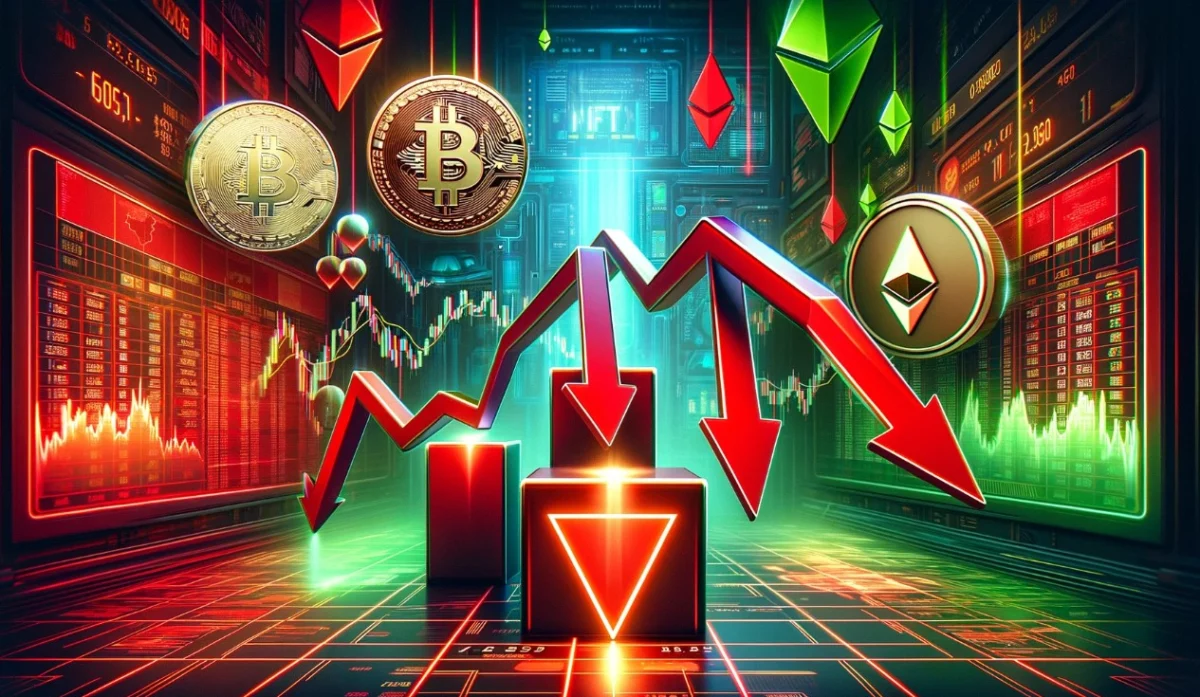
Featured image from DALL-E, chart from TradingView.com