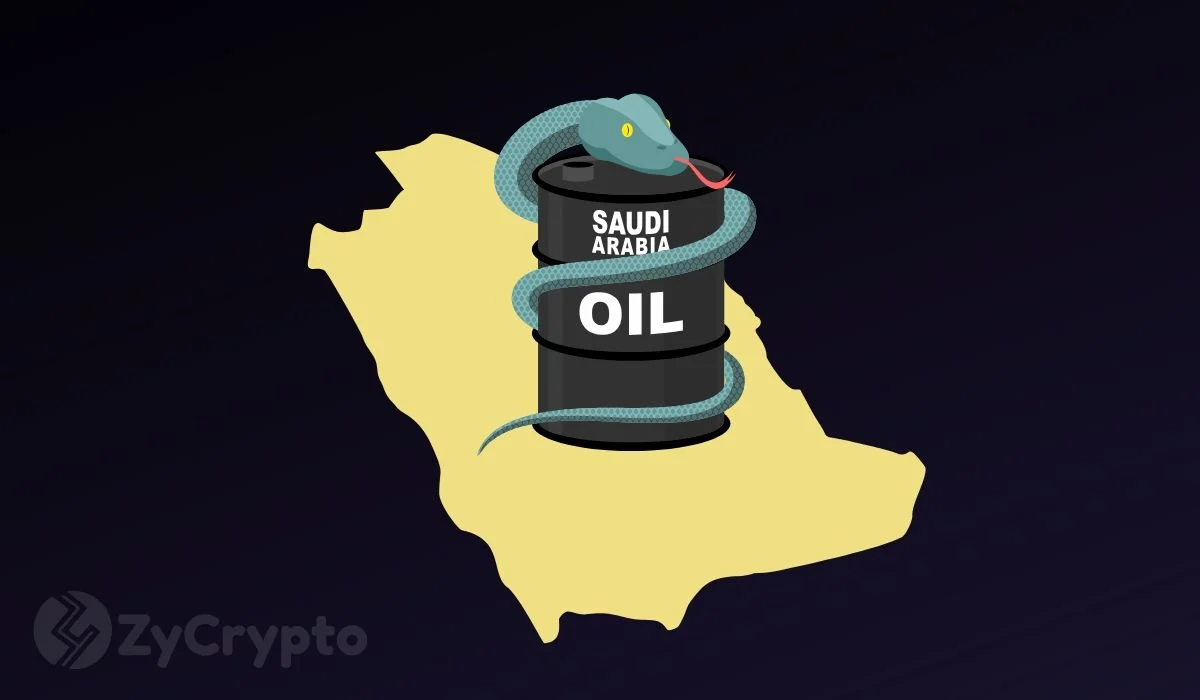
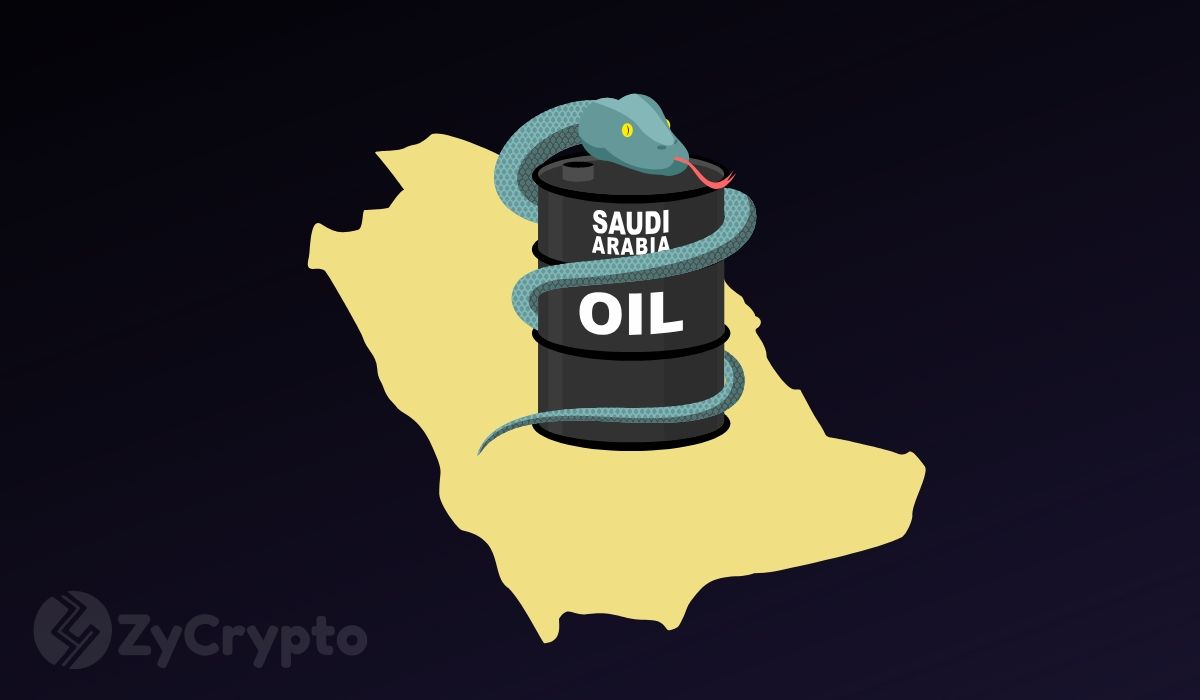
Saudi Arabia is making a significant stride into the digital future, a move that could redefine its economic landscape beyond its traditional reliance on oil. The Saudi Arabian Monetary Authority (SAMA), the Kingdom’s central bank, announced on June 5, 2020, the successful deployment of blockchain technology within its financial system. This landmark decision positions Saudi Arabia at the forefront of digital innovation in the Middle East, signaling a strategic pivot towards a more diversified and technologically advanced economy.
A Strategic Pivot in the Face of Shifting Global Dynamics
The Middle East has long been synonymous with its vast oil reserves and the global economic influence wielded through the petrodollar system. However, the international financial arena is undergoing a significant transformation, with the petrodollar’s sway gradually diminishing. This shift necessitates that oil-producing economies, including Saudi Arabia, proactively seek new avenues for growth and economic resilience. The Kingdom’s ambitious Vision 2030, spearheaded by Crown Prince Mohammed bin Salman, aims to achieve this diversification, but the recent global pandemic has presented unforeseen challenges.
The COVID-19 pandemic exacerbated existing economic pressures, including a significant downturn in oil prices. Saudi Arabia, like many nations, faced the dual challenge of managing a global health crisis and its economic fallout. A report published by KPMG in April 2020, titled "Economic Implications of COVID-19 on Saudi Arabia," underscored the profound impact of the oil price crash on the Saudi Arabian economy. The report detailed the government’s proactive measures, including the creation of financial support packages and palliatives designed to directly stimulate the economy and mitigate the adverse effects of the crisis. In this context, the adoption of blockchain technology emerges not merely as an innovation, but as a strategic imperative, aligning with the government’s commitment to economic stimulus and long-term stability.
The Multifaceted Advantages of Blockchain Technology
The decision by SAMA to integrate blockchain technology into its financial ecosystem is underpinned by the inherent advantages that this distributed ledger technology offers. Blockchain is characterized by its low-cost operational model, enhanced transparency, robust security features, and its inherent anti-inflationary properties. These attributes make it an attractive solution for modernizing financial infrastructure and fostering greater efficiency and trust.
In the realm of finance, blockchain can streamline processes, reduce intermediaries, and accelerate transaction speeds, thereby lowering operational costs for financial institutions and consumers alike. The transparency inherent in blockchain systems allows for greater auditability and accountability, which can help combat fraud and improve regulatory oversight. Furthermore, the cryptographic security measures embedded in blockchain technology make it highly resistant to tampering and unauthorized access, bolstering the integrity of financial data.
The anti-inflationary aspect of blockchain, particularly relevant in the context of digital currencies and decentralized finance, can offer a degree of stability that traditional fiat currencies may struggle to maintain in volatile economic conditions. For Saudi Arabia, embracing these advantages can pave the way for a more efficient, secure, and resilient financial system, capable of supporting a broader range of economic activities and attracting new forms of investment.
A First-of-its-Kind Deployment in the Middle East: Enhancing Credit Provision
The specific application of blockchain technology by SAMA focuses on enhancing credit provision. This model, reportedly the first of its kind in the Middle East, represents a significant leap forward in how financial services are delivered. By leveraging blockchain, SAMA aims to create a more efficient and accessible credit market. This could involve a range of innovations, such as:
- Streamlined Loan Origination: Automating and digitizing the loan application and approval process, reducing paperwork and manual intervention.
- Improved Credit Scoring: Utilizing blockchain to securely store and share verified credit history data, potentially leading to more accurate and inclusive credit assessments.
- Reduced Default Rates: Enhanced transparency and traceability of financial transactions could help mitigate risks associated with lending.
- Increased Access to Finance: By simplifying processes and potentially lowering costs, blockchain can make credit more accessible to small and medium-sized enterprises (SMEs) and individuals who may have previously faced barriers.
- Facilitating Trade Finance: Blockchain can revolutionize trade finance by creating a secure and transparent platform for managing letters of credit, bills of lading, and other trade-related documentation, thereby boosting international trade for Saudi businesses.
The successful implementation of such a system could have a ripple effect across the entire financial sector, encouraging other institutions and businesses to adopt similar technologies. This proactive approach to financial innovation positions Saudi Arabia as a regional leader, capable of setting new standards for digital finance.
The Road to a Central Bank Digital Currency (CBDC)
SAMA’s deployment of blockchain technology in credit provision is widely seen as a crucial precursor to the potential implementation of a Central Bank Digital Currency (CBDC). A CBDC is a digital form of a country’s fiat currency that is issued and backed by the central bank. The adoption of blockchain infrastructure lays the groundwork for such a sophisticated digital currency system.
The benefits of a CBDC are manifold and could further solidify Saudi Arabia’s leadership in the region:
- Enhanced Monetary Policy Transmission: A CBDC could provide central banks with more direct and efficient tools for implementing monetary policy.
- Increased Financial Inclusion: A digital currency accessible via mobile devices could bring unbanked and underbanked populations into the formal financial system.
- Improved Payment Systems: CBDCs can facilitate faster, cheaper, and more secure domestic and cross-border payments.
- Reduced Costs of Cash Management: The need for printing, distributing, and managing physical currency could be significantly reduced.
- Combating Illicit Activities: The traceable nature of a CBDC could aid in efforts to combat money laundering and other financial crimes.
The development and potential launch of a Saudi CBDC would represent a significant technological and economic advancement, placing the Kingdom at the cutting edge of global financial innovation. This move would not only enhance domestic economic efficiency but also influence regional and international financial flows.
A Watershed Moment for Saudi Arabia’s Economic Future
The integration of blockchain technology by SAMA is more than just a technological upgrade; it signifies a fundamental shift in Saudi Arabia’s economic strategy. It reflects a forward-thinking approach to economic diversification, moving beyond the traditional reliance on oil to embrace the opportunities presented by the digital revolution.
The success of this initiative could pave the way for Saudi Arabia to become an undisputed leader in blockchain adoption within the Middle East. This leadership could extend beyond financial services, impacting sectors such as supply chain management, smart contracts, digital identity, and even government services. The Kingdom’s commitment to innovation and its willingness to invest in cutting-edge technologies position it favorably to attract global talent and investment in the burgeoning blockchain and digital asset space.
This bold step by SAMA underscores the broader ambitions of Saudi Arabia to transform its economy, foster innovation, and build a sustainable future that is less susceptible to the volatility of global commodity markets. As the world continues to embrace digital transformation, Saudi Arabia appears determined to be at the vanguard, leveraging technology to secure its economic prosperity and influence in the 21st century. The coming years will likely witness further developments as Saudi Arabia solidifies its position as a regional powerhouse in blockchain and digital finance.