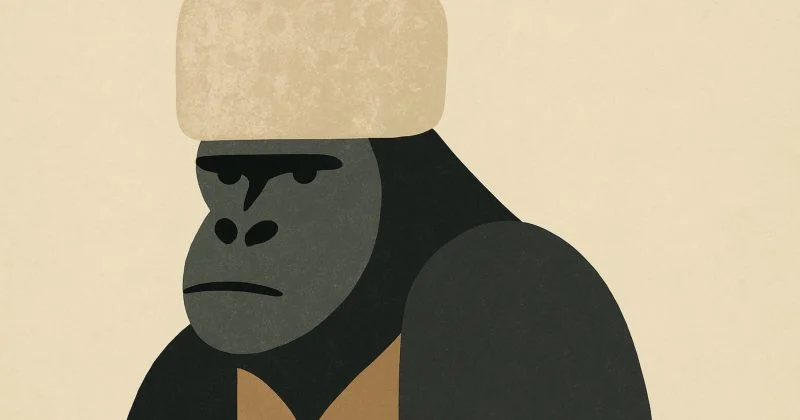
The long-standing animosity between mixed martial arts icons Conor McGregor and Khabib Nurmagomedov has transcended the octagon, evolving into a high-stakes conflict involving digital assets, cultural heritage, and accusations of financial impropriety. The recent friction centers on a series of non-fungible tokens (NFTs) released by Nurmagomedov, which feature the traditional Dagestani papakha hat—a signature symbol synonymous with the retired champion’s public persona. What began as a venture into the Web3 space has spiraled into a public relations battle, with McGregor accusing his former opponent of exploiting cultural symbols to orchestrate a "rug pull" on his fanbase.
The Genesis of the Digital Dispute
The controversy erupted following the release of a collection of digital assets marketed as the "Papakha NFT" series. The collection, which aimed to monetize the cultural significance of the traditional wool hat Nurmagomedov wore during his championship reign in the Ultimate Fighting Championship (UFC), was met with significant initial fanfare. According to various reports circulating on social media, the collection generated approximately $4.4 million in sales shortly after launch.
However, the sentiment quickly soured when observers noted that Nurmagomedov had deleted the promotional content associated with the NFT drop from his social media channels. This move, standard in some marketing cycles but highly suspicious in the volatile world of cryptocurrency, served as the catalyst for McGregor’s intervention. McGregor, known for his combative social media presence, wasted no time in labeling the project a "scam."
The crux of McGregor’s argument is twofold: he contends that the project utilized the legacy of Nurmagomedov’s late father, Abdulmanap Nurmagomedov, to provide a veneer of legitimacy to an otherwise predatory financial scheme, and he alleges that the subsequent deletion of promotional materials was an attempt to distance the former champion from the project once the capital had been secured.
Chronology of the Conflict
To understand the intensity of this latest flare-up, one must view it through the lens of a rivalry that has spanned nearly a decade.
- October 2018: The two fighters met at UFC 229 in Las Vegas. The event, which became the highest-selling pay-per-view in UFC history, ended in a submission victory for Nurmagomedov, followed by a post-fight brawl that led to suspensions and fines for both athletes.
- 2020–2021: Following the death of Abdulmanap Nurmagomedov, the rivalry saw periods of temporary silence, though both men continued to exchange barbs via media interviews and social media platforms.
- Early 2024: Nurmagomedov’s team announced the development of a digital ecosystem centered on Dagestani heritage, which eventually led to the Papakha NFT release.
- Mid-2024: Following the NFT sale, the sudden removal of promotional content triggered a wave of criticism from the MMA community, providing the opening for McGregor to launch his public accusations.
Supporting Data and Market Context
The NFT market has faced significant headwinds since its peak in 2021. According to data from industry analytics firms such as DappRadar and CryptoSlam, the valuation of sports-related NFTs has seen a precipitous decline, with many "celebrity-backed" projects failing to maintain long-term value for investors.
The accusations directed at Nurmagomedov mirror a broader trend of regulatory scrutiny regarding celebrity endorsements in the crypto space. The U.S. Securities and Exchange Commission (SEC) and other international bodies have increasingly targeted high-profile figures who promote digital assets without sufficient disclosure of the risks or the long-term utility of the assets involved. While the "Papakha" tokens were marketed as digital collectibles, the $4.4 million figure cited by critics suggests a commercial scale that demands a high level of transparency—a standard that many NFT projects, regardless of the celebrity behind them, have struggled to meet.
Official Responses and Counter-Narratives
In response to the mounting pressure and McGregor’s vocal criticisms, Nurmagomedov issued a firm rebuttal. He dismissed the accusations as the desperate ramblings of a bitter rival who has been unable to move past their 2018 encounter.
"The digital assets were legitimate offerings," a spokesperson for the Nurmagomedov camp indicated in a statement provided to various outlets. "They were created to celebrate a tradition and provide fans with a digital keepsake. To characterize these as anything other than a voluntary purchase of a digital gift is a gross misrepresentation."
Nurmagomedov himself addressed the allegations, labeling McGregor an "absolute liar." He maintains that the deletion of posts was part of a planned marketing cycle and not an attempt to evade accountability. From his perspective, the project remains a legitimate venture, and the subsequent backlash is a calculated effort by McGregor to remain relevant by leveraging the "Khabib vs. McGregor" narrative, which continues to drive high engagement on social media.
McGregor’s Own Crypto Track Record
It is worth noting that McGregor is not an outsider to the complexities of the cryptocurrency market. The former two-division champion has his own history with digital ventures, most notably his involvement with the Real World Gaming DAO and the launch of the "REAL" meme token.
That project, which sought to bridge the gap between speculative meme coins and transparent, utility-driven decentralized finance, faced its own set of challenges. The presale of the token failed to reach the predetermined funding targets, leading to a decision by the development team to issue full refunds to all participants. While McGregor’s camp pointed to the successful refund process as evidence of integrity, critics at the time noted that the failure to launch highlighted the inherent instability of celebrity-led crypto projects. This past experience provides a backdrop to his current attacks, as both men are now navigating a landscape where their reputations are as much tied to their business acumen as their athletic prowess.
Implications for Sports Marketing and Digital Assets
The clash between McGregor and Nurmagomedov serves as a cautionary tale for the intersection of professional sports and the digital asset economy. Several key implications arise from this situation:
- Reputational Risk: For elite athletes, the transition from physical competition to digital entrepreneurship carries significant risks. When a project is perceived as a "scam," the damage to an athlete’s personal brand can be permanent, potentially impacting future endorsements and commercial partnerships.
- Cultural Appropriation and Monetization: The use of ethnic or cultural symbols—such as the Dagestani papakha—in digital formats creates a complex debate regarding ownership and ethics. When these symbols are monetized through unregulated digital assets, the potential for public backlash increases, particularly when the community associated with the symbol feels their heritage is being exploited for profit.
- The "Influencer" Burden: As athletes increasingly function as influencers, they are subject to higher standards of transparency. The "delete-and-move-on" strategy, common in early social media marketing, is no longer viable in the context of financial transactions involving thousands of stakeholders.
- Fan Protection: The incident underscores the vulnerability of fans who participate in celebrity-backed ventures. Without a clear regulatory framework governing NFT launches, fans are often left with little recourse if a project fails to deliver on its promised value or if the creators abandon the project prematurely.
Conclusion
The current dispute between Conor McGregor and Khabib Nurmagomedov is far more than a rehashing of old grudges; it is a symptom of the changing relationship between sports icons and their digital footprint. As the legal and ethical boundaries of the NFT market continue to be defined, the actions of high-profile figures will inevitably face greater scrutiny.
Whether the Papakha NFT project constitutes a legitimate celebration of heritage or a predatory financial exercise remains a matter of intense debate among fans and industry analysts alike. What is clear, however, is that the rivalry between these two athletes has shifted from the canvas of the octagon to the decentralized ledger of the blockchain, where the stakes are measured in both public reputation and financial loss. As the digital economy matures, both McGregor and Nurmagomedov—along with the rest of the sporting world—will likely find that the lessons learned from this incident will dictate the viability of their future commercial endeavors. For now, the "Notorious" one and the "Eagle" remain locked in a digital stalemate, with the final word on the matter likely to be written by the investors who bought into the dream—or the scam—of the Papakha.