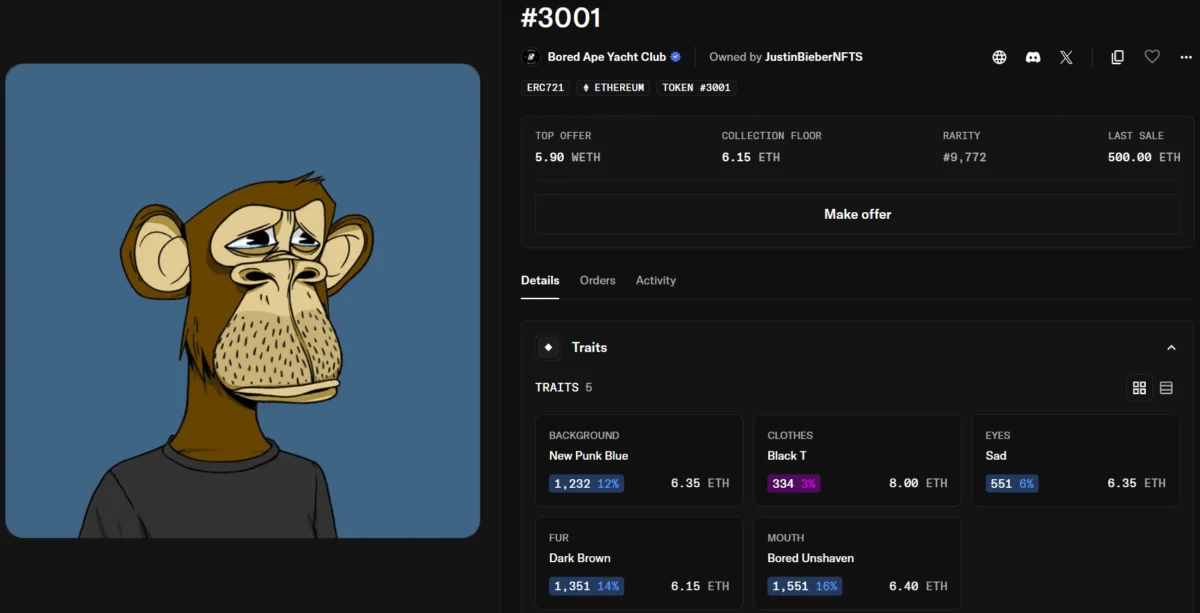
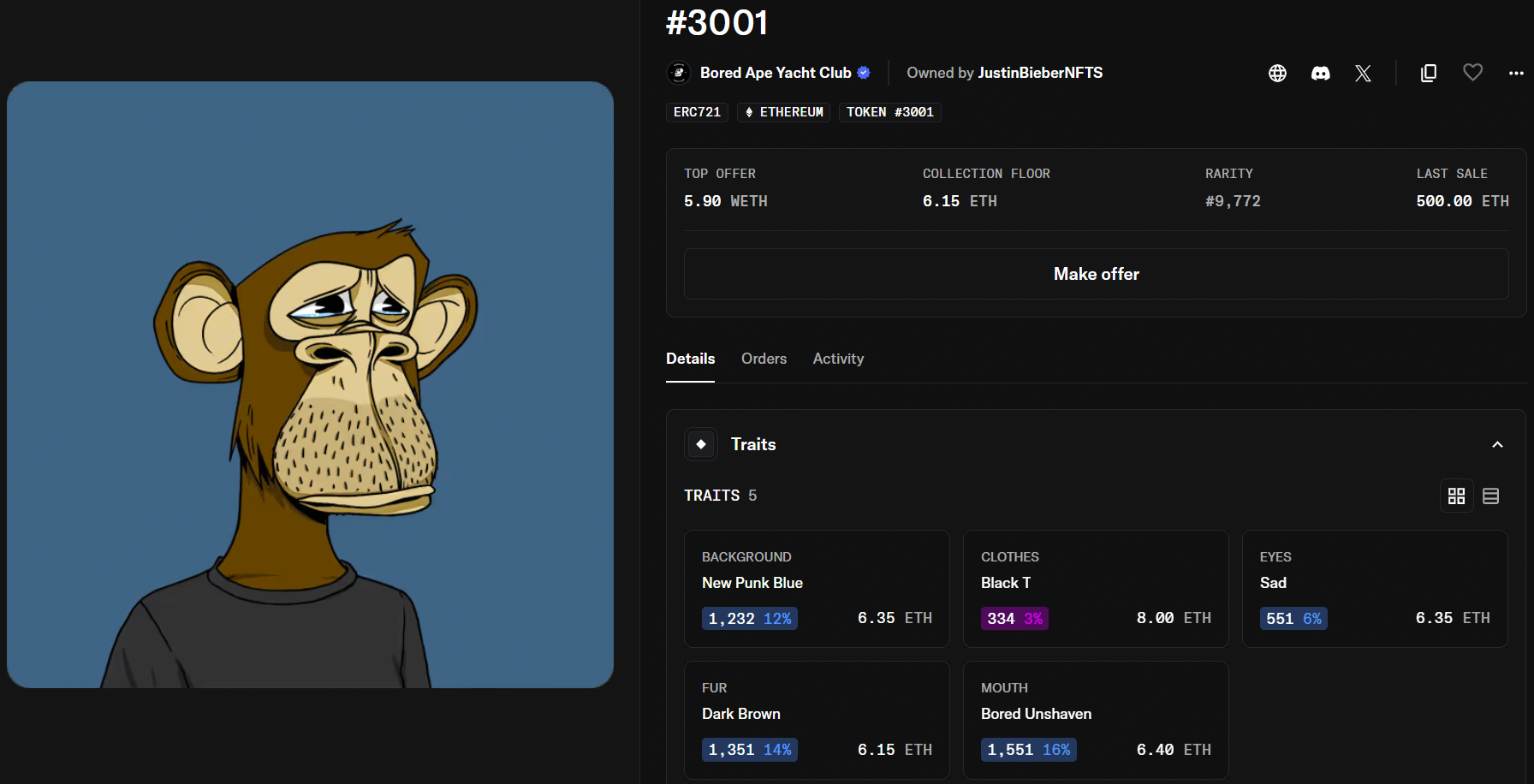
The speculative fervor that once propelled digital collectibles into the stratosphere has delivered a stark reality check for even the most prominent celebrity investors, with global pop sensation Justin Bieber’s highly publicized acquisition of a Bored Ape Yacht Club (BAYC) NFT serving as a prime example. His Bored Ape, identified as #3001, initially purchased for an eye-watering 500 Ether (ETH) in early 2022, has experienced a dramatic devaluation, now estimated to be worth approximately $12,000. This represents a devastating near-total wipeout of his initial investment, which at the time of purchase translated to a staggering $1.3 million.
The precipitous decline underscores the volatile nature of the Non-Fungible Token (NFT) market, particularly during its peak speculative phase. Bieber, who has cultivated one of the most recognizable celebrity NFT portfolios, acquired Bored Ape #3001 at a moment when enthusiasm for the burgeoning digital asset class was at its absolute zenith. This period, often referred to as the "NFT boom," saw unprecedented levels of investment and media attention surrounding unique digital tokens.
A Peak Purchase in a Hype-Driven Market
Analysis from the time of Bieber’s acquisition highlighted that he paid a significant premium, even by the inflated standards of early 2022. Comparable assets within the prestigious Bored Ape Yacht Club collection were trading in a range of $200,000 to $300,000. Bieber’s decision to acquire #3001 for 500 ETH, therefore, signaled a strong conviction, or perhaps a willingness to pay for exclusivity and prominence within the community, at a time when the perceived value of such digital assets was soaring.
The current valuation of Bored Ape #3001 paints a starkly different picture. With the highest bid on the open market hovering around 5.9 ETH and the collection’s "floor price" – the minimum price for any NFT within the collection – standing near 6.15 ETH, the economic reality for holders has shifted dramatically. When factoring in Ethereum’s trading price of approximately $2,000, investors who entered the market during the 2022 rally are now confronting substantial losses, with many seeing their digital assets devalued by over 99% from their peak market capitalization.
The Rise and Fall of Bored Ape Yacht Club
The Bored Ape Yacht Club, a collection of 10,000 unique generative art pieces created by the blockchain technology company Yuga Labs, debuted in April 2021. Its initial mint price was a modest 0.08 ETH, and the collection sold out within a mere half a day, signaling strong early demand. However, its trajectory in the subsequent year was nothing short of meteoric.
By May 2022, the floor price of a Bored Ape NFT had surged to extraordinary heights, reaching between 128 and 145 ETH. At the prevailing exchange rates of that period, this translated to a valuation of roughly $350,000 to $420,000 per NFT. This period represented the apex of the BAYC phenomenon, with the collection becoming a symbol of digital ownership and status within the crypto and celebrity circles.
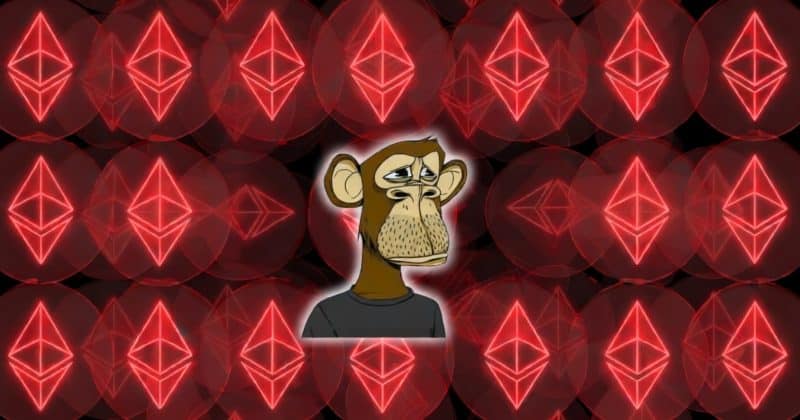
Justin Bieber’s engagement with the BAYC extended beyond his initial high-profile purchase. Shortly after acquiring Bored Ape #3001, he also purchased another NFT from the series, ape #3850, for approximately $470,000. This dual investment further cemented his position as a significant collector within the BAYC ecosystem.
The Speculative Bubble Bursts: A Market Correction
The dramatic downturn in the value of Bieber’s NFT is intrinsically linked to the broader market correction that began to take hold in late 2022 and continued into 2023. The speculative bubble that had inflated NFT prices began to deflate as macroeconomic factors, including rising interest rates and a general flight from riskier assets, took hold. This led to a sharp contraction in NFT trading volumes and a significant drop in floor prices across most collections, including the once-unassailable Bored Ape Yacht Club.
While the speculative frenzy has subsided, the NFT sector has not vanished. Instead, a discernible shift has occurred, with a move away from purely speculative assets towards NFTs with tangible utility. Developers and projects are increasingly focusing on integrating NFTs into real-world applications and digital ecosystems. This includes their use as in-game assets in play-to-earn games, as access passes to exclusive communities or events, as tools for digital identity verification, and for the tokenization of physical assets.
Shifting Landscape of Blockchain Platforms
The underlying blockchain infrastructure supporting NFTs has also evolved. While Ethereum has historically remained the dominant platform for high-value NFT transactions due to its established network and robust security, other blockchains have gained significant traction. Solana and Polygon, for instance, have emerged as popular alternatives, largely due to their lower transaction fees and enhanced scalability. These platforms offer a more accessible entry point for creators and collectors alike, particularly for those engaging in high-frequency trading or dealing with NFTs that do not command the premium prices seen in the early days of the BAYC boom.
Data and Market Trends: A Broader Perspective
To contextualize the decline of Bieber’s NFT, examining broader market data provides valuable insight. The peak of the NFT market, as indicated by various indices and sales data, occurred in late 2021 and early 2022. For example, data from NonFungible.com, a leading NFT analytics platform, showed all-time high monthly sales volumes in the hundreds of billions of dollars during this period. By late 2023 and early 2024, these volumes had contracted significantly, often by over 90% from their peak.
The Bored Ape Yacht Club, while still a prominent collection, has seen its floor price fluctuate considerably. While it has not returned to its initial mint price, it has experienced a sustained decline from its all-time highs. The current floor price of approximately 6 ETH represents a substantial drop from the peak of 145 ETH. This decline is not unique to BAYC; many other high-profile NFT collections have undergone similar revaluations.
The narrative surrounding celebrity involvement in the NFT space has also shifted. Initially, celebrity endorsements and acquisitions were seen as powerful drivers of market adoption and value. However, as the market matured and experienced its correction, the impact of celebrity involvement became more nuanced. While still capable of drawing attention, the sustainability of NFT value is now more closely tied to the underlying utility, community engagement, and long-term vision of the project rather than solely celebrity endorsement.
Potential Reactions and Future Outlook
While official statements from Justin Bieber or his representatives regarding the valuation of his NFTs are not publicly available, the significant depreciation of his assets likely reflects a broader sentiment among celebrity investors. Many who participated in the market at its peak may be reassessing their portfolios and the long-term viability of their digital asset holdings.
The current state of the NFT market suggests a maturation process is underway. The days of purely speculative, hype-driven acquisitions may be behind us, at least for the foreseeable future. The focus has shifted towards building sustainable ecosystems, fostering genuine utility, and creating tangible value for NFT holders.
For collectors like Justin Bieber, the experience with Bored Ape #3001 serves as a potent reminder of the inherent risks associated with nascent and highly speculative markets. The near-total loss of his initial investment, while substantial, also highlights the dynamic nature of digital assets and the importance of thorough due diligence and risk management, even for those with considerable financial resources.
The long-term implications of this market correction are significant. It has forced a recalibration of expectations and has spurred innovation towards more practical applications of NFT technology. While the allure of quick profits may have diminished, the underlying technology and its potential for revolutionizing ownership, access, and digital interaction remain. The future of NFTs will likely be defined by projects that can demonstrably deliver value beyond speculative hype, a lesson that the dramatic devaluation of Justin Bieber’s Bored Ape NFT starkly illustrates.
This period of correction, while painful for many investors, may ultimately lead to a more robust and sustainable NFT ecosystem, one grounded in utility and long-term value rather than fleeting speculative trends. The journey of Justin Bieber’s Bored Ape #3001 from a $1.3 million symbol of digital wealth to a $12,000 testament to market volatility is a story that will likely be recounted as a pivotal moment in the evolution of the NFT landscape.
Disclosure: This article was edited by Vivian Nguyen. For more information on how we create and review content, see our Editorial Policy.